REVIEW · JERUSALEM
Full-Day Trip of Jerusalem and Bethlehem
Book on Viator →Operated by Booking-tours.com · Bookable on Viator
Jerusalem and Bethlehem, in one day. That’s the appeal here: you get a guided sweep through the Old City and into Bethlehem, with air-conditioned transport and a plan that helps you get your bearings fast. I like that the stops are built around the big moments—views first, then walking, then the Church of the Nativity’s grotto.
Two things I really like. First, the approach from the Mount of Olives gives you a city-level picture before you start threading your way on foot. Second, the day doesn’t stop at the surface level in Bethlehem; you’re set up to see the Church of the Nativity and the marked place connected with Jesus’ birth.
The main drawback is also common sense: this is a busy, holy-site day. Crowds can get loud, so if you’re farther back, you might miss parts of the guide’s story.
In This Review
- Key things to notice before you go
- Jerusalem and Bethlehem in one long day from Tel Aviv
- Mount of Olives: the view that makes the map click
- Mount Zion stops: King David’s Tomb, Last Supper room, and Dormition Abbey
- Entering the Old City via Zion Gate and walking the quarters
- Western Wall (Kotel): your chance to pause and take in the place
- Via Dolorosa and the Church of the Holy Sepulchre
- Bethlehem: the Church of the Nativity, Manger Square, and the Shepherds’ field view
- Crowds, pacing, and how to hear the guide
- Price and value: what $120 buys you (and what it doesn’t)
- Who this tour suits best (and who might prefer private time)
- Should you book this full-day Jerusalem and Bethlehem trip?
- FAQ
- How long is the full-day trip?
- What’s included in the price?
- Do I need a passport?
- What are the dress rules for religious sites?
- Can children join the tour?
- Does the tour operate in bad weather?
Key things to notice before you go
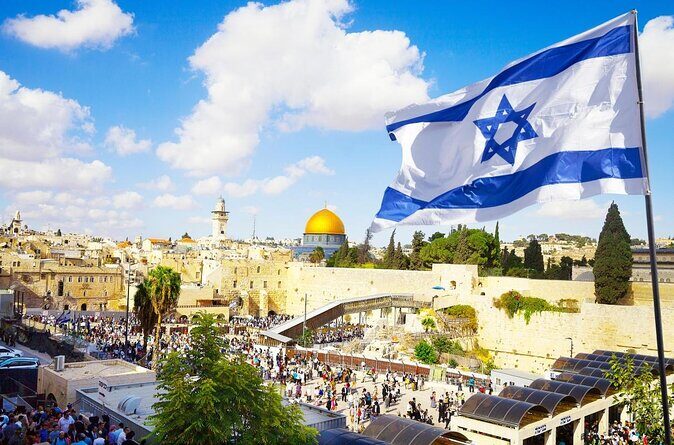
- Mount of Olives panoramic start: it helps the Old City make sense once you’re down there on foot
- Mount Zion religious stops: King David’s Tomb, the Room of Last Supper, and the Dormition Abbey are packed into the morning
- Cardo and the restored Roman street: you’ll walk through the ancient main drag area that’s been excavated and restored
- Western Wall (Kotel) + Via Dolorosa + Holy Sepulchre: the classic cluster of sights is all in one flowing route
- Bethlehem beyond the church doors: Church of the Nativity, Manger Square, and a view of the Shepherds’ field
- Group size can affect the experience: the day runs as a group tour, and crowd density can cut into hearing the guide
Jerusalem and Bethlehem in one long day from Tel Aviv
This tour is built for travelers who want the highlights without stitching together multiple trips. You start from Tel Aviv and spend about 8 hours moving through Jerusalem and finishing in Bethlehem. It’s not a slow wander. It’s a guided “major sites and context” day.
The value is in how the schedule supports understanding. You see key viewpoints and landmarks, then you walk the Old City route, then you shift to Bethlehem with the focus on the Church of the Nativity and the birth-site tradition marked in the underground grotto.
I also appreciate the practical side: you’re in air-conditioned transport, and the tour is run as a group with an expert guide. You’re not on your own trying to figure out gates, quarters, and which entrance makes the day flow.
A few more Jerusalem tours and experiences worth a look
Mount of Olives: the view that makes the map click
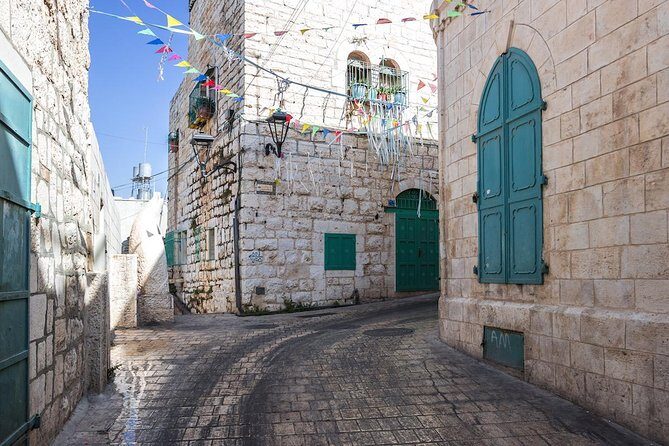
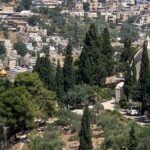
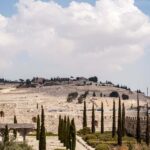
Most people underestimate how much the Mount of Olives changes your experience. You get a panoramic look over the city before the walking begins, and that matters when you later enter the Old City and start moving through quarters that feel like a maze.
On this itinerary, the day’s rhythm goes: first the drive up and the view, then later you’re down in the historical core. That sequencing helps. Once you’ve seen the city from above, the scale of the walls and the layout of the area makes more sense.
If you’re someone who likes photos with context, this is where you’ll understand what you’re looking at later. And if you’re trying to pack meaning into the day, it’s the calm before the holy-site traffic.
Mount Zion stops: King David’s Tomb, Last Supper room, and Dormition Abbey
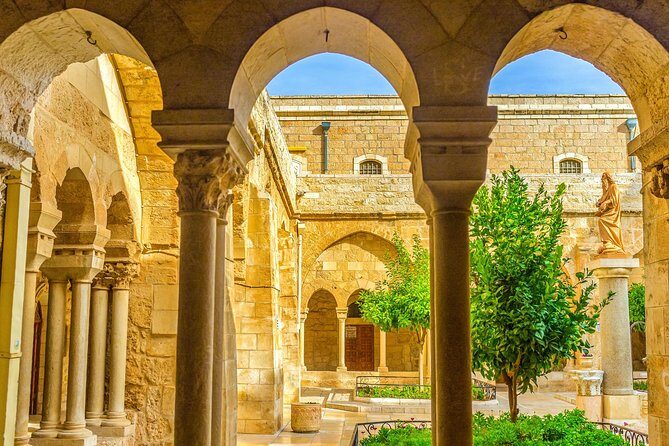
After the Mount of Olives, you head toward Mount Zion for a set of religious sites that many first-timers see as a cluster.
This part of the day includes:
- King David’s Tomb
- the Room of Last Supper
- Dormition Abbey
Even if you don’t know the full web of religious history ahead of time, these stops work as anchor points. They give you a timeline feeling—Scripture-era names, the significance of Jerusalem as a spiritual center, and the way later communities built places of worship around older traditions.
One practical thing: places of worship have a dress code. The tour notes no shorts or sleeveless tops, with knees and shoulders covered for both men and women. That affects how comfortable you’ll be in queues and in indoor spaces, so plan your outfit for the whole day, not just the outdoors.
Entering the Old City via Zion Gate and walking the quarters
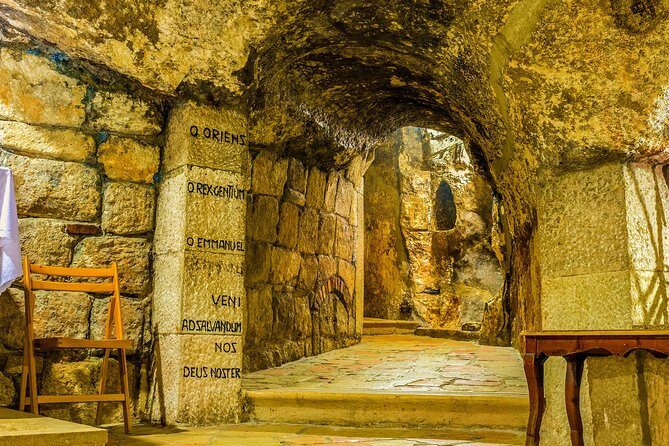
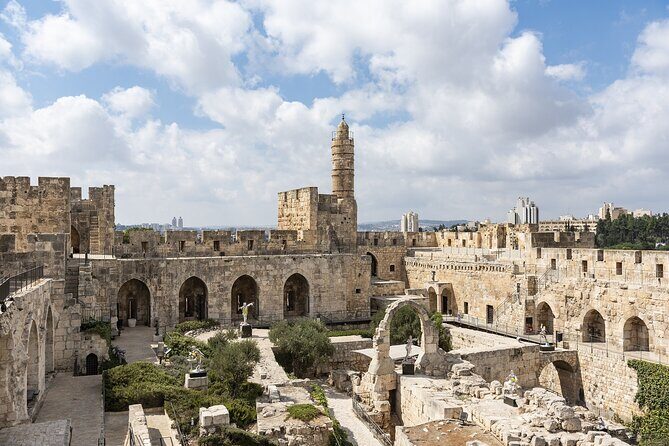
Once you enter the Old City, the experience becomes more about movement than about seeing from one fixed spot. You walk through the Armenian and Jewish quarters and then head toward the restored area of the ancient Roman road, the Cardo.
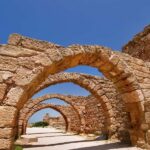
The Cardo portion is a standout in the tour plan. You’re not only told it’s an old main street; you get to walk through the area tied to Jerusalem’s ancient commercial spine, including sections recently excavated and restored. It’s one of those “oh wow” moments because it makes the city feel older than the present-day streets.
From there, the route keeps to the classic Old City spine:
- toward the Western Wall (Wailing Wall / Kotel)
- then continuing through the Christian quarter
This is the part where crowds can be intense. Narrow walkways + big religious landmarks + group dynamics can make it hard to hear. If you care about the story-telling, position yourself where you can actually see and hear the guide when they stop.
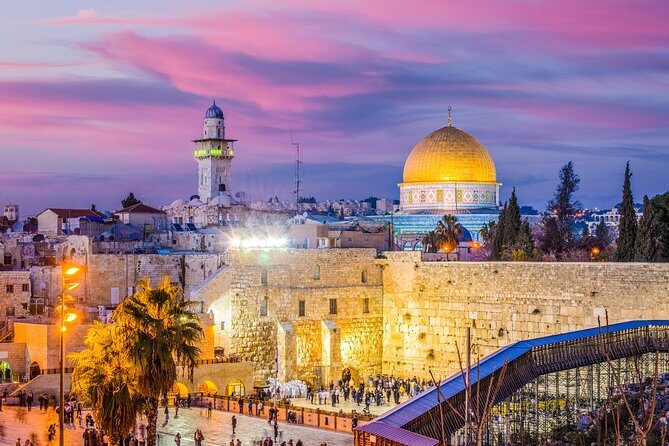
Western Wall (Kotel): your chance to pause and take in the place
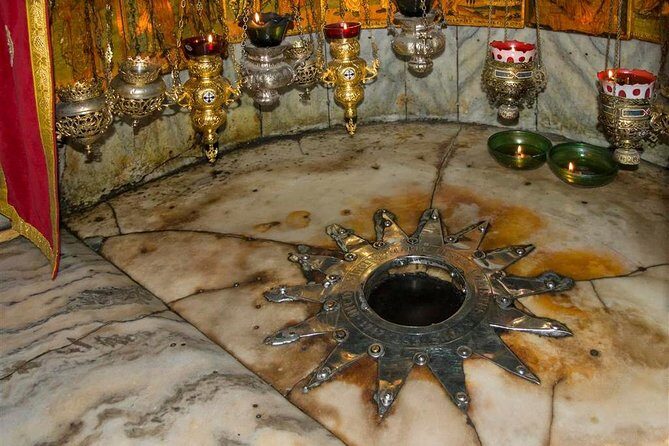
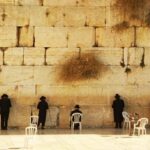
The Western Wall (Kotel) is one of those stops that needs a little pause time. Even if you’re not religious, it’s a powerful human-scale site—people come here to pray, reflect, and mark the moment.
On this tour, you see it as part of the walking route, so you’ll likely get a short window rather than an extended, contemplative visit. If you’re the type who likes to stand back and take photos, you’ll want to plan your “photo first vs. pray first” choice early, because people move in both directions and the flow can be tight.
For many first-time visitors, seeing the Kotel after the Cardo is a good contrast: you go from an ancient street that shows daily life to a spiritual wall where people come for prayer and ceremony.
A few more Jerusalem tours and experiences worth a look




Via Dolorosa and the Church of the Holy Sepulchre
After the Kotel and the Christian quarter, you head toward Via Dolorosa and then to the Church of the Holy Sepulchre.
This section is where the day hits its most emotionally charged sites. Via Dolorosa is known for its stations tradition, and the Holy Sepulchre is where the tradition places the crucifixion site. Your visit focuses on the core church experience connected to those beliefs.
A practical note: the Holy Sepulchre is busy. Even when a guide is excellent, noise and crowd movement are real constraints. That shows up in feedback from past guests—when spaces get crowded, it’s harder to hear explanations clearly.
So here’s my advice for getting the most out of it: when the guide tells the story, stay close enough to catch the key points. Then use your own time afterward to walk slowly through the area at your pace. You don’t need to rush every corner to benefit from the visit.
Bethlehem: the Church of the Nativity, Manger Square, and the Shepherds’ field view
Then you shift to Bethlehem, where the itinerary centers on the Church of the Nativity and the area connected to the birth-site tradition.
You’ll visit:
- Church of the Nativity
- Manger Square
- a view of the Shepherds’ field
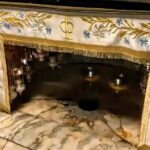
- and the experience tied to the underground grotto marking the exact place associated with Jesus’ birth
This is a different kind of feeling than Jerusalem. You’re still in a dense, sacred area, but the tour’s Bethlehem time focuses on one central theme: the birthplace setting. If you’re traveling with kids or with someone who wants “the big one,” this is where their eyes usually light up.
The church and grotto setting is also where the dress code becomes more than a rule. You’ll likely move through indoor and semi-indoor spaces, and covered shoulders and knees make everything more comfortable, especially when the day runs warm.
Also, don’t ignore Manger Square. Even if the main ticket moment is indoors, this open area helps you reset between sacred stops, and it gives you a sense of place beyond the church door.
Crowds, pacing, and how to hear the guide
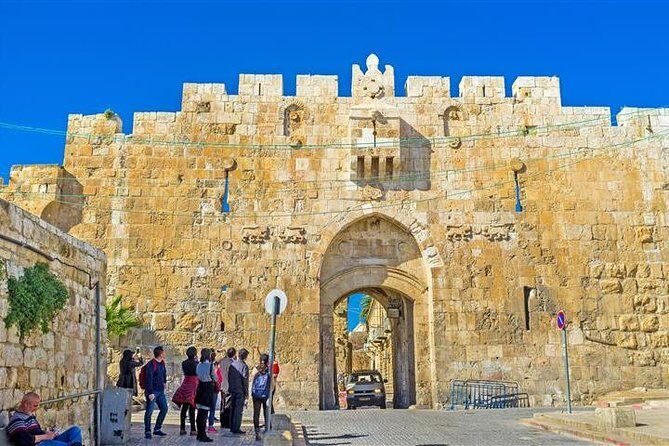
Crowds aren’t a bug in this day; they’re the reality. Old City routes are narrow, the holy sites draw visitors, and group tours mean multiple people stop at the same time.
What I see from the feedback pattern is simple: when groups pack into tight areas, the guide’s voice can get swallowed. One guest noted the tour became so busy that it was hard to hear explanations in some places.
Here are ways to make it work anyway:
- When the guide stops, stand where you can see their face and listen, not where you get the best photo angle.
- Keep an ear open early in the day; if you miss a few details later, you’ll still have the big story structure.
- If you’re traveling with someone who loves facts, don’t wait until the crowd swells—ask questions at the clearer moments.
Guide quality also varies. In the reviews, names like Riki, Ron, Elias, and Eli come up with very different experiences. That tells me one thing: your enjoyment is influenced by who you’re paired with that day. You can’t control that, but you can control how you engage—be present when the guide is speaking, and you’ll get more value from the time.
Price and value: what $120 buys you (and what it doesn’t)
At $120 per person for roughly 8 hours, the headline value is the combination of transport + guided route + included admissions. The tour includes air-conditioned minivan and the day runs as a group with an expert guide.
It also notes admission tickets included for the time blocks covering the key stops. That matters because it removes one layer of hassle on a day where you’re trying to stay moving.
What’s not included is food and drinks unless specified. With a day this packed, plan to budget for lunch/snacks on your own. You don’t want to lose your energy halfway through the Old City walk—or try to power through with nothing but whatever you can grab quickly.
Is $120 a deal? For many people, yes, because you’re not coordinating transit between cities, arranging site timing, or figuring out how to route through the Old City efficiently. If you’re the kind of traveler who loves self-guided wandering, you might question the structure. But if you want an organized introduction and a guided narrative, it’s strong value for a first Jerusalem-and-Bethlehem visit.
Who this tour suits best (and who might prefer private time)
This works best if you:
- want a first-pass overview of Jerusalem and Bethlehem without planning every entrance and walking route
- like having an expert guide stitch together meaning across multiple sites
- are okay with group pacing and a day that moves quickly
You might consider a different format if you’re:
- sensitive to crowded spaces and want more quiet time at each stop
- traveling with a strong language preference and need consistent translation
- hoping for a smaller group feel; some feedback suggests group size can be more than what people expected
If you’ve dreamed of a slower, more personal day—extra time for the Holy Sepulchre, more standing still at the Kotel, or a deeper conversation at each site—then private tours often fit those needs better. The tour itself is designed as a shared overview, not a customized deep dive.
Should you book this full-day Jerusalem and Bethlehem trip?
I’d book it if you want an efficient, guided introduction that hits the major sacred landmarks and gives you context you can carry into the rest of your Israel trip. The Mount of Olives view, the Cardo walk, and the Church of the Nativity/grotto focus are exactly the kind of structure that helps first-timers feel oriented quickly.
I’d think twice if you’re allergic to crowds or you know you’ll struggle to hear explanations in tight spaces. In that case, plan for the fact that you’ll still see the sites, but you may need to accept less narrative detail during peak congestion.
If you do book, come dressed for worship rules, bring a flexible mindset, and keep close when the guide is explaining the bigger story. You’ll get more out of the day than you expect.
FAQ
How long is the full-day trip?
The tour runs for about 8 hours (approx.).
What’s included in the price?
Transport by air-conditioned minivan and the group tour are included, and admission tickets are included for the tour’s covered stops.
Do I need a passport?
Yes. A current valid passport is required on the day of travel.
What are the dress rules for religious sites?
You need to cover knees and shoulders. No shorts or sleeveless tops are allowed. If you don’t meet the dress code, you may be refused entry.
Can children join the tour?
Yes, but children must be accompanied by an adult.
Does the tour operate in bad weather?
It operates in all weather conditions. Dress appropriately for the conditions.