REVIEW · MOUNT BENTAL
From Tel Aviv: Golan Heights Tour
Book on GetYourGuide →Operated by Bein Harim Israel Tours · Bookable on GetYourGuide
A day in the Golan comes with big views and sharper stories. This 10-hour tour takes you through Northern Israel’s layered religious sites and battle-era viewpoints, with stops like Katzrin and Mount Bental paired with real hands-on archaeology at the Golan Antiquities Museum. I especially liked how the tour keeps the facts moving, and how guides bring the places to life—our guide Avishai Levi (per one review) clearly made the history feel personal, not like a lecture.
Two things I’d call out as strong: the mix of ancient religious history (including an ancient synagogue) with strategic modern scenery, and the way the day is structured around panoramic lookouts you can actually process with time. One possible drawback: the day is long, and if you are picky about minimizing downtime, you’ll want to plan for breaks and transit so you don’t feel like you lost momentum.
In This Review
- Key Highlights That Make This Tour Worth Your Time
- Price and Logistics: What You’re Really Paying For
- From Tel Aviv to the Golan: A Long Drive That Sets Up the Story
- The Sea of Galilee Lookout and Tiberias Views: Where the Day Breathes
- Crossing the Jordan at the Foot of the Heights
- Shalom Observatory: Strategic Views, Not Just Pretty Photos
- Katzrin: Archaeology You Can Walk Through
- Golan Antiquities Museum: Artifacts and Gamla Context
- Mount Bental: Syrian Fortifications and Close-Border Reality
- Timing, Breaks, and the Lunch Question
- What to Wear and Bring (So the Day Feels Easy)
- Guides Matter: Avishai Levi and the Difference Between Information and Story
- Who This Tour Is Best For
- Should You Book the Tel Aviv to Golan Heights Tour?
- FAQ
- Is this tour from Tel Aviv, or do I need to meet elsewhere?
- How long is the Golan Heights tour?
- What language is the tour guide?
- What’s included in the price?
- Is food included?
- What should I bring for the day?
- Is it suitable for kids or wheelchair users?
Key Highlights That Make This Tour Worth Your Time
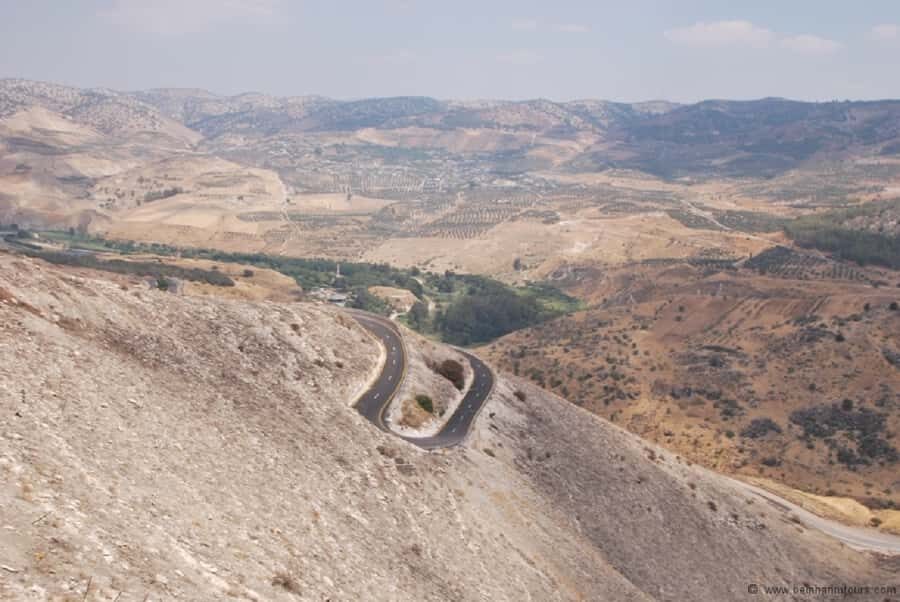
- Katzrin, the Talmudic capital of the Golan, with excavations from Mishnah and Talmud-era life
- Mount Bental overlooks, including Syrian fortifications and the view down toward Kuneitra
- A Jordan River crossing stop, paired with the dramatic Golan ascent
- An ancient synagogue visit, plus religious-site guidelines that keep things respectful
- Golan Antiquities Museum and Gamla context, using artifacts and audiovisual presentations
Price and Logistics: What You’re Really Paying For
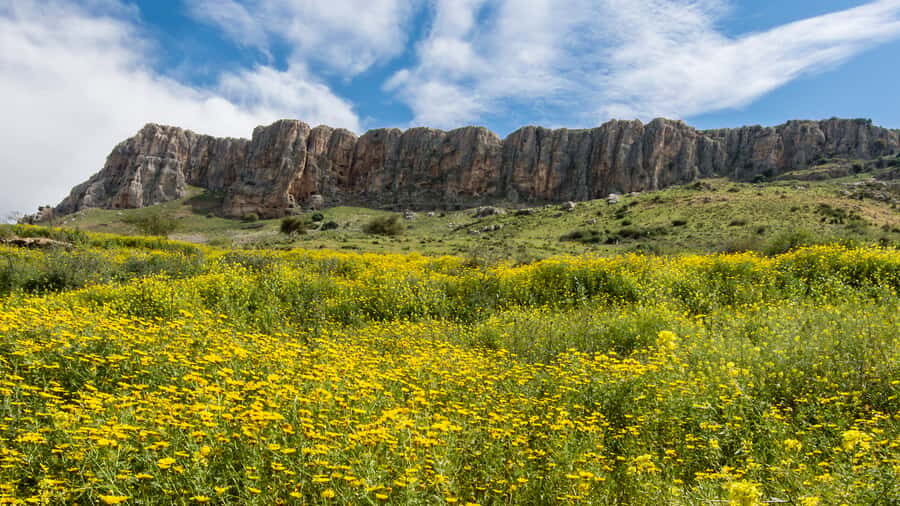
At about $128 per person for a 10-hour day, this isn’t a budget-only outing, but it also doesn’t feel overpriced for what you get. You’re not just buying transport—you’re buying a guided route that ties together archaeology, religious sites, and strategic geography, plus entry fees and hotel pickup/drop-off are included.
The big “value” question for you is whether you prefer one organized day that strings everything together versus doing the same stops with multiple independent rides. If you’re basing yourself in Tel Aviv and you don’t want to manage logistics, a coach tour makes sense. If you already know you want full control and lots of independent wandering, you might find a guided day a little too scheduled.
One more practical note: the tour includes transport by air-conditioned coach, but it is still a full day outdoors and in-and-out of sites. Wear shoes you can walk in for hours, not just for photos.
From Tel Aviv to the Golan: A Long Drive That Sets Up the Story
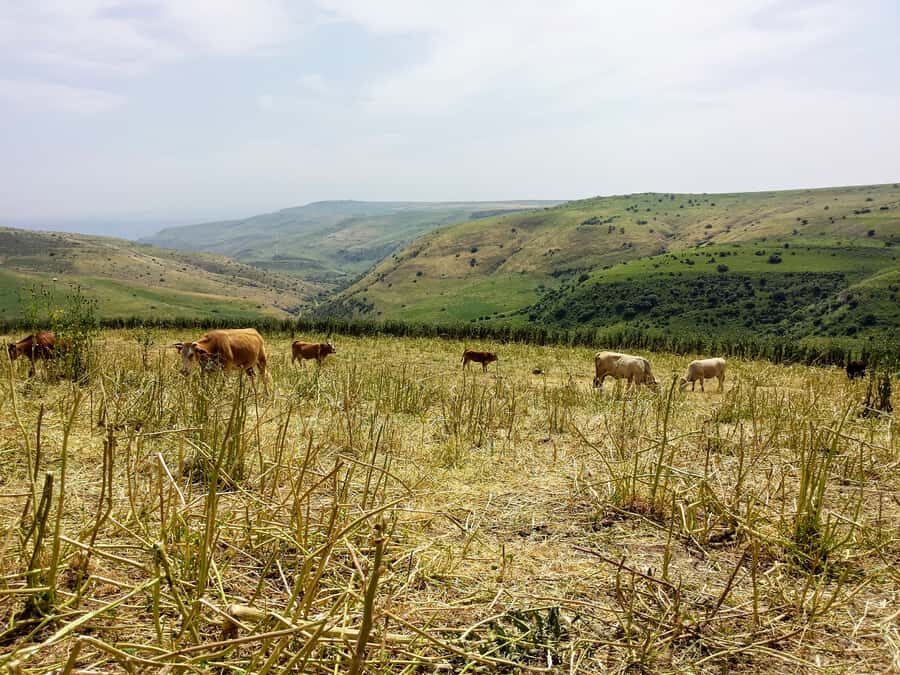
Starting with hotel pickup helps, because it removes a common hassle—getting to the departure point after a morning scramble. Once you’re on the road, the day’s big geography starts to make sense. The route doesn’t just transport you from A to B. It teaches you to read the terrain, which is exactly what the Golan is good at.
You’ll pass through areas tied to biblical and historical references, including talk about the plain associated with Armageddon (as referenced in Revelations) and stops connected to the Megiddo area. You might not leave with a new religion, but you will leave with a better map in your head. That’s the kind of education that sticks, because it’s tied to what you can see.
There’s also a real comfort factor: you get professional guidance in English, and the coach keeps the day moving so you’re not constantly sorting directions.
The Sea of Galilee Lookout and Tiberias Views: Where the Day Breathes
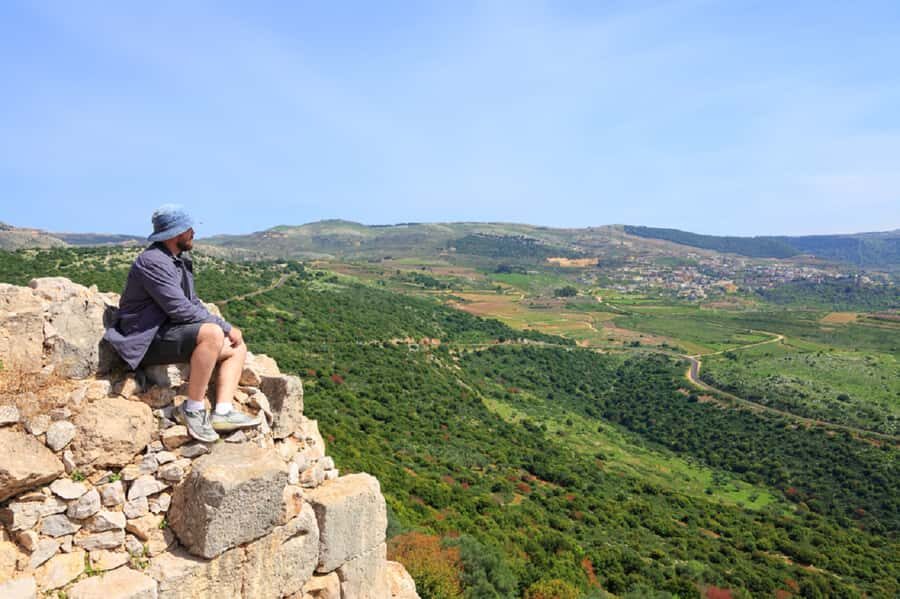
As you head north, you get to a high viewpoint over the Sea of Galilee (Kinneret). This stop is less about a single building and more about getting oriented. You’ll look down on the sea, with the Golan Heights forming a dramatic backdrop, and you’ll also see the Israeli city of Tiberias in the distance on the edge of the water.
Why this matters: viewpoints like this change how the rest of the day reads. Later, when you’re talking about strategic importance, it’s easier to understand why people cared about controlling sightlines and routes around the lake.
Practical tip: have water on hand if you can, and keep an eye on the sun. The tour requires comfortable shoes, a sun hat, and sunscreen, and you’ll feel that advice as soon as you step into open lookout areas.
Crossing the Jordan at the Foot of the Heights
One of the tour’s standout “geography moments” is the crossing of the Jordan River at the foot of the Golan Heights. This isn’t just scenic—it’s a turning point in the day. After the water and wide views, you start the ascent.
You’ll begin climbing through the region’s green countryside and you’ll pass Hamat Gader, which is known as a spa destination today but also for its Roman-era history. So you get a modern comfort association layered over ancient use. It’s a nice way to keep the historical thread alive without making the day feel stuck in the past.
Shalom Observatory: Strategic Views, Not Just Pretty Photos
Next you reach the Shalom Observatory, where the view back toward the Sea of Galilee brings the terrain into focus again. This is also where the tour connects geography to real-world strategy—why the Heights mattered, and how the surrounding region’s layout affects movement and visibility.
You’ll look back down at the lake and toward Tiberias. Even if you’re not a military history enthusiast, you’ll understand the basic logic quickly, because you can literally see it. That’s what makes this kind of stop work: it’s not abstract.
I’d call this a good moment for you to slow down mentally. If your phone camera usually takes over, force yourself to look first. Then take photos. You’ll get more out of it.
Katzrin: Archaeology You Can Walk Through
Now you hit one of the day’s main anchors: Katzrin, sometimes called the capital of the Golan. The key draw here is the excavations. You’ll see uncovered village remains tied to Mishnah and Talmud periods, and you can view what’s been partially restored for visitors.
What I like about this stop is that it doesn’t feel like you’re just looking at old stones. You’ll see elements such as:
- a synagogue from the period
- houses
- an oil press
Those details matter because they show everyday life, not only big monuments. It helps you understand the Golan as a lived-in region shaped by belief, work, and community.
There’s also a noticeable geological feel to the Golan. You’ll see evidence of former volcanic activity, including black basalt rock that helps define the look of the region. That kind of physical texture makes the history feel more grounded.
Golan Antiquities Museum: Artifacts and Gamla Context
After Katzrin, you’ll visit the Golan Antiquities Museum. This is where the day becomes more organized, because museums do a good job turning scattered info into a coherent storyline.
You’ll see findings from the region and from nearby archaeological work connected to Gamla, including artifacts and audiovisual presentations about the historic Second Temple Era Jewish city. If you want a reason why Gamla keeps coming up in Golan discussions, this is one of your best chances to get it explained during the same day you’re looking at the physical evidence.
A good strategy for you here: don’t try to read everything at full speed. Pick one or two areas that connect to the outdoor sights you just visited. It will click faster.
Mount Bental: Syrian Fortifications and Close-Border Reality
Then comes Mount Bental, and it’s one of the more emotionally serious parts of the day. You’ll visit what remains of Syrian fortifications, including bunkers, a base, and trenches that were captured by Israelis during the Six-Day War in 1967.
The effect is immediate: you get the sense of how close the border is, and you’ll gaze down toward the Syrian city of Kuneitra just beyond. The tour doesn’t need to sensationalize anything—the physical leftovers do that work.
Why this stop matters for your understanding: it connects the earlier “why is the terrain important” conversation to something concrete. You’re no longer guessing at strategy. You can see the infrastructure built around it.
If you’re sensitive to heavy topics, this section might hit harder than the archaeology. But it’s also the kind of context that makes the whole Golan trip feel real.
Timing, Breaks, and the Lunch Question
This tour runs for 10 hours, so it includes transit time plus time at multiple sites. That’s great for people who want one structured day, but it’s also why you should go in with energy and a simple plan.
A recurring theme from one guide-to-day experience is that pacing can feel uneven for some—specifically, there’s at least one note about spending too much time on lunch rather than on the Sea of Galilee stop. I can’t rewrite the schedule on your behalf, but you can protect yourself from disappointment by approaching the day with the understanding that the itinerary includes breaks, not just site-to-site walking.
Also, food and drink aren’t included, so you’ll want to be ready to purchase as needed or bring your own where allowed. For a long day, it’s worth planning ahead so you’re not hungry while trying to absorb history.
What to Wear and Bring (So the Day Feels Easy)
The tour is straightforward, but it has a few non-negotiables:
- Modest dress is required for holy places
- Bring comfortable shoes
- Bring a sun hat and sunscreen
One more “street-smart” thought: even with an air-conditioned coach, you’ll spend time outdoors at lookouts and at archaeological areas. If you hate sticky heat, you’ll feel it here—plan for it.
And remember: it’s not suitable for children under 4 and it’s not wheelchair accessible.
Guides Matter: Avishai Levi and the Difference Between Information and Story
This is one of those tours where the guide can make or break the day. In the reviews you shared, Avishai Levi came through as a highlight—passionate, extremely informative, and kind enough to make the tour feel like a conversation rather than a checklist.
Another review noted an outstanding driver (Avi) who offered recommendations and kept driving smooth over a long route. That matters because when you’re spending most of the day on the road, comfort and confidence reduce the fatigue factor.
If you care about explanation style—clear, patient, and enthusiastic—this tour has a strong chance of delivering.
Who This Tour Is Best For
You’ll probably love this day if:
- you want one guided route covering both archaeology and viewpoint history
- you like learning that’s tied to what you’re seeing
- you want a coach day from Tel Aviv without juggling transport
You might not love it if:
- you dislike structured days and prefer long, independent stops
- you’re very sensitive to long durations and want minimal downtime
- you need accessibility support beyond what the tour supports
It also fits well for a first-time visitor to Israel’s north who wants the Golan Heights to feel understandable, not overwhelming.
Should You Book the Tel Aviv to Golan Heights Tour?
If your goal is to see the Golan Heights through multiple lenses—ancient life in Katzrin, a synagogue stop, museum context for Gamla, and serious historical fortifications from Mount Bental—this tour is a solid choice. The English live guide, the included entry fees, and the pickup/drop-off from hotels are real conveniences for a 10-hour day.
I’d especially recommend it if you want someone to connect the dots between biblical references, Roman-era layers at places like Hamat Gader, Second Temple-era context around Gamla, and the strategic geography of the Heights. It turns a long day into a coherent story.
If you hate long sitting time or you’re very picky about food timing, go in prepared for breaks and don’t treat lunch as the main event. With that mindset, the rest of the day has enough strong anchors to keep you satisfied.
FAQ
Is this tour from Tel Aviv, or do I need to meet elsewhere?
It includes hotel pickup and drop-off. If you’re not staying in a hotel (for example, an Airbnb), the operator provides details for the closest pickup point.
How long is the Golan Heights tour?
The duration is 10 hours.
What language is the tour guide?
The live guide provides the tour in English.
What’s included in the price?
The price includes entry fees, a professional guide, transport by air-conditioned coach, and hotel pickup & drop-off.
Is food included?
No. Food and drink aren’t included, so plan to purchase meals during the day if needed.
What should I bring for the day?
Bring comfortable shoes, a sun hat, and sunscreen.
Is it suitable for kids or wheelchair users?
It’s not suitable for children under age 4 and it’s not suitable for wheelchair users.