REVIEW · JERUSALEM
Classic Jerusalem Old City Tour
Book on Viator →Operated by Nissim Slama - Guide et Conférencier - Tour Guide & Lecturer · Bookable on Viator
Jerusalem is a city where every corner matters. This Classic Jerusalem Old City Tour strings together the places most visitors look for, from the Jaffa Gate to the Western Wall, and does it as a private outing with a local guide, Nissim Slama. You’ll also pass through the Christian, Armenian, Muslim, and Jewish quarters, so you get the city as a living patchwork, not a single monument.
I like that the route is built around key stops with clear historical weight, including the Tower of David citadel and the Holy Sepulcher. I also love that the guide’s approach is praised for turning sights into a clear history lesson, which is exactly what you want in a place that can feel emotionally heavy. One consideration: the tour length is listed as 3 to 6 hours, so plan your day around a steady chunk of time in the Old City.
In This Review
- Key things you’ll notice on this Jerusalem Old City tour
- Why a classic Old City loop is worth it
- Meeting at Yaffo Gate, then walking the core sights
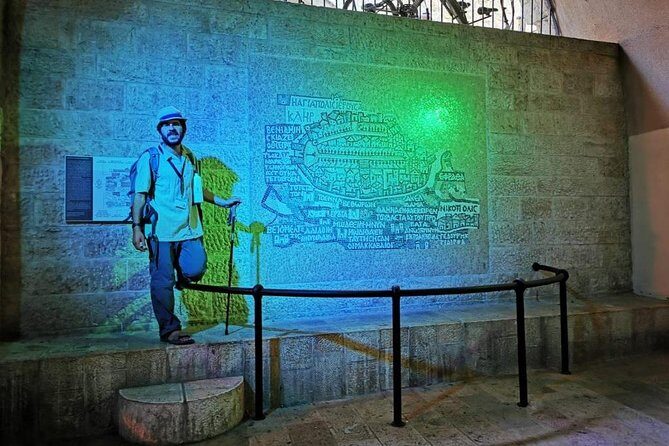
- Stop 1: Jaffa Gate, the Tower of David citadel, and the Old City’s “map”
- The Holy Sepulcher: the world-famous landmark and the lesson behind it
- Christian, Armenian, Muslim, and Jewish quarters in one guided pass
- Archaeological sites and why they matter here
- Western Wall finish: ending where the story is still alive
- Value and price: what $471.55 per group really buys
- Logistics that keep the day smoother
- Who this tour suits best
- Should you book this Classic Jerusalem Old City Tour?
- FAQ
- How long is the Classic Jerusalem Old City Tour?
- Where does the tour start and end?
- Is this a private tour?
- What’s the group size?
- Do I need a printed ticket?
- What is the cancellation policy?
Key things you’ll notice on this Jerusalem Old City tour
- A private group for up to 10 means you’re not stuck waiting on strangers at every turn
- Mobile ticket keeps things simple once you’re ready to meet
- Multiple quarters in one loop (Christian, Armenian, Muslim, Jewish) helps you connect the dots
- Big anchors on the route like the Jaffa Gate, Tower of David citadel, and Western Wall give your walk structure
- Archaeological sites add depth beyond the main religious landmarks
- Nissim Slama’s teaching style has a strong history focus, based on how people describe the tour
Why a classic Old City loop is worth it
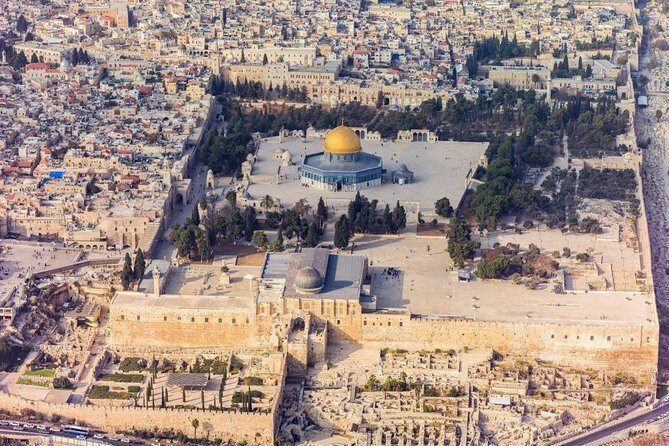
If Jerusalem is on your list, you’ll quickly learn that the Old City isn’t just one area—it’s several neighborhoods packed into a small space. This tour is designed to help you see the layout, then understand why those walls, gates, and holy sites keep pulling people into the same story for centuries.
You get a focused route that hits the places most visitors expect, but the difference is how they connect. The Jaffa Gate gives you a “start line.” From there, you work your way through the Ottoman-era and earlier layers of the Old City experience, including major religious sites and the surrounding quarters. That makes it easier to remember what you saw instead of collecting disconnected postcards.
The tour also has an important practical edge: it’s private. Even if your group is small, you’re not trying to follow ten different speeds in tight spaces. It’s the kind of structure that helps your head stay clear in a sensitive, complicated city.
You can also read our reviews of more city tours in Jerusalem



Meeting at Yaffo Gate, then walking the core sights
Your tour starts at Yaffo Gate / Yafo and ends at the Western Wall. That matters more than it sounds. Starting at the gate gives you the sense of entering the Old City, not just arriving at a random viewpoint. Ending at the Western Wall sets you up for an emotionally powerful finish, since it’s one of the most recognizable religious sites in Jerusalem.
This is also a near-public-transport setup, so you’re less likely to waste time figuring out how to get to the Old City perimeter. Once you’re in the walking portion, the flow is straightforward: you move through the Old City’s main lanes and landmarks, with the tour guiding you to the important points rather than leaving you to guess.
Because the tour runs about 3 to 6 hours, I suggest you treat it like a half-day plan. If you try to squeeze a museum, a long meal, and a second attraction afterward, you’ll feel rushed fast.
Stop 1: Jaffa Gate, the Tower of David citadel, and the Old City’s “map”

The first major anchor on the route is Jaffa Gate. It’s a natural starting point because gates are where the city’s story turns from outside to inside. You’ll be able to re-orient yourself early, which makes the rest of the walk easier to follow.
From there, the route includes the Tower of David citadel. Even if you don’t consider yourself a fortress person, this is one of those stops that helps you understand how Jerusalem has been viewed through control of high ground and defensible space. In a city with layers of history, elevated points can act like punctuation—where you can pause, take stock, and get your bearings.
The benefit of visiting these major anchors early is mental. When you later reach the Holy Sepulcher and the dense quarters around it, you’ll have a clearer sense of where you are in the bigger picture.
Possible drawback to consider here: if your main interest is one single site, a multi-stop loop means you’ll move fairly steadily. The strength of this tour is the connections, not the ability to linger for long stretches at just one point.
The Holy Sepulcher: the world-famous landmark and the lesson behind it
The tour includes the Holy Sepulcher, one of the most significant Christian sites in Jerusalem. This is the kind of place where the architecture, tradition, and sacred associations overlap in a way that can be confusing if you’re just reading signs.
That’s where a guided history approach makes a real difference. This is also one of the stops where I think a strong local lecturer matters most. The descriptions of this tour highlight Nissim Slama’s ability to provide clear history context, so you’re not just looking at a famous name—you’re understanding how that significance has been narrated and carried forward.
Even if you’ve studied religion or history before, seeing the site in-person still helps you understand the scale of meaning. And because your tour is already structured around the Old City’s layout, the Holy Sepulcher doesn’t land as an isolated moment. It comes right in the middle of the city’s broader religious geography.
Christian, Armenian, Muslim, and Jewish quarters in one guided pass
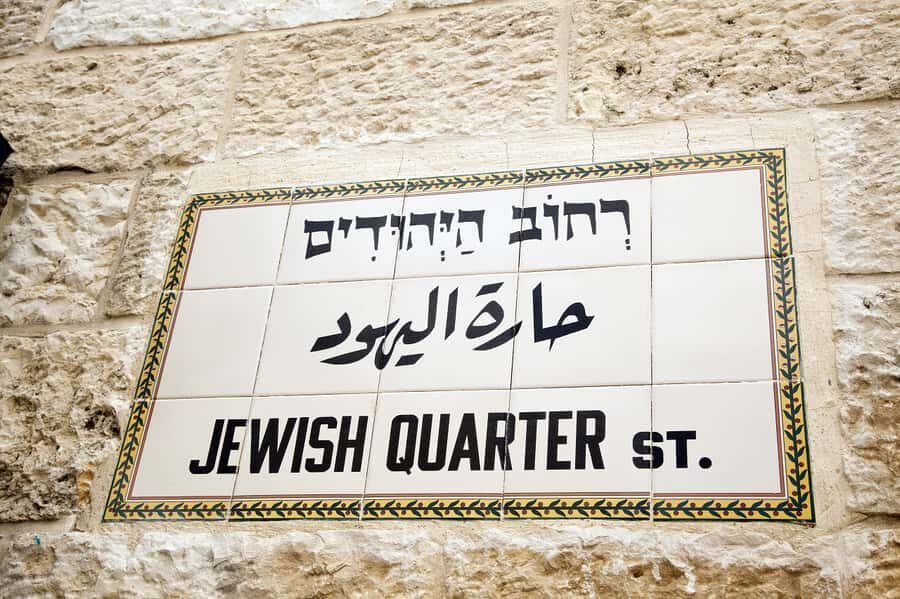
A big selling point of this tour is that it moves through several quarters: the Christian, Armenian, Muslim, and Jewish quarters. That’s not just a checklist. It’s a way of understanding Jerusalem as a set of adjacent communities where history and daily life sit side by side.
In practice, this means you’re not walking one long religious corridor. You’re traveling through different cultural and religious spaces within the Old City. The quarter-by-quarter approach can help you notice contrasts—street character, how people move, and how different sacred sites relate to the surrounding neighborhood.
I also like that the tour doesn’t treat “the holy places” as separate universes. By linking multiple quarters into a single outing, the tour encourages you to see Jerusalem as a place of overlap and coexistence, along with all the tension that has shaped it over time.
One consideration: the Old City is emotionally intense for many people. This tour is described as showing both conflicts and harmonies in one small area. So it’s wise to be mentally ready. If you prefer a purely light, entertainment-style day, this may feel more serious than you expect.



Archaeological sites and why they matter here
Your itinerary includes archaeological sites. In a city like Jerusalem, archaeology isn’t just about digging and dates; it’s how you connect physical remains with the stories people still tell today.
What I value about including this category is that it pushes your visit beyond “religious tourism.” It nudges you toward understanding that Jerusalem has always been layered: new periods sit on top of old ones, and those overlaps help explain why certain places are so contested and so meaningful.
You don’t need a geology degree for this part. The point is interpretation—having someone point out what you’re actually looking at and how it fits into the broader timeline. With Nissim Slama’s history-focused style noted in the tour feedback, this stop is likely one of the moments where your understanding snaps into place.
Western Wall finish: ending where the story is still alive

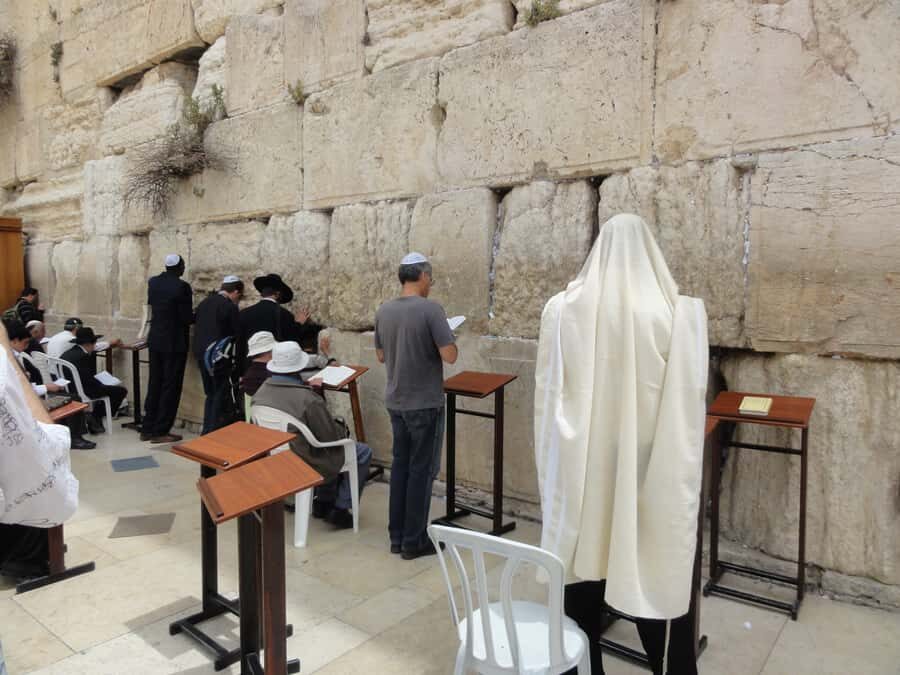
The tour ends at the Western Wall. For many visitors, that’s the emotional finish line. Even if you’ve seen photos before, arriving at the Wall at the end of a structured walk can make it hit differently. You’ve just passed through gates, citadel views, major sacred Christian context, and multiple quarters. Then you land at a site that remains central to Jewish prayer and identity.
Ending here also keeps logistics simple. You’re not trying to backtrack out of the Old City at the same intensity level you entered. You finish at a clear, well-known destination.
Value and price: what $471.55 per group really buys

The price is listed as $471.55 per group (up to 10). That’s not “cheap,” but it also isn’t priced like a single-person experience. When you divide the cost across a group, it can start to look like good value—especially if you’d otherwise pay for several paid entries, take multiple taxis, or spend more time wrestling with navigation.
This price structure also fits what you get from a private guide. You’re paying for a guided route through meaningful, sometimes complex places. In Jerusalem’s Old City, time matters because the layout can be confusing and the places you care about are clustered tightly. A guide helps you convert that time into understanding, not just motion.
If you’re traveling solo and you still want a private tour, the per-person value can feel higher. But if you’re a couple or a small group, the “per group” format can make this a smart choice.
Logistics that keep the day smoother
A few details make this tour easier to manage. You get a mobile ticket, confirmation at booking, and it’s close to public transportation. That combination helps reduce the usual “what do we do now” stress.
The tour is also listed as private, meaning only your group participates. With a small group size (up to 10), you can typically expect a more controlled pacing than in big group tours.
Service animals are allowed, and it’s noted that most travelers can participate. That’s a helpful baseline if you’re planning ahead and need to know whether it’s generally feasible.
Who this tour suits best
This tour is a good match if you:
- want a guided walk across the Old City’s core landmarks, not a menu of separate tickets
- care about how different religious spaces relate to each other geographically
- appreciate history explanations while you’re looking at the real place
It’s also ideal for people who like structure. You’ll have a clear starting point at Yaffo Gate and a clear end at the Western Wall, with multiple anchor stops in between.
If your idea of the day is slow and study-by-reading, this might feel a bit more like a “cover the key points” approach. But if you want a solid orientation plus context, it’s a strong plan.
Should you book this Classic Jerusalem Old City Tour?
I’d book it if you want a guided route that connects Jaffa Gate, the Tower of David citadel, the Holy Sepulcher, several quarters, archaeological sites, and a final stop at the Western Wall—all in one private format with a lecturer-guide, Nissim Slama.
Skip it (or plan differently) if you’re only interested in one site and don’t want a multi-stop walk. Also, because the tour time is listed as 3 to 6 hours, be honest with your schedule. This is the kind of day that rewards attention, not multitasking.
FAQ
How long is the Classic Jerusalem Old City Tour?
The duration is listed as approximately 3 to 6 hours.
Where does the tour start and end?
The tour starts at Yaffo Gate / Yafo and ends at the Western Wall.
Is this a private tour?
Yes. It’s listed as a private tour/activity, with only your group participating.
What’s the group size?
The price is for a group of up to 10 people.
Do I need a printed ticket?
No. The tour includes a mobile ticket.
What is the cancellation policy?
You can cancel for a full refund if you cancel at least 24 hours in advance of the experience’s start time. Free cancellation is available up to that window.