REVIEW · TEL AVIV
Tel Aviv: Street Art and Graffiti Tour
Book on GetYourGuide →Operated by Be Tours · Bookable on GetYourGuide
Graffiti has a lot to say. This Tel Aviv Street Art and Graffiti Tour turns alleyway walls into a real-world lesson on style, artists, and how cities think. I love the way the local guide connects street marks to everyday Israeli life, and I love the choice between Florentine and Ha’Mesila Park routes. The one possible drawback: you’ll be walking and talking the whole time, so it’s not a sit-and-watch show.
In 90 minutes to two hours, you’ll move through public spaces where color and lettering are part of the street scene. Expect history and context alongside what you’re seeing, including how people interpret graffiti’s social role, and why it can feel personal, political, or purely artistic.
One more practical note: the tour runs subject to a minimum of 6 participants, and meeting points can vary by option. If you’re sensitive to delays, pick a time slot with some flexibility.
In This Review
- Key things I found most interesting
- Why Tel Aviv street art hits differently
- Florentine vs Ha’Mesila Park: choosing your route
- Florentine neighborhood route
- Ha’Mesila Park route
- How to decide
- What you’ll learn as you walk the streets
- Graffiti history, but connected to today
- Philosophical, psychological, and economic angles
- Learning the language of the streets
- How the guide makes it click: artists, styles, and real street life
- The walk experience: timing, what to expect at each stage, and photo reality
- Start and orientation
- Mid-tour stops: where the explanation meets the wall
- The wrap-up
- Price and value: is $58 worth it?
- Who this tour is best for
- Small practical notes that make a difference
- Should you book this Tel Aviv street art tour?
- FAQ
- How long is the Tel Aviv street art and graffiti tour?
- Where do I meet the guide?
- Which routes are available?
- What is included in the price?
- Is food or drinks included?
- Do I need to speak Hebrew?
- Is there a minimum group size?
- Is the tour wheelchair accessible?
Key things I found most interesting
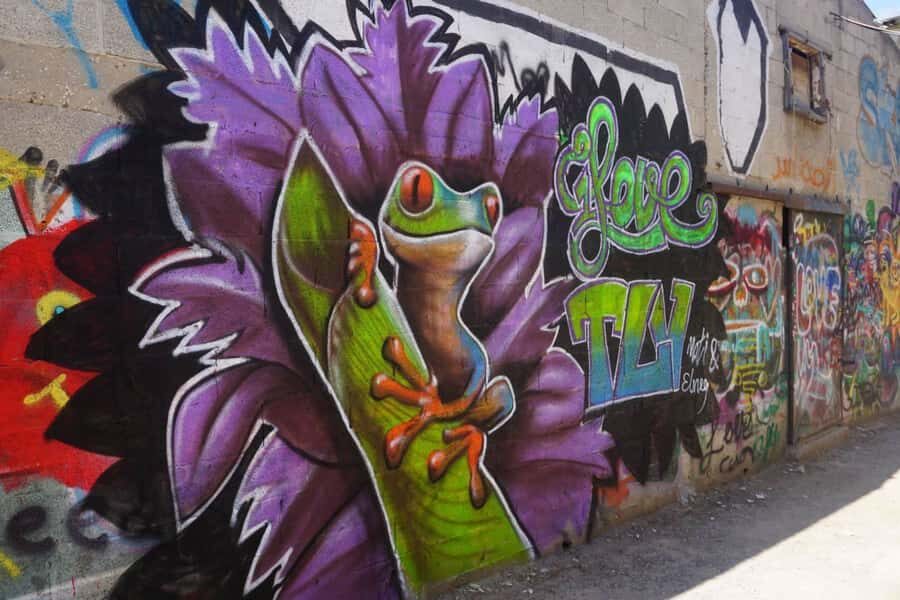
- Two route choices: Florentine for street texture, or Ha’Mesila Park for a different urban pace and setting
- More than pictures: you’ll hear about street art from philosophical, psychological, and economic angles
- Style recognition helps fast: you’ll learn how to read different graffiti approaches and changing trends
- Artists and personalities matter: the guide explains the different artists active in this scene and how they work
- A guide who pays attention to the group: language support in English and Hebrew keeps everyone in sync
- Comfortable for motion: it’s a mostly walking tour across streets and alleyways (bring comfy shoes)
Why Tel Aviv street art hits differently
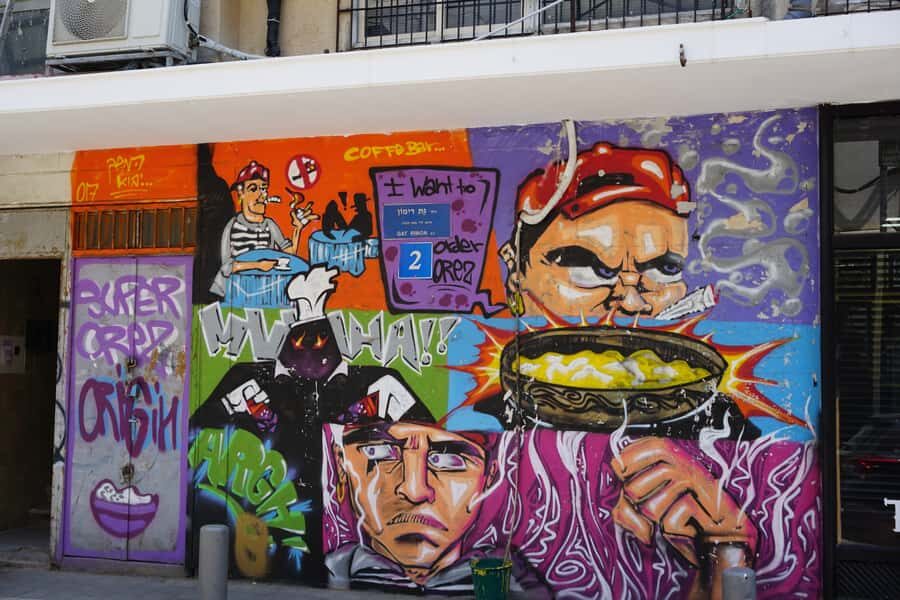
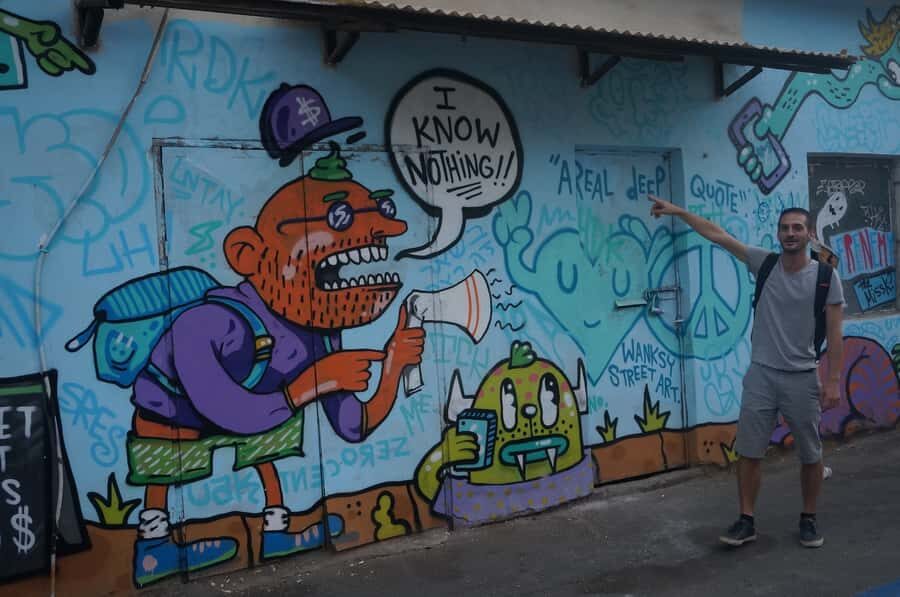
Tel Aviv is one of those places where you can’t separate art from daily life. Graffiti doesn’t just sit on a wall like a museum piece. It talks back to the street: it reflects local humor, local tension, and the constant push-pull between visibility and control.
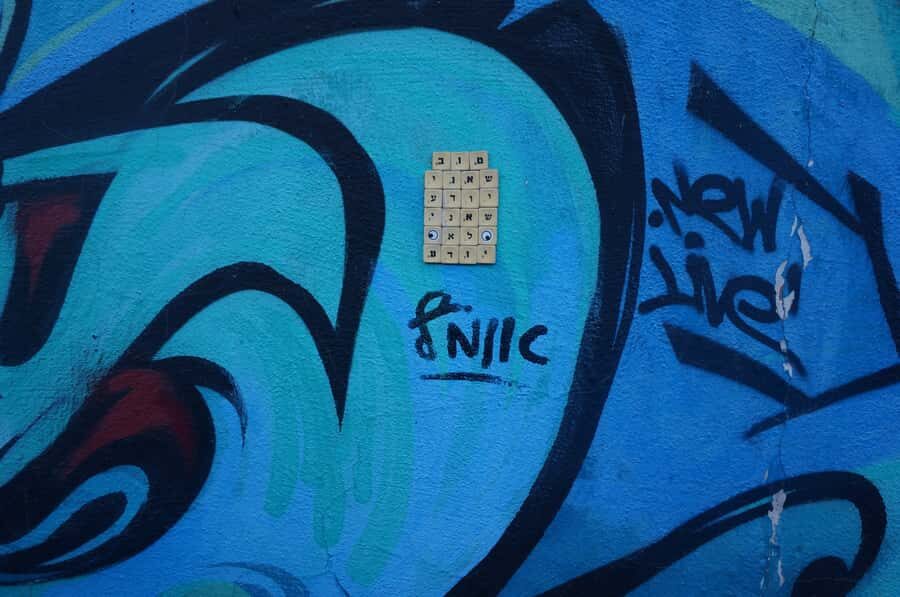
That’s why this tour feels like more than a wall tour. You’re not just collecting images. You’re learning a street vocabulary: tags, lettering styles, layered marks, and the shift between planned-looking artwork and faster graffiti gestures. Once you understand that basic language, the city gets easier to read.
The best part is that the tour balances “what you see” with “why it happens.” The guide covers the history of graffiti and then moves into bigger themes like philosophy, psychology, and economics. In other words, you leave with a framework, not just a photo set.
A few more Tel Aviv tours and experiences worth a look



Florentine vs Ha’Mesila Park: choosing your route
You get two route options, and the difference is more than geography.
Florentine neighborhood route
Florentine is often the kind of area where street art feels dense and close. You’re likely to spend more time in streets and alleyways where you can spot layers: newer graffiti over older marks, and different styles living side by side. If you enjoy that “turn a corner and something new appears” feeling, this is the route that matches.
A plus: Florentine works well if you like the idea of street art as part of a living neighborhood, not just a destination. If you’re curious how local artists shape the look and mood of a place, you’ll probably connect with this route quickly.
Ha’Mesila Park route
Ha’Mesila Park offers a different vibe. Even though you’re still in a city art setting, the flow may feel less like a narrow alley sprint and more like a guided walk through a public outdoor space. If you want a slightly calmer pace while still getting the street art education, this route can be a good fit.
Potential drawback for some: if you’re the type who loves the tight, wall-to-wall feel of dense street grids, a park setting may feel a bit more open. You still get graffiti and street art context, but the “compressed” atmosphere is likely less intense than Florentine.
How to decide
Pick the route that matches your mood:
- Choose Florentine if you like tight streets, layers, and lots of wall surfaces.
- Choose Ha’Mesila Park if you want the same street art conversation with a more open walking feel.
Either way, you’ll be guided by a local English-speaking guide (with Hebrew also used by the guide), and you’ll learn how to interpret different styles and what’s driving the scene.



What you’ll learn as you walk the streets
This is not a generic “look at that mural” stroll. The tour is built around learning how street art works as a system.
Graffiti history, but connected to today
You’ll get a history of graffiti, then you’ll see how that past still matters. The point isn’t trivia. It’s to help you understand why graffiti keeps changing form and why certain styles spread.
Philosophical, psychological, and economic angles
This is the part that can surprise people in a good way. You’ll talk about how graffiti can connect to identity, perception, and social meaning. You’ll also touch on the economic side—how street art fits into city culture, and why it can gain attention and value outside the street itself.
If you’ve ever wondered whether graffiti is purely vandalism, purely art, or something in between, this tour gives you language to think it through. You don’t have to agree with any one view. You just learn why the arguments exist.
Learning the language of the streets
You’ll learn to recognize differences in styles and approaches. That matters because street art can look like chaos until you have a few anchors. After the tour, many people find the city’s walls feel more “readable,” even when you’re on your own.
How the guide makes it click: artists, styles, and real street life
A huge reason people rate this tour so highly is the guide’s ability to translate street art into human terms.
In one experience, the guide held back his own street identity until a stop where he could show an original. That kind of trust moment matters: it adds weight to the conversation and helps you see graffiti as something made by real people with real motivations, not just anonymous scribbles.
And language support is a real skill here. One participant who only spoke English was included fully, with the guide making sure she understood what others were discussing. That’s a big deal in tours like this, because street art talk can move fast when you’re learning new terms and references.
What you’ll probably feel from the guide:
- Humor and warmth during explanation, not stiff lecture mode
- A focus on how different artists operate inside the scene
- Clear guidance on what to look for as you move from street to street
Also, since the tour is offered in English and Hebrew, you’re not stuck feeling left out. Even if the group includes Hebrew speakers, the guide keeps the pacing and explanations accessible.
The walk experience: timing, what to expect at each stage, and photo reality
You’ll be out for about 90 minutes to 2 hours, and the format is straightforward: walk, stop, look, talk, repeat.
Start and orientation
The tour begins with a meeting point that can vary depending on which option you book. Once everyone’s together, expect a fast orientation to the “language” you’ll use while you walk. This is where you’ll likely get a quick set of cues—how to spot style differences and how to think about meaning.
Mid-tour stops: where the explanation meets the wall
The heart of the tour is the stops in streets and alleyways where street art is visible in public space. You’ll connect what you’re seeing to the broader themes you heard earlier—how styles develop, how artists work, and how public space turns into a canvas.
Practical tip: don’t let your phone get in the way of listening. If you want photos, take them in a short burst and then step back to let the guide finish the explanation. The best moments are often the ones you understand, not just the ones you capture.
The wrap-up
Near the end, you’ll usually get a final thread tying the scene together—how graffiti changes over time and why the city keeps producing new work. After that, you’ll likely start spotting details on your own, even if you don’t know every style yet.
Price and value: is $58 worth it?
At $58 per person for about 90 minutes to two hours, you’re paying for a guided learning experience, not just access to walls. The included cost is a local English-speaking guide, and that guide does the heavy lifting: translation, context, and interpretation.
Here’s why that matters for value:
- You’re getting context (history + psychology + philosophy + economics), which you won’t get from a self-guided photo walk.
- You’re learning recognition skills—how to tell styles apart and what they often communicate.
- You’re seeing a real scene on foot, through the routes offered, rather than guessing where to look.
If you’re the type who enjoys art but gets bored with vague tours, this likely feels worth it. If you only want photos and don’t care about interpretation, you might feel the cost is high for what you get. For most people who like cities and culture, the guided angle is the value.
Who this tour is best for
This tour is a strong fit if you:
- Like street art and want to understand it beyond aesthetics
- Enjoy walking city neighborhoods and learning how people use public space
- Want a culture explanation that covers both art and human behavior (not only visuals)
It also works well if you’re traveling with teens or mixed-age groups. One review described how adults stayed engaged while jet lag didn’t stop teens from spotting new details even after the tour. That’s usually a sign the guide’s explanations are clear and the route gives you enough visual variety to keep attention.
If you’re expecting an art gallery format with a lot of indoor viewing, adjust your expectations. This is an outdoors, street-level experience.
Small practical notes that make a difference
A few things can affect how smooth your tour feels:
- Wear comfy shoes. The experience is mainly streets and alleyways, and you’ll be on your feet.
- Plan for weather. Since it’s outdoors, bring a light layer or rain protection if needed.
- Check the minimum group size. The tour is subject to a minimum of 6 participants, so some dates may change.
- Bring curiosity, not just questions. The tour teaches you how to interpret, so even if you start unsure, the framework helps.
And if you need flexibility, this tour is offered with reserve now & pay later, plus free cancellation up to 24 hours in advance. That’s useful when you’re juggling a busy Tel Aviv schedule.
Should you book this Tel Aviv street art tour?
If you like street art and you want to understand it in a thoughtful way, I’d book it. The combination of guided interpretation, route choice (Florentine or Ha’Mesila Park), and a guide who keeps the group engaged in English (with Hebrew also supported) makes it a solid use of time.
Skip it only if you’re looking for a pure photo scavenger hunt or a museum-like experience with a quiet interior setting. This is about conversation and walking, with walls as the textbook.
If you’re in Tel Aviv for a short time, this tour is a practical way to get oriented fast: you leave with a way to read the city, not just memories of what you saw.
FAQ
How long is the Tel Aviv street art and graffiti tour?
The tour lasts 90 minutes to 2 hours, depending on starting time and availability.
Where do I meet the guide?
The meeting point may vary depending on the option you book.
Which routes are available?
You can choose between the Florentine neighborhood route or the Ha’Mesila Park route.
What is included in the price?
The price includes a local English-speaking guide.
Is food or drinks included?
No. Food and drinks are not included.
Do I need to speak Hebrew?
No. The guide provides the tour in English (and Hebrew is also used), and the experience is designed so English-speaking participants can follow along.
Is there a minimum group size?
Yes. The tour is subject to a minimum of 6 participants.
Is the tour wheelchair accessible?
Yes, it is listed as wheelchair accessible.