REVIEW · TEL AVIV
Tel Aviv Street Art & Graffiti Tour
Book on Viator →Operated by Be Tel Aviv tours · Bookable on Viator
Graffiti here reads like a living newspaper. I love how this street-art walking format pulls you out of museum mode and onto the actual streets, and I love the way a local guide connects what you see to the artists and the city around them. You also spend time in neighborhoods most people skip, especially Florentine.
One thing to plan for: it is still a walking tour. If you’re heat-sensitive or don’t love busy streets, pick the morning departure when you can.
In This Review
- Quick highlights
- Tel Aviv Street Art: Why This Looks Different From a Museum
- Price and Timing: Getting Real Value From $78
- Florentine: The Graffiti Hub and the Art Language You’ll Start to See
- What to watch for (without overthinking it)
- A small drawback to consider
- Nachalat Binyamin Pedestrian Mall: When Street Art Becomes an Open-Air Gallery
- The Ottoman Rail Route and the Newly Opened Park: Old Meets New Tel Aviv
- Why this matters for your experience
- How the Guides Teach You to Look Around: Stories, Politics, and Signature Work
- What to Expect on the Walk (and How to Plan Your Day)
- Who This Tel Aviv Graffiti Tour Is For (and Who Should Skip It)
- Should You Book the Tel Aviv Street Art & Graffiti Tour?
- FAQ
- How long is the Tel Aviv Street Art & Graffiti Tour?
- Where does the tour go?
- What time does the tour start?
- Is there any admission fee for the stops?
- Does the tour include hotel pickup?
- Is the ticket mobile?
- What group size should I expect?
- Can children join the tour?
- Is the meeting point near public transportation?
- Is free cancellation available?
Quick highlights
- Two creative areas: Florentine and Nachalat Binyamin Pedestrian Mall
- Graffiti with context: meanings, motivations, and the way artists sign their work
- Old pieces plus fresh work: you’ll see examples from different eras, including very recent additions
- Hidden corners and side streets: you get the alleys and back routes, not just the main drag
- A modern route with history nearby: the area along the Ottoman rail line and a recently opened park
- Small group size: capped at 25 people, so you’re not lost in the crowd
Tel Aviv Street Art: Why This Looks Different From a Museum
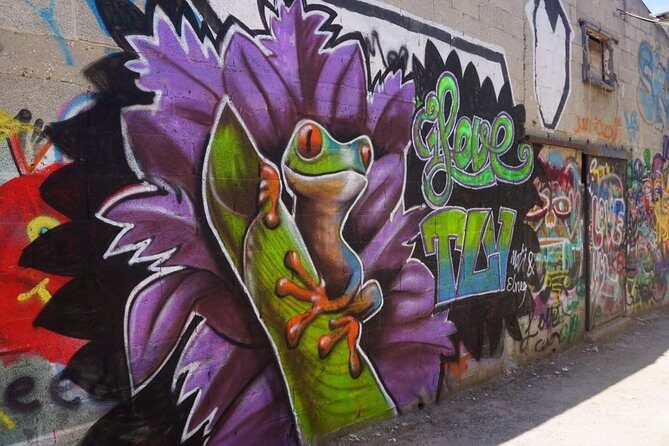
Tel Aviv street art doesn’t sit politely behind glass. It’s public, reactive, and made for the way the city actually moves—slow some days, loud others, always changing.
This tour is built for that. Instead of treating graffiti as decoration, your guide frames it as communication: art that’s personal, political, and local at the same time. You’ll get a way to look up, not just at buildings, but at what’s being said on them.
And the neighborhoods matter. Florentine is described as one of the top ten hipster neighborhoods in the world, which tells you what kind of street-life you’re walking into. Then you head to Nachalat Binyamin, where the art feels like an open-air show.
A few more Tel Aviv tours and experiences worth a look



Price and Timing: Getting Real Value From $78

At $78 per person for about 90 minutes, you’re paying for expert interpretation and time-saving routing. Street art is easy to miss when you’re moving fast or sticking to the obvious sights. A guide helps you notice what you’d normally walk past, and it’s the difference between seeing walls and understanding them.
You also get flexibility. The tour offers morning and evening departures, so you can match it to your day. If you want photos without harsh sun and fewer people in the streets, morning often makes life easier. If your schedule fits better later, go for the evening option and just dress for night-walking comfort.
Practical notes that affect your day:
- You won’t have hotel pickup, so you’ll want to plan a simple meetup near public transportation.
- It’s free to enter what you’re viewing, since the stops list admission ticket free.
- It’s capped at 25 travelers, which helps the guide keep the pace friendly.
Florentine: The Graffiti Hub and the Art Language You’ll Start to See
Florentine is the headline act, and it lives up to it. This area is treated as the center of Tel Aviv graffiti, so expect a high density of murals, tags, and works that feel like they belong to the street scene more than the gallery world.
What I like about starting here is momentum. In the first stretch, you begin learning the basics of how street artists “speak.” Your guide explains the meanings behind the pieces, plus the small craft details—especially artist signatures. Once you understand the signing style and the logic behind it, you can start spotting connections even before your guide points them out.
Guides on this tour have real-world street credentials in their stories. Names like Dina and Ari come up for a reason: they’re described as engaged, story-driven, and good at tying the artwork back to Tel Aviv life. Some guides are also graffiti artists themselves, which is where the explanation of signing methods and artist choices tends to feel extra grounded.
What to watch for (without overthinking it)
- Look for repeated symbols or lettering patterns that act like an identity system.
- Notice how different walls carry different tones: playful, critical, personal, sometimes political.
- Pay attention to location and layering. New work often reacts to what was already there.
A small drawback to consider
Florentine is active, and the tour is walking. If you prefer very quiet, slow sightseeing, pick your departure time carefully and wear shoes you trust.




Nachalat Binyamin Pedestrian Mall: When Street Art Becomes an Open-Air Gallery
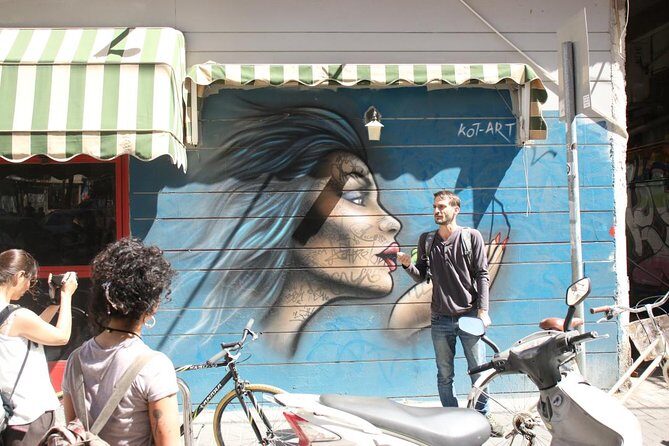
After Florentine, the tone shifts to a more pedestrian-friendly setting at Nachalat Binyamin Pedestrian Mall. This stop is described as an open-air street-art gallery, which matters because it changes how you experience art.
In an open-air setting, you tend to slow down naturally. You’re not threading alleys at full walking speed; you’re soaking in a concentrated art zone. Your guide uses the space to point out how styles fit together and how different artists use the same kind of public canvas for different messages.
This is also where the tour helps you see street art as a living scene, not a single “masterpiece” moment. You’ll hear how the meanings behind pieces can shift depending on the city context—who’s nearby, what’s changing in the neighborhood, and what the artwork is reacting to.
The Ottoman Rail Route and the Newly Opened Park: Old Meets New Tel Aviv
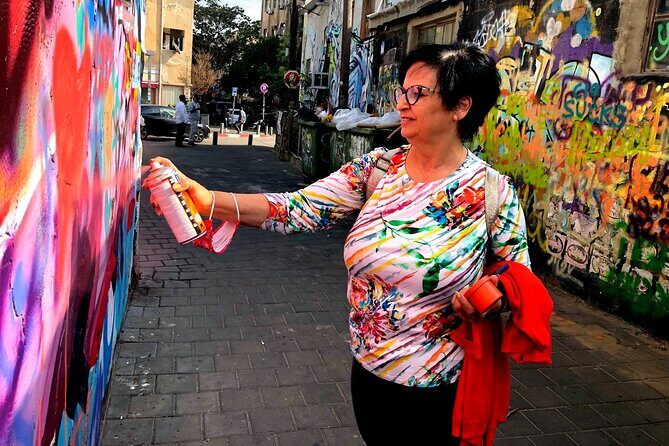
One of the most interesting parts of this tour is that Florentine comes back again, but with a different lens. The route includes the area along the ancient Ottoman rail, and it also references a recently opened park.
That pairing is smart. It makes the point that street art isn’t frozen in time. You walk through an area shaped by older infrastructure, then you see how the current city uses walls and public spaces to reflect present-day change.
The tour also explicitly connects graffiti that lay hidden for years with the newer urban renewal happening around it. That means you may see works that feel like they’ve been “waiting” to be noticed—either uncovered by change in the neighborhood or revealed through the way public space gets redeveloped.
And yes, the topic of gentrification comes up. You’ll hear how renewal can change the audience for street art—who sees it, what the art symbolizes over time, and how the neighborhood identity shifts.
Why this matters for your experience
It turns street art from a visual hobby into a timeline. You stop asking only what a piece looks like, and you start asking what era it belongs to, what it resisted, what it reacted to, and what it represents now.
How the Guides Teach You to Look Around: Stories, Politics, and Signature Work
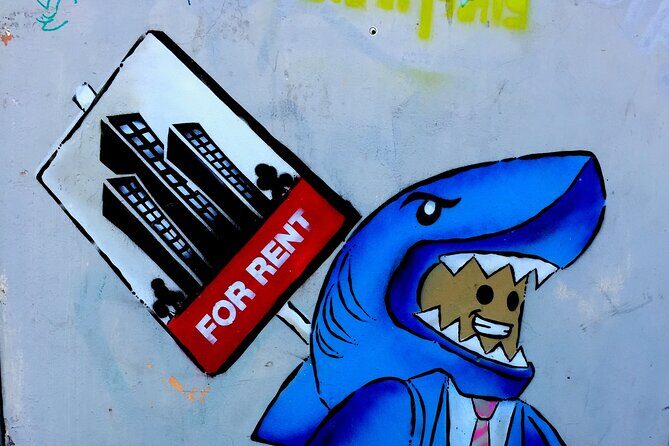
A big reason this tour earns top marks is the way guides explain what you’re seeing. Names like Alef, Efrat, Yan, Roey, Orel, and Roni show up across the guide team, and the pattern is consistent: people come away feeling like they can read street art differently.
Here’s what I’d treat as the core teaching style of the tour:
- The meaning behind pieces comes first, then the visual details.
- The artists’ motivations get translated into plain language.
- You learn to identify signatures and understand why artists repeat certain marks.
- You connect political or sociological themes to the wall itself, not just theory.
Some guides are praised for bringing very up-to-date references, even pointing out street art that’s appeared within the last few days. That’s useful because street art changes fast. After you learn the system, you start spotting new work in real time, even after the tour ends.
And the best part: the vibe tends to be friendly and human. Guides are described as enthusiastic and considerate, with a sense of humor that makes the information easier to carry. It doesn’t feel like a lecture. It feels like street-level conversation with a strong point of view.
What to Expect on the Walk (and How to Plan Your Day)
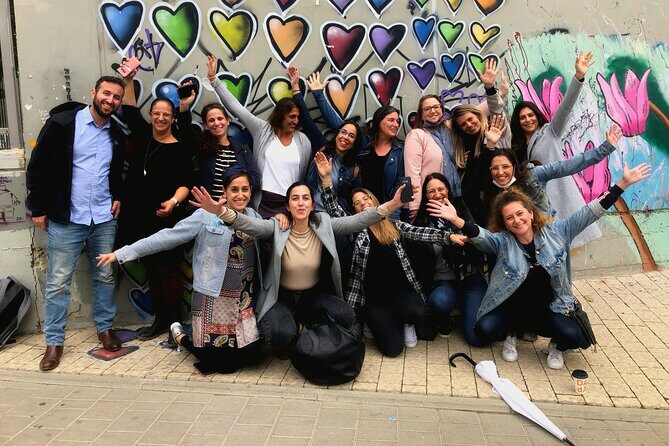
Expect a guided walk through side streets and alleys that are off the tourist trail. That’s part of the value. You’re not paying to do the same loop everyone does at the same pace.
In a 90-minute format, the guide keeps things moving, but you’ll still get time to stop and actually look. The tour is built around two main areas—so you’re not constantly relocating across the entire city.
To make it comfortable:
- Wear shoes made for uneven sidewalks and quick turns.
- If you’re going in summer, aim earlier in the day. One practical tip from the experience is to go in the morning before heat and crowds show up.
- Bring a light layer if you’re walking near the late-day option.
And keep your camera ready, but don’t spend the entire tour behind it. The goal is to understand the art while you’re there.
Who This Tel Aviv Graffiti Tour Is For (and Who Should Skip It)
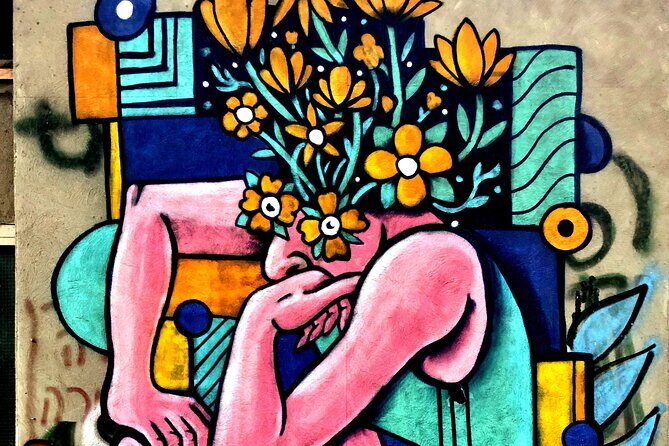
This tour is a strong fit if you want an authentic, street-level view of Tel Aviv culture. It works especially well if you like neighborhoods, walking, and stories that connect art to real life.
It also fits families in a simple way: children can join as long as they’re accompanied by an adult. The tour lists no health restrictions, and most travelers can participate, but the core activity is still walking—so be honest about your own mobility comfort.
If you only want famous landmarks and you prefer structured indoor sightseeing, this may not be your best match. This is about interpretation and atmosphere in the streets.
Should You Book the Tel Aviv Street Art & Graffiti Tour?
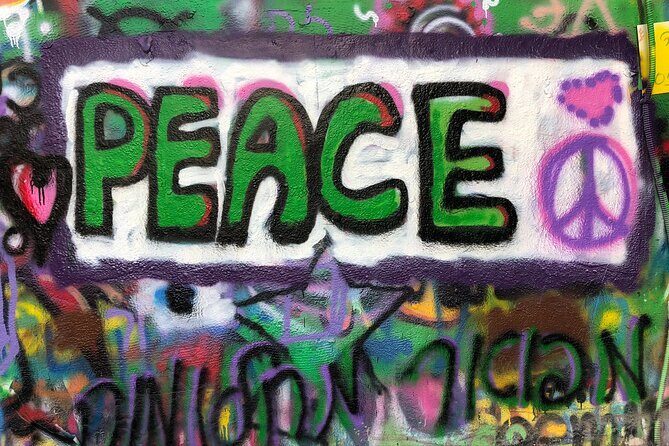
Yes, if you want a Tel Aviv experience that feels current and local. For $78, you’re getting a focused 90-minute walk with a professional guide who helps you read graffiti beyond surface level. You’ll visit two key creative areas—Florentine and Nachalat Binyamin—and you’ll also get the extra meaning of the Ottoman rail route and the newly opened park connection.
Book it particularly if you like:
- learning the stories behind what you see
- walking off the main tourist route
- seeing how old layers and new changes coexist on the same streets
Consider the timing before you book. Choose morning if heat and crowds bother you, or evening if that matches your day better. Either way, you’ll come away with the habit of looking up and noticing what’s actually being said on the walls.
FAQ
How long is the Tel Aviv Street Art & Graffiti Tour?
It lasts about 1 hour 30 minutes.
Where does the tour go?
The tour includes Florentine and Nachalat Binyamin Pedestrian Mall, plus additional time in Florentine along the route near the ancient Ottoman rail and a recently opened park.
What time does the tour start?
The start time shown is 12:00 pm, and you can choose morning or evening departure times.
Is there any admission fee for the stops?
Admission is listed as free for the stops.
Does the tour include hotel pickup?
No, hotel pickup and drop-off are not included.
Is the ticket mobile?
Yes, you get a mobile ticket.
What group size should I expect?
The tour has a maximum of 25 travelers.
Can children join the tour?
Yes, children must be accompanied by an adult.
Is the meeting point near public transportation?
Yes, the meeting point is near public transportation.
Is free cancellation available?
Yes. You can cancel up to 24 hours in advance for a full refund.