REVIEW · JERUSALEM
Jerusalem Old City & Mount Zion Day Tour
Book on Viator →Operated by Bein Harim Ltd · Bookable on Viator
Jerusalem hits you fast. This tour eases you in with a 10:00 am start and a full day of major sights without the early-morning grind. I like the way the plan mixes big viewpoints with grounded walking time inside the Old City, plus the group stays small (up to 40).
Two standouts: you get guide-led context across Christian and Jewish quarters, and you’ll cover the big names of the Holy Land in one go, from Mount Scopus views down to the Western Wall. A key consideration: you still need solid stamina and attention to practical details like where the van meets you and what you wear, since holy-site dress rules matter.
In This Review
- Key Tour Highlights You’ll Actually Feel
- How the Late-Start Format Changes the Whole Day
- Mount Scopus: Your Jerusalem Orientation Moment
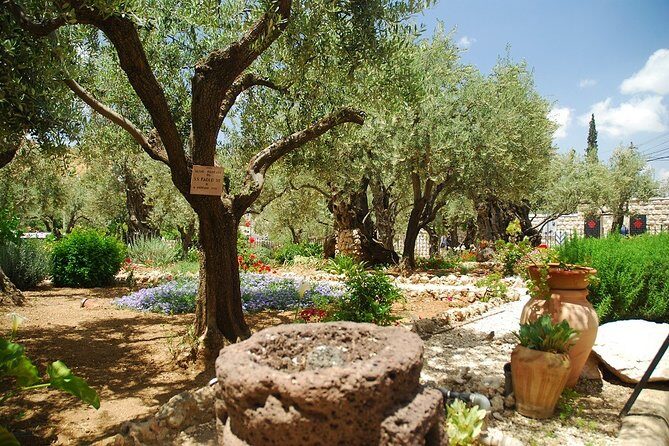
- Gethsemane Garden: A Short Stop with Big Atmosphere
- Old City of Jerusalem: The 4-Hour Walk That Matters
- Jewish Quarter and the Cardo: Ancient City Lines Still Visible
- Western Wall: One of the Most Powerful Stops on the Circuit
- Via Dolorosa Stations: Faith Walks in a Tight Time Window
- Church of the Holy Sepulchre: Time Is Short, Meaning Is Not
- The Cenacle (Room of the Last Supper) and King David’s Tomb
- Guides Matter: The Difference Between a Visit and a Meaningful Day
- Value and Price: When $70 Feels Like a Fair Deal
- What to Wear and Bring for a Smooth Holy-Site Day
- Getting In and Out: Meeting Point, Ending Point, and Timing
- Who This Tour Fits Best (And Who Might Want Something Else)
- Should You Book This Jerusalem Day Tour?
- FAQ
- How long is the Jerusalem Old City and Mount Zion day tour?
- What time does the tour start?
- Where do I meet the tour?
- Where does the tour end?
- Is admission covered for the stops?
- Does the tour include food and drinks?
- Is hotel pick-up or drop-off included?
- What’s the group size limit?
- What dress code do I need for holy sites?
- Is it refundable if I cancel?
Key Tour Highlights You’ll Actually Feel
- Late start means better energy for the day, especially if you’re arriving from travel or sleeping in
- Mount Scopus panoramas give you instant orientation before you step into the Old City maze
- Old City time on foot (about 4 hours total in the walled Old City) helps you connect the places, not just rush past them
- Multiple major sites in one circuit, including Gethsemane, the Western Wall, Via Dolorosa areas, and the Church of the Holy Sepulchre
- Small-group format (max 40) keeps things more manageable than huge bus groups
- Air-conditioned vehicle + professional guide keeps the day moving smoothly while you’re out exploring on foot
How the Late-Start Format Changes the Whole Day
Starting at 10:00 am changes your Jerusalem day more than you’d think. With the usual early tours, you’re often running on leftover sleep and jet lag. Here, you can eat, shower, and get ready at a normal pace, then head out when the city is already fully awake.
The tour is also designed for shared comfort. You travel in an air-conditioned vehicle with a professional guide and entrance fees covered. It’s a smart combo in Jerusalem, where travel time can stretch and ticket lines can eat up your daylight.
One small practical note: the tour ends at a light rail station, not back at your hotel. That’s convenient for getting around, but it means you should plan your evening transport accordingly.
You can also read our reviews of more city tours in Jerusalem



Mount Scopus: Your Jerusalem Orientation Moment
You start with Mount Scopus, where you get panoramic views overlooking Jerusalem. This stop is only about 30 minutes, but it’s the kind of time that makes the rest of the day click.
When you can see the city from above, the Old City’s walls and the general geography become easier to understand. It’s a quick way to get oriented before you enter areas where streets twist and scale feels different up close.
This is also a good moment to take photos without the Old City crowds. Keep your phone handy—you’ll use that “I recognize that” feeling later when you’re walking among different quarters.
Gethsemane Garden: A Short Stop with Big Atmosphere
Next up is the Garden of Gethsemane, about 20 minutes. It’s a brief visit, so you won’t have time for a slow, private prayer session. What you will get is a guided introduction and a chance to stand in one of the most visited biblical-era gardens in Jerusalem.
Even with the short timing, I like this stop because it grounds the rest of the day. After Mount Scopus, you’re moving from “seeing Jerusalem” to “stepping into the story of Jerusalem.”
Tip: go in ready for walking and for a bit of quiet patience. Holy sites like this can involve lines, respectful behavior, and steady foot traffic.
Old City of Jerusalem: The 4-Hour Walk That Matters
The core experience is your time in the Old City, where you’ll spend about 4 hours walking. This is where you’ll feel Jerusalem’s layered identity—Jewish, Christian, and historical influences packed into a compact set of streets.
This portion is valuable because you don’t just pop into one site. You get enough time to connect areas together and to experience the rhythm of the Old City: narrow passages, sudden openings to courtyards, and the constant presence of different faith practices.
One caution: this isn’t a “stand in front of a sign and move on” tour. You’ll want comfortable walking shoes because cobblestones and uneven surfaces are part of the deal.
If you get overwhelmed in busy places, give yourself small breaks—step aside, drink water, and let the crowd wave move past before continuing.
Jewish Quarter and the Cardo: Ancient City Lines Still Visible
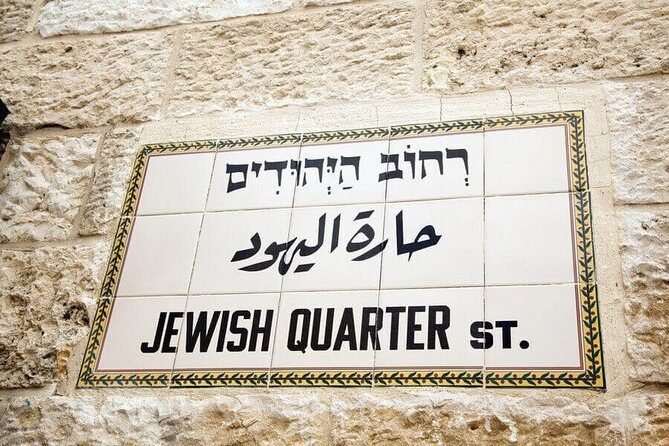
After settling into the Old City, you’ll visit the Jewish Quarter (about 30 minutes). This time is a good length for absorbing atmosphere without burning your whole day here.
Then you’ll continue to the Byzantine Cardo (about 20 minutes). Even though it’s a short stop, it’s the kind of place where a guide can help you picture what daily life might have looked like when this area functioned as a central street.
Why it’s worth it: the Cardo is one of those spots that turns “Old City sightseeing” into “Old City understanding.” You get a visual reminder that this city wasn’t built for photo stops alone—it was built for people moving through trade, daily routine, and community life.



Western Wall: One of the Most Powerful Stops on the Circuit
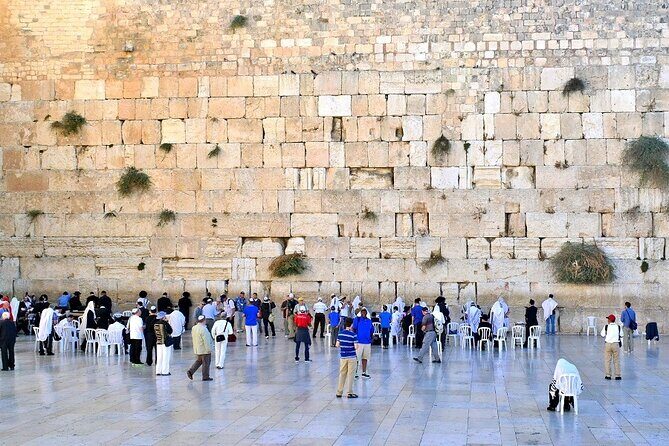
The Western Wall is next (about 20 minutes). Expect a very different feel from the quieter corners of the Old City. The Wall is a living, active religious space, and your timing here is long enough to see the Wall up close and to observe respectful rituals.
You’ll get the most out of this stop if you treat it as a moment of presence, not a checklist item. Take a breath, notice the soundscape, and keep in mind you’re entering a sacred area where behavior matters.
If you prefer less crowds, arriving as part of a guided schedule can help. You’re not fully in control of timing inside the Old City, but you’ll be guided through in a way that tries to keep the flow steady.
Via Dolorosa Stations: Faith Walks in a Tight Time Window
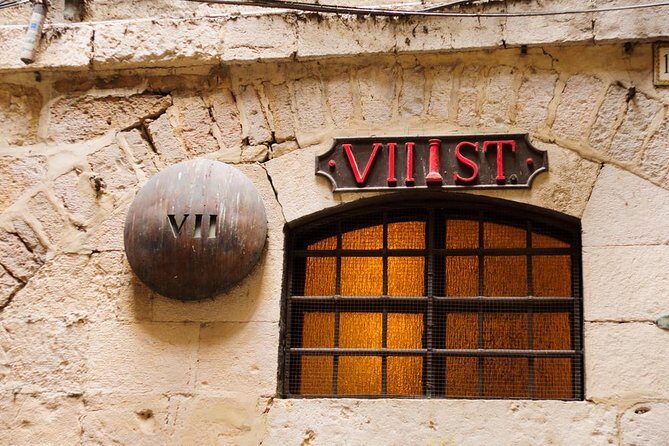
You’ll visit part of the Way of the Cross (Via Dolorosa), about 30 minutes. This isn’t a full walk from start to finish in one sitting, but it gives you a meaningful slice of the Stations of the Cross area.
The value here is context. A good guide helps you understand what you’re looking at and why the stations are significant in Christian tradition. Without that, it can feel like a string of small stops in a crowded passage.
One practical reality: the streets can be congested, and even when your scheduled stop is short, you may spend time waiting or moving slowly. Wear patience with your shoes.
Church of the Holy Sepulchre: Time Is Short, Meaning Is Not
Then comes the Church of the Holy Sepulchre (about 30 minutes). This is one of Jerusalem’s biggest and most complex sites, with multiple devotional points under one roof.
Because of that complexity, 30 minutes can feel both quick and full. You’ll have enough time to see the main areas your guide focuses on, but not enough time to linger deeply in every corner.
The best move: listen to your guide’s orientation before you go in, then choose a few “must-see” points mentally. If you try to absorb everything at once, the building can overwhelm you.
Also: expect crowds. This is a very popular site, and it works best if you keep your pace steady and your expectations realistic.
The Cenacle (Room of the Last Supper) and King David’s Tomb
You’ll finish with two biblical-era stops.
First is the Cenacle / Room of the Last Supper (about 20 minutes). This is a short visit, but it helps complete the Christian story arc after the earlier Old City and Holy Sepulchre time.
Then you’ll visit King David’s Tomb (about 20 minutes). Like the Cenacle, the short timing is designed to keep the full day moving while still giving you a structured visit to a major historic and religious site.
These final stops are the kind of capstone moments that help your day feel connected. You’re not just seeing Jerusalem’s highlights—you’re stepping through key places tied to foundational narratives.
Guides Matter: The Difference Between a Visit and a Meaningful Day
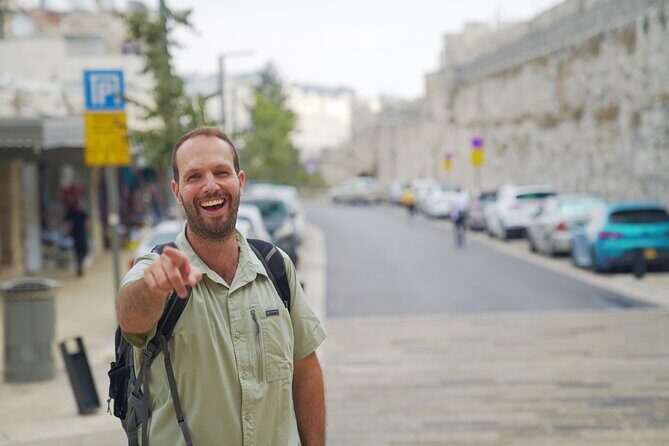
A big reason this tour works for many people is the human piece: the guide. Names you might encounter—Yoav Malachi, Hava, Eithan Amitai, and Avi—are associated with a style that focuses on organized timing, clear explanations, and respectful handling of sites tied to different faiths.
That mix matters because Jerusalem can be confusing fast. The Old City is not laid out like a museum floor. A guide who explains what you’re looking at before you see it helps you get your bearings faster and makes short stops feel more worthwhile.
If you care about context—why a place matters, how it fits into the city’s layers—this tour format is built for you.
Value and Price: When $70 Feels Like a Fair Deal
At $70 per person, the value depends on what you’d otherwise do.
What you’re getting for the price:
- Air-conditioned vehicle
- Professional guide
- Entrance fees included
- Mobile ticket
- A long day with multiple major stops and built-in logistics for a group
What you don’t get:
- Food and drinks
- Hotel pick-up/drop-off (you start at the meeting point and end at the light rail station)
So you’re paying for guided routing and entrance coverage while you handle your own meals. In Jerusalem, entrance fees and transportation time add up quickly. If you planned to do these sites on your own with taxis or multiple individual tickets, the day could cost more—and feel more stressful.
For me, the big value is the pacing: a late start, structured coverage of the most famous sites, and a guide to connect the dots.
What to Wear and Bring for a Smooth Holy-Site Day
You’ll need modest dress for holy sites, with covered knees and shoulders. This isn’t optional, and it can slow you down if you show up unprepared.
Pack basics that help you enjoy the day rather than suffer through it:
- Comfortable walking shoes (non-negotiable)
- A layer for changing conditions (Jerusalem can feel different across morning and afternoon)
- Something simple for your hands/arms if you’re short on coverage
- Water and snacks for your own comfort, since food isn’t included
Getting In and Out: Meeting Point, Ending Point, and Timing
You meet at the Grand Court Hotel Jerusalem (St George St 15) at 10:00 am. The tour ends at a Giv’at Hamivtar Light Rail Station.
That setup works well if you’re comfortable using public transit, since the ending point gives you an easy path to head back to your area. It’s not ideal if you need to be dropped precisely at your hotel, since hotel pick-up and drop-off are not included.
If you’re the type who hates last-minute confusion, arrive a little early to get your bearings at the meeting spot. Also, keep your confirmation details accessible on your phone—this tour uses a mobile ticket.
Who This Tour Fits Best (And Who Might Want Something Else)
This tour is a strong choice if you want:
- A single-day “best of Jerusalem” overview
- A late start (so you’re not dragging yourself out at sunrise)
- Guided explanations across major faith sites
- A manageable group size (max 40)
It may be less ideal if you:
- Have very limited walking ability, since you’ll spend substantial time on foot
- Prefer long, unhurried visits where you can wander freely without a schedule
- Want full hotel door-to-door convenience, since pick-up/drop-off isn’t part of the deal
The tour also notes it’s not suitable for children under age 4, so plan accordingly for families.
Should You Book This Jerusalem Day Tour?
If you want a guided overview of Jerusalem’s headline sites without an early start, this tour is a practical fit. The combination of late timing, entrance fees included, and a professional guide helps you see a lot without turning the day into logistics homework.
Before you book, do two things: plan your modest dress in advance, and make sure you’re comfortable ending your day at a light rail station. If those fit your style, you’re set up for a meaningful day that covers the city’s key moments in a way that feels organized rather than chaotic.
FAQ
How long is the Jerusalem Old City and Mount Zion day tour?
It runs about 7 to 8 hours.
What time does the tour start?
The start time is 10:00 am.
Where do I meet the tour?
You meet at Grand Court Hotel Jerusalem, St George St 15.
Where does the tour end?
The tour ends at Giv’at Hamivtar Light Rail Station.
Is admission covered for the stops?
Yes. Entrance fees are included.
Does the tour include food and drinks?
No. Food and drinks are not included.
Is hotel pick-up or drop-off included?
No. Hotel pick-up & drop-off are not included.
What’s the group size limit?
The tour has a maximum of 40 travelers.
What dress code do I need for holy sites?
You need modest dress, with covered knees and shoulders.
Is it refundable if I cancel?
Yes, you can cancel for a full refund if you cancel up to 24 hours in advance of the experience start time.