REVIEW · JERUSALEM
Day Trip to the Dead Sea Valley with GaryTheGuide
Book on Viator →Operated by GaryTheGuide · Bookable on Viator
Dead Sea floating is weird—in the best way. This private half- or full-day outing in Israel mixes saltwater “weightlessness” with big, high-drama sites like Masada and Jericho, plus calm, story-driven guiding from GaryTheGuide. I like how the day feels built around your interests, not a rigid script.
What I really like is the combination of comfort and control: you get air-conditioned door-to-door pickup and drop-off, and you can choose how you want to tackle Masada (on foot or via cable car). The only drawback to keep in mind is that the itinerary can include walking and some ticketed attractions, and not everything is covered—lunch and site fees are not included.
In This Review
- What Makes GaryTheGuide’s Dead Sea Valley Tour Worth the Money
- A Private, Customizable Route Through Israel’s “Why Here?” Spots
- Kalia Beach: The Dead Sea at the Lowest Spot on Earth
- Masada National Park: Cable Car or Climb Into the Drama
- Ein Gedi: Desert Springs, Waterfalls, and a Real Nature Break
- Qumran National Park: Dead Sea Scrolls and the Idea of Purity
- Qasr al-Yahud: Standing at a Jordan River Baptismal Setting
- Jericho: Ancient Layers, Bible-Era Sites, and a Mosaic Moment
- How Long Is the Tour, Really? Half-Day vs Full-Day Planning
- Value Check: What $730 Gets You (and What to Budget for)
- Who This Tour Fits Best (and Who Might Want Something Else)
- Should You Book GaryTheGuide’s Dead Sea Valley Tour?
- FAQ
- Is this a private tour?
- How many hours does the tour last?
- Where does pickup and drop-off happen?
- What is included in the price?
- Are entrance fees included?
- Is lunch included?
- What can we expect at Kalia Beach?
- How do you visit Masada?
- What if the weather is bad?
What Makes GaryTheGuide’s Dead Sea Valley Tour Worth the Money
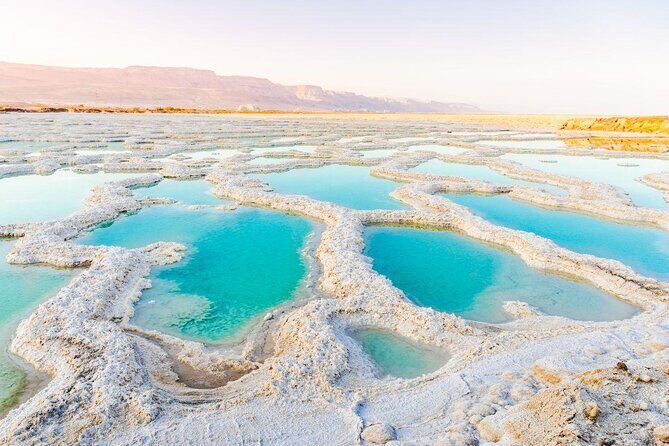
This is one of those trips where the price makes more sense once you picture the logistics. You’re not just “visiting Dead Sea.” You’re covering a whole cluster of places—lowest point beach time, desert nature, ancient archaeology, and Bible-era sites—while riding in an air-conditioned vehicle with a guide who can explain what you’re looking at in plain language.
The private format also matters. It’s priced per group (up to 6), so you can share the cost with a small group of friends or family and still get a true 1–to–1 experience. If your group has mixed ages or different fitness levels, Gary’s approach is built for it: calm, organized, and able to adjust the day when people have different expectations.
A Private, Customizable Route Through Israel’s “Why Here?” Spots
The core promise here is flexibility. The itinerary is designed as a customizable framework, so the order and stop emphasis can match your schedule and interests. If you’re more archaeology than wellness, you can lean harder into places like Qumran. If you want nature breaks, Ein Gedi gives you springs and waterfalls in the desert.
That’s also where Gary’s guiding style shows up in a practical way. He’s not only focused on dates and facts. He shares context about modern life in Israel alongside the ancient material, including behind-the-scenes perspectives that help the places feel real instead of like museum stops.
A few more Jerusalem tours and experiences worth a look
Kalia Beach: The Dead Sea at the Lowest Spot on Earth
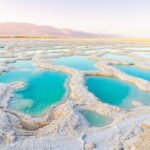
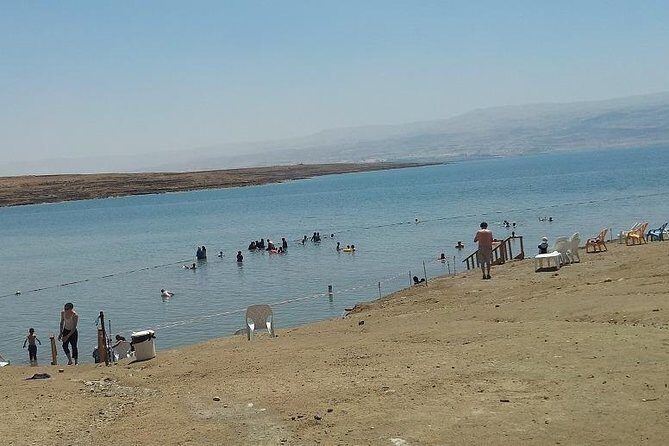
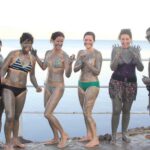
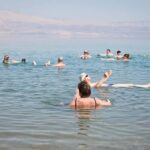
Kalia Beach is the headline moment for many people, and it lives up to the billing. Here, you’ll stand at the lowest point on earth and then wade into water that’s so mineral-rich you can float and feel almost weightless. It’s a physical experience, not just sightseeing—your body gets the message fast.
You also get the option to add fun extras that fit a short stop without turning it into a theme park day: you can ride a camel, drink at the lowest bar on earth, and browse shops that sell Dead Sea items like salts, mud, and dates. The stop is about 1 hour, and the admission ticket isn’t included.
Two practical notes for your planning:
- Kalia Beach is time-limited. If you want lots of time in the water, treat that hour as the window.
- This is also where you’ll feel the “wellness” angle most strongly, since the experience is framed around how the mineral water and mud can leave your skin feeling soft and relaxed.
Masada National Park: Cable Car or Climb Into the Drama
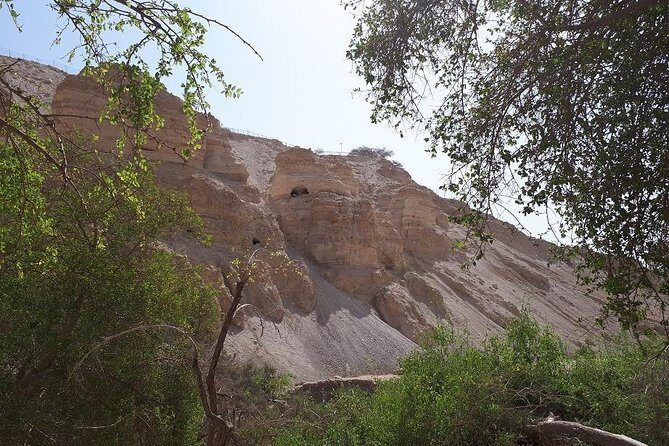
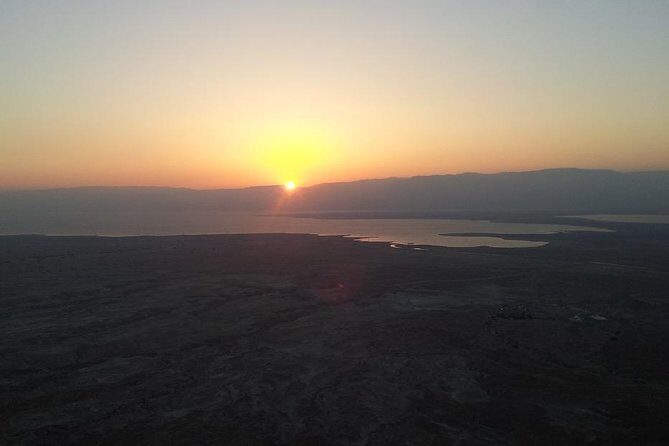
Masada is the kind of site where you can feel the stakes in the setting. It’s a high mountain with steep cliffs and unusually preserved archaeology, and it spans more than 2,000 years of story—starting with King Herod and continuing through later eras, even into the 20th century.
You’ll have about 3 hours here, and the big choice is how you get up:
- You can go by foot, which turns it into a workout and a slow build of views.
- Or you can use the cable car if you want to save energy for exploring once you’re there.
The guide part is where Masada becomes more than a viewpoint. You’ll talk through how Masada’s meaning has changed over time—history, spirituality, even big-picture questions like politics and international relations. The views are a major reason people come, but the discussion is what makes it stick.
Ein Gedi: Desert Springs, Waterfalls, and a Real Nature Break
Ein Gedi is where the day shifts from stone and salt to water and greenery. Two natural springs meet in the Judean hills and create the lush oasis in the Judean Desert. In about 1 hour, you can do a short walk to reach waterfalls and dip your feet, or you can choose to wade in closer to the falls themselves.
If your group includes people who need a “reset” moment, Ein Gedi is ideal. It breaks up the intensity of Masada and the archaeology focus of Qumran, and it gives you a chance to feel how people managed life in a harsh environment.
The admission for this stop is listed as free, which helps keep your day costs more predictable. Longer hikes are possible here too, with routes that connect to ancient temples, pools, and caves tied to biblical stories—just know that extra walking isn’t required if you’re keeping the day shorter.
Qumran National Park: Dead Sea Scrolls and the Idea of Purity
Qumran is one of those places where the ruins feel like they’re arranged for you to ask questions. The site points to a desert community that lived by ideas of purity, comradeship, study, and text—especially tied to how they used water from the river bed in a place where water is scarce.
This is also where the Dead Sea Scrolls enter the conversation. The tour frames it in a simple way: the scrolls were found around here, and that discovery shaped modern understanding of the texts. Walking through the remains helps you visualize how people survived and worked in the desert, not just the final “artifact moment.”
You’ll get about 1 hour, and admission isn’t included here. If you care about the religious and historical side of the region, this stop is one of the best “connect the dots” pieces of the entire day.

Qasr al-Yahud: Standing at a Jordan River Baptismal Setting
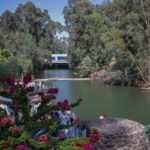
Qasr al-Yahud is shorter—about 30 minutes—but it’s designed for a clear, grounded sense of place. The Jordan here is described as a slow, meandering river with plants and greenery, especially compared with the stark desert around it.
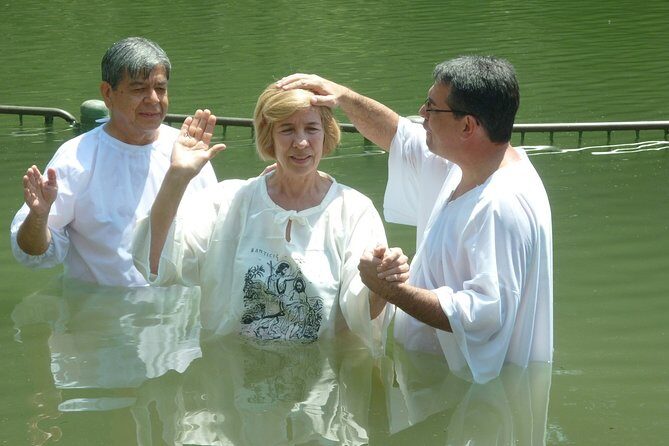
The guide explains the biblical connections tied to names like John the Baptist and Joshua. You can go into the same water for a closer look, and you’ll see people coming to be baptized on both the Israeli and Jordanian sides.
Because the stop is brief, it works best if you treat it as an in-and-out moment: enough time to look closely, hear the meaning, and then keep moving.
Jericho: Ancient Layers, Bible-Era Sites, and a Mosaic Moment
Jericho is the “old city” feeling turned up. The tour includes archaeological exploration connected to very early agricultural history—plus a 9000-year-old tower and a chance to see what’s associated with the walls.
You’ll also visit a standout visual element: a mosaic floor from a palace dating to the Umayad period (about 1300 years old). Even if mosaics aren’t your main interest, seeing that kind of craftsmanship in place adds weight to the story.
The guide ties Jericho to the Bible (including connections around Jesus) and also to modern politics. That blend is part of what makes Jericho feel current rather than purely historical. The stop is about 2 hours, and admission is listed as free.
How Long Is the Tour, Really? Half-Day vs Full-Day Planning
The published duration is 5 to 10 hours, which is wide on purpose. Think of it as a menu: half-day versions might focus on the most time-sensitive highlights (often Dead Sea + one or two key stops), while full-day versions fit in a deeper sequence that can include the nature, scrolls, Jordan-side site, and Jericho.
A smart way to plan is to decide your “must do” first:
- If floating is your priority, you anchor the day around Kalia Beach.
- If you want the most iconic viewpoint and history, you make room for Masada.
- If your group likes walking and nature, build in Ein Gedi even if it makes the day longer.
If you’re short on time, the flexibility of a private tour is exactly what you want—less time wasted and more time where it matters to you.
Value Check: What $730 Gets You (and What to Budget for)
Price is $730 per group (up to 6). That’s how you should evaluate it: you’re paying for a private guided day, not per person, plus the logistics of moving between multiple major sites with door-to-door transfers.
What’s included:
- Air-conditioned vehicle
- Full guiding at all sites
- Pickup and drop-off from either Jerusalem or Tel Aviv
- Mobile ticket
What’s not included:
- All fees and taxes (this matters because some stops explicitly list admission as not included)
- Lunch
So for budgeting, treat the listed price as the “guide + transport” portion, then add on site admissions where required. The good news is that some stops are listed as free—Ein Gedi, Qasr al-Yahud, and Jericho—so not every part of the day will add extra ticket cost.
Also, keep in mind that the tour requires good weather. If weather conditions aren’t right, you should expect the operator to offer a different date or a full refund.
Who This Tour Fits Best (and Who Might Want Something Else)
This is a great choice if you want:
- A private day with a guide who can explain both ancient context and modern realities
- A “best of the Dead Sea valley” mix—saltwater float, desert history, and a nature stop
- A day that can bend to your interests rather than forcing you into a single agenda
It’s especially good for small groups. If you’re traveling with family, friends, or a mixed set of ages and fitness levels, the guide’s ability to stay calm and adjust pacing is a big plus.
It may be less ideal if:
- Your schedule is very tight and you don’t have flexibility for half-day vs full-day options
- You strongly prefer everything to be fully included on one price ticket (since site fees and lunch are not included)
Should You Book GaryTheGuide’s Dead Sea Valley Tour?
If you’re trying to make the most of a first—or only—visit to the Dead Sea region, I’d book it. The value comes from the combination: you get major sites in one day with a guide who can keep the stories clear and relevant, and you’re not stuck dealing with transportation between far-flung stops.
The key decision is how you want to handle Masada and how you’ll budget for admissions and lunch. If you’re okay planning a bit for extra costs and you’re fine with some walking options, this private route is a strong way to see the Dead Sea valley without turning your trip into a logistics chore. And yes, Gary’s sense of humor has been known to show up—plus he’s a fan of the Chicago Cubs, which is a fun detail when a guide feels like a real person, not a robot with a microphone.
FAQ
Is this a private tour?
Yes. This is a private tour/activity, and only your group participates (up to 6).
How many hours does the tour last?
It runs about 5 to 10 hours depending on your chosen half-day or full-day plan.
Where does pickup and drop-off happen?
Pickup and drop-off are offered from either Jerusalem or Tel Aviv.
What is included in the price?
The tour includes an air-conditioned vehicle and full guiding at all sites, plus a mobile ticket.
Are entrance fees included?
Not all fees are included. The tour lists all fees and taxes as not included. Also, some stops specify admission is not included (like Kalia Beach, Masada, and Qumran), while others are listed as free (Ein Gedi, Qasr al-Yahud, Jericho).
Is lunch included?
No. Lunch is not included.
What can we expect at Kalia Beach?
You’ll stand at the lowest spot on Earth and wade in the Dead Sea waters where you can float. You’ll also have options like camel riding, a drink at the lowest bar on Earth, and shops selling Dead Sea products.
How do you visit Masada?
You can go up on foot or take the cable car, depending on how you prefer to handle the climb.
What if the weather is bad?
The experience requires good weather. If it’s canceled due to poor weather, you’ll be offered a different date or a full refund.