REVIEW · JERUSALEM
From Tel Aviv: City of David & Underground Jerusalem Tour
Book on GetYourGuide →Operated by Bein Harim Israel Tours · Bookable on GetYourGuide
Jerusalem’s layers are under your feet. This full-day City of David tour stitches together jaw-dropping views, key biblical sites, and the kind of hands-on archaeology you usually only see on TV. I love the way you go from the Kidron Valley viewpoints down into the exposed remains of ancient Jerusalem, and I love that the highlight isn’t just a monument stop—it’s the ongoing excavations plus a visit to the Tomb of King David. One watch-out: this is an all-day plan with real walking and lots of steps, so your legs should be ready.
You’ll start with convenient Tel Aviv pickup and an air-conditioned coach ride, guided in English by a professional who keeps the story moving. If your goal is to understand how Jerusalem grew, changed hands, and got rebuilt over and over, this tour is a strong fit. If you want a slow pace with lots of breathing space, you may find the schedule tight.
In This Review
- Key moments that make this tour worth your time
- City of David: why this part of Jerusalem hits differently
- Tel Aviv departure and the “11 hours” reality check
- Temple Mount-area viewpoints, Kidron Valley stops, and Mount of Olives context
- Zion Gate into the Old City: Tomb of King David and a careful walk through layers
- The Cardo: Byzantine main street and the feeling of “being on the road”
- Hezekiah’s wall foundations, Jewish Quarter remains, mosaics, and a mikveh
- Western Wall (Kotel): a brief stop that still lands
- Leaving the Old City through the Dung Gate and heading to City of David excavations
- Walking, steps, and pacing: how to make the day feel manageable
- Price and value: what you pay for at $99
- Who this tour is best for (and who should skip it)
- Should you book this City of David & Underground Jerusalem Tour?
- FAQ
- How long is the City of David & Underground Jerusalem Tour?
- How much walking is included?
- Is this tour suitable for wheelchair users?
- Are entry fees included in the price?
- Is food and drink included?
- What language is the tour guide speaking?
- What is the cancellation policy?
Key moments that make this tour worth your time
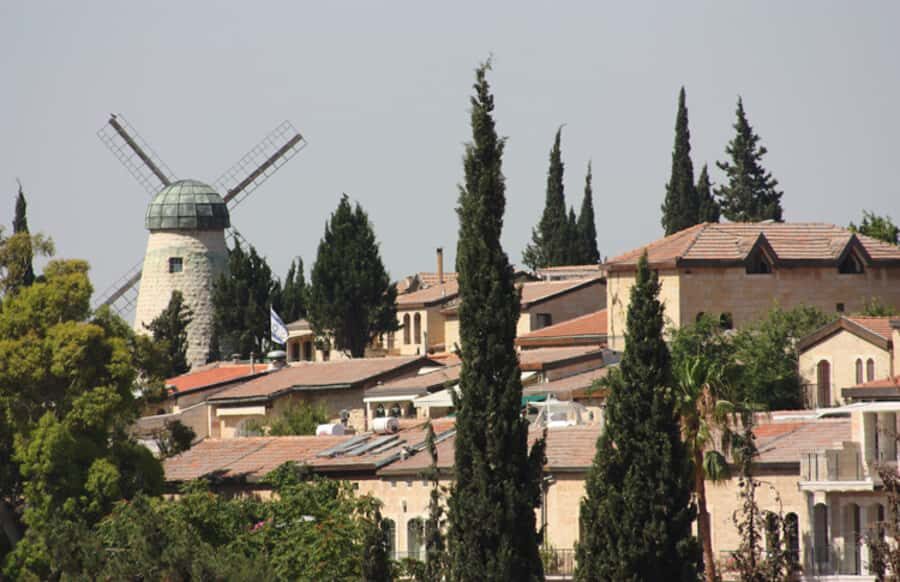
- City of David excavations still in progress: you’re seeing history you can visit now, not just artifacts behind glass
- Temple Mount-area views into the old city basin, then a scenic run along the Kidron Valley
- Tomb of King David on Mount Zion, plus the walk through the Old City via the Zion Gate
- Cardo street segments and restored Sephardi synagogues that show how the Old City was used in different eras
- Hezekiah-era wall foundations, plus mikveh and mosaic floors in a layered complex beneath the surface
- A brief Kotel (Western Wall) stop to place a note between the stones
City of David: why this part of Jerusalem hits differently
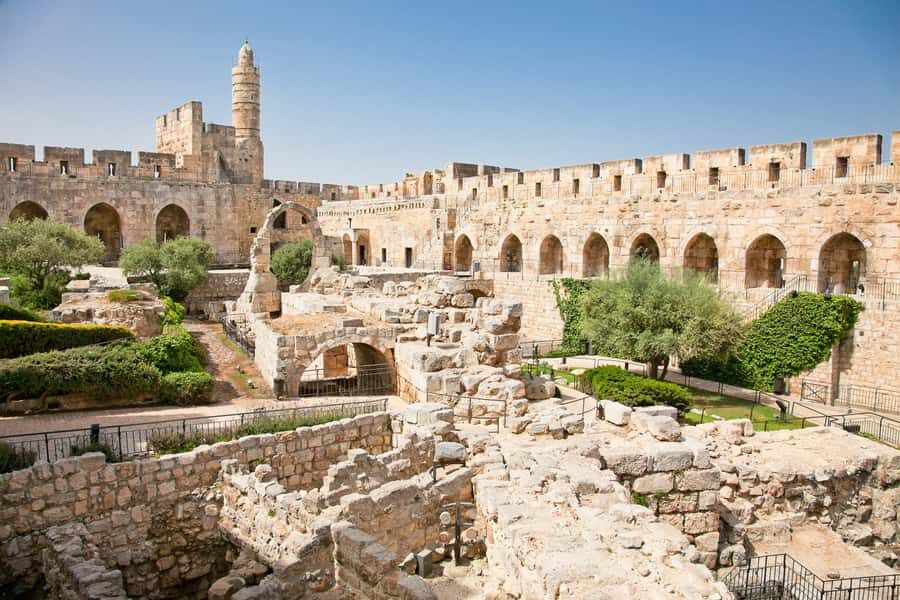
Most Jerusalem sightseeing funnels you toward the big, obvious icons. This tour gives you something else: the feeling of standing inside a multi-layer timeline. The City of David area is where the ground itself tells the story—because the excavations are still continuing, and you can actually see major structural remnants laid out in front of you.
That matters, because it changes how you read the city. Instead of treating Jerusalem as a list of places, you start noticing patterns: where major roads ran, how water systems were managed, and how communities expanded and adapted. You also get a clear sense of why archaeologists keep returning here—there’s enough buried material to keep re-writing what we understand.
You can also read our reviews of more city tours in Jerusalem



Tel Aviv departure and the “11 hours” reality check
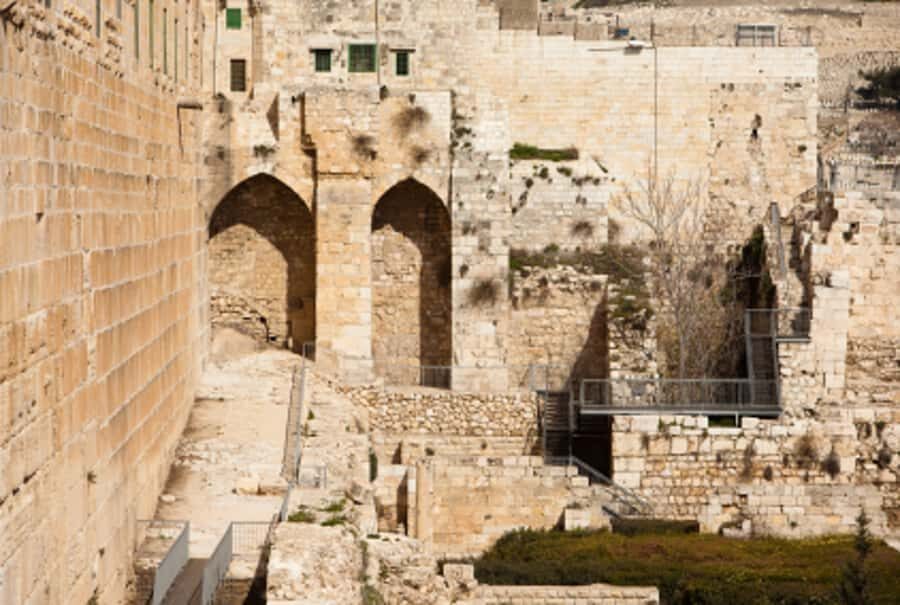
This is an 11-hour day, and it’s built around a full circle: leaving Tel Aviv, driving into Jerusalem, then moving through several major sites plus the Old City approach and exit. The tour includes transport by air-conditioned coach with pickup and drop-off, which is a real convenience if you don’t want to coordinate taxis or multiple buses.
Still, plan your energy like an all-day outing. The itinerary includes about 3 hours of walking, and the day also includes stair climbing, descending, and uneven terrain. Even if you only count “walking” time on paper, your legs will feel it. If you have knee or heart concerns, take that seriously—this isn’t a gentle stroll.
Temple Mount-area viewpoints, Kidron Valley stops, and Mount of Olives context
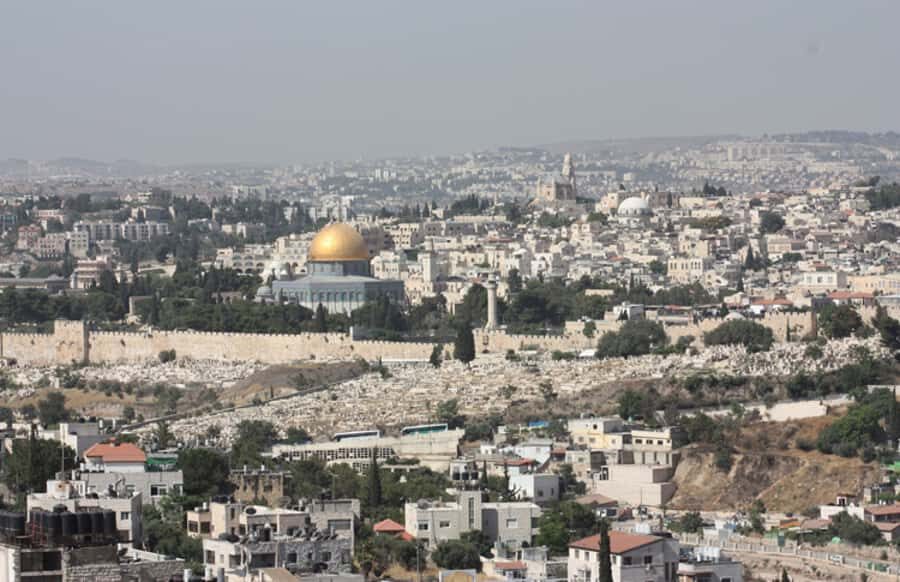
The morning starts with one of the most effective setups on the day: a view from the Temple Mount area. From there, you drive along the Kidron Valley toward the Zion Gate. The payoff is the perspective—Jerusalem looks different when you can see the slopes and valleys that connect so many religious and historical locations.
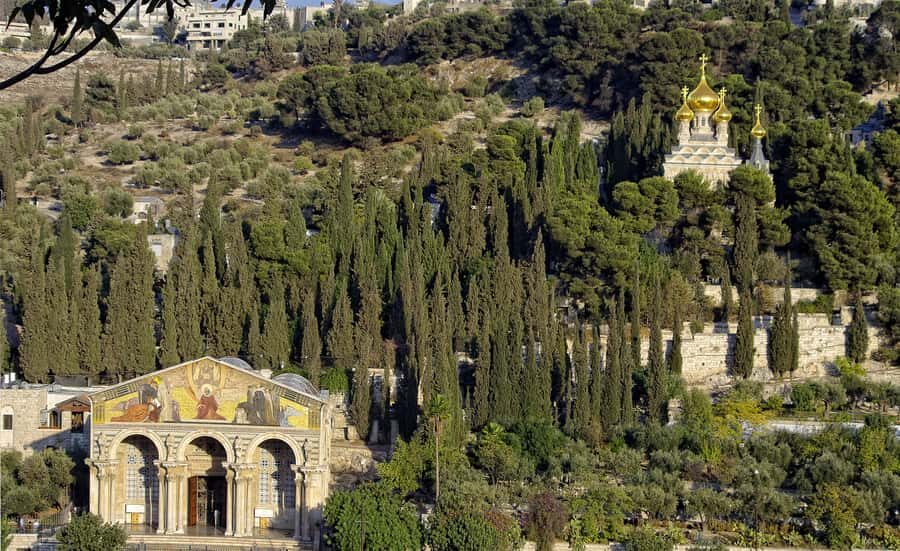
Along the route, you get views toward the Jewish cemetery and Mount Olives. You also pass specific traditional and historical points at the base area, including burial tombs known as Yad Avshalom and Beni Hazir, and another associated with Zechariah. You’ll also see the Garden of Gethsemane area and the Church of All Nations from this broader viewpoint route.
Why this section works: it frames the day so later stops make more sense. When you know where you are looking and why certain landmarks sit where they do, the City of David sites aren’t just scattered highlights—they feel connected.
Zion Gate into the Old City: Tomb of King David and a careful walk through layers
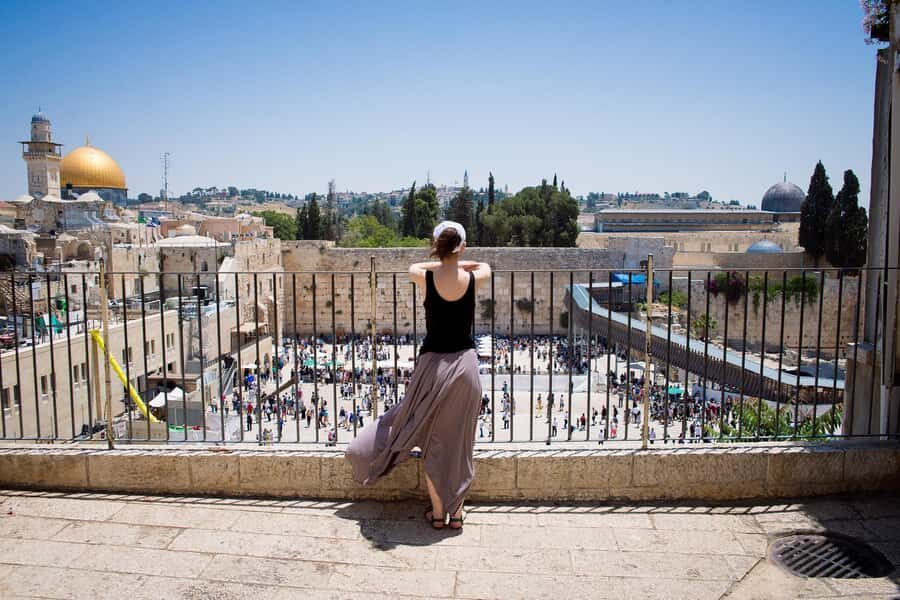
On Mount Zion, you stop at the Tomb of King David. It’s one of those places where people often take a quick photo and move on. On a good guided tour, you’ll get more than a postcard stop: you’ll learn how the area fits into the larger story of where power and devotion shifted over time.
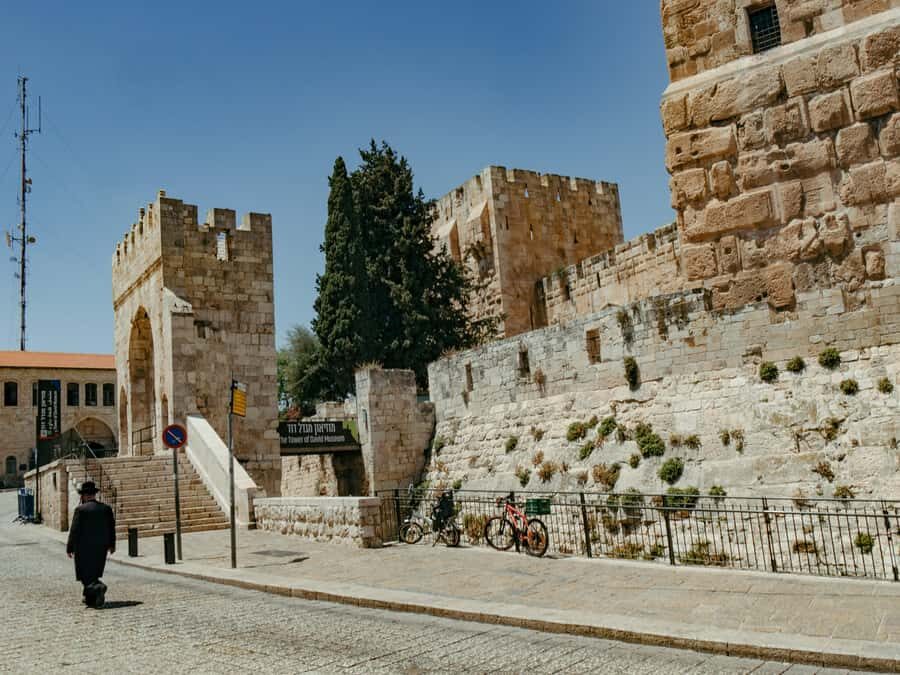
Then you enter the Old City through the Zion Gate and head toward the Cardo. Here’s a detail you’ll appreciate because it’s specific: you’ll stop at four restored Sephardi synagogues from the 17th and early 18th centuries. During a period when the Old City was under Jordanian rule, those synagogues were used to house animals. That kind of fact can feel bleak, but it’s also valuable—it shows how living spaces get repurposed when history turns, and how communities rebuild.
The Cardo: Byzantine main street and the feeling of “being on the road”

The tour continues through the excavated Cardo—described as the main street from the Byzantine period. You’re not just hearing that there was a street. You’re walking along a segment of it, seeing the exposed remains that suggest the city’s movement and activity.
This is the kind of stop that turns a lot of Jerusalem explanations from vague to concrete. The Cardo is where you can picture daily life: foot traffic, commerce, and the sheer practicality of building a city around major routes.
A small practical note: this part can involve uneven ground and navigating around excavation areas. Wear shoes you trust.



Hezekiah’s wall foundations, Jewish Quarter remains, mosaics, and a mikveh
Next comes a high-impact shift—from street-level remains into something more “interior,” more lived-in. In the Jewish Quarter area, you’ll marvel at excavated and exposed foundations tied to the 2700-year-old wall of biblical Jerusalem built by King Hezekiah. It’s not the wall you expect from textbook diagrams. It’s the wall as a physical anchor in the earth.
Then you descend a few meters to reach a complex of homes connected to roughly a 2000-year-old setting, including original mosaic floors and a mikveh. The mosaics matter because they show taste and daily routine, not just defensive engineering. And the mikveh adds another layer: it points to how religious practice shaped space even in ordinary residential life.
If you’re the kind of traveler who likes to see how people actually lived—food, rooms, routines—this is one of the most satisfying sections of the entire day.
Western Wall (Kotel): a brief stop that still lands
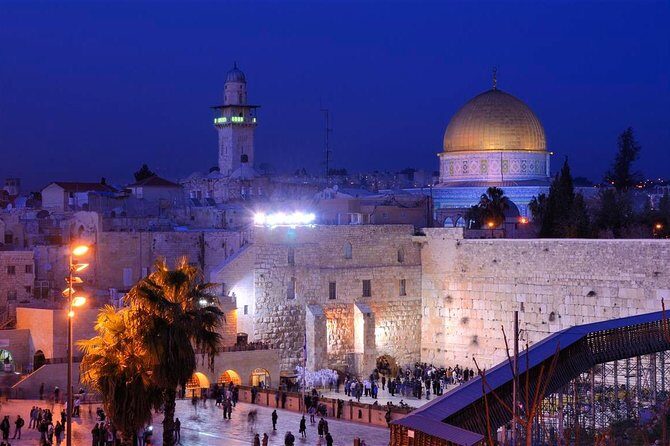
The tour includes a brief stop at the Western Wall, also called the Kotel. You’ll have time to place a note between the stones.
Because the stop is short, don’t count on hanging around to chat, reflect at length, or wander through side areas. Treat it as a meaningful checkpoint, then get back to the guide’s pacing. If you want a longer Kotel visit, you can pair it with extra time on your own later.
Leaving the Old City through the Dung Gate and heading to City of David excavations
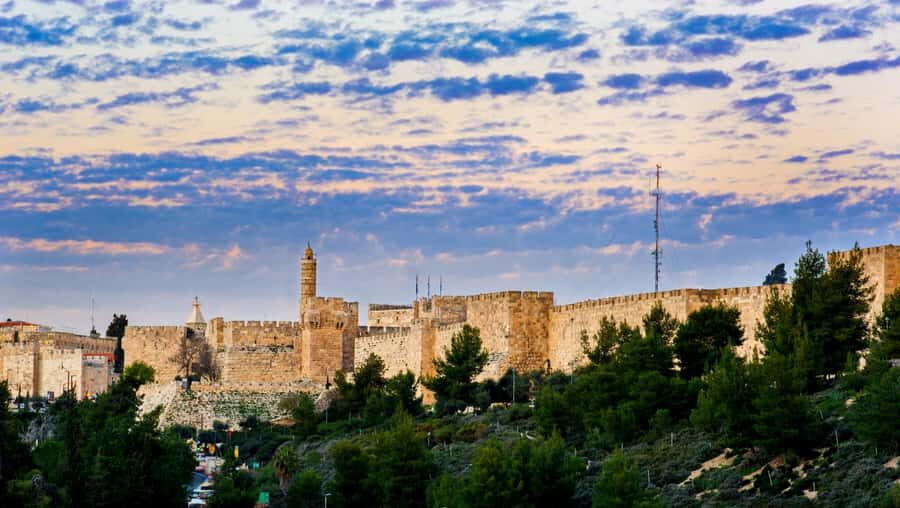
After the Old City section, you leave through the Dung Gate. This is a useful transition because it shifts you from the dense sightseeing inside the Old City into the broader City of David excavation area—where the day’s main “under-the-ground” focus becomes the center stage.
Then you visit the remarkable excavations of the City of David, an area tied to ancient Jerusalem going back roughly 3000 years. This is the part that many people remember most, not because it’s flashy, but because it feels real. You can look at what’s exposed and understand that the story is ongoing—archaeology is still moving, still refining.
If you’ve ever felt that historical tours give you facts but not meaning, this segment is where meaning shows up. It helps you connect the route you just followed with the physical city that shaped it.
Walking, steps, and pacing: how to make the day feel manageable
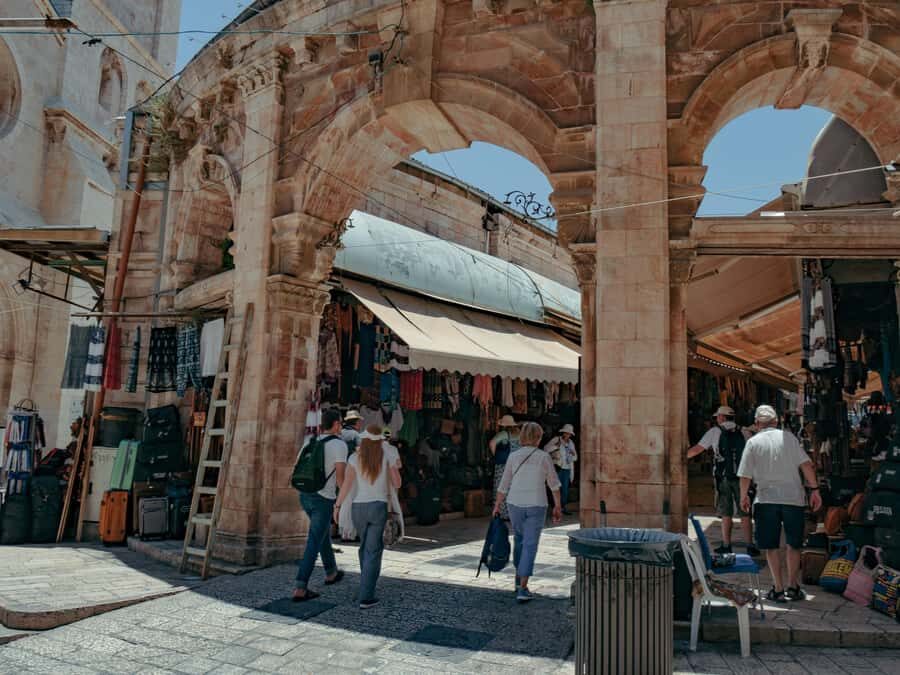
The tour description includes 3 hours of walking, but the day includes more than that in practice: stairs, climbs, and descents. Multiple people experienced the pace as brisk, which is common on packed, high-demand routes. If you need to pause often, go in with a plan: pace yourself from the start and use the moments when the group stops.
Also, don’t ignore footwear. You’re dealing with uneven surfaces in Old City and excavation areas. Bring grippy shoes. If you’re sensitive to steps, consider taking it slower than everyone else and let the guide know you may need slightly more time in certain spots.
One optional thing you might hear about on the day is the possibility of walking through the Hezekiah water tunnel (some tours offer it, depending on timing and conditions). If it’s presented, ask your guide what footwear and clothing they recommend so you’re not improvising in the moment.
Price and value: what you pay for at $99
At about $99 per person, you’re paying for three big things: a professional English-speaking guide, air-conditioned coach transport with pickup/drop-off, and a full-day route that would be annoying to assemble on your own.
What isn’t included matters for budgeting:
- Entry fees (you’ll need to cover these separately)
- Food and drink
So the true cost is a little more than the headline number once you add meals and any site fees. Still, the value stays strong if you want an organized structure and you’d rather not spend your day figuring out transport between Tel Aviv and several Jerusalem neighborhoods plus excavation areas.
There can also be small extra local transport needs depending on the day’s route and timing, so it’s smart to carry a bit of cash and double-check what’s covered once you have the final pickup details. That keeps you from getting stuck when you’re already hot, thirsty, and short on patience.
Who this tour is best for (and who should skip it)
This is a great fit if you want a guided, story-led day focused on archaeology and the City of David area. It’s especially good for you if:
- you like seeing how cities physically evolve over centuries
- you’re interested in the Old City beyond the big monuments
- you value an organized route that connects viewpoints, synagogues, walls, mosaics, and excavations
You may want to choose something else if:
- you dislike lots of steps and stairs (this is not wheelchair-suitable)
- you want a long, slow, low-effort sightseeing style
- you’re traveling with very young kids; it’s not suitable for children under 4
Should you book this City of David & Underground Jerusalem Tour?
I’d book it if your top priority is understanding Jerusalem through what’s visible on the ground—streets, foundations, mosaics, and ongoing excavations—plus a guided walk that ties it together from Mount Zion to the City of David site area. The combination of viewpoints, Old City entry, Kotel time, and the City of David excavations gives you a full narrative arc in one day.
I’d pause before booking if you know you’re limited by steps, or if you’re the type who needs slow pacing and frequent rest stops. With the right expectations—good shoes, water/food plans, and a willingness to keep moving—it’s a tour that feels both practical and deeply memorable.
FAQ
How long is the City of David & Underground Jerusalem Tour?
The tour duration is 11 hours, and you’ll check availability for starting times.
How much walking is included?
The itinerary includes 3 hours of walking.
Is this tour suitable for wheelchair users?
No. The tour is not suitable for wheelchair users.
Are entry fees included in the price?
No. Entry fees are not included.
Is food and drink included?
No. Food and drink are not included.
What language is the tour guide speaking?
The live tour guide speaks English.
What is the cancellation policy?
You can cancel up to 24 hours in advance for a full refund, and you can also use reserve now & pay later for flexibility.