REVIEW · ASHDOD
Day Tour Cruises Ashdod Port Jerusalem & Dead Sea or Bethlehem
Book on Viator →Operated by Ilya Pevzner Tour Guide Israel · Bookable on Viator
Jerusalem in a single day is a lot. Still, this Ashdod-to-Jerusalem day tour feels focused because it hits the big moments you came for, including the Church of the Holy Sepulchre and the Western Wall—with a guide who explains what you’re looking at rather than sending you off on your own. It’s also one of those rare days where the religious stories overlap in real space, so the Bible reads less like text and more like directions.
What I like most is the way the route stays tied to the meaning of each site. The commentary also connects Christianity, Judaism, and Islam in plain terms, so you understand why people react the way they do when they walk into prayer spaces. A second highlight: Ilya Pevzner’s on-the-ground game plan for busy days, including crowded Jewish holidays, helps the group keep moving without missing key pieces of the itinerary.
One thing to consider: you’re looking at a long day (about 8 to 10 hours, including travel) with steady walking. If you want slow, museum-style wandering and lots of free time per stop, this schedule may feel tight.
In This Review
- Key highlights at a glance
- Jerusalem’s major sites, mapped into one logical day from Ashdod
- Church of the Holy Sepulchre: the center of gravity for Christian tradition
- Western Wall: the most important Jewish prayer space, explained with temple context
- Via Dolorosa (from the 5th station): seeing the route, not just the name
- Mount Zion and the Last Supper tradition: where stories cluster on one hill
- Garden of Gethsemane: ancient olive trees and the moment before arrest
- Bethlehem Church of the Nativity or Dead Sea: choose your ending
- What you’re really paying for: $385 and the value of guided logistics
- Comfort, pacing, and who this tour fits best
- Final call: should you book this Ashdod to Jerusalem day trip?
- FAQ
- How long is the tour?
- Where does the tour start and end?
- How big is the group?
- Is pickup included?
- Which sites are included in Jerusalem?
- Is Bethlehem included?
- Can I add the Dead Sea?
- What is included in the price?
- Are bottled water or lunch included?
- Is there free cancellation?
Key highlights at a glance
- Ilya Pevzner guide focus: history, Christianity, Islam, and Judaism tied to what you see
- Big-ticket sites on efficient timing: Holy Sepulchre, Western Wall, Via Dolorosa, Mount Zion, Gethsemane
- Via Dolorosa route choice: you see the section starting at the 5th station up to the Church
- Easy add-on options: Bethlehem (with the pickup option) or Dead Sea (beach ticket extra)
- Small group cap: maximum 19 travelers, so you’re not one of hundreds in the crowd
Jerusalem’s major sites, mapped into one logical day from Ashdod
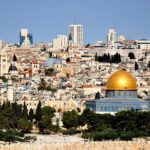
This tour is built around Jerusalem’s role as a crossroads of faith and power. You go with the practical advantage of being moved by air-conditioned vehicle from Ashdod, then dropped into a tight sequence of landmark sites. That matters because the city can be confusing on your own, especially when you’re trying to match streets and stories that you know from the Bible.
The guide framing is a big part of why this works. Ilya Pevzner is a well-known Israel tour guide with strong education in the topics visitors usually struggle to separate: the Jewish temple history around the Western Wall, the Christian significance of Jesus’ final days, and the way Islamic history fits into the same geographic story. The goal isn’t to pick one tradition and ignore the others. It’s to help you read the place as a layered whole.
And the “half the excursions go to Jerusalem” idea isn’t marketing fluff—it’s reflected in how the day is structured. Jerusalem isn’t treated like a quick photo stop; it’s treated like the heart of the route, with time carved out for each major stop.
You can also read our reviews of more tours and experiences in Ashdod.
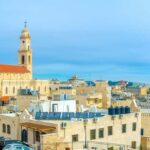
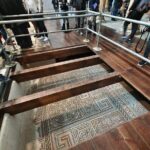
Church of the Holy Sepulchre: the center of gravity for Christian tradition
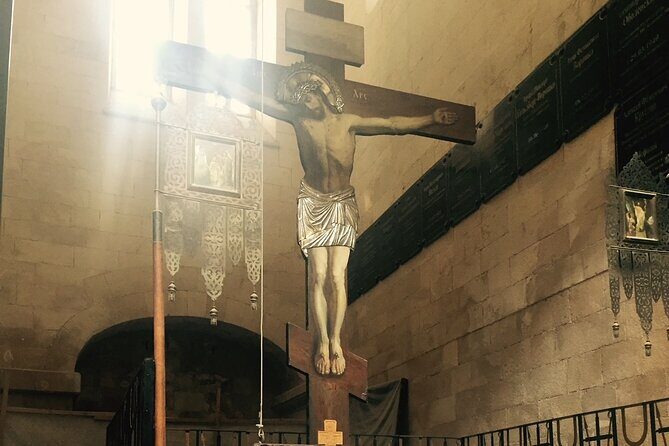
Stop one is the Church of the Holy Sepulchre, widely seen as one of the most important Christian sites. This is the place connected with the crucifixion and resurrection traditions of Jesus. You get about 50 minutes here, and admission is noted as free.
A place like this can overwhelm you with scale and side chapels, so the guide’s role really matters. You’re not just walking into a large church—you’re walking into a building packed with specific moments, with Christian memory attached to many corners. Even if you’re not chasing every religious detail, you’ll appreciate how the guide orients you to what to look for first, what to understand, and what to simply respect.
Also, the church’s long story adds another layer. You’ll hear that it was built by Saint Helen in 335 A.C. That kind of time depth changes how you experience the place: it’s not a modern attraction. It’s a long-standing pilgrimage destination that has been held onto, rebuilt, and interpreted for centuries.
Practical consideration: plan for crowds and slow movement. This is one of the most visited religious sites in the region, so your 50 minutes are precious. The benefit of a guided group is that you spend time seeing, not constantly re-checking where you are.
Western Wall: the most important Jewish prayer space, explained with temple context
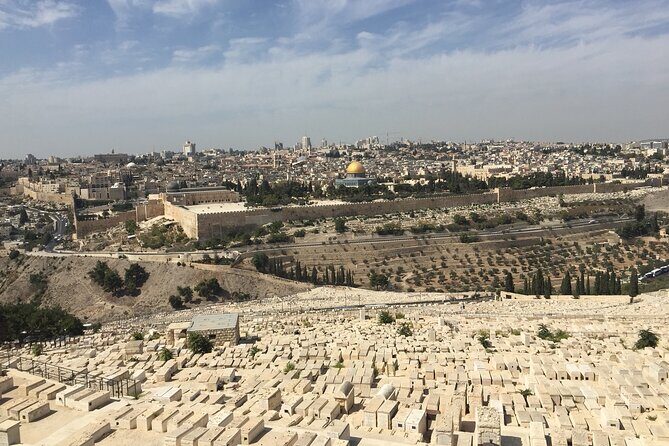
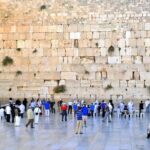
Next is the Western Wall, about 25 minutes. Admission is listed as free, and this stop is presented as the most important place for Judaism.
What I like about this stop is the historical grounding. You’re taught that the wall was part of the enclosure surrounding the Temple Mount, where stood the first and second Jewish Temples. The first temple was destroyed in 586 B.C. by the Babylonian army, and the second was destroyed in 70 A.C. by the Romans. If you’ve heard these dates before, hearing them right here helps them stick.
There’s also a Christian scriptural connection mentioned in the framing: Jesus’ prediction of Jerusalem’s destruction as described in Luke 19, 42–44. That’s not about trying to force agreement. It’s about helping you understand why multiple faiths read the same real-world city so differently.
When you arrive, you’ll be in a living prayer environment. Even if you don’t follow the religious practice closely, you’ll feel the seriousness of the space. The key is respectful behavior and quiet awareness. This is also one of those places where the guide’s “what to look for” beats wandering, because you want to understand the significance without turning the moment into a checklist.
Via Dolorosa (from the 5th station): seeing the route, not just the name
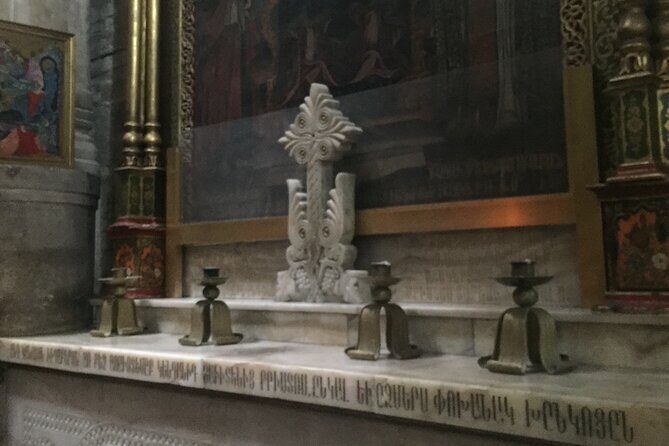
Then you move to the Way of the Cross, the Via Dolorosa, with a planned route that starts from the 5th station and continues all the way to the Church. You’ll have about 1 hour for this segment, and admissions here are listed as free.
This is one of those itineraries that can either feel meaningful or feel like you’re walking a street for the sake of walking a street. The difference is context. With a guide who can connect the stations to their religious meaning, you’re far more likely to grasp why people treat this walking route as a form of devotion.
Also, this is a “smart length” selection. The itinerary doesn’t try to squeeze every possible stop along the entire route into a rushed hour. Starting at the 5th station is a practical cut that still gives you a coherent experience, especially when you’re balancing the rest of the day’s key sites.
Practical tip: wear comfortable shoes. The ground is uneven in places, and you’re moving through a high-foot-traffic area. If you have knee or ankle issues, you’ll want to take the walking seriously rather than hoping it’s all flat pavement.
Mount Zion and the Last Supper tradition: where stories cluster on one hill
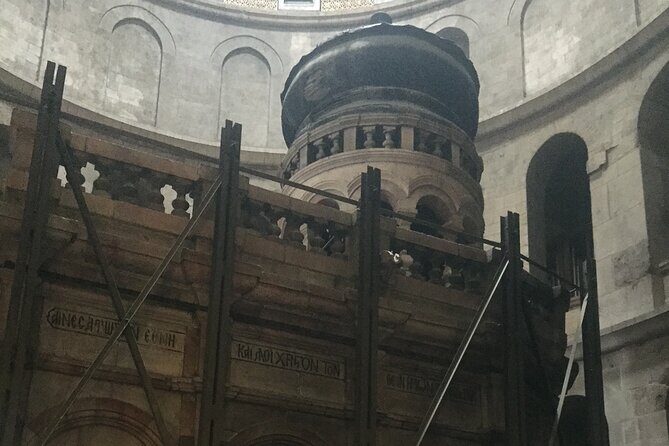
After Via Dolorosa, you head to Mount Zion for about 30 minutes. This stop is tied to tradition about the place of the Last Supper. You’ll also hear that Leonardo da Vinci’s famous fresco in Milan depicts the Last Supper scene, connecting a global artwork tradition back to this specific religious geography.
Here’s the value: Mount Zion isn’t presented as a single building you pop into. It’s presented as a cluster of narrative meaning—the betrayal, arrest, and path toward crucifixion that follows after the Last Supper. Even if you’ve seen the stories in a book, hearing them stitched to the place helps you visualize the sequence.
Is there a drawback? Time is limited. Thirty minutes goes fast when you’re trying to absorb the atmosphere, listen to explanations, and still have enough minutes for your own reflection. If you want more time for Mount Zion specifically, you’d likely need a longer tour or a return visit.
Garden of Gethsemane: ancient olive trees and the moment before arrest
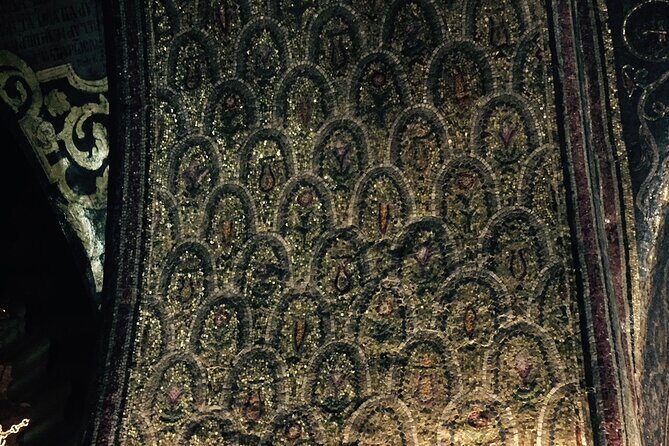
Next is the Garden of Gethsemane, with about 40 minutes on the stop. Admission is listed as free.
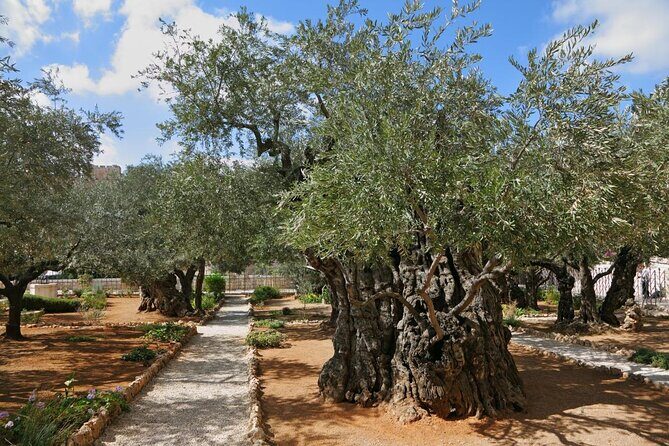
This is one of the stops where physical details matter. You’ll hear about ancient olive trees that remain from the mount of olives in Jesus’ time. Even if you know olive trees don’t magically survive in one exact form over two thousand years, the point is still powerful: the setting links today’s landscape to the story’s time period.
The guide frames Gethsemane as the setting for what’s often discussed as an estimating symbol of betrayal and the pace of Jesus’ arrest. The wording can be a little old-fashioned, but the takeaway is clear: this is where the narrative shifts from teaching to the arrest.
You’ll probably notice the difference between the energy at earlier stops and the tone you feel here. It’s typically calmer, and that’s part of why a timed visit works—you get a defined moment to slow down before the next big place.
Bethlehem Church of the Nativity or Dead Sea: choose your ending
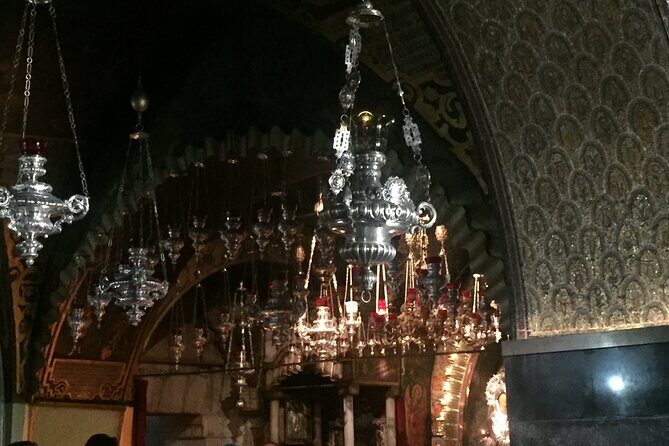
Your last major religious site depends on the option you select.
If you choose Bethlehem with the pickup option, you’ll visit the Church of the Nativity in Bethlehem for about 1 hour 30 minutes. Admission is listed as free. This stop is tied to the place of Jesus’ birth, with the church described as Justinian’s from the 6th century built over the manger place.
This is a longer stop than several Jerusalem stops, and it’s worth it. A church like this can feel like a maze because of the number of religious spaces and structures within it. More time helps you not just rush through, but actually take in what you’re seeing.
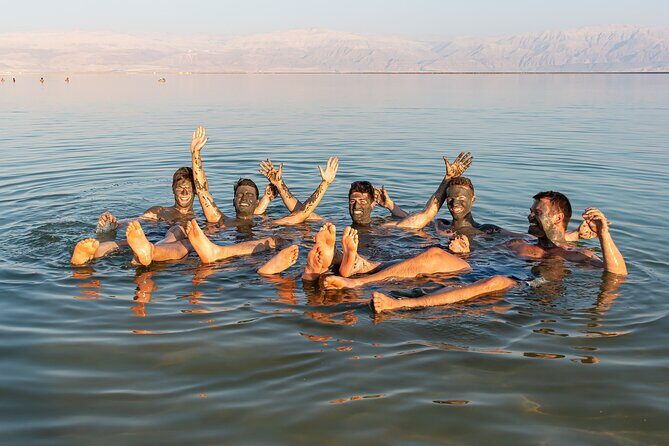
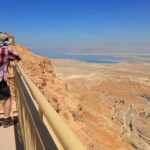
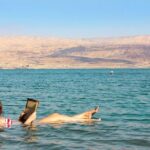
If instead you choose Dead Sea, the information provided focuses on the optional beach ticket cost of $14 per person. The tour still runs 8–10 hours including travel, so adding Dead Sea is best for you if you want a final contrast—something less about pilgrimage buildings and more about a famous natural attraction.
Important practical note: bottled water and lunch are not included. If you’re doing Bethlehem or Dead Sea at the end, plan ahead so your day doesn’t run on empty.
What you’re really paying for: $385 and the value of guided logistics
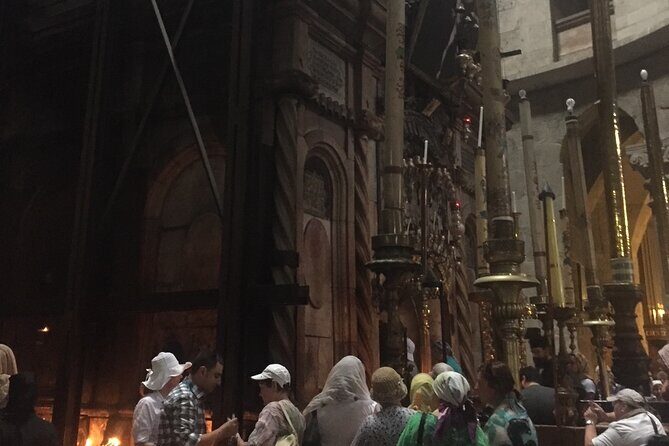
The price is $385.00 per person for an 8–10 hour day from Ashdod. For many visitors, the biggest value isn’t the admission tickets (many listed stops are free). It’s the combination of transport, timing, and expert interpretation.
You’re getting:
- guiding
- WiFi
- an air-conditioned vehicle
- with visit to Bethlehem if you selected the pickup option
- the ability for the guide to bring a wheelchair upon request in advance (free of charge)
And you’re traveling with a maximum group size of 19, which is a meaningful detail. Smaller groups are easier to manage at crowded religious sites, where you need to move as a unit and follow the guide’s plan.
Where costs can shift: Dead Sea beach access is an extra $14 per person. Also, bottled water and lunch aren’t included, so you’ll want to budget for that separately. If you’re the kind of person who tends to buy snacks and drinks every time you stop, this can add up quickly.
There’s also a group discount note: the pricing can be reduced for minimum 8 participants when ordered as a group. If you’re traveling with friends or family and you can coordinate an 8-person group, that can improve the deal.
Comfort, pacing, and who this tour fits best
This is a moderate-fitness walking experience. The day includes time at multiple sites and transit between them, so you should expect to stand and walk more than you would on a purely bus-based tour.
The tour is also designed for a specific kind of traveler: you want the major landmarks, you value explanation, and you prefer not to fight your way through crowds trying to find meaning on your own. This is ideal if your priorities are Christian and Jewish history on the ground, with context that connects the stories to the city’s physical layout.
If you have accessibility needs, the wheelchair request can be supported if you summit the request in advance (free of charge). Service animals are allowed, and the tour is near public transportation, which is useful to know if you’re also planning independent time.
One more practical angle: communication is via WhatsApp, which can help if you need quick clarifications before the day starts. A working message channel matters when schedules are tight.
Final call: should you book this Ashdod to Jerusalem day trip?
Book it if you want a structured day that hits Holy Sepulchre, Western Wall, the Via Dolorosa segment from the 5th station, Mount Zion, and Gethsemane, with the option to add Bethlehem or Dead Sea. The guide-led framing and the manageable group size are the reasons this works, especially if you’re short on time and don’t want to guess your way through one of the world’s most complex cities.
Skip or modify it if you want lots of free time to wander slowly, or if walking for several hours in crowded areas is a challenge. In that case, consider a shorter day focused on fewer sites, or plan a return visit with a slower pace.
If you’re aiming for one day that helps the stories make sense in real place, this is a strong pick from Ashdod.
FAQ
How long is the tour?
The duration is about 8 to 10 hours, including travel time between places.
Where does the tour start and end?
It starts at the Port of Ashdod and ends back at the same meeting point.
How big is the group?
The maximum group size is 19 travelers.
Is pickup included?
Pickup is offered. If you choose the pickup option, Bethlehem can be included.
Which sites are included in Jerusalem?
The stops listed are the Church of the Holy Sepulchre, Western Wall, the Way of the Cross (Via Dolorosa) from the 5th station to the Church, Mount Zion, and the Garden of Gethsemane.
Is Bethlehem included?
Bethlehem is included if you select the pickup option. The stop is the Church of the Nativity, with about 1 hour 30 minutes.
Can I add the Dead Sea?
Yes. Dead Sea can be included as an option, with a Dead Sea beach ticket cost of $14 per person.
What is included in the price?
Included items are guiding, WiFi, an air-conditioned vehicle, and (if you select the pickup option) a visit to Bethlehem. A wheelchair can be brought upon request in advance at no charge.
Are bottled water or lunch included?
No. Bottled water and lunch are not included.
Is there free cancellation?
Yes. Free cancellation is available, and you can cancel up to 24 hours in advance for a full refund. If you cancel less than 24 hours before the start time, the amount paid is not refunded.