REVIEW · JERUSALEM
From Jerusalem: Day Trip to Golan Heights and Mount Bental
Book on GetYourGuide →Operated by Bein Harim Israel Tours · Bookable on GetYourGuide
Golan Heights in one long day. I love the way this route strings together Katzrin and the Mount Bental viewpoints, so you’re not just watching scenery—you’re building a clear picture of northern Israel. Two things that really land are the stop at the ancient village remains and the dramatic look across toward Kuneitra from the Syrian fortifications.
The trade-off is time. This is a 10-hour day trip with a lot of road time, so if you hate bus rides or want fewer stops, it might feel like too much for one day.
In This Review
- Key highlights worth your attention
- The big-picture route: Armageddon plains to the Golan’s doorstep
- 10 hours on the coach: plan for the road, and you’ll enjoy the stops
- The drive through Megiddo and the Sea of Galilee stop that sets the tone
- Jordan River crossing and Hamat Gader: nature plus a real-world pause
- Shalom Observatory to Katzrin: the view and then the excavated village
- Golan Antiquities Museum and Gamla context: artifacts with a guided storyline
- Mount Bental: Syrian fortifications, 1967 history, and a stark view toward Kuneitra
- Guide quality in English: what makes the explanations actually work
- Price and value: what $138 gets you, and what costs extra
- Who should book this Golan and Mount Bental day trip?
- Should you book?
- FAQ
- How long is the tour from Jerusalem to the Golan Heights and Mount Bental?
- Is hotel pickup and drop-off included?
- What’s included in the price?
- Is food and drink included?
- What should I bring?
- Is it suitable for kids and wheelchair users?
Key highlights worth your attention
- Katzrin excavation site: synagogue, houses, and an oil press tied to Mishnah and Talmud-era life
- Jordan River crossing area: you move from inland plains to the Golan foothills with real geographic context
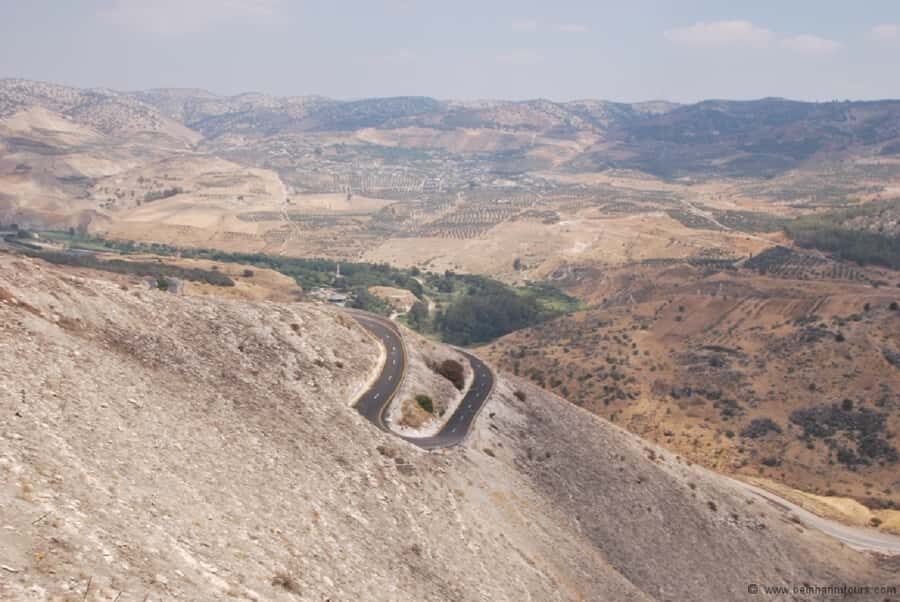
- Shalom Observatory views: a big-picture look back toward the Sea of Galilee and toward Tiberia
- Golan Antiquities Museum: artifacts plus audiovisual context about Gamla
- Mount Bental fortifications: Syrian bunkers and trenches from 1967 with a view toward Kuneitra
The big-picture route: Armageddon plains to the Golan’s doorstep
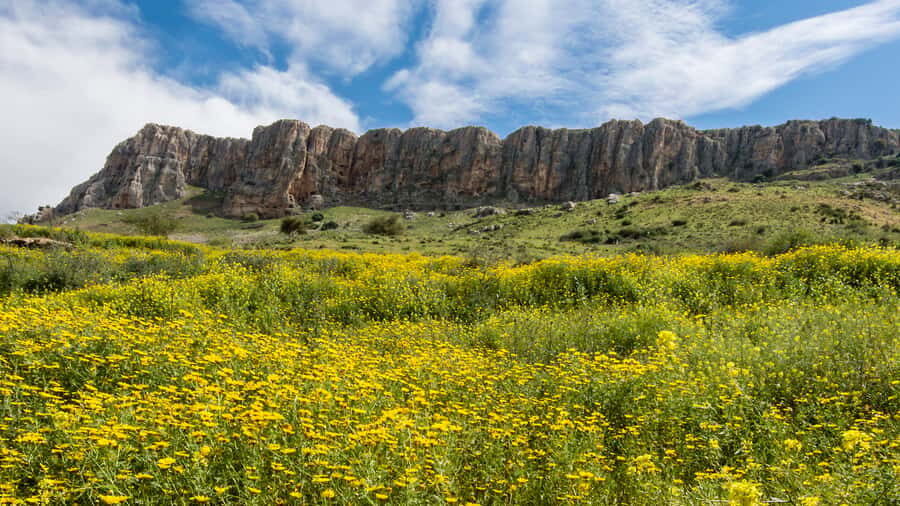
This day trip doesn’t start with the Golan. It starts with the mental map. After pickup in Jerusalem, you head north through landscapes that people connect to biblical references, including the plain of Armageddon mentioned in Revelations, and you stop at the ancient Megiddo site of a Biblical city.
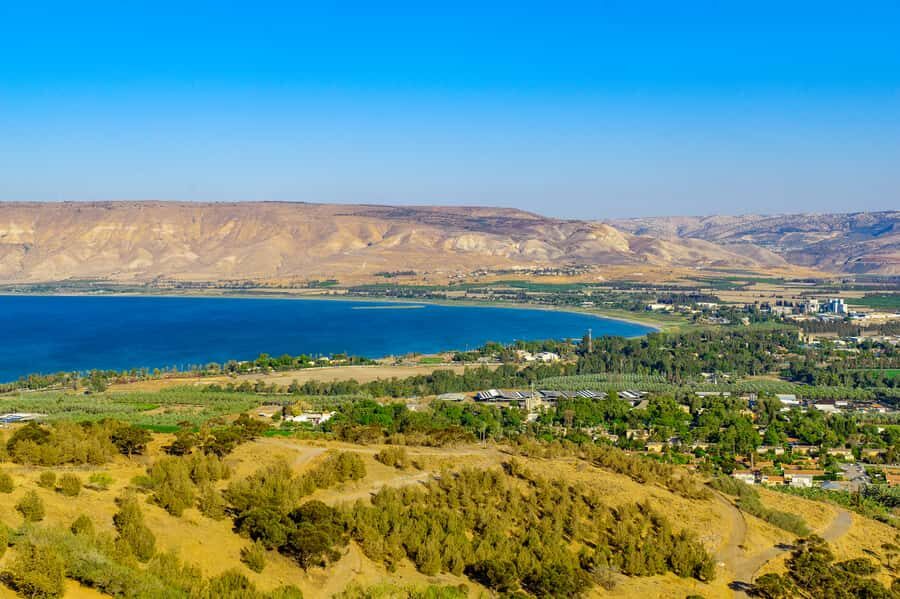
Then the day shifts to the Sea of Galilee area. You’ll travel down to the southernmost point of the Sea of Galilee and pause with an overlook that lets you absorb the scale of the water and the pastoral surroundings. It’s the kind of stop that helps everything after it make sense.
Why I like this approach: you’re not arriving at the Golan as a disconnected sightseeing list. You’re getting geography first—plains, water, river crossing points—so the later history hits harder.
A few more Jerusalem tours and experiences worth a look

10 hours on the coach: plan for the road, and you’ll enjoy the stops
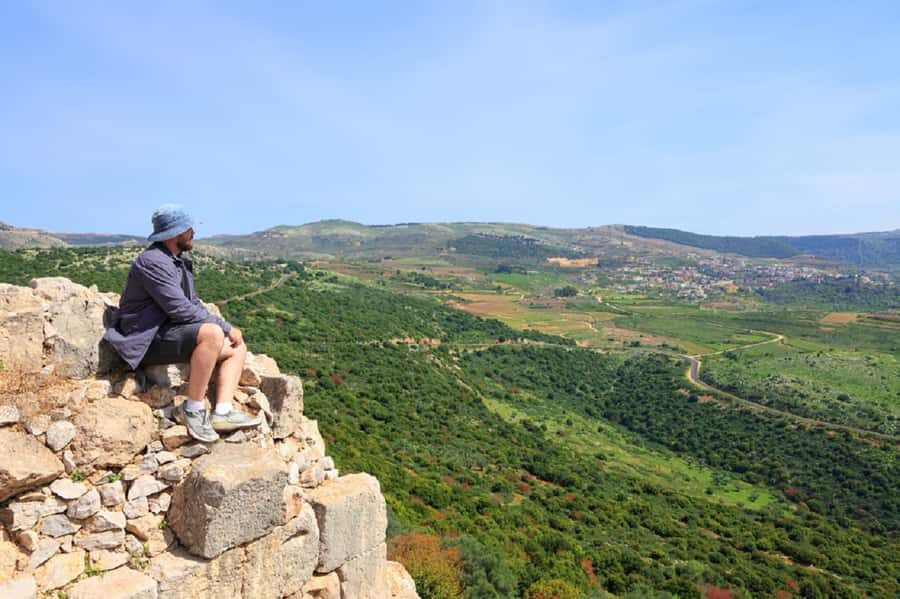
This tour runs about 10 hours, using an air-conditioned coach with hotel pickup and drop-off. It’s comfortable enough, but it’s still a full day on wheels, and that’s the main factor to consider.
Bring comfortable shoes because you’ll be walking at multiple sites, and pack hat + sunscreen because you’ll be outside at viewpoints. Also, count on waiting your turn as groups move between stops—this is a structured day, not a wander-at-your-own-pace situation.
Here’s my practical take: if you’re the type who likes seeing a lot and prefers a guide to manage the flow, this works well. If you want slow travel, or you’re sensitive to long coach days, you may feel the distance from Jerusalem before you ever reach the first viewpoint.
The drive through Megiddo and the Sea of Galilee stop that sets the tone
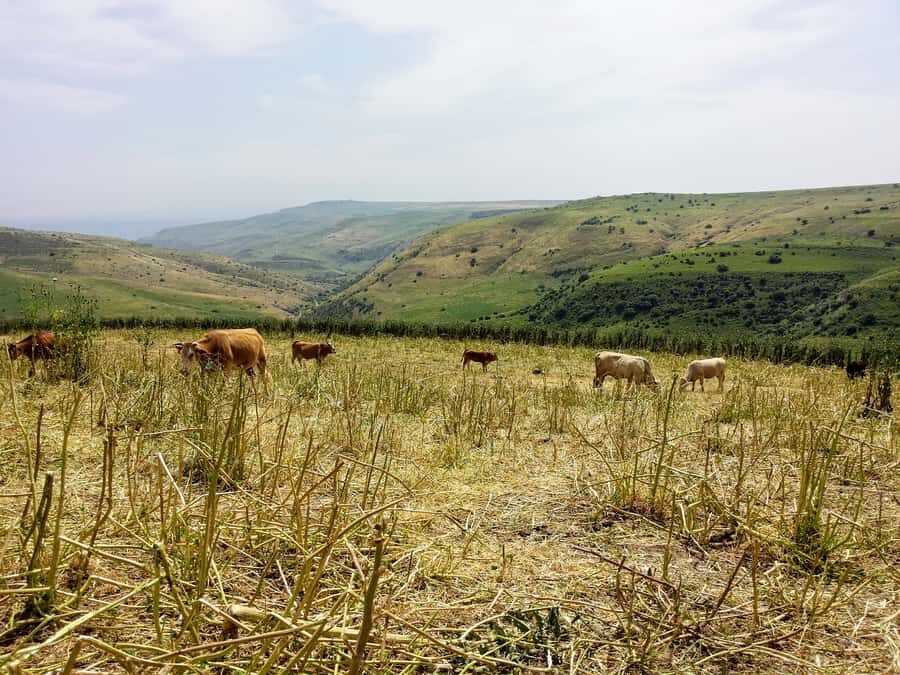
The early part of the itinerary is built like a warm-up act. You pass through the inland areas tied to biblical storytelling, then reach the Megiddo site—an ancient place with layers of meaning people come to connect with the region’s long timeline.
Next comes the Sea of Galilee overlook. You’ll get time to look down on the sea from above, which matters more than you might think. Without that “look” moment, the Golan can feel like another set of hills. With it, you start seeing how water, valleys, and elevation shape where communities lived and where armies moved.
One more practical note: the schedule is packed, so if you’re someone who needs frequent breaks, don’t rely on “finding” time later. This tour is designed to keep the momentum.
Jordan River crossing and Hamat Gader: nature plus a real-world pause
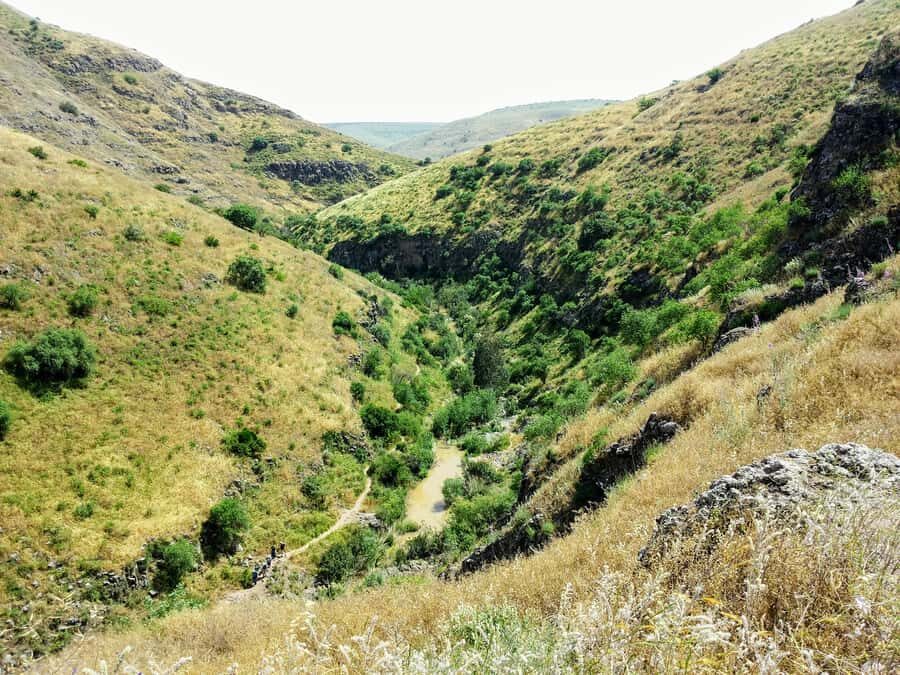
After the northern travel and the Sea of Galilee area, you cross the Jordan River at the foot of the Golan Heights. That crossing point gives you a feeling for how borders and terrain line up in real life, not just on maps.
From there, you pass through Hamat Gader, known as a spa destination. Even if you don’t go into the spa facilities, the stop helps break up the day and makes the tour feel less like a nonstop history lecture.
If you’re traveling in warmer months, treat this as your “stretch legs” moment. You’ll still want to keep hydrated, and you’ll still want your head covered for later outdoor viewpoints.
Shalom Observatory to Katzrin: the view and then the excavated village
One of the most helpful parts of the day is the way it moves from a big view to an up-close historical site.
At the Shalom Observatory, you get a stunning look looking back at the Sea of Galilee, and you can see the Israeli city of Tiberia in the distance. It’s one of those moments where the region clicks into place. You’re standing in a high spot looking across multiple layers of geography—water, valleys, and urban distance.
Then you head to Katzrin, sometimes called the Capital of the Golan. What you’re seeing here is not a modern attraction pretending to be old. Excavations uncovered a village from the Mishnah and Talmud periods, and parts of it have been partially restored. You’ll see remains connected to daily life: a synagogue, houses, and an oil press.
Why this stop is a keeper: most people picture ancient sites as stone ruins only. Katzrin gives you clearer signals of how people lived—community space (synagogue), work/production (oil press), and domestic life (houses). It’s history you can almost place into a routine.


Golan Antiquities Museum and Gamla context: artifacts with a guided storyline
After Katzrin, the day turns toward interpretation at the Golan Antiquities Museum. You’ll have entry included, and the museum displays findings from the region plus audiovisual presentations about the city of Gamla.
This is where the tour shifts from “look at what’s left” to “understand what it meant.” Even with only a limited time window, museums like this can help you connect the excavated evidence to broader themes—settlement, survival, and what the landscape demanded from people over time.
Practical tip: museums move faster than outdoor stops because you’re watching screens and reading labels between groups. If you’re the kind of person who reads everything, don’t assume you’ll finish at a relaxed pace here. Instead, skim, then lean on your guide to fill the gaps.
Mount Bental: Syrian fortifications, 1967 history, and a stark view toward Kuneitra
The last major stop is Mount Bental, where you can see what remains of Syrian fortifications. The Syrian bunkers, base, and trenches were captured by the Israelis during the Six-Day War of 1967, and the whole spot is set up so you can understand the defensive thinking behind the terrain.
You’ll stand in place and look down in the direction of the Kuneitra valley, where you can see the Syrian city of Kuneitra. This is the kind of viewpoint that doesn’t feel like sightseeing. It feels like being near a real political boundary and remembering that geography can become strategy.
Because this topic is sensitive, the experience works best when your guide frames it clearly and calmly. The tour is designed to do exactly that—using your time at Mount Bental to connect the landscape to the events of 1967 and the ongoing reality of the region.
Guide quality in English: what makes the explanations actually work
This tour runs with a live English guide, and that matters a lot on a day like this. You’re going to multiple sites where the “what happened here” can be confusing unless someone threads the story together.
One thing that consistently shines in feedback about this tour is the guide’s clarity and humor. Guides named Isaac and Itamar have been singled out for explanations that are organized, easy to follow, and sometimes funny in a way that helps the long day feel less heavy.
If your English is solid but you still miss details, this is still a good bet. Clear guiding turns scattered stops into one connected narrative.
Price and value: what $138 gets you, and what costs extra
The tour price is listed at $138 per person, and the big value is what’s bundled. You get hotel pickup and drop-off, transport by air-conditioned coach, a professional guide, and entry to the Golan Antiquities Museum.
Food is the main missing piece. The tour doesn’t include food and drink, so you’ll want to budget for lunch or whatever break time is built into the day. In past experience shared with this kind of itinerary, there’s often a chance to eat around a kibbutz stop—one person specifically praised the lunch during that part of the day—but you should still treat meals as your own cost.
So the value question becomes simple:
- If you want transportation handled and a guide to interpret multiple sites, $138 can feel fair for a long, structured day.
- If you plan to drive yourself and you only care about one or two of the stops, the bundled guide + museum entry package is less compelling.
Who should book this Golan and Mount Bental day trip?
I’d book this if you like:
- history you can see in physical remains, like Katzrin’s synagogue and oil press
- viewpoints where the geography is part of the story, like Shalom Observatory and Mount Bental
- a guide-led day where someone explains why each stop is placed where it is
I’d think twice if:
- you hate long coach days
- you need frequent downtime
- you prefer food included as part of the tour price
Also, it’s not suitable for wheelchair users, and it’s not for children under 4.
If you’re coming with modest dress in your mind, bring it seriously—there’s a note that modest dress is required for holy places. It’s the kind of rule that can turn into stress right at the start if you show up unprepared.
Should you book?
Book it if you want one guided day that connects ancient sites, modern viewpoints, and the 1967 fortifications into a single route. This is the kind of tour that’s worth doing with a guide because it turns “places on a map” into “a region with cause and effect.”
Skip it (or choose a different format) if you’re sensitive to travel time. The day is long, and the experience works best when you accept that the drive is part of the package, not an inconvenience you can wish away.
FAQ
How long is the tour from Jerusalem to the Golan Heights and Mount Bental?
The tour lasts 10 hours.
Is hotel pickup and drop-off included?
Yes. Hotel pickup & drop-off is included, and if you’re staying somewhere like an Airbnb, the operator will share the closest pickup point.
What’s included in the price?
You get transport by air-conditioned coach, a professional live English guide, entry fee to the museum, and the pickup/drop-off.
Is food and drink included?
No. Food and drink are not included.
What should I bring?
Wear comfortable shoes and bring a hat and sunscreen.
Is it suitable for kids and wheelchair users?
It’s not suitable for children under 4 and not suitable for wheelchair users. Modest dress is also required for holy places.