REVIEW · JERUSALEM
2 Days tour in the Holy land- Jerusalem and Bethlehem
Book on Viator →Operated by Laila Tours and Travel · Bookable on Viator
Jerusalem and Bethlehem, wrapped into two full days. I love how the route strings together the key holy sites in a logical flow, from the Mount of Olives down toward the Old City’s main Christian stops. I also like that your day starts with hotel pickup and ends with real breathing space—so you’re not spending the trip figuring out transport and connections.
One thing to keep in mind: this is packed walking. Even though the itinerary includes time to see each area, you’ll be spending long stretches on-site, and the route may shift based on what your group is most interested in.
In This Review
- The most memorable parts of this 2-day Holy Land tour
- What you’re really buying: two focused days, not a rushed checklist
- Day 1 in Jerusalem: from the Mount of Olives to the Holy Sepulchre
- Mount of Olives and the Palm Sunday road
- Dominus Flevit: a church shaped by the story
- Mount Zion: Church of the Dormition and the Upper Room
- Via Dolorosa to the Church of the Holy Sepulchre
- Day 2 in Bethlehem: Yad Vashem, Nativity, and the shepherds’ landscape
- Yad Vashem: start with perspective
- Church of the Nativity: birthplace focus
- Saint Catherine’s Church and Saint Jerome’s Cave
- Milk Grotto and Shepherd’s Field
- The guide team and why it matters more than you think
- Price and value: what $1,650 per group really means
- Practical tips to enjoy the walking and the crowd energy
- Who this tour fits best (and who might want something different)
- Should you book Laila Tours and Travel for Jerusalem and Bethlehem?
- FAQ
- What time does the tour start?
- How long is the tour?
- Is this a private tour?
- How big is the group?
- Do you get hotel pickup?
- Are tickets included?
- Is there a mobile ticket?
- Can the route change?
- What’s the cancellation window?
The most memorable parts of this 2-day Holy Land tour
- Mount of Olives to Old City viewpoints plus a scenic descent toward major churches
- Dominus Flevit and the tear-shaped church stop tied to Jesus’ view over Jerusalem
- Church of the Dormition, Cenacle (Upper Room), and Via Dolorosa in one smooth arc
- Yad Vashem before Bethlehem, so the emotional tone is handled thoughtfully
- Church of the Nativity and Shepherd’s Field to balance historic sites and spiritual atmosphere
- A small private group (up to 5) led by staff praised for safety and professionalism, including Raed, Ahmad, and Maria
What you’re really buying: two focused days, not a rushed checklist
This tour is built for people who want to see the big landmarks of Jerusalem and Bethlehem without juggling half a dozen tickets, bus changes, and meeting points. You’re paying for a private setup, starting at 8:30am, with pickup offered and a mobile ticket included.
The “two days” structure matters. Jerusalem’s Old City can feel like a maze if you’re moving on your own. Here, the plan moves you from overlook views to the Christian holy sites, then Day 2 shifts south to Bethlehem’s key locations. It’s a practical way to get the story in order, not just a pile of photos.
And because it’s private for your group (up to five), you have more control over the pace. The provider notes that the route and sites might change based on your interests if they’re within the same area. That’s important if someone in your group wants extra time in one church or prefers fewer stops.
A few more Jerusalem tours and experiences worth a look


Day 1 in Jerusalem: from the Mount of Olives to the Holy Sepulchre
Day 1 is about moving downhill—literally and spiritually—starting with wide views, then walking into the Old City’s sacred core. The schedule lists about 5 hours, and it’s paced as a walking-and-seeing day rather than a long bus ride day.
Mount of Olives and the Palm Sunday road
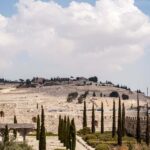
You’re picked up from your hotel and taken first to the Mount of Olives, with a view over Jerusalem. This viewpoint stop is more than a photo moment. From up here, you get a sense of how the city sits and why these areas became so significant to pilgrims for centuries.
Next comes the walk along the Palm Sunday road. It’s the kind of route where the “arrival” into the Old City area feels more meaningful because you’re approaching on foot rather than being dropped at the entrance without context.
Dominus Flevit: a church shaped by the story
Then you visit Dominus Flevit. The tour description highlights its tear-shaped design, connected to Jesus’ tears and the emotional weight of the Jerusalem story. Even if you’re not a religious history expert, a stop like this helps you slow down and notice how architecture is used to tell a message.
A practical upside: this is a stop that can work well for different ages. If you’ve got mobility considerations, it’s often easier when there’s a defined location and you’re not just “wandering.”
Mount Zion: Church of the Dormition and the Upper Room
After that, you move to Mount Zion. This day’s Zion portion centers on two famous sites:
- Church of the Dormition, noted as the place where Mary fell asleep
- Cenacle, also called the Upper Room, tied to the Last Supper
What I like about this pairing is that it gives you a clear, separate focus for each stop. Dormition is one stop with its own atmosphere and purpose; the Upper Room shifts to another central moment in Christian tradition.
If you’re traveling with kids or people who get tired in crowded places, this is where a good guide and smooth timing really pay off. The reviews you provided praise Laila Tours and Travel staff for being professional and accommodating, including for families with young children.

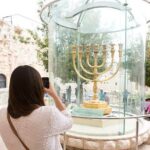
Via Dolorosa to the Church of the Holy Sepulchre
Finally, you start walking the Via Dolorosa and end at the Church of the Holy Sepulchre, described as the place where Jesus rose from the dead.
This section is often the emotional and crowded part of Jerusalem, so plan to take it as a journey. The value here isn’t only the final church. It’s the walk along the route that helps you feel how pilgrims have moved through these streets for a long time.
One realistic consideration: the Old City can be tight on space. Your best strategy is to wear comfortable shoes and treat this as a walk-through day, not a long “linger wherever you want” day.
Day 2 in Bethlehem: Yad Vashem, Nativity, and the shepherds’ landscape
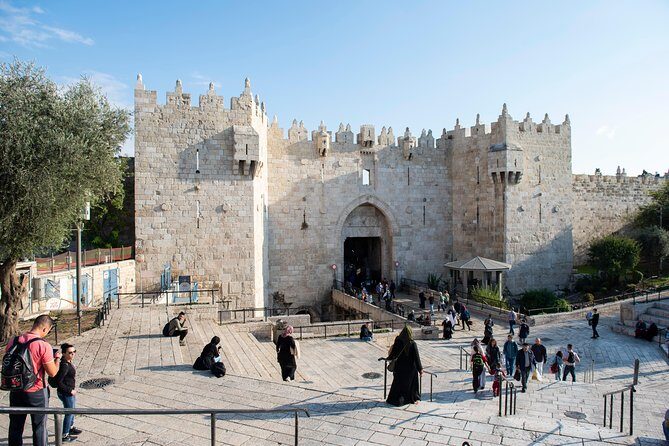
Day 2 runs about 6 hours and is deliberately weighted. It starts with Yad Vashem, then continues to Bethlehem’s most important religious sites: the Church of the Nativity and nearby locations connected with Christian tradition.
Yad Vashem: start with perspective
You begin with Yad Vashem, the Holocaust Museum. This is a heavy stop, but it’s also one of the most important places in Israel to ground the trip in human history. Starting here changes the way you’ll experience the rest of the day—your Bethlehem visits won’t feel “floating in time.”
Because the tour explicitly includes Yad Vashem, you’re not skipping the sobering parts to stay in a lighter mood. For many people, that makes the whole pilgrimage feel more complete.
Church of the Nativity: birthplace focus
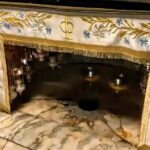
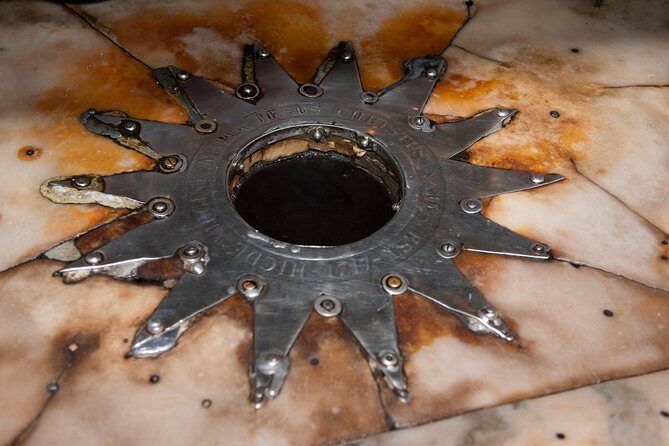
Next is the Church of the Nativity, marked as the birthplace of Christ. This is the emotional anchor for Bethlehem visits. You’ll be moving from museum-style learning into a place where many people come for prayer and reflection.
Even if you’ve seen photos, this is one of those sites where the scale and density of tradition can hit you differently once you’re there.
Saint Catherine’s Church and Saint Jerome’s Cave
After the Nativity church, you visit Saint Catherine’s Church and Saint Jerome’s Cave, described as the place where the Bible was translated.
This is a smart add-on because it bridges worship with scholarship. Many pilgrims know the major Christian sites but don’t always think about how texts were studied and translated. Jerome’s connection gives you that missing layer.
Milk Grotto and Shepherd’s Field
Then the day continues to Milk Grotto and the Shepherd’s Field. The itinerary pairs a traditional grotto stop with a pastoral landscape stop, so the day doesn’t feel like it’s stuck indoors.
If you like the “place in the story” feeling—where geography helps you imagine the narrative—shepherds’ landscapes can be a real payoff. It gives your brain a break from crowds and lets you reset visually.
The guide team and why it matters more than you think
From the reviews provided, the most praised aspect isn’t just that the route hits famous stops. It’s the way the team handles people.
Names that show up strongly in reviews include Raed, Ahmad, and Maria. They’re credited with making families feel safe and comfortable, and with arranging trips that feel like more than a basic transfer from one sight to the next. One review highlights accommodating a family traveling with two young children. Another praises professional, well-run guidance across multiple days and regions.
For you, that’s not a small detail. Holy Land visits can be emotionally intense and logistically complicated. A smooth guide can help you:
- keep timing from slipping
- navigate busy church areas without feeling lost
- adjust pace when you have kids or mixed mobility in the group
Even when the itinerary looks structured on paper, the day’s quality often comes down to staffing.
Price and value: what $1,650 per group really means
The listed price is $1,650 per group (up to 5). That’s about:
- $330 per person if you fill all five spots
- $550 per person if you’re four
- $825 per person if you’re two
If you have a group big enough to spread the cost, this becomes a fairly efficient way to do Jerusalem and Bethlehem with a private plan. You’re not paying per person for separate days with separate logistics; you’re buying a coordinated two-day flow.
Also, the itinerary lists admission ticket free for both day segments. I’d treat that as a helpful inclusion for planning your budget, but still sanity-check your expectations if anything changes at the site. The bigger value here is the structure: pickup, guided pacing, and a private group format that reduces hassle.
In short: it’s best value when you actually travel with enough people to share the group cost, and when you want the convenience of a planned route without self-navigation.
Practical tips to enjoy the walking and the crowd energy
This tour is built around religious sites that can involve crowds and lots of indoor/outdoor transitions. You’ll enjoy it more if you go in prepared.
- Wear shoes you can walk in for an Old City day. Via Dolorosa-style walking is not a quick stroll.
- Expect a slower rhythm in churches. Even when the itinerary has a schedule, holy sites often mean you’ll want a moment to stand, look, and breathe.
- Bring a layer. Weather in Jerusalem and Bethlehem can shift; church entrances can feel cool compared with the street.
- If you’re traveling with children, confirm comfort expectations. The reviews show the team can accommodate families, but you’ll still want to plan breaks.
One more smart move: since the provider notes the route can change based on your group interests, think ahead about what matters most to you. If you want more time in one place, tell your guide early so it doesn’t become a last-minute tradeoff.
Who this tour fits best (and who might want something different)
This tour fits best if you want:
- a private group experience for up to five
- a practical two-day route focusing on Jerusalem + Bethlehem highlights
- hotel pickup so you’re not stitching together transit on your own
- a day that includes both religious sites and a major historical stop (Yad Vashem)
It may be less ideal if:
- you dislike walking or need frequent rest breaks
- your group wants a slow, highly flexible day with lots of independent wandering
- you’re trying to cover too many extra locations beyond what’s described
If you’re the type who likes a plan but still wants room to care about what you see, this works.
Should you book Laila Tours and Travel for Jerusalem and Bethlehem?
Yes, if you want a tightly organized two-day pilgrimage-style route with hotel pickup, small group comfort, and a team that’s praised for being professional and caring. The strongest reason to book is simple: you get the main religious landmarks in the right order, plus Yad Vashem, without turning your trip into logistical homework.
I’d especially consider it if you’re traveling with kids or mixed-experience adults, because the reviews highlight safe, comfortable handling by the staff team (including Raed, Ahmad, and Maria).
I’d think twice only if you know you’re not comfortable with heavy walking and busy church areas. If that’s you, ask for guidance on pacing early, and consider whether you’d rather do fewer stops with more time at each.
FAQ
What time does the tour start?
It starts at 8:30am.
How long is the tour?
Day 1 is about 5 hours, and Day 2 is about 6 hours (total approximately two days).
Is this a private tour?
Yes. It’s listed as a private tour/activity, with only your group participating.
How big is the group?
The price is per group for up to 5 people.
Do you get hotel pickup?
Yes. Pickup is offered.
Are tickets included?
The itinerary lists admission ticket free for both days.
Is there a mobile ticket?
Yes. A mobile ticket is included.
Can the route change?
Yes. The route and sites might be changed based on clients’ interests if the changes are within the same area of visit.
What’s the cancellation window?
You can cancel up to 3 days in advance for a full refund.