REVIEW · TEL AVIV
2-Day Best of Israel Tour from Tel Aviv: Jerusalem, Bethlehem and Masada Tour
Book on Viator →Operated by Bein Harim Ltd · Bookable on Viator
Jerusalem hits you fast.
This 2-day highlights tour packs Old Jerusalem and Bethlehem into one guided day, then trades crowds for the Judean Desert and the cliff-top drama of Masada. You’ll also get Dead Sea time to float and mud up, plus the in-between sights that help the story make sense on the ground.
What I like most is how efficiently the day is organized: you’re led through key areas like the Western Wall and the Via Dolorosa, rather than wandering and guessing. On day two, the pace is built around the big-ticket experience—Masada—and then you actually get time to enjoy the Dead Sea, not just pose and leave.
One thing to consider: the tour is famous sights in limited time, so you’ll move at a brisk group pace. Also, your overnight hotel quality can swing, which matters a lot for value if you’re picky about rooms and location.
In This Review
- Key points before you go
- The morning run from Tel Aviv: fast, structured, and worth it
- Mount Scopus and the first Jerusalem views
- Old City Jerusalem: Western Wall, Cardo, and the “walkable timeline”
- Via Dolorosa + Holy Sepulchre: why time feels short
- Bethlehem and the Church of the Nativity: the day’s big crossing
- Optional stop: St. Catherine’s Church
- Your Jerusalem overnight: this is where value can swing
- Day two: Masada by cable car and the cliff-top ruins
- Qumran area + Ein Gedi: the drive-by lessons
- Dead Sea floating and mud time: plan like a beach day
- Price and logistics: what $360 is really buying you
- Who this tour fits best (and who should look elsewhere)
- Should you book this Best of Israel tour?
- FAQ
- What time does the tour start?
- Is hotel pickup and drop-off included?
- Do I need a passport for Bethlehem?
- What dress code should I follow for religious sites?
- How much walking is involved?
- Is Masada accessed by cable car?
- How long is the Masada visit?
- Is the Dead Sea floating time included?
- What’s included in the overnight stay?
Key points before you go
- Guides drive the day: organized stops in Old Jerusalem and Bethlehem help you make sense of what you’re seeing
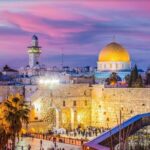
- Dome of the Rock views: Mount Scopus gives you the iconic skyline moment before you enter the old city area
- Masada by cable car: a big effort is replaced by a practical ride, so you spend more time at the ruins
- Dead Sea time is the payoff: you get a full block to float and try the mud, with the right gear encouraged
- Dress and documents matter for Bethlehem: passport + covered knees/shoulders are non-negotiable
- Hotel value varies: your Jerusalem overnight can be the difference between a great trip and a so-so one
The morning run from Tel Aviv: fast, structured, and worth it
Start is early: 7:15 am. That’s not a typo—and it’s a big part of why this works. Leaving Tel Aviv while mornings are cooler means you reach Jerusalem before the day fully locks into its slow-motion traffic and tighter crowd flow.
You also get the practical stuff handled: hotel pickup and drop-off, round-trip coach transport, and a mobile ticket. For your first Israel trip, that’s a real stress reducer. You’re not coordinating parking, bus routes, or the timing of security lines on your own.
The tour is designed for “see the big stuff” travelers—people who want the headlines plus enough guidance to feel confident about what they’re standing in front of.
A few more Tel Aviv tours and experiences worth a look


Mount Scopus and the first Jerusalem views
Day 1 starts with a viewpoint that’s almost a warm-up for the senses: Mount Scopus National Botanical Garden. From here you get an overview look at the Old City of Jerusalem, which helps more than you’d think. When you later walk into the Old City, you’re not starting from zero—you have a mental map.
After that, the itinerary moves toward the Garden of Gethsemane, with stops along the route including the Church of All Nations and a pass through the Kidron Valley. Even if you’re not tracing religious sites in a strict way, these stops give you the terrain and layout that explain why Jerusalem has always been fought over and revered at the same time.
Practical tip: bring a little patience here. Viewpoints and photo stops take time, and group timing means you can’t linger as much as you might like.
Old City Jerusalem: Western Wall, Cardo, and the “walkable timeline”
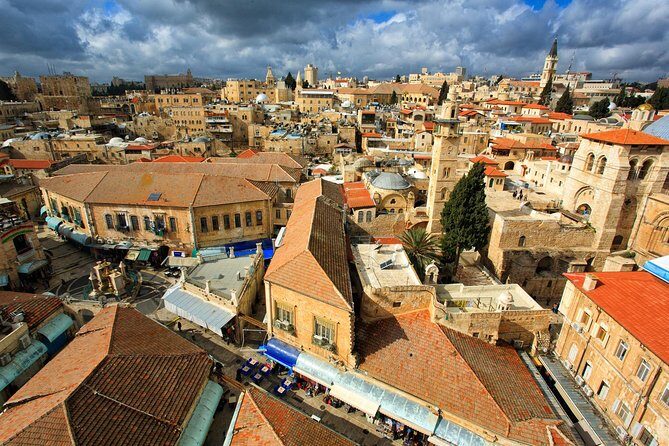
Once you enter the Old City of Jerusalem, the tour becomes a guided march through a place that feels like multiple centuries stacked on top of each other. You’ll get about 2 hours 30 minutes here overall, split across key neighborhoods and monuments.
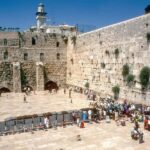
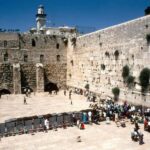
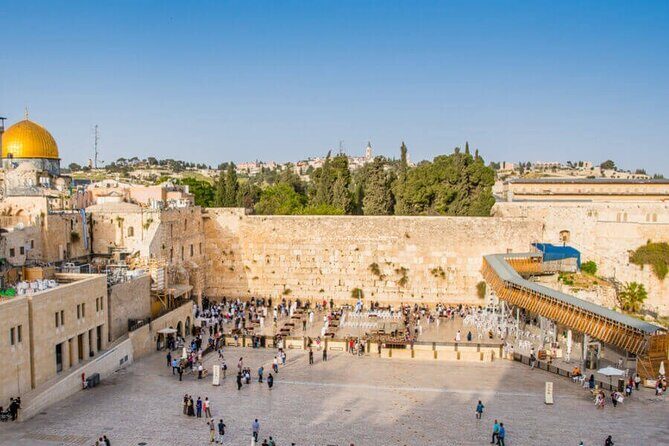
You’ll pass through the Jewish Quarter and see the Byzantine Cardo—the kind of street you can understand immediately: it’s old infrastructure, still shaping foot traffic today. Then it’s off to the Western Wall, with around 20 minutes. This short visit can feel intense because the Wall draws huge emotion and attention. Having a guide to set the context helps you slow down mentally even when the clock doesn’t.
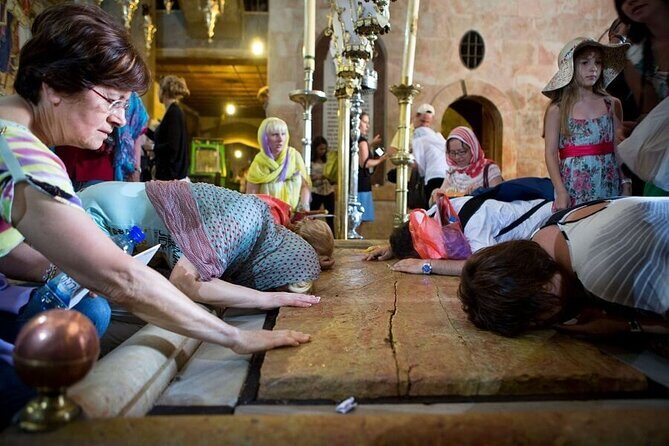
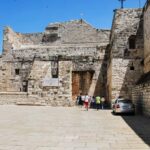
The tour continues into the Christian Quarter, then moves to the Via Dolorosa area for some of the stations—about 30 minutes. Finally, you reach the Church of the Holy Sepulchre for roughly 30 minutes.
What to know: Old City stops can be physically crowded. You’re not just looking at buildings—you’re sharing narrow spaces with tour groups, pilgrims, and the occasional bottleneck.
Via Dolorosa + Holy Sepulchre: why time feels short

This is the part of the itinerary where you’ll feel the difference between a “highlights tour” and a slow-walk visit. Via Dolorosa gets time, but not the full route end-to-end. Same with Church of the Holy Sepulchre: you visit, you see, you take it in—but you don’t get hours to stand quietly and follow every side chapel.
Why it’s still worth it: a guide helps you avoid the common mistake of seeing a place as random rooms and doors. With guidance, you understand why people keep returning to this exact spot across centuries.
A realistic expectation: inside these sites, waiting and crowd flow can eat time. That’s normal here. If you’re the kind of person who hates rushing through sacred spaces, this day will feel like a “taste.”
Bethlehem and the Church of the Nativity: the day’s big crossing
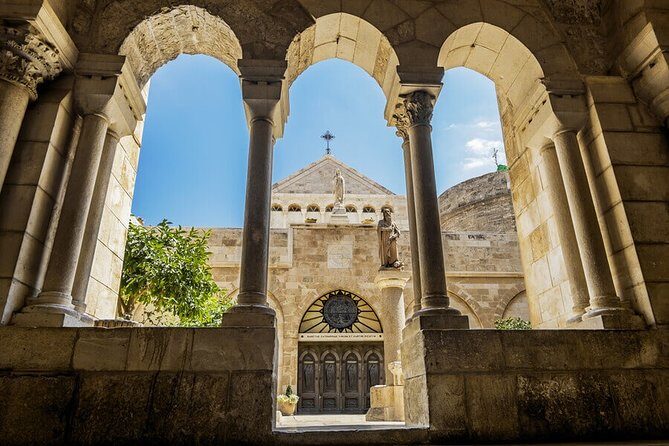
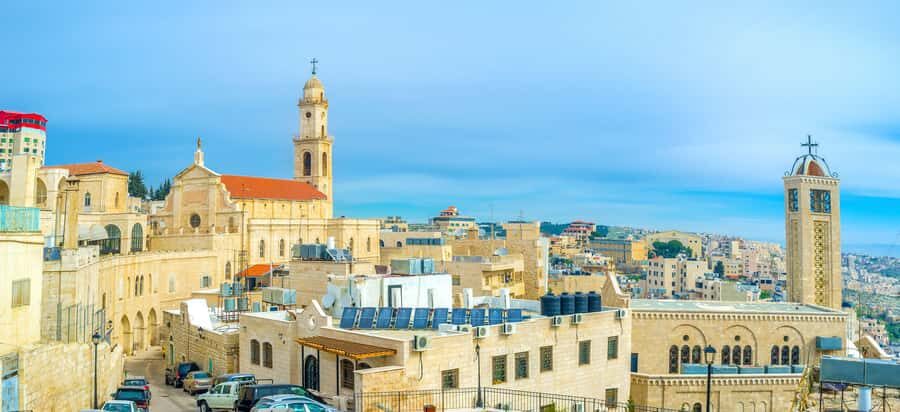
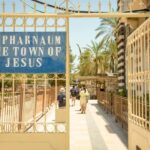
Bethlehem is the emotional half of this tour for many people. Your day includes Bethlehem (about 2 hours) plus a visit to the Church of the Nativity (around 40 minutes).
Before you go, take the entry rules seriously. The tour information calls out two things clearly:
- You need a current valid passport to visit Bethlehem
- A moderate dress code is required: cover knees and shoulders for both men and women, and skip shorts
If you forget, you don’t just risk being uncomfortable—you risk being refused entry.
There’s also a practical note that matters more than it sounds: guides may try to steer you toward optional extras tied to lines and access. If anyone mentions paid shortcuts while you’re in a worship area, be ready to say no and keep moving with your group. You’re in control of your schedule and your budget.

Optional stop: St. Catherine’s Church
The itinerary lists Church of St. Catherine of Alexandria as a possible visit (about 20 minutes), but it’s labeled as not included. In real life, “if possible” means it depends on timing, crowd flow, and local access.
If you care about St. Catherine’s specifically, plan to be flexible and don’t expect it as guaranteed.
Your Jerusalem overnight: this is where value can swing
The tour includes overnight accommodation in Jerusalem and breakfast later. This part is essential because you’re turning a 2-day plan into something smoother: no need to rush back to Tel Aviv the same night.
But here’s the honest value check: the Jerusalem hotel experience can vary a lot. Some people felt it didn’t match what they paid, especially when the room felt noisy or when breakfast quality disappointed. Others were happy with a more central location.
My practical advice: before you book, consider your own hotel standards. If you like quiet rooms, strong breakfast, and good walkability, this tour could still work, but you might want to budget mentally for a potential hotel compromise.
Also, because your day is packed, your hotel will be more than a place to sleep. It’s where you recover for day two.
Day two: Masada by cable car and the cliff-top ruins
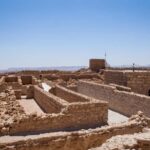
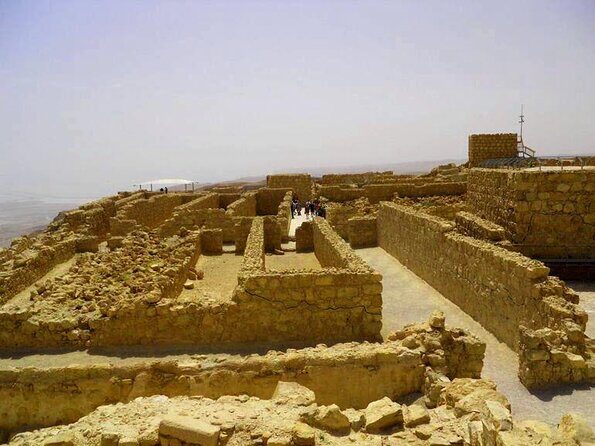
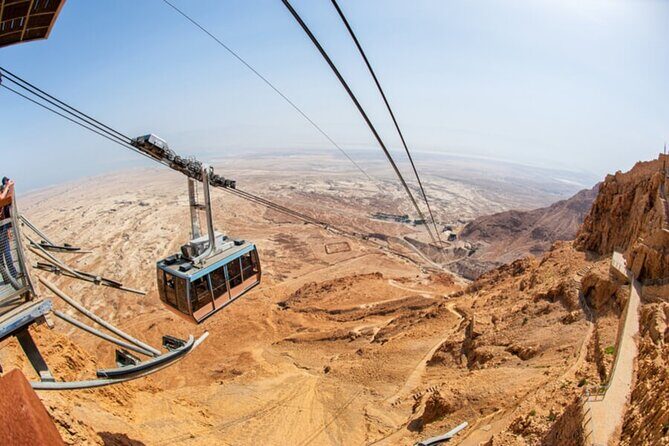
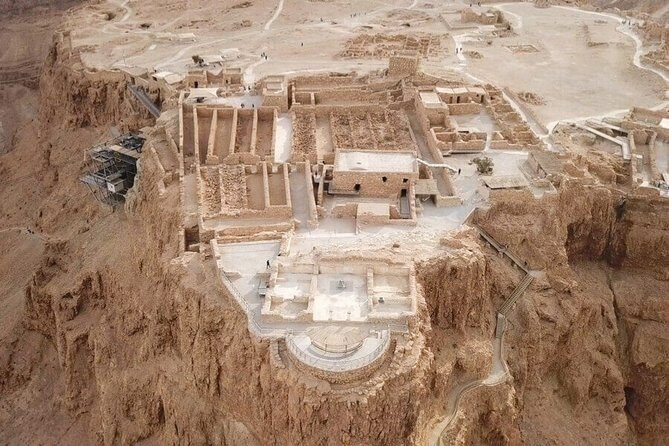
Day two starts with desert scenery and a big moment: Masada National Park (about 2 hours, with admission included). Masada is one of those places you can’t “half enjoy.” Even before you understand the history, the physical drama hits: sheer walls, exposed rock, and a site built for endurance.
The highlights list calls out a cable-car ride, which is a smart trade. It helps you save energy for the actual walking and viewing at the ruins.
You’ll also pass by Herod’s Palace (Herodium) for about 30 minutes. This is a useful add-on because it connects the broader Herodian landscape to what you later see at Masada—same time period energy, different form.
Qumran area + Ein Gedi: the drive-by lessons
The tour description includes passing the Qumran area, tied to the Dead Sea Scroll caves. You may not get a full deep-site visit, but even a pass can help you understand why this region is treated like a historical gold mine.
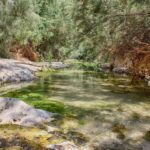
You’ll also see Ein Gedi natural reserve on the way to the next stop. Again, think of this as “scenery with context,” not a long hike.
If you’re the type who loves nature walks, this day won’t fully satisfy that urge. It’s built around the Dead Sea and Masada.
Dead Sea floating and mud time: plan like a beach day
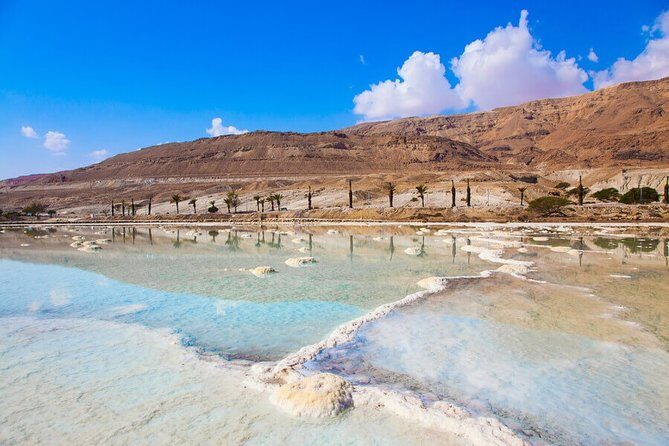
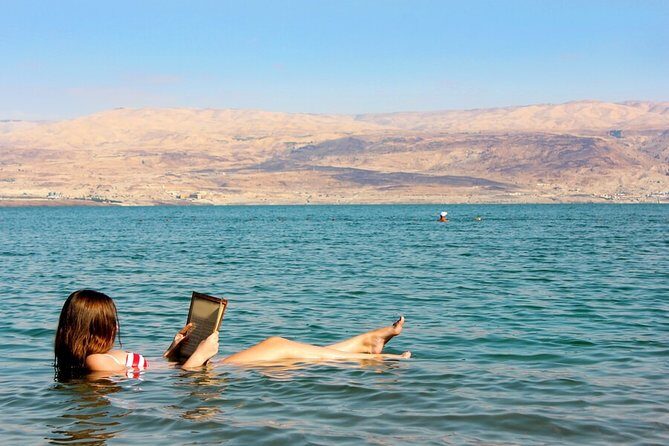
Then comes the part most people remember clearly: the Dead Sea. You get about 2 hours, with admission included, and the experience is straightforward—float and do the mud.
The tour info makes the practical “bring this” items very clear:
- hat, bathing suit, towel, sun protection
If you show up without these, you’ll still get the experience, but you’ll feel it in the form of discomfort and frantic improvising.
Why I consider this a highlight for value: the Dead Sea is unique. It’s not just another view. Even if you’ve read about it, your body will react differently when you float. It turns the day from “history tour” into “weird science vacation.”
Price and logistics: what $360 is really buying you
At $360 per person for two days, the question isn’t whether the places are worth it—they are. It’s whether the structure and included services match your travel style.
You’re getting:
- guided Old Jerusalem and Bethlehem
- guided/hosted Masada day with cable car access
- Dead Sea entry and time
- overnight stay in Jerusalem and breakfast
- round-trip coach transport and pickup/drop-off
- max group size listed as 40
So where can value drop? When the group pace feels rushed, when crowd flow limits time, or when the hotel lands below your standards. If you want slow browsing in bazaars and a lot of free time between stops, you may find the day feels like it never fully cools down.
If you’d rather control your own hotel and tour pace, two separate days with your own lodging can be a better fit. But if you’re first-timer trying to hit the big anchors without the hassle of planning routes and entry timing, this bundled format is attractive.
Who this tour fits best (and who should look elsewhere)
This tour is a good match if:
- you want a first-time Israel highlights package
- you like learning as you walk, rather than reading everything alone
- you’re comfortable with a moderate amount of walking and early starts
- you want Masada and the Dead Sea in one smooth, hosted format
It may be less ideal if:
- you hate feeling rushed inside crowded sites
- you’re very hotel-sensitive and want a reliable standard every night
- you want long free time for shopping or wandering without a schedule
Also note: the tour is not suitable for children under 4, and you should be prepared for a busy environment.
Should you book this Best of Israel tour?
If your priority is seeing Jerusalem, Bethlehem, Masada, and the Dead Sea in just two days, I think it’s a smart way to do it. The guided structure helps you get meaning out of crowded sites, and day two delivers the standout natural experience with real time to float.
I’d book it if you’re the kind of traveler who says yes to an organized day, early wake-ups, and a hotel that’s mainly a base. I’d hesitate if you’re strict about hotel quality or you want slow, unhurried exploration of every side street.
If you do book: pack for the Dead Sea day, follow the dress code for Bethlehem, and keep your expectations aligned with a highlights pace. You’ll spend less time planning and more time standing in the places that make Israel unforgettable.
FAQ
What time does the tour start?
The start time is listed as 7:15 am.
Is hotel pickup and drop-off included?
Yes. The tour includes hotel pickup and drop-off plus round-trip transport by air-conditioned coach.
Do I need a passport for Bethlehem?
Yes. A current valid passport is required for a visit in Bethlehem.
What dress code should I follow for religious sites?
You’ll need a moderate dress code: avoid shorts, and cover knees and shoulders for both men and women. Failure to comply can lead to refused entry.
How much walking is involved?
The tour includes a reasonable amount of walking, so comfortable walking shoes are recommended.
Is Masada accessed by cable car?
Yes. The highlights include a cable-car ride to Masada.
How long is the Masada visit?
You get about 2 hours at Masada National Park.
Is the Dead Sea floating time included?
Yes. The itinerary includes time to float and mud at the Dead Sea for about 2 hours, with admission included.
What’s included in the overnight stay?
The tour includes overnight accommodation in Jerusalem and breakfast (with breakfast included as part of the package).