REVIEW · TEL AVIV
Tel Dan and Baniyas National Parks Private Tour
Book on Viator →Operated by Zelkind Bible Land Tours · Bookable on Viator
Three stops, one Northern Israel story.
This private full-day outing strings together Tel Dan, Banias (Caesarea Philippi), and Nimrod Fortress into a single, easy ride from Tel Aviv—no train changes, no rental car stress. I like the door-to-door SUV pickup and drop-off, and I also like that you get in-depth context from an art historian–style guide rather than just sign-by-sign facts.
You’ll spend the day walking in places where water, caves, and ruins all show up in the same frame. At Tel Dan, you’re in a river-and-brook valley with a well-preserved synagogue; at Banias, you’re in an area linked in different traditions to Jesus teaching and to ancient worship tied to Pan and the cave.
One thing to consider: this is a long day with admission tickets and food not included, so plan on paying entry fees on the ground and bringing your own water/snacks mindset.
In This Review
- Key things you’ll remember about this private Northern Israel day
- Why this itinerary works: Tel Dan, Banias, and Nimrod are a matched set
- Price and value: what you’re paying for (and what to budget)
- Getting to the sites smoothly from Tel Aviv (and why timing matters)
- Tel Dan Nature Reserve: river walks plus a preserved synagogue you can actually picture
- Banias Nature Reserve (Caesarea Philippi): Pan, caves, and a Matthew 16-style connection
- Nimrod Fortress National Park: a medieval citadel with huge viewpoints
- Food, comfort, and what to pack for an 8-hour day
- The guide experience: art-historian context that makes stones mean something
- Who this private tour suits best
- Should you book the Tel Dan, Banias, and Nimrod private tour?
- FAQ
- What time does the tour start?
- Is this tour private?
- How many people is the group limited to?
- Is hotel pickup and drop-off included?
- Are admission tickets included?
- Can I cancel for free?
Key things you’ll remember about this private Northern Israel day
- Hotel pickup and drop-off by comfortable SUV means you start and end without logistics headaches
- Tel Dan’s well-preserved synagogue gives you a real, tangible sense of ancient worship
- Banias ties multiple belief stories to the same dramatic setting—cave, temple site, and underground Hades imagery
- Nimrod Fortress delivers wide views over the Jordan Valley, Galilee, and the Golan Heights
- A private group format (up to 4) keeps the day flexible and calmer than busy group tours
Why this itinerary works: Tel Dan, Banias, and Nimrod are a matched set
Northern Israel can feel spread out. What makes this tour smart is that it avoids the usual problem—lots of driving with too little time to really look. You’re basically stitching together three major sites that each explain a different layer of the region: ancient Jewish life at Tel Dan, myth and religion at Banias, and medieval-era fortification plus panorama at Nimrod Fortress.
It also makes sense thematically. You’ll move from a preserved sacred space, to a cave-and-temple story zone, to a high stronghold with sweeping views. That progression helps your brain connect what you’re seeing to why it mattered.
And because it’s private, you aren’t forced into a rushed conveyor belt. You can ask questions as you go, especially when the guide is doing the heavy lifting with context.
You can also read our reviews of more private tours in Tel Aviv



Price and value: what you’re paying for (and what to budget)
The price is $1,299 per group (up to 4) for about 8 hours of private touring with hotel transfers. That sounds big if you’re thinking per person, but it’s designed for small groups—families, couples, or friends—who want a personal guide and a car to themselves.
Here’s the part to watch: admission tickets are not included, and food and drinks are not included. So the true “all-in” cost depends on what you choose to pay at each reserve and what you eat during the day. In practice, I’d treat it as a guided experience where entry fees and meals are your add-ons, not the core value.
Where the money really goes: the guide time, the art-historian style commentary, and the door-to-door transport by comfortable SUV.
Getting to the sites smoothly from Tel Aviv (and why timing matters)
You start at 8:00am and the tour runs close to a full working day. That early start matters in the north because daylight and cooler morning temperatures make walking feel easier. It also gives you a better shot at enjoying stops at a human pace instead of racing a schedule.
You’ll get hotel pickup and drop-off, so you don’t have to figure out meeting points across Tel Aviv or time a taxi to beat the itinerary. A mobile ticket is included too, which is handy if you like fewer paper items.
Comfort also matters on a day like this. Long drives can wear you down, and you want energy left for walking around ruins and viewpoints. The SUV setup is meant for exactly that.
Tel Dan Nature Reserve: river walks plus a preserved synagogue you can actually picture
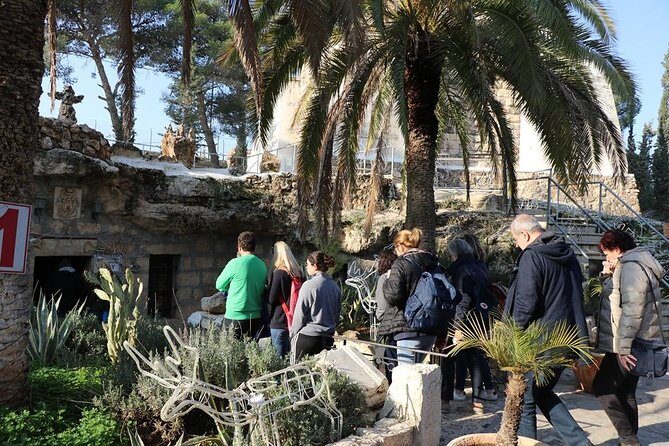
Tel Dan Nature Reserve is where the day slows into something more grounded. You get ancient remains from a very early era, and the highlight here is a well-preserved synagogue you can see and orient yourself around. This isn’t just “old stones over there.” The setting helps you understand how serious sacred space was in this region.
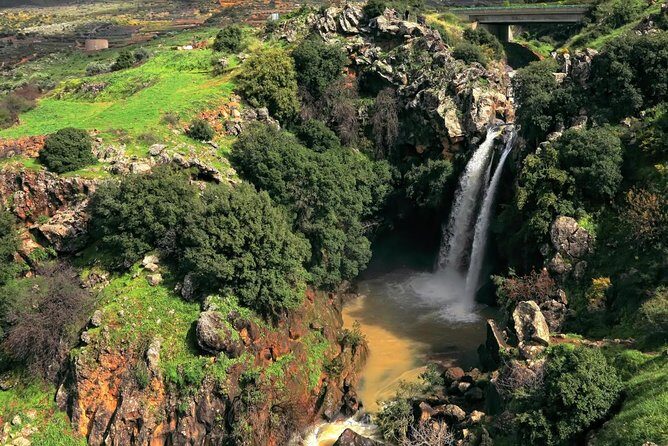
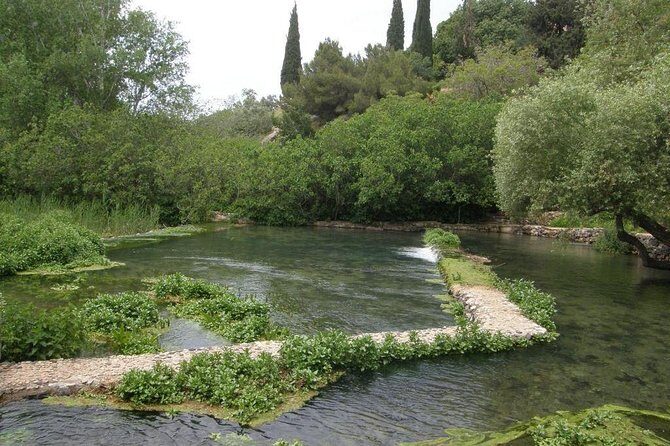
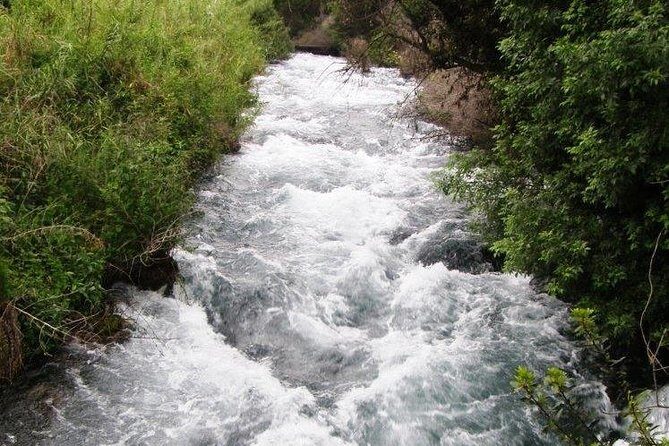
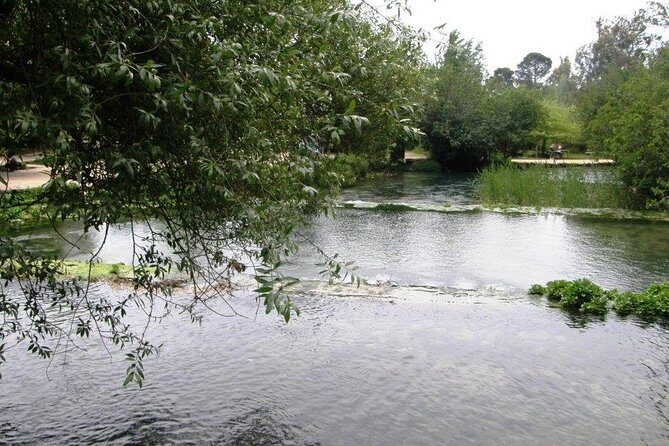
One of my favorite parts of Tel Dan is that it’s not only ruins. You’re also in a valley with rivers and brooks, which means the reserve feels lived-in, not staged. Even if your walking is modest, the sound and movement of water make the area feel calmer.
The tour context adds another layer: you’ll hear how Tel Dan was treated as a rival sacred center, sometimes compared to Jerusalem in terms of religious importance. That kind of commentary changes how you read what’s in front of you. Instead of asking what’s left, you start asking why people built, worshiped, and visited here in the first place.
Practical consideration: the stop is about 2 hours, and it’s also described as nature walking. If you’re traveling with anyone who gets tired easily, choose your pace early—don’t wait until you’re halfway through to decide how much you want to explore.
Banias Nature Reserve (Caesarea Philippi): Pan, caves, and a Matthew 16-style connection
Banias is the stop that tends to spark the most “wait, what?” reactions. The location is linked to Caesarea Philippi, a place with deep layers in the way people interpret the area across time.
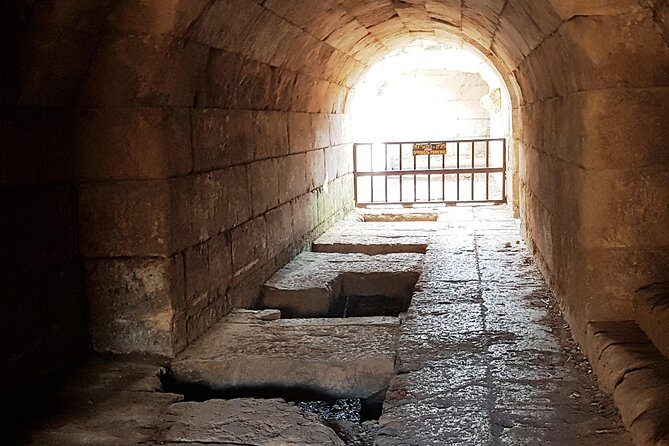
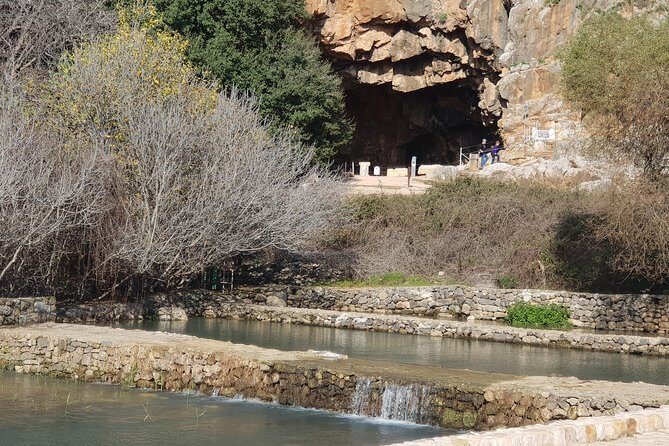
The tour storytelling is built around the drama of the setting. You get connections to Jesus teaching associated with the apostles, and you also get ancient references tied to Pan—a god of Greek mythology—connected with a temple site in front of a huge cave. Add to that the idea of a gateway to Hades, the underground world, and Banias becomes less like a museum and more like a meaning-filled stage.
What I like about this stop is that it doesn’t force you to pick only one lens. Even if you arrive with one set of expectations, the guide context helps you understand why this area kept being interpreted again and again.
One more reason Banias works on a private tour: you’re less rushed, so you can pause when the guide points out the kind of visual cues that make the stories click. The architecture and cave setting are the star, but the words help you connect dots across cultures.
Fitness note: it’s also a 2-hour stop, and it’s described as nature walks. Wear shoes you’re happy to get a bit of dirt on, and plan for uneven ground.




Nimrod Fortress National Park: a medieval citadel with huge viewpoints
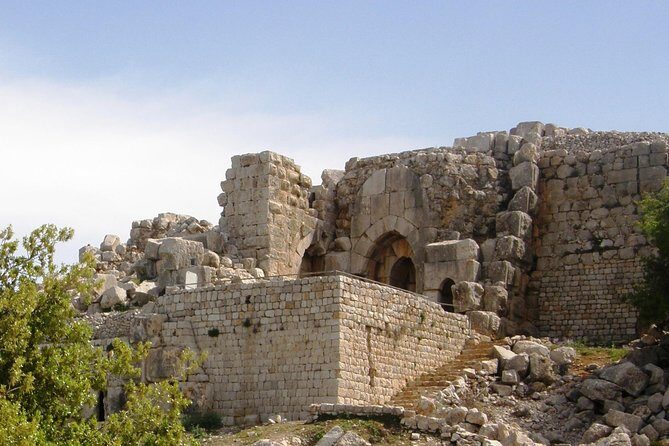
Nimrod Fortress is all about elevation and visibility. This is described as the best preserved ancient citadel at the Golan Heights, with roots in early medieval times. If you like ruins that still feel like strongholds, this is the stop that satisfies that urge.
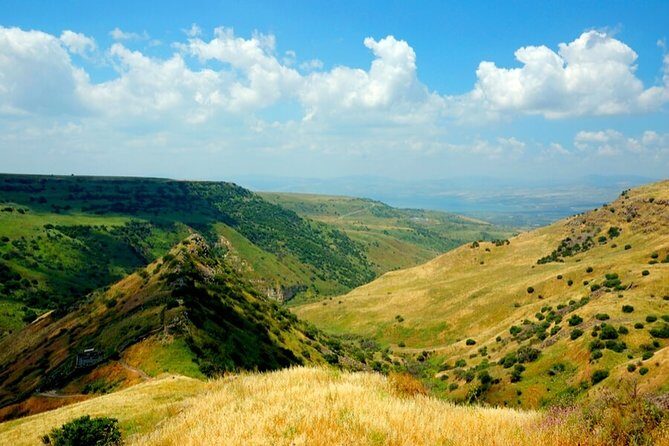
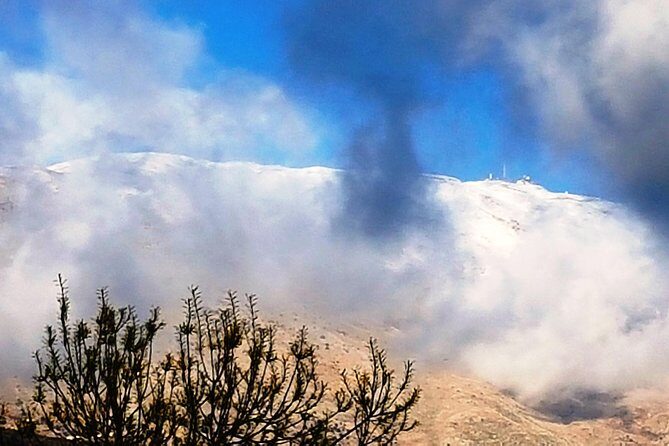
The big payoff is the view. From here, you can see the Jordan Valley, Galilee, and the Golan Heights. On a day trip, that kind of wide panorama is worth it—your brain finally gets the geography instead of just a list of sites.
What the guide context does well here is connect the fortress to why people wanted to hold territory. When you stand in a place designed for defense and control, you naturally start thinking in lines of sight and movement. Even without heavy explanation, the terrain makes the point.
Downside: because it’s a viewpoint-focused citadel, the experience depends on your comfort with stairs or uneven ground. If you’re not steady on your feet, take it slow. Also, 2 hours goes fast here—choose what matters most to you: longer look time at the views, or more time exploring the ruins.
Food, comfort, and what to pack for an 8-hour day
Food and drinks aren’t included, so you’ll want a plan. This kind of Northern Israel day can turn into a “we’ll find something later” trap unless you prepare. I’d bring water for sure, and pack snacks you’ll actually enjoy.
Also, think about weather. The tour starts at 8:00am, and mornings can feel cool. By midday, you might want layers you can remove. A hat and sunscreen help during viewpoint stops.
If you’re doing the nature-walk parts at Tel Dan and Banias, wear shoes with grip. The tour notes call for moderate physical fitness, so bring a pace that feels comfortable for you.
The guide experience: art-historian context that makes stones mean something
The included driver/guide is described as an art historian, and that’s not a small detail. It changes the quality of your stops. Instead of just naming places, your guide tends to explain why art, worship spaces, and architecture matter for understanding how people lived and believed.
There’s also a clear pattern of praise for the guide experience. One guide name that shows up is Levi—described as thoughtful and gracious, with a car that’s comfortable. Even if you don’t get that exact guide, the style you should expect is similar: calm pacing, context, and answers to your questions.
If you like religious-site interpretation, Banias is where you’ll feel it most. The tour can link the setting to topics like Matthew 16, which makes the visit more than sightseeing.
If that’s not your interest, you can still enjoy the day as walking history and geography. The stops work either way—you’ll just get different “why this matters” angles.
Who this private tour suits best
This tour is a great fit if you:
- Want a private day instead of a group bus shuffle
- Prefer a guide who connects what you’re seeing to meaning, not only dates
- Enjoy ruins plus natural settings (water at Tel Dan, cave-and-stories at Banias)
- Want door-to-door transport from Tel Aviv
It’s also a smart choice for small families or couples because it’s priced per group up to 4. If you’re traveling solo, you may still enjoy it, but you’ll likely want to think carefully about the cost versus how many people are sharing the expense.
Should you book the Tel Dan, Banias, and Nimrod private tour?
If you want one full day in Northern Israel that mixes sacred sites, dramatic geology, and wide-open views—this is a strong option. The private SUV pickup, the art-historian style commentary, and the way the route pairs three major areas make it feel efficient without feeling rushed.
I’d book it if:
- You’re okay with a long day starting early
- You’re comfortable paying entry tickets on-site and handling your own food
- You want context that helps you understand why these places kept pulling people in
Skip it (or reconsider) if:
- You need a tour with food handled for you
- You dislike walking on uneven ground or want a lighter itinerary
- You’re trying to travel ultra-budget and don’t want additional costs besides the base price
FAQ
What time does the tour start?
It starts at 8:00am.
Is this tour private?
Yes. It’s a private tour/activity, and only your group participates.
How many people is the group limited to?
The price is per group up to 4 people.
Is hotel pickup and drop-off included?
Yes. Hotel pickup and drop-off are included.
Are admission tickets included?
No. Admission tickets are not included for the stops.
Can I cancel for free?
Yes. Free cancellation is available if you cancel up to 24 hours in advance of the experience’s start time.