REVIEW · TEL AVIV
Private Tour: Best of Jerusalem and the Dead Sea from Tel Aviv
Book on Viator →Operated by Bein Harim Ltd · Bookable on Viator
Old stone, then saltwater. This private day trip strings together Jerusalem’s top holy stops with a real Dead Sea payoff, including time to float and enjoy a mud bath. I love the private-guide pace that helps you understand where you are and where you’re headed next, and I love that the Dead Sea part gives you choice and breathing room instead of rushing you through.
One possible drawback: you’ll want to budget extra costs—parking fees and entrance fees are not included, and there’s an additional charge on Saturday and holidays (so check that before you book).
In This Review
- Key highlights at a glance
- A private day that actually fits in 10 hours
- Getting oriented from the Mount of Olives
- Gethsemane and Kidron Valley: the quiet approach to the walls
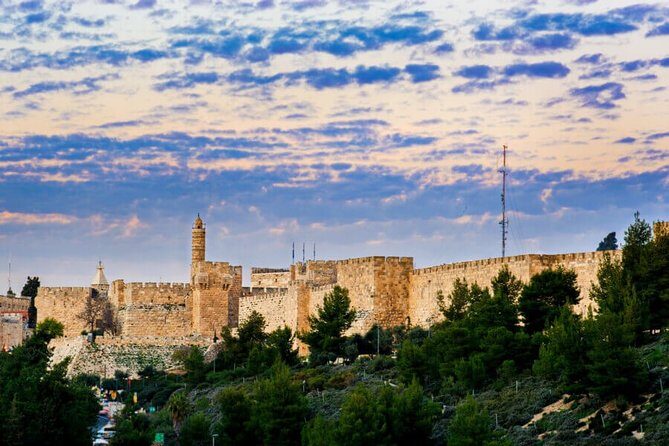
- Walking the Old City: quarters, shortcuts, and the Cardo
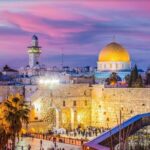
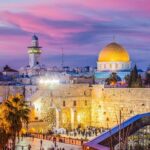
- Western Wall: the prayer stop that people remember
- Via Dolorosa and the Church of the Holy Sepulchre
- Road time through the Judean Desert to the Dead Sea
- Floating and mud bath at the Dead Sea (and how to do it well)
- Price and what you’re really paying for
- Timing, dress code, and what to pack
- When this tour is a great fit—and when it isn’t
- Should you book Best of Jerusalem and the Dead Sea from Tel Aviv?
- FAQ
- What time does the tour start?
- How long is the tour?
- Is pickup and drop-off included?
- What’s included in the price?
- Are entrance fees included?
- Are any sites free to enter?
- Do I need to bring swimwear?
- What should I wear for the holy sites?
- Is it only for a small private group?
- What is the cancellation policy?
Key highlights at a glance
- Mount of Olives orientation first: Start with a big-picture view so the Old City makes more sense as you walk in.
- A guided walk through multiple Old City quarters: You cover Armenian, Jewish, and Christian areas in one day without playing navigation roulette.
- Holy sites with time to pause: Stops are scheduled to let you see major sights like the Western Wall and Church of the Holy Sepulchre.
- Dead Sea time you control: You get a full block to float and do the mud bath, with the option of a free beach area or an admission beach.
- Guides who stay flexible: From reviews, guides like Erez, Hava, Ofer, Ariel, Avishay, Ithamar, Norbert, and Itay are repeatedly praised for friendliness and adjusting the flow when plans change.
A private day that actually fits in 10 hours
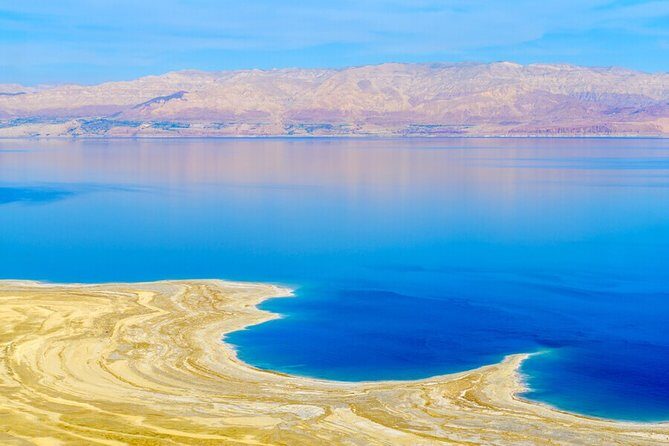
This is one of those days that works best when it’s done with a driver and guide—not because you can’t travel the routes yourself, but because Jerusalem’s Old City can feel like a maze once you’re inside the walls. With pickup from Tel Aviv and an air-conditioned vehicle, you trade stress for time. You also get a professional guide who can explain what you’re seeing in plain language as the day unfolds.
The “best of” angle here is practical. You’re not trying to cover every chapel and corridor. You’re hitting the key moments most people come to see: the Western Wall area, the big Christian sites tied to the Via Dolorosa and Church of the Holy Sepulchre, and then the Dead Sea’s float-and-mud experience.
You can also read our reviews of more private tours in Tel Aviv


Getting oriented from the Mount of Olives
Your day begins with a stop at the Mount of Olives for about 30 minutes. This matters more than it sounds. From up here you can take in the overall layout of Jerusalem, which makes your later walks through the Old City streets feel clearer. It’s also your first chance to understand the geography—why certain roads, valleys, and religious sites sit where they do.
From there, you head toward the Garden of Gethsemane area. The route doesn’t waste time, and you’ll get quick but meaningful sight breaks rather than being stuck in the car the whole morning.
Gethsemane and Kidron Valley: the quiet approach to the walls
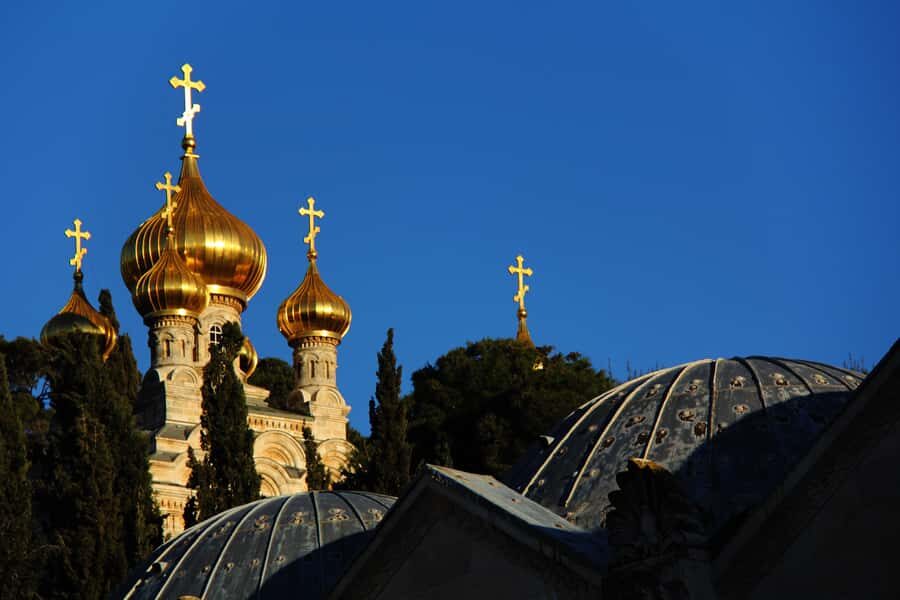
Next comes the Garden of Gethsemane, with about 20 minutes on site. Even with a short visit, this stop gives you a real sense of place. It’s one of the spots where the atmosphere is part of the experience, and having a guide helps you connect the spiritual associations with what you’re actually seeing.
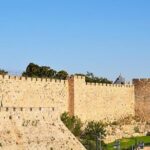
Then you pass through the Kidron Valley. That transit isn’t just a line on a route map. It’s a geographic pause between viewpoints and the Old City entrance. When you walk later in tight streets, that “between worlds” feeling helps the day connect instead of feeling like separate random stops.
Walking the Old City: quarters, shortcuts, and the Cardo
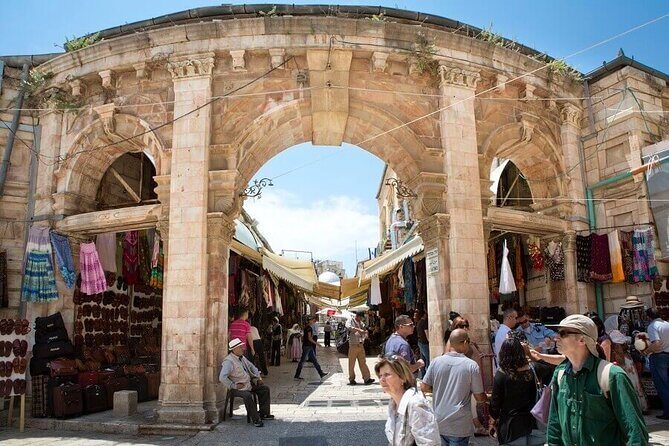
Inside the Old City, you’re scheduled for about 1 hour 30 minutes to stroll the main streets. This is the part where timing and guidance earn their keep. The Old City is full of turns, thresholds, and mini-surprises—if you’re wandering alone, it’s easy to get lost or miss the places that matter most for your time.
You’ll then move through the Armenian Quarter (about 20 minutes) and the Jewish Quarter (about 30 minutes). Each area has its own feel, and the walking route helps you experience that variety rather than bouncing between spots by car. You’ll also visit the Byzantine Cardo for around 20 minutes. The Cardo is one of those historic “spine” experiences: it’s a chance to see how major city life used to flow through Jerusalem’s core.
What I like here: the day doesn’t just drop you at religious icons and send you on your way. It threads you through the living neighborhoods that sit around those icons.
What to watch for: the schedule is tight. If you want long, slow conversations at every stop, you’ll need to ask your guide to slow down when you arrive.
Western Wall: the prayer stop that people remember
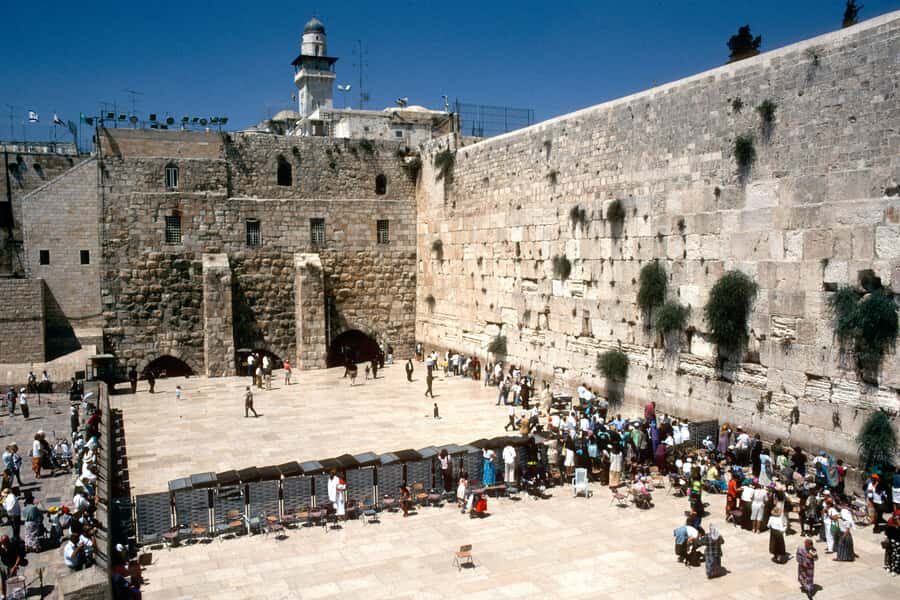
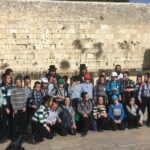
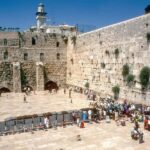
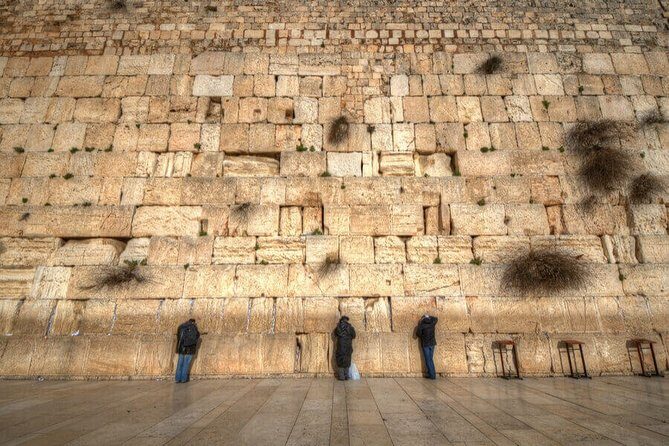
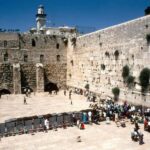
The Western Wall visit is about 25 minutes. This is the segment many people think about before the trip even starts, and the private timing helps. You can take your time, step back to look, and be present without feeling like you’re in a race.
If you want to participate—like inserting a folded prayer—this is the moment to do it. The tour’s design works well for that because it’s not squeezed into a five-minute photo break. You’ll have enough room to slow down and handle the moment in your own way.
Via Dolorosa and the Church of the Holy Sepulchre
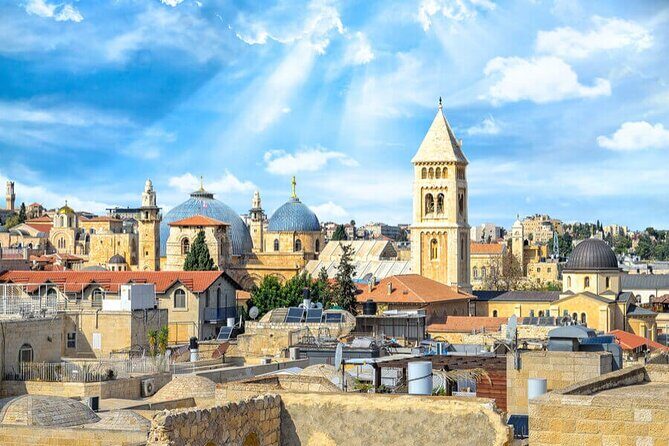
The Via Dolorosa (also called the Way of the Cross) is scheduled for about 40 minutes, walking through the path tied to the Stations tradition. It’s a busy walk, and what makes it worthwhile is context. A guide can help you understand how the route became what it is and what the streets were doing when it became part of religious memory.
Next is the Christian Quarter for about 30 minutes. This gives the day a different texture after the Western Wall and the Via Dolorosa flow.
Finally, you visit the Church of the Holy Sepulchre for about 20 minutes. This church is famous for a reason, but it’s also the kind of place where crowd flow and side chapels can make time feel short. In 20 minutes, your best move is to focus on what you came for: the main areas you want to see, then use any extra seconds for quiet looking rather than chasing every corner.
Road time through the Judean Desert to the Dead Sea
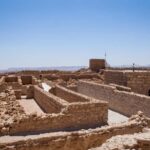
After Jerusalem, the tour shifts gears with travel through the Judean Desert to the Dead Sea. You’re not expected to do anything active here—this is the scenic reset that turns the day from stone-and-streets into salt-and-sky.
Driving times can affect how you feel late in the day, so think of this stretch as a chance to drink water, put on sun protection, and mentally prepare for salt exposure. Your feet might be tired from Jerusalem; the Dead Sea segment is where your body gets to relax.
Floating and mud bath at the Dead Sea (and how to do it well)
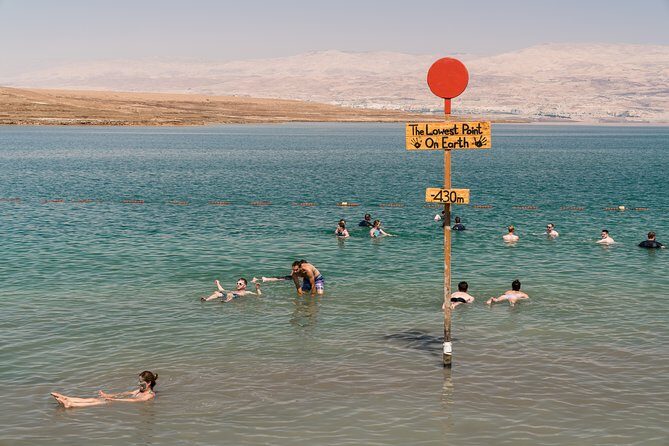
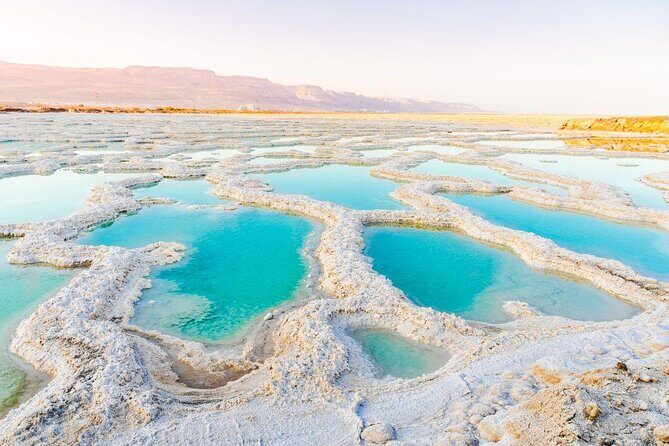
You get about 2 hours at the Dead Sea. This is the payoff block, and it’s scheduled with real flexibility because you can decide how you want to use your time there. As a private tour, you can choose if you want to visit a free portion of the beach or an area that requires admission.
Here’s the practical value of that choice: if you’re cost-conscious, you can still experience the main thing—floating in hypersaline water. If you prefer easier access or facilities, you can pick the admission beach option.
You’ll also do the mud bath. The mud is part of what makes the Dead Sea feel different from any other swim spot: it’s mineral-rich, and the experience is more than just getting wet. Keep your expectations grounded though. The real miracle is the buoyancy and the way the mud-and-salt mix feels on skin—not magic, just a special environment.
Safety and comfort tips for your visit:
- Bring water and plan on rinsing. Salt gets everywhere.
- Avoid getting mud or water in your eyes.
- Wear swimwear you don’t mind getting salty, and protect areas that sting when irritated.
- Don’t expect a long swim. Think of it as floating time.
Price and what you’re really paying for
The price is $474.50 per person for a private tour, lasting around 10 hours. For a day that includes pickup, an air-conditioned vehicle, and a professional private guide, you’re paying for convenience and navigation help. Jerusalem’s Old City is exactly the kind of place where “saving time” is hard to measure until you’ve tried it.
But you do need to budget for extras. The tour notes parking fees (listed as $15 USD) and entrance fees (listed as $20 per person) are not included. Many stops in the route show admission ticket free, yet the total “entrance fees not included” still matters—so don’t assume everything is covered just because some individual segments list free admission.
Also remember: on Saturday and holidays, there’s an extra charge of $125. If you’re traveling on one of those days, this is the easiest surprise to avoid by planning early.
If your goal is to maximize your day with minimal stress, the cost can feel reasonable. If your goal is maximum historical detail at every single stop, you may find the pacing doesn’t match the level of depth you want unless you ask your guide for more context.
Timing, dress code, and what to pack
This is a modest-dress tour because you’ll be entering holy sites. Plan for covered knees and shoulders when you arrive at those areas. It’s not about being fancy—it’s about moving smoothly and not getting turned away at the last second.
Wear comfortable walking shoes. You’re on foot through the Old City quarters and the Via Dolorosa route, then you shift to another environment entirely at the Dead Sea. Pack sun protection and water. And yes, bring swimwear for the Dead Sea time.
One small planning idea: keep your change of clothes accessible. Saltwater days work better when you can rinse or swap quickly without turning your day into a logistics project.
When this tour is a great fit—and when it isn’t
This works especially well if:
- you have limited time in Tel Aviv and want a one-day Jerusalem + Dead Sea hit
- you prefer a private guide to help you move through crowded and confusing areas
- you like big “top sights” but also want to experience multiple Old City quarters in one route
It might not be perfect if:
- you want slow, deep storytelling at every stop and you don’t enjoy a structured day
- you’re trying to do this ultra-budget and don’t want to pay for guide + vehicle + add-on fees
The good news: the itinerary is described as customizable. If there’s something you care about more—more time at a specific quarter, extra questions, or a slightly different flow—this private format is the right kind of setup to ask.
Should you book Best of Jerusalem and the Dead Sea from Tel Aviv?
Yes—if you want a smooth, guided “highlights plus the Dead Sea float” day without wasting time figuring out logistics in Jerusalem. The mix of Old City walking and Dead Sea free choice time is the core value here, and the private-guide format is what turns the day from a checklist into a coherent experience.
Book this tour if your priorities are:
- hitting the major holy sites in a single day
- getting help with navigating quarters and historic streets
- finishing with real relaxation at the Dead Sea
Skip it (or adjust expectations) if you need maximum depth at every stop, or if you’re uncomfortable budgeting the extra entrance and parking costs plus the Saturday/holiday surcharge.
FAQ
What time does the tour start?
It starts at 8:30 am.
How long is the tour?
The duration is approximately 10 hours.
Is pickup and drop-off included?
Yes, pickup and drop-off around the city are included.
What’s included in the price?
The price includes a professional private guide and an air-conditioned vehicle.
Are entrance fees included?
No. Entrance fees are not included, and parking fees are listed as $15 USD. Entrance fees are listed as $20 per person.
Are any sites free to enter?
Many stops on the route list admission ticket free, including Mount of Olives, Garden of Gethsemane, the Old City streets, and the quarters. Dead Sea admission is not included.
Do I need to bring swimwear?
Yes. The Dead Sea portion includes time to float and a mud bath.
What should I wear for the holy sites?
Modest dress is required, with covered knees and shoulders.
Is it only for a small private group?
Yes. It’s a private tour/activity, so only your group participates.
What is the cancellation policy?
Free cancellation is offered if you cancel up to 24 hours in advance for a full refund. If you cancel less than 24 hours before the start time, you don’t get a refund.