REVIEW · JERUSALEM
ScaVentures! Have fun, explore and discover!
Book on Viator →Operated by Israel ScaVentures · Bookable on Viator
Jerusalem is a city you can see. This one is a city you solve. A ScaVentures game turns iconic streets into a team scavenger hunt with missions, clues, and an official Game Leader guiding the action.
I especially love the role-based setup. Kids and adults get real jobs (navigator, detective, historian, photographer types), so nobody is stuck standing around. I also like that first-time visitors don’t need background knowledge; the game builds understanding as you move.
One thing to keep in mind is the time-and-feet combo. It runs about 2 hours, works in all weather, and you’ll want a moderate fitness level, since you’re walking between game stations without the comfort of included transportation.
In This Review
- Key points to know before you play
- A game plan for first-time Jerusalem visitors
- How the hunt flows across stations in 2 hours
- The role system: everyone has a job
- Picture Pack mystery: why you’ll look closer
- What’s included, what’s not, and how to come prepared
- Price and value for groups up to 15
- Book it or skip it
Key points to know before you play
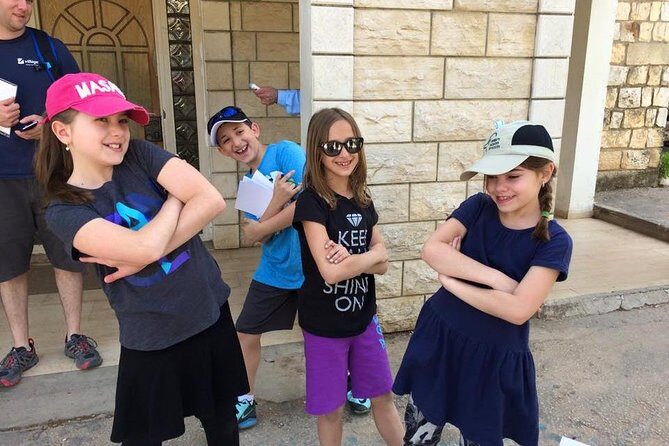
- Game Leader at the stations to keep progress moving and add helpful info when needed
- Team roles that make it work for mixed ages, from kids to grandparents
- Picture Pack mystery that turns sightseeing into a puzzle hunt
- Built-in competition for teams when you have 9+ participants
- Weather-ready format, with the game operating in all conditions
A game plan for first-time Jerusalem visitors
If Jerusalem feels overwhelming at first, this is a smart antidote. Instead of bouncing from stop to stop with a script, you move through the city with purpose: find clues, complete missions, and piece together what’s happening at each station.
I like how the game structure does two jobs at once. It gives you a clear path (so you don’t waste time figuring things out) and it gives you a story (so you’re not just chasing items). People in feedback highlighted that it helps kids work together, learn history, and feel a connection to their ancient heritage without lectures.
The game also helps when your group has mixed energy levels. In past Jerusalem games, families with very wide age ranges still seemed to function well because roles create breathing room. One teenager-parent-grandma group reportedly stayed engaged the whole way, and kids even beat adults in some rounds.
You can also read our reviews of more tours and experiences in Jerusalem.



How the hunt flows across stations in 2 hours
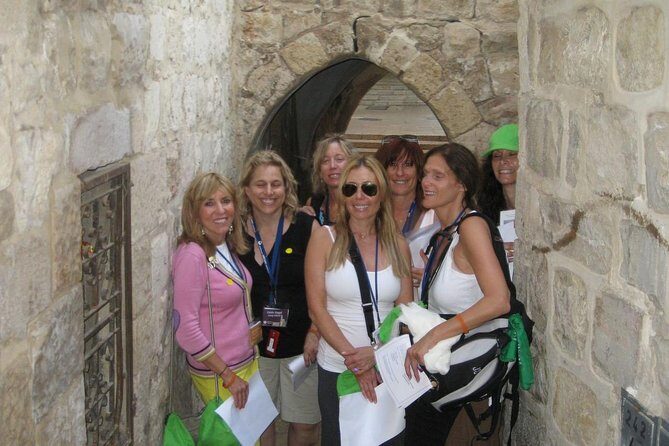
Here’s the basic rhythm of how you’ll experience it.
First, you receive a team pack with the tools you need: maps, notepads, pencils, stickers, information sheets, and picture packs. There’s no “bring your own supplies” headache. Then teams start at the first station and work forward to the final one, following the directions in your materials.
At each station, the mission changes, but the roles don’t. The historian relays the story piece. The team leader engages the group with the mission. The detective hunts for the relevant pictures inside the picture pack. Other role-holders help with notes, navigation, photography, or whatever your team’s structure assigns.
When you have 9 or more participants, you’ll divide into teams (ideally 5–8 per team). Teams compete to reach the final station with the right answers and the best time. With smaller groups, you stay as one team and focus on completing your own challenge within the time limit.
Near the end, the Game Leader wraps everything up and awards prizes to the winning teams. That ending matters more than you might expect. It turns the walk into something you remember, not just something you did.
A practical reality: you can learn and still play fast. One group described starting competitive, then slowing down because they found the facts interesting. That’s a good sign. The game is built so curiosity doesn’t get treated like an obstacle.
The role system: everyone has a job
The best ScaVentures ingredient is the division of labor. Instead of asking one person to keep the group organized, the game assigns roles. That means a kid can be the detective and still feel important. It also means adults aren’t stuck acting as babysitters for a snack break.
Roles can include: leader, detective, note keeper, navigator, historian, photographer, and more. You don’t have to “perform” to fit the role. Your team pack and station instructions guide you, and the Game Leader visits teams at certain points to keep things running smoothly.
This role structure is why the activity seems to work for families with big age spreads. Feedback includes groups from toddlers up through seniors, plus mixed Israelis and tourists. The common thread was that everyone got a chance to shine, not just the most confident speaker in the group.
If you’re traveling with teens, this kind of structure can be especially helpful. One family with teenage kids reportedly got broken into smaller subgroups that made participation feel fair. The competition didn’t shut down conversation; it encouraged it.
Picture Pack mystery: why you’ll look closer
The Picture Pack is the heart of the scavenger hunt. It’s not just “find this landmark.” It’s “match clues to images” and solve the puzzle as you go.
At each station, the detective looks for pictures connected to the story and the mission. As you progress, your team builds a pattern. By the time you reach the final station, you’re not only finishing tasks—you’re validating what you learned and how you interpreted the clues.
That’s what makes this feel different from a standard tour. You’re walking the same city, but you’re training your eyes. Streets, facades, and small details become part of the game logic, so you notice things you’d probably skip on a quick sightseeing loop.
It also creates built-in teamwork. People can share observations. They can argue (politely) about where the picture clue fits. Then they can check the answer. In feedback, families described working together and learning in a way that held children’s attention for real.
One nice bonus: the experience appears flexible around cultural timing. For example, a non-muktzeh scavenger hunt was mentioned for a Sukkot day, and in another case pictures weren’t taken on yomtov. That suggests the team understands the pace and constraints of the holiday calendar.
What’s included, what’s not, and how to come prepared
This activity is designed to run with minimal friction.
You’re given a mobile ticket and the game provides supplies like notebooks, pencils, maps, and picture packs. It’s also listed as private, meaning only your group plays, which is a big deal when you want less waiting and fewer awkward joins.
Included in the price are all taxes, fees, and handling charges, plus gratuities. That’s uncommon in many tours where you’re told to tip separately at the end. Here, you can plan one clean budget line.
What’s not included is straightforward: transportation to/from attractions and hotel pickup/drop-off. So you’ll want to handle getting to the start point on your own. The meeting point is listed simply as Jerusalem, Jerusalem District, and confirmation comes at booking, so make sure you have the exact start location before you show up.
Plan for the physical side too. You should have moderate physical fitness, and the game operates in all weather conditions. Feedback even mentioned a rain-and-hailstorm scenario, and the activity still continued. That’s your hint: dress like you’re going outdoors, not like you’re going to sit in a museum café.
Finally, note that children must be accompanied by an adult. If you’re bringing a mixed-age group, roles usually help, but supervision still matters.




Price and value for groups up to 15
The price is $358.98 per group, up to 15 people, for about 2 hours. That makes the cost structure mostly about how many people you bring.
If your group fills the maximum, you’re looking at roughly $24 per person at the top end. If it’s just two or four people, the per-person cost rises fast, since it’s priced per group rather than per participant. In other words: this is best value when you can spread it across a full family unit, friends, or multi-family travel group.
What helps the value is that you’re not paying extra for the puzzle tools or the Game Leader guidance. The game pack comes with everything you need to play, and feedback repeatedly highlights how friendly, clear, and organized the leaders were. Names that came up in Jerusalem-related ScaVentures feedback include Yomtov, Tali, Daniel, and Joel, with people praising the way guides kept missions moving and explained facts clearly.
Also consider what you’re replacing. If you’d otherwise do a standard guided tour plus a self-guided walk, this can feel like getting both: guidance plus an active reason to explore.
Book it or skip it
Book this if you want Jerusalem to feel playful, interactive, and built for mixed ages. It’s a great fit for families, multigenerational trips, and first-timers who don’t want to commit to a long, lecture-heavy day.
Skip it only if your group can’t handle weather or walking between stations for about two hours. It’s also not the best choice if you’re expecting a traditional museum-style tour where every stop is explained in a continuous narrative.
My decision rule: if you can rally a team and you’re excited to solve clues together, this is worth putting on your Jerusalem calendar.