REVIEW · TEL AVIV
7-Night Israel Highlights and Bibleland Tour
Book on Viator →Operated by CTO Israel · Bookable on Viator
Jerusalem in one packed week. This 7-night Israel highlights tour strings together biblical and historical must-sees from Tel Aviv through Jerusalem, Bethlehem, Nazareth, and the Galilee. I especially love how the days are shaped around an expert guide who helps you connect what you see with the big story of the land.
The itinerary is full-on, so the main thing to consider is how tight the schedule can feel—and that optional stops can cost extra, including a Dead Sea day if you choose it. If you’re the type who needs extra time for a specific church, view, or prayer pause, plan to be flexible and speak up early.
In This Review
- Key highlights to know before you go
- Tel Aviv to the Galilee: the real value of this route
- Hotels and pacing: 3 nights Jerusalem, kibbutz Galilee, Tel Aviv downtime
- Jerusalem’s greatest hits: Western Wall, Via Dolorosa, Holy Sepulchre, Gethsemane, Mt of Olives
- Ein Kerem, Bethlehem, and Yad Vashem: faith landmarks plus a required moral center
- The drive north: Jericho valley, Beit She’an, Golan Heights, and Tiberias
- Sea of Galilee day: Capernaum, Beatitudes, Tabgha, and Nazareth’s Church of the Annunciation
- Acre, Haifa, Caesarea, and Jaffa: the tour’s coastal history finale
- Dead Sea add-on vs Tel Aviv freedom: plan your budget and your expectations
- Price and logistics: what $1,712 buys you (and what it doesn’t)
- Making it work on the ground: practical tips for a smooth (and less stressful) trip
- Should you book? Who this tour suits best (and who should look elsewhere)
- FAQ
- What cities does the tour cover?
- How many nights are spent in each place?
- Does the tour include the Dead Sea?
- What time does the tour start?
- What’s included in the price?
- Are meals like lunch included?
- What’s the maximum group size?
- How much time do I have to cancel for a full refund?
- How do airport transfers work?
Key highlights to know before you go
- Old and New Jerusalem in one trip: Western Wall, Temple Mount area, Via Dolorosa, Holy Sepulchre, plus Gethsemane and Mt of Olives viewpoints
- Bethlehem and Ein Kerem: Church of the Nativity, Manger Square, and the tradition-linked visit to John the Baptist’s birthplace area
- Yad Vashem included: One of the most important sites in Israel, built into a day that also covers early Christian landmarks
- Galilee sites with context: Capernaum synagogue ruins, Mount of Beatitudes, Tabgha, and Nazareth’s Church of the Annunciation
- Haifa and the coast: Mount Carmel panoramas, Acre’s Crusader fortress walls, Caesarea’s Roman theater, and Jaffa’s old port
- Smallish group feel: Maximum 40 travelers, with air-conditioned vehicle for the transfers between stops
Tel Aviv to the Galilee: the real value of this route
This tour makes smart use of your limited time in Israel. You start in Tel Aviv with arrival-day flexibility, then you work your way through Jerusalem and the Christian Holy Land, before finishing with the Galilee and the Mediterranean coast around Haifa, Acre, Caesarea, and Jaffa.
What you’re really paying for is not just the sights. It’s the thread connecting them: Second Temple Jerusalem models, Roman city excavations, Crusader fortifications, Jewish and Christian landmarks, plus modern Israeli life in markets and cities. Done well, it turns a “checklist trip” into something that feels like you understand what you’re seeing as you go.
You can also read our reviews of more evening experiences in Tel Aviv

Hotels and pacing: 3 nights Jerusalem, kibbutz Galilee, Tel Aviv downtime
You’ll stay three nights in Jerusalem, two nights in Tel Aviv, and two nights at a Galilee kibbutz hotel. That split matters. Jerusalem gets enough time that the city doesn’t just feel like a day-trip stop. The Galilee nights are also important because you can actually slow down on the water and hill towns instead of racing through everything in daylight.
The pacing is still ambitious. You’ll be up early on most days, and you’ll do plenty of walking—especially inside the Old City and around the major Jerusalem viewpoints. One key tip: don’t pack your day with “I’ll squeeze in one extra place after the tour ends.” Your best window for exploring is the free time you’re given, not the minutes you’re hoping for.
Hotel quality is flexible too. You can choose different standards depending on budget. In general, I’d lean toward upgrading if it fits your budget, because the comfort of a good night’s sleep makes a long day of stairs and uneven sidewalks feel way more manageable.
Jerusalem’s greatest hits: Western Wall, Via Dolorosa, Holy Sepulchre, Gethsemane, Mt of Olives
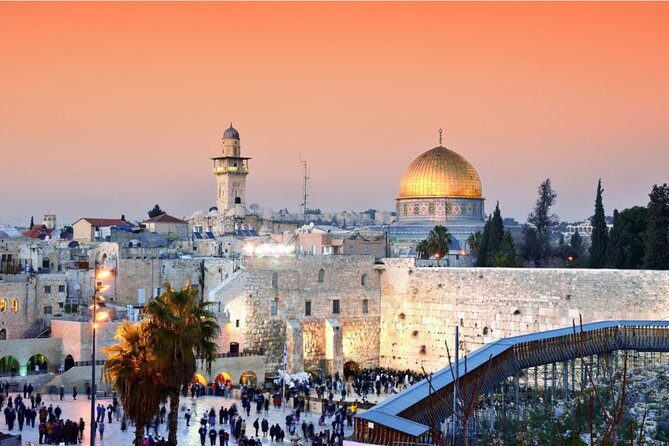
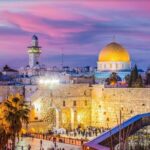
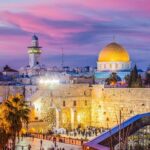
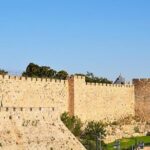
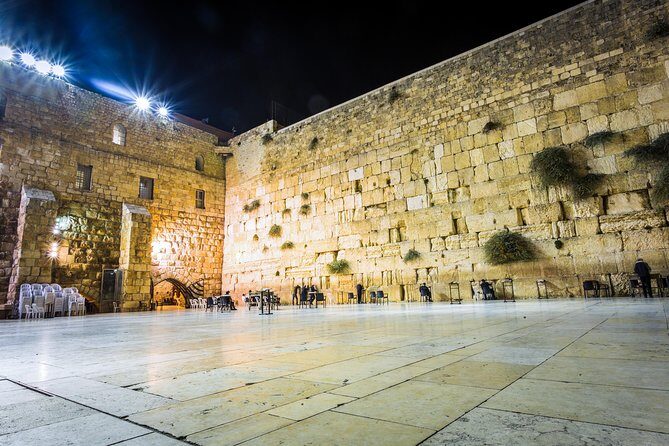
Jerusalem is the heart of this itinerary, and the tour doesn’t treat it like a single photo stop. You’ll enter the Old City and see the Western Wall area and the Temple Mount complex. Even if you’re not trying to interpret every sacred detail, the scale alone makes you understand why Jerusalem matters to so many faiths.
Then comes the historic walking route: the Via Dolorosa toward Calvary and the Church of the Holy Sepulchre, where the traditional sites of the Crucifixion and Resurrection are found. This is one of those places where crowds and timing can affect your experience. Give yourself permission to move with the group and keep your energy for the bigger “wow” moments.
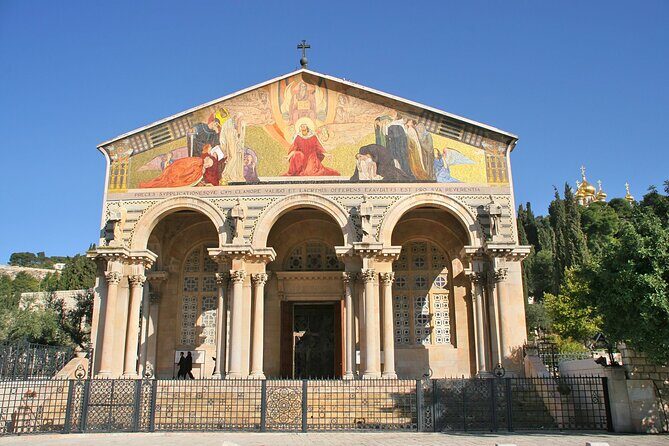
The Jerusalem day also includes Mount Zion (with traditions tied to King David’s tomb and the Room of the Last Supper). Later, you’ll shift to the spiritual geography outside the walls: Gethsemane and Mount of Olives. The Mt of Olives viewpoint is a classic reason this tour gets such strong marks—because it’s the kind of view that makes the city feel “real,” not abstract.
Ein Kerem, Bethlehem, and Yad Vashem: faith landmarks plus a required moral center
A big strength here is that the tour doesn’t skip major non-Christian history. On the same early route, you’ll start at the Israel Museum, including the Shrine of the Book and the famous Dead Sea Scrolls. You’ll also see a renovated model of Herodian-era Jerusalem, which helps your brain place the Old City into a real historical timeline.
After that, you visit Ein Kerem, a picturesque village tied (by tradition) to John the Baptist’s birthplace. Then the day turns heavier with Yad Vashem, Israel’s official Holocaust Remembrance Center. This isn’t optional in the day’s flow—it’s scheduled and included—so you’re reminded that this land story includes Jewish survival, loss, and remembrance, not just ancient religious sites.
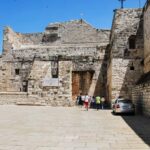
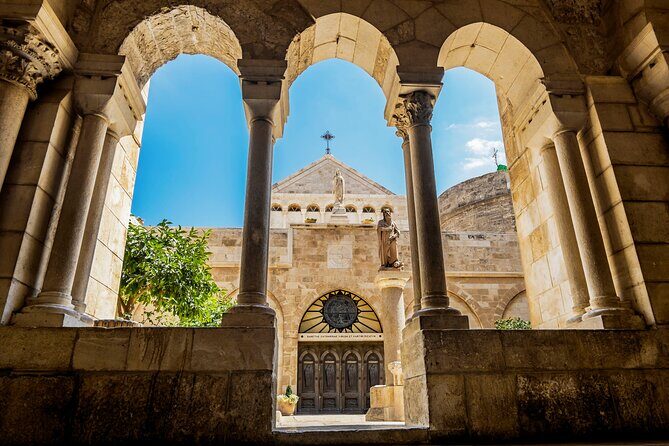
Then you go to Bethlehem, visiting the Church of the Nativity and Manger Square. It’s a powerful contrast: the layered holiness of the region, seen back-to-back with modern memorial history. If you’re coming for the Bible, this day helps you understand the broader meaning of the places—because they exist inside real communities and real memory.
The drive north: Jericho valley, Beit She’an, Golan Heights, and Tiberias
Leaving Jerusalem you head into the Jordan Valley region toward Beit She’an National Park, a Roman-era site with major excavations. One of the practical benefits of this stop is how “touchable” history feels here. You’re not just hearing names—you’re walking through an old city layout and imagining daily life in a landscape that’s been used for centuries.
Next you go to the Golan Heights. The day includes an Israeli wine-country style experience with a tour and tasting, plus a look at Druze villages, old fortifications, and big views toward Mount Hermon and the direction of Syria. This is also a day where the scenery and political geography overlap. Just be prepared for the fact that you’re traveling through areas shaped by modern realities as well as ancient history.
You finish the day in the Tiberias area near the Sea of Galilee. It’s a good pivot point between “ruins and routes” and “Gospels and shorelines,” so you can shift your mindset without losing the momentum.
Sea of Galilee day: Capernaum, Beatitudes, Tabgha, and Nazareth’s Church of the Annunciation
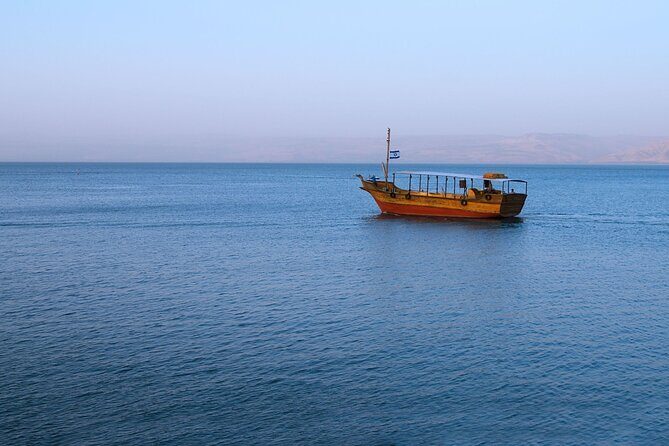
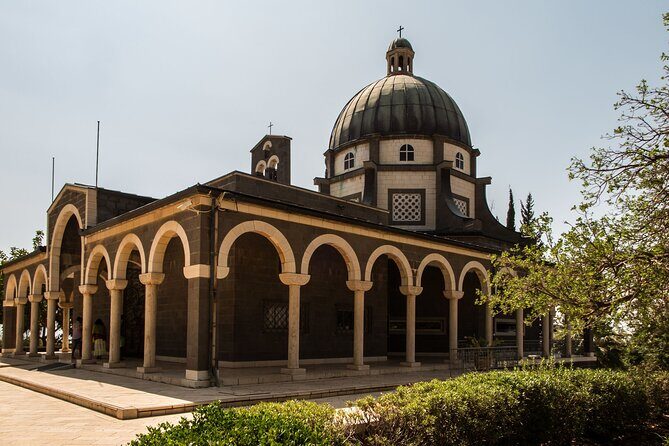
The Galilee portion is where many people feel the tour click. You’ll visit Kfar Nahum (Capernaum) and see the ruins of an ancient synagogue—often associated with traditions about Jesus’s teaching in the region. Even if you don’t anchor yourself to one specific historic claim, the setting helps you understand why the area shows up in so many stories.
Then it’s up to Mount of Beatitudes, tied to the Sermon on the Mount. You’ll also visit Tabgha, traditionally associated with the miracle of the loaves and fish. These are not just “sites”—they’re designed to connect words from the Bible to actual terrain and local light.
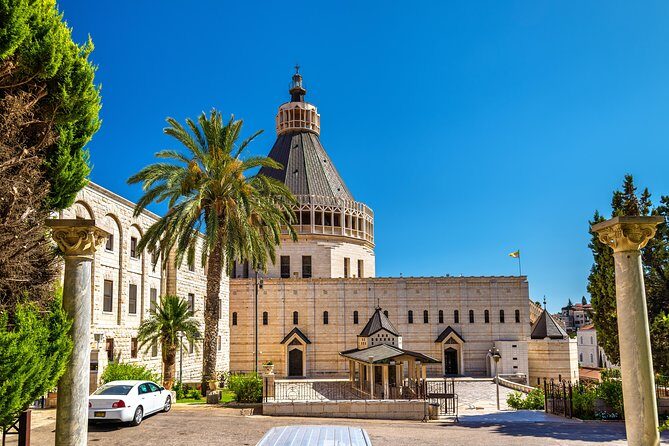
Finally, you head to Nazareth for the Church of the Annunciation and other Christian holy sites. Nazareth is one of the places where faith and community feel tightly linked, and the church is the kind of stop where the experience is as much about atmosphere as it is about architecture.
Acre, Haifa, Caesarea, and Jaffa: the tour’s coastal history finale
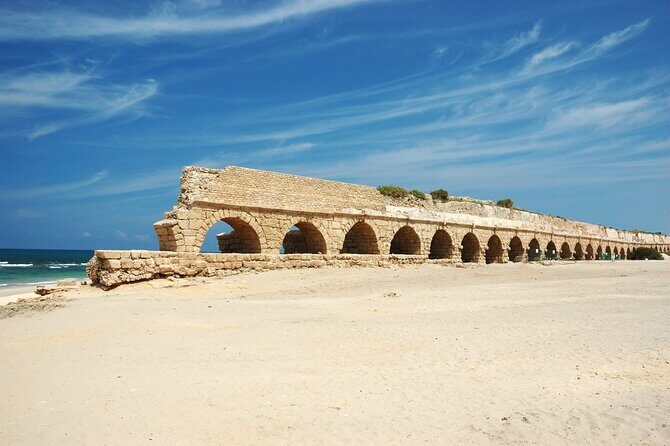
After the Galilee, you shift west toward the coast, and the day becomes a mix of forts, gardens, ruins, and city textures.
In Acre (Akko), you’ll visit the Citadel of Acre, including Crusader stronghold areas and medieval fortifications. From there you go up Mount Carmel to Haifa, where you’ll get a panoramic view of the city, including the Baha’i Shrine and the Persian Gardens. If you like cities that feel like crossroads, this section will satisfy you.
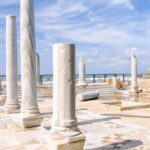
Next comes Caesarea National Park, with the Roman Theater and the Crusader fortress associated with the legacy of Herod the Great. It’s a rare change of pace: big open-air ruins that feel less crowded than the Old City lanes, and more like you’re walking through time at your own pace within the group schedule.
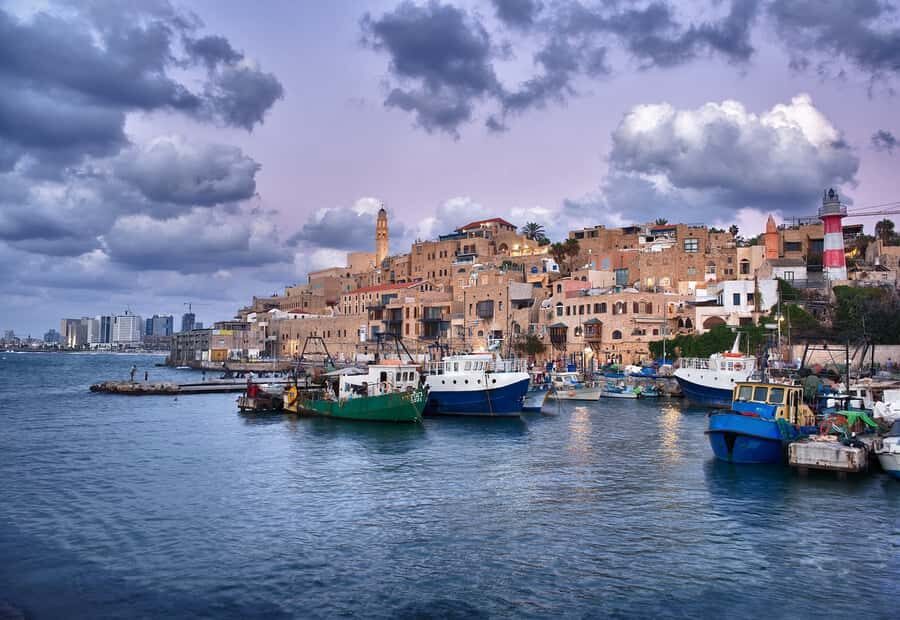
You finish with a short tour of Jaffa Old City and its ancient port area. Jaffa adds a modern edge to the day without pulling you too far away from the historic tone of the tour.
Dead Sea add-on vs Tel Aviv freedom: plan your budget and your expectations
Your tour includes a free day in Tel Aviv. The big optional choice is the Dead Sea day trip, which costs extra.
Here’s how I’d think about the decision:
- If you love unique geography and want the Dead Sea experience as a memory-maker, choose the add-on and accept that it’ll add cost and logistics.
- If you prefer eating local food at your own pace and wandering markets and beaches, keep Tel Aviv as your rest and reset day.
One important caution from real trip feedback: don’t assume add-ons are included. At least one guest pointed out that costs like Dead Sea (and another major site) were not obvious at booking time. So yes—read the fine print on what’s included vs what’s optional.
Price and logistics: what $1,712 buys you (and what it doesn’t)
At $1,712 per person for about seven nights, this tour sits in the middle-to-higher range. The question isn’t just “Is it expensive?” It’s “Do you get enough structure and included value for that price?”
Here’s what you do get:
- A professional guide throughout the core sightseeing days
- Air-conditioned vehicle for transfers
- 7 nights of accommodation
- Round-trip airport transfer on the designated arrival and departure days
- 6 breakfasts and 6 dinners included
- Several key admissions built in (Israel Museum including Shrine of the Book, Yad Vashem, and select national park and historic sites)
What you don’t get:
- Lunches and drinks are not included unless specifically noted
- Optional add-ons (like the Dead Sea day trip) cost extra
- You’ll still walk a lot, and you’re on a group timeline
If your time in Israel is tight and you want someone to handle routing, tickets, and sequencing between Jerusalem, the Galilee, and the coast, the pricing can make sense. If you’re the type who likes to move slowly and chase your own detours, you may find the structure constraining.
Also, your group size is capped at 40 travelers, which usually helps compared to larger bus tours. Still, it’s a group: you’ll wait sometimes. I’d plan for that.
Making it work on the ground: practical tips for a smooth (and less stressful) trip
This tour is a lot of “see and learn.” A strong guide can turn that into a satisfying story, and names you may hear associated with excellent service include Leah, Boaz, Omer, Patrick, and Mark. The point for you: when the guide is good, the route feels coherent and not random.
To keep your experience from feeling rushed, do three things:
- Wear real walking shoes. You’ll be on uneven surfaces and in crowded areas.
- Be punctual when the group meets. One review mentioned waiting caused by late arrivals, and that’s a classic group-tour problem.
- If you need extra time for worship or a specific church, tell your guide early in the day. The schedule is busy, so you’ll get more traction with a clear request before you reach the “end of the slot.”
If you’re thinking about your photography too, remember that Jerusalem’s Old City stops can be crowded. Don’t plan your best shot for the moment you’re tired or rushed. Build your photos into the natural breaks—market time, viewpoint time, and open-air ruins.
Should you book? Who this tour suits best (and who should look elsewhere)
Book this tour if you want:
- A structured, Bible-focused route that also includes major history and culture
- A guided day that covers Old City Jerusalem, Bethlehem, Nazareth, and the Galilee in a single trip
- Built-in admissions for big-ticket sites like the Israel Museum (Shrine of the Book) and Yad Vashem
- A fair mix of sacred landmarks and “Israel beyond the Bible,” including markets and modern city walking in Tel Aviv
Consider another option if you:
- Need more free time inside religious sites for prayer or slow contemplation
- Dislike surprise add-on costs and fixed group pacing
- Prefer DIY travel where you control every minute, not just your hotel and final-day plans
My take: this is a solid value if you budget for add-ons and accept the pace. It’s not a laid-back sightseeing stroll. It’s an efficient, faith-and-history road trip with serious momentum.
FAQ
What cities does the tour cover?
It includes Tel Aviv, Jerusalem, Bethlehem, Nazareth, and the Galilee area, plus Haifa, Acre (Akko), Caesarea, and Jaffa as part of the coastal day.
How many nights are spent in each place?
You stay three nights in Jerusalem, two nights in Tel Aviv, and two nights at a Galilee kibbutz hotel.
Does the tour include the Dead Sea?
An optional day-trip to the Dead Sea is offered for an additional cost. You also have a free day in Tel Aviv.
What time does the tour start?
The tour start time is listed as 8:00 am, with the meeting point at Ben Gurion Airport.
What’s included in the price?
Included items are round-trip airport transfer (on the designated arrival and departure days), a professional guide, air-conditioned vehicle, 7 nights of accommodation, dinner for 6 days, and breakfast for 6 days. Several major admissions are also included.
Are meals like lunch included?
Food and drinks are not included unless specified. The tour lists included breakfasts and dinners, but lunches are not noted as included.
What’s the maximum group size?
The tour has a maximum group size of 40 travelers.
How much time do I have to cancel for a full refund?
You can cancel up to 6 days in advance of the experience start time for a full refund.
How do airport transfers work?
Airport transfers on arrival and departure are provided only on the designated tour days. If you arrive before or depart after the tour dates, you’ll need to arrange your own transportation for those times.