REVIEW · JERUSALEM
Experience Shabbat With Dinner In Jerusalem
Book on Viator →Operated by eatwith · Bookable on Viator
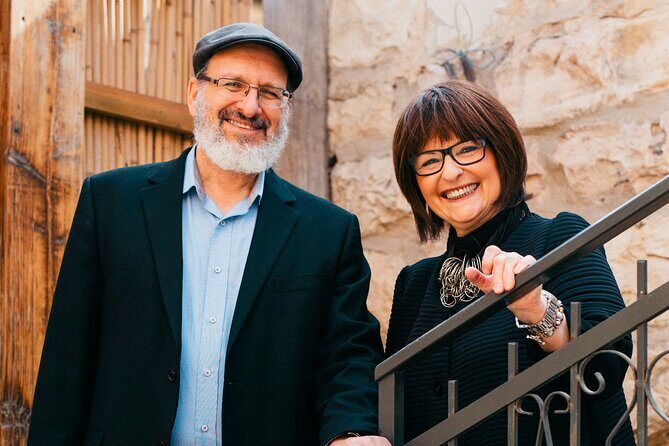
Shabbat feels personal at this table. In Jerusalem, Osnat and Rabbi Shaul host an in-home Shabbat dinner with Yeshiva students, where you get Kabbalah and Hassidic-style teaching alongside singing and even dancing, not just a passive meal. I love that the food is made fresh on the premises with seasonal ingredients, and I love how the evening turns study into something you can feel—through stories, song, and conversation. The main thing to consider is timing: the start can shift based on when Shabbat enters at sunset.
This is a kosher le-mehadrin multi-course dinner designed for a small group (up to 15), so the mood stays warm and human. Israeli wines and soft drinks are included, with the option to BYOB, and it all runs about 2.5 hours—long enough to learn the rhythm, not so long that you check out. It is also near public transportation, which helps if you want an easy Friday night without stress.
In This Review
- Key highlights to look for
- What you’re really buying: a Shabbat rhythm, not a restaurant meal
- Timing in Jerusalem: why your start time moves with sunset
- Meeting on Elisha Street and finding the vibe fast
- The Shabbat flow: teachings, song, and a seat at the circle
- The multi-course kosher meal: fresh seasonal cooking, made on-site
- Drinks and the BYOB option: what you get with your ticket
- Who will love this experience most
- Practical tips that make the night smoother
- Value check: is $181.61 worth it?
- Should you book this Shabbat dinner in Jerusalem?
- FAQ
- How long is the Shabbat dinner experience?
- What time does the experience start?
- Where do I meet for the dinner?
- Is the dinner kosher?
- Are drinks included?
- How many people are in the group?
- What if I have dietary restrictions or allergies?
- Do I need a physical ticket?
- Is free cancellation available?
Key highlights to look for
- A real Friday-night Shabbat table: You are part of the evening, not just watching from the sidelines.
- Kabbalah + Hassidic teachings, explained with heart: Rabbi Shaul’s spiritual lessons are woven into the night.
- Singing and dancing included: The music is not background noise; it is part of the experience.
- Home-cooked, on-site food: Seasonal dishes made by the host family and their daughters.
- Drinks are built in: Israeli wine and soft drinks included, with BYOB allowed.
- Small-group setting: Maximum 15 people keeps things personal and conversational.
What you’re really buying: a Shabbat rhythm, not a restaurant meal
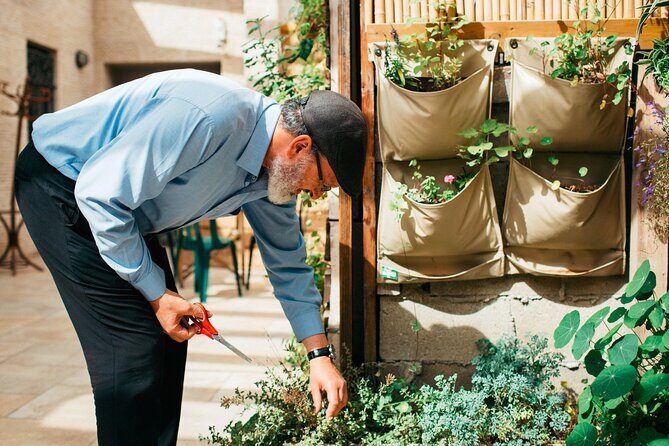
Jerusalem is full of great food. This experience is something else. You are stepping into the flow of Shabbat as it happens in a home—where the evening mixes prayer-style moments, spiritual teaching, and shared food into one continuous Friday-night rhythm.
The big value here is the balance. You get a multi-course kosher dinner made from fresh, seasonal ingredients, and you also get context for what you are eating and what Shabbat means. That matters, because otherwise Shabbat can feel like a list of traditions you read about. At this table, you experience the pacing—how conversation shifts, how singing takes over the room, and how the hosts keep it joyful without turning it into a show.
I also like that the hosts are not hiding behind “tour-guide mode.” Osnat is an artist and event producer, and you can feel that in how the evening is organized. Rabbi Shaul teaches Judaism, spirituality, and Kabbalah, so the night has a clear thread. Even better: Yeshiva students join in, which adds youthful energy to the learning and music.
You can also read our reviews of more tours and experiences in Jerusalem.



Timing in Jerusalem: why your start time moves with sunset
Here’s the practical part that can catch people off guard: the starting time can vary because it lines up with the entrance of Shabbat, which follows sunset time.
You will see a start time listed for 8:00 pm, and the experience is about 2 hours 30 minutes. But on different Fridays, the actual Shabbat moment shifts. Some diners have noted the dinner often lands closer to 6:00 pm on certain weeks, which is exactly the kind of detail you should take seriously in Jerusalem.
My advice: plan to arrive a little earlier than you think you need. If you are using public transportation, build in a buffer. This is one of those experiences where showing up perfectly timed is great—but showing up a bit early is smarter.
Meeting on Elisha Street and finding the vibe fast
You meet on Elisha Street in Jerusalem, and the activity ends back at the meeting point. That round-trip structure is simple: no mystery transfers, no complicated route planning.
Because it is near public transportation, you do not need a car or taxi plan to make it work. Still, Jerusalem neighborhoods can be a little maze-like depending on where you start from. So give yourself time to locate Elisha Street calmly. If you tend to get flustered in transit, this is one of those nights where you want your stress level to stay low—Shabbat dinner is more enjoyable when you are settled before the first moments begin.
Once you arrive, the small-group size (up to 15) helps immediately. You should feel like you’re joining a group circle rather than being shuffled into a big dining room. That is a big part of why people leave talking about the spirit of the night, not just the dishes.
The Shabbat flow: teachings, song, and a seat at the circle
The evening is designed as a sequence. You are not just waiting for food to appear. You will experience segments that blend learning with celebration.
Rabbi Shaul’s spiritual teaching is a core element. The night includes Kabbalah and Hassidic-style teachings and study, which can be intimidating if you expect a classroom. Here, it is framed in a way that stays accessible. You are not required to know anything ahead of time. Think of it like being guided through the meaning behind the atmosphere—why the songs matter, why the rhythm of Shabbat is different, and how spirituality fits into everyday life.
Then comes the social energy: singing, and yes, dancing. This is where the experience becomes memorable. The hosts and their group make it clear that Shabbat is not only solemn. It is also about joy. The music is part of the learning, too. When people sing together, the room changes. You stop thinking about whether you got the right translation of a phrase and start feeling the shared cadence.
A practical note: because the evening includes singing and even dancing, it is worth dressing comfortably. You do not need to pack a costume, but you should wear shoes that work for standing and moving.
The multi-course kosher meal: fresh seasonal cooking, made on-site
This is a multi-course kosher Shabbat dinner made on the premises, using fresh, seasonal ingredients. That single detail—made on-site—changes how the food feels. Instead of everything coming from a kitchen that has been running for hours, you are eating meals prepared by the hosts and their family team right there.
Osnat and Rabbi Shaul have help from their daughters who cook, bake, and serve. That family involvement often shows up in the pacing. Dishes appear in a natural sequence. Courses do not feel rushed. And you can usually tell when someone has baked carefully that day versus assembled something for a crowd.
Also, because it is kosher le-mehadrin, you should expect extra care around standards. If dietary adherence is important to you, this is a big plus. If you have any allergies or a specific dietary restriction, you’ll need to communicate it when booking so the hosts can plan accordingly.
What does “multi-course” mean for your evening? Plan to eat properly. This is not a light tasting menu where you can snack later. You will want to come hungry and ready to slow down. Shabbat dinner is about giving your evening time to unfold.




Drinks and the BYOB option: what you get with your ticket
Your price includes Israeli wines and soft drinks. You can also bring your own bottle if you want something specific—BYOB is allowed.
This is where the value math gets interesting. At many dinner experiences, the food price is one thing and the drinks are extra. Here, drinks are built in, which makes the night feel more complete and less like an add-on. You are also getting the pleasure of sharing drinks in a Shabbat context, not just toasting at the end of a meal.
If you love wine, you might find the included Israeli options are a nice bonus. If you prefer something else, BYOB gives you a way to stay comfortable without feeling limited.
One more practical tip: pace yourself with the wine. The night includes singing and dancing, so you want to enjoy the whole flow—not just the first course.
Who will love this experience most
This kind of Shabbat dinner is best for people who want meaning with their meal. If you like your travel with a human thread—hosts who talk to you, a story behind the food, and music that turns into participation—this fits well.
It also works well if you enjoy spiritual curiosity without needing to be an expert. The night includes Kabbalah and Hassidic teaching and study, but it is presented through experience and conversation, not a technical lecture.
A small-group home setting also suits people who prefer quieter intimacy over big group tours. Maximum 15 people means you can ask questions, share reactions, and settle into the evening without shouting over a crowd.
Who might not love it? If you want a strictly informational, museum-style program, this is not that. This is Shabbat as lived—warm, music-driven, and family-centered. If you dislike singing or prefer a very structured schedule with minimal interaction, you may find it a bit more lively than you expected.
Practical tips that make the night smoother
A few small choices can make this Friday night feel effortless:
- Arrive a little early so the shifting Shabbat timing does not stress you.
- Wear comfortable clothes and shoes since the evening includes singing and dancing.
- Let the hosts know about restrictions at booking. If you have allergies or a special diet, this is essential.
- Plan on a full dinner. It is multi-course, so don’t rely on snacks later.
- Bring your own bottle only if you truly want it. Since Israeli wine and soft drinks are already included, you can keep it simple.
Also, if you are coming from elsewhere in the city, give yourself time to find Elisha Street. Jerusalem is manageable, but it rewards calm planning. The better your start, the more you’ll enjoy the learning-and-joy mix.
Value check: is $181.61 worth it?
At $181.61 per person, you are paying for more than food. You are paying for:
- a kosher le-mehadrin multi-course dinner made on premises
- included Israeli wines and soft drinks
- spiritual teaching with Kabbalah and Hassidic-style study
- a small-group, at-home atmosphere where singing and dancing are part of the program
In plain terms, this is the difference between a traditional dining experience and a cultural evening with real hosts. The price is not cheap, but the included meal, drinks, and guided Shabbat context help justify it. You also avoid the common travel downside of “cultural experiences” that feel scripted or distant. Here, the evening is family-run, and the spirit shows.
If your goal is to spend your time in Jerusalem eating and learning at the same table, this is a strong use of your Friday night budget.
Should you book this Shabbat dinner in Jerusalem?
If you want an authentic Friday-night experience that blends fresh, seasonal kosher food with real Shabbat teaching and joyful participation, I’d say book it. The small group size, the home-cooked feel, and the mix of Kabbalah, singing, and dancing make it something you can’t easily replicate on your own.
Do it especially if you like your travel grounded in people, not just landmarks. You’ll get a deeper sense of Shabbat through rhythm and conversation, not just facts.
The one reason to hesitate is timing uncertainty with sunset. If you absolutely cannot move your schedule for a shifting start, you may find that frustrating. But if you can be flexible and show up calm, this is the kind of evening that tends to stick with you long after the dishes are cleared.
FAQ
How long is the Shabbat dinner experience?
It runs for about 2 hours 30 minutes.
What time does the experience start?
The start time can vary because it depends on when Shabbat enters at sunset. A start time of 8:00 pm is listed, and confirmation is received at booking.
Where do I meet for the dinner?
You meet at Elisha Street, Jerusalem, Israel. The experience ends back at the meeting point.
Is the dinner kosher?
Yes. The meal is a multi-course kosher Shabbat dinner made from fresh, seasonal ingredients, and it is described as kosher le-mehadrin.
Are drinks included?
Israeli wines and soft drinks are included. BYOB is also allowed if you want to bring your own bottle.
How many people are in the group?
There is a maximum of 15 travelers.
What if I have dietary restrictions or allergies?
You need to communicate your food restrictions (allergy or special diet) when booking.
Do I need a physical ticket?
No. The experience uses a mobile ticket.
Is free cancellation available?
Yes. You can cancel up to 24 hours in advance for a full refund.