REVIEW · TEL AVIV
City of David and Underground Jerusalem Day Trip from Tel Aviv
Book on Viator →Operated by Bein Harim Ltd · Bookable on Viator
One morning. Ten hours. Big Jerusalem sights. This day trip strings together the hilltop views, the Old City quarters, and the archaeological story of Jerusalem starting over 3,000 years ago at the City of David. You’ll also ride through the same valleys and neighborhoods that shaped the city for centuries, with stops like Mount of Olives and the Garden of Gethsemane along the way.
I love the way this tour mixes viewpoints and walking: the panoramas from the slopes over the Old City help you get your bearings fast. I also like the hands-on feel of the City of David area, including the over-ground ruins and underground-style sections such as Warren’s shaft.
The main drawback is simple: it’s a lot of walking, often on hills, plus tight underground areas. If enclosed spaces bother you, plan carefully.
You’ll also want to know what you’re signing up for: an air-conditioned coach, hotel pickup/drop-off, and a group capped at 40. Dress code matters too. For places of worship and selected museums, plan on covered knees and shoulders (skip shorts), or you risk being turned away.
In This Review
- Key things to know before you go
- Tel Aviv to Jerusalem: why the early start actually helps
- Mount Scopus and the view that sets the whole day
- From the Kidron Valley to the Mount of Olives views
- Zion Gate and the Old City walk: efficient but focused
- Western Wall time: a break with serious atmosphere
- City of David National Park: where the day really turns archaeological
- King David’s Tomb and Mount Zion sites: tradition plus questions
- Sephardic synagogues and the Herodian Mansions story
- Where the guide matters most on this kind of day
- Price and value: what $99 buys, and what costs extra
- Walking, hills, and tunnels: plan your body like you plan your route
- Who should book this City of David and Underground Jerusalem trip
- Should you book this day trip from Tel Aviv?
- FAQ
- What time does the tour start?
- How long is the day trip?
- Is pickup and drop-off included from Tel Aviv?
- Are entrance fees included?
- Is there a dress code?
- Is this tour suitable for young children?
Key things to know before you go
- Mount Scopus first: a 30-minute stop with views over the Old City to set context before you start walking.
- Old City route is efficient: Zion Gate, Armenian Quarter, Jewish Quarter, then the Cardo, with the Western Wall slotted in.
- City of David is the big archaeological focus: you’ll see ongoing excavations at the national park and Warren’s shaft.
- Underground options can be tight: some sections are narrow, and there are also optional tunnel experiences that can get cold and wet underfoot.
- Synagogues can change: if Spanish synagogues aren’t possible, you’ll visit the Hurva Synagogue instead.
- You’ll pay a bit extra on site: City of David and some synagogue entrances are not included.
Tel Aviv to Jerusalem: why the early start actually helps
The tour starts at 7:15 am, and that’s not just for the schedule gods. It matters because the route is packed with multiple zones of Jerusalem—some on hilltop streets, some inside walled areas, and some in archaeological sites that eat up time. Starting early gives you a better shot at enjoying each stop rather than rushing through with sweat in your eyes and a sunburn forming on day one.
You’ll ride in an air-conditioned coach, and you can expect hotel pickup and drop-off from central Tel Aviv. For many people, that alone makes the day easier than cobbling together buses and taxis. Still, the day is long (about 10 hours), so think of this as a full-day outing, not a slow stroll.
Dress code is a real factor here. You’re visiting places of worship and selected museums, so covered knees and shoulders are required. Plan for that up front and wear comfortable layers. Jerusalem weather can swing too, so bring something light you can put on if you’re chilly after time in AC.
You can also read our reviews of more city tours in Tel Aviv



Mount Scopus and the view that sets the whole day
Your first structured stop is at Mount Scopus National Botanical Garden for about 30 minutes, with entry listed as free. This is a smart “warm-up” stop. Even if you’ve seen Jerusalem from photos, this view helps you connect the names you’ll hear later—Old City walls, the Temple Mount area, and the general layout.
If you’re the type who likes to understand where you are before you walk, you’ll appreciate this part. If you hate looking at landscapes and would rather get moving, you’ll still find it useful because the rest of the day becomes easier when you can spot major landmarks.
From the Kidron Valley to the Mount of Olives views
Next comes the drive through the Kidron Valley, followed by time at the Garden of Gethsemane. The tour frames the site in religious tradition, with the stop tied to the belief that Jesus prayed there before his crucifixion. Even if you’re not visiting for faith reasons, it’s still one of those places where you can feel the weight of centuries.
Then you hit the Mount of Olives area for panoramic views over the Old City. This is one of the best places to understand why this city is so fiercely mapped by religion and politics. From the slopes, you can see how the Old City sits in a bowl of hills. Your guide points out key sights—like the Temple Mount Esplanade, which the tour description refers to as where heaven is said to meet earth.
Practical tip: bring sunglasses and water. The day can be hot, and you’ll be outside in multiple stretches.
Zion Gate and the Old City walk: efficient but focused
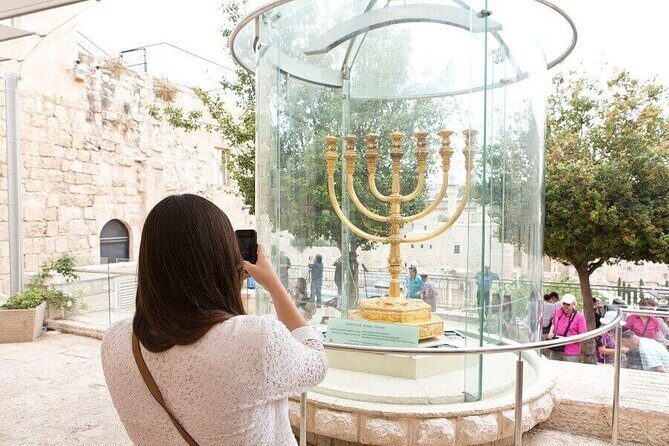
At Zion Gate, you enter Old Jerusalem. This part of the route is brief—about 10 minutes at the gate—then you continue into the Old City for roughly an hour.
The stop list is built to keep you from wandering in circles. You move through:
- the Armenian Quarter (about 20 minutes),
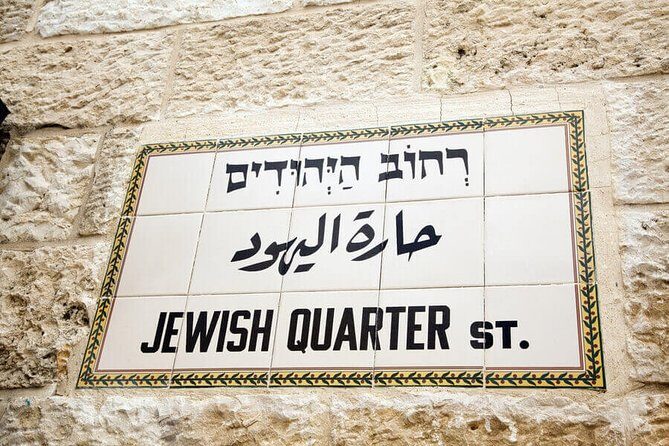
- then into the Jewish Quarter (about 1 hour),
- and then toward the Byzantine Cardo (about 20 minutes).
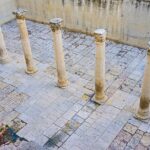
The Cardo stop is a nice touch because it’s a reminder that Jerusalem has layers beneath your feet. You’re seeing architecture tied to older eras as you travel through the present-day streets.
One thing to keep in mind: Old City walking can feel crowded and winding. If you’re traveling with mobility limits, this is not the kind of route where you can simply drift. You’ll want to stay close to the group and wear shoes that handle uneven pavement.
Western Wall time: a break with serious atmosphere
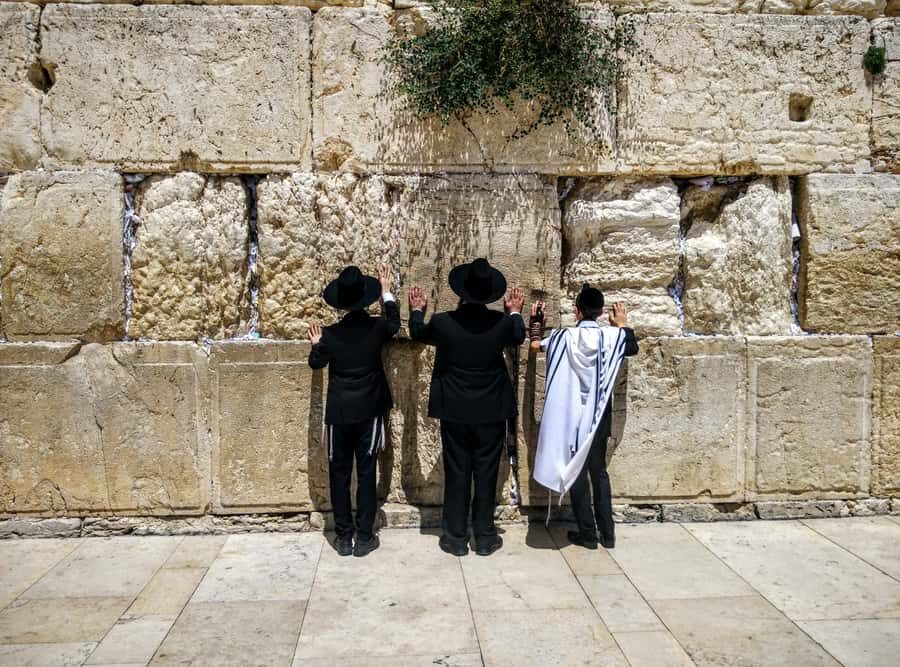
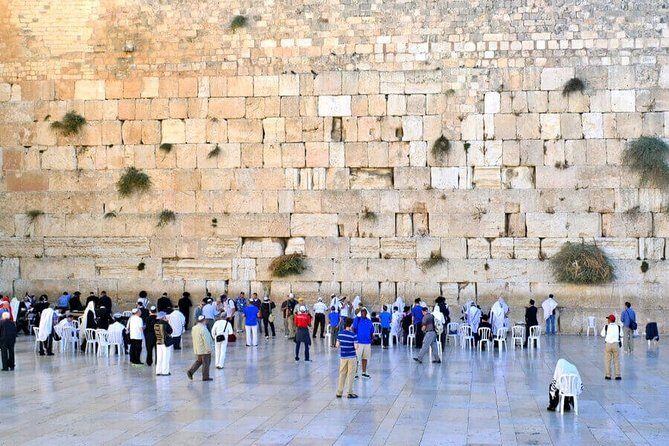
The Western (Wailing) Wall stop is set for about 20 minutes. That’s enough time to see it, pause, and take in the vibe without feeling like you’re rushing a sacred stop.
This is also a helpful moment psychologically. After several historical sites and lots of walking, you get a clearer, calmer focus. The group structure here matters too. Some guided tours pack too many stops; this one gives the Wall a slot that feels intentional rather than squeezed.
A few more Tel Aviv tours and experiences worth a look





City of David National Park: where the day really turns archaeological
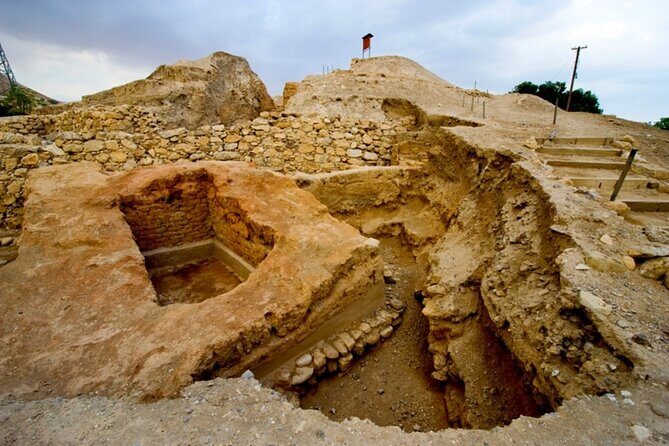
If you’re excited about the physical evidence of Jerusalem’s past, this is the centerpiece. You’ll head south to the City of David National Park for about 1 hour 30 minutes, and this stop has an important note: admission here is not included in the base price.
What you’ll do here is explore the ongoing excavations and see Warren’s shaft. The tone becomes less about modern streets and more about stratified time—layers of remains that help explain how the city grew.
A few practical considerations based on real-world experience:
- Some areas may be under construction, so you might see temporary barriers or ongoing work while you’re there.
- The archaeological sections can include narrow, tight passages. If you’re claustrophobic, take it seriously. This is the part of the day most likely to feel physically uncomfortable.
- Some tunnel experiences may be offered as options. One optional choice mentioned in guides’ explanations includes Hezekiah’s tunnel, which can involve wading through water up to the knee, plus the need for appropriate clothing and a torch in the tunnel areas.
You won’t get the whole City of David story in one visit, of course. But you will get the feeling that this city isn’t just a list of holy sites—it’s a place that’s literally been rebuilt on top of itself.
King David’s Tomb and Mount Zion sites: tradition plus questions
From the City of David area, you’ll stop at King David’s Tomb (about 10 minutes). It’s a short stop, but it’s an iconic one. The tour includes the sarcophagus view as part of the visit.
You should know that biblical tradition and archaeology don’t always line up neatly in people’s minds. The tour description presents it as the resting place of David, but if you care about the debate over whether those remains match the tradition, you may or may not hear a full explanation during your visit. If that matters to you, bring your curiosity and ask your guide for how they explain the tradition versus the evidence.
The tour also places time in the Mount Zion area for sites such as the Hall of the Last Supper and nearby structures tied to the broader Jerusalem tradition. In other words: after the archaeological intensity of City of David, the day shifts back toward religious landmarks, still within a compact geographic area.
Sephardic synagogues and the Herodian Mansions story
Back in the Old City zone, the day includes visits to the 16th-century Sephardic synagogues and the Herodian Mansions—luxury terrace homes from over 2,000 years ago, with marble and mosaics referenced in the tour description.
Here’s a key practical point: the Four Sephardic Synagogues have an entrance fee not included. The tour description also notes that if the Spanish synagogues are not possible, you’ll visit the Hurva Synagogue instead. That flexibility is helpful because Jerusalem closures happen.
Why I like this part of the route: it connects people. You get to see how Jerusalem’s elites lived long ago, and you don’t just get one religious stop after another. The idea of “elite homes overlooking the Temple” is the kind of detail that turns the city from generic to specific.
Where the guide matters most on this kind of day
This tour is mostly scheduled sightseeing, so the guide has to do two hard jobs at once: keep the story coherent and keep the group moving without losing people.
The reviews include guide names like Daniel, Charlie, Yoel, and Itamar, and the common thread is that the best guides manage pace and comfort—especially on hot days—while explaining the sites in a way that makes the route feel like a plan, not a pile of random stops. If you’re lucky, you’ll get that mix of history facts and practical group care.
The tricky part: a day that’s packed can still feel uneven. Some people have described rushing in the morning or dragging a bit in the last stretch when there was less to do. That’s not totally in your control, but it does affect how satisfying the day feels.
So here’s the advice: stay flexible in the morning, don’t expect equal time at every stop, and be ready to accept that the underground parts will slow you down (because they’re physically tight and slow-moving by nature).
Price and value: what $99 buys, and what costs extra
At $99 per person, you’re getting:
- hotel pickup and drop-off
- a professional guide
- air-conditioned transportation
- entry included at most listed Old City and viewpoint stops
But a key detail: entrance fees are not included, and the total is listed as about $10 per person (with specific sites like the City of David National Park and Four Sephardic Synagogues noted as not included).
Is it good value? For many people, yes, because it compresses a lot of Jerusalem “top hits” into one day with organized routing. You don’t have to plan logistics, find meeting points, or worry about getting from Tel Aviv to multiple Jerusalem zones.
Is it perfect value? Not if you hate walking or if you’re hoping for a slow, deeply contemplative pace. This is an efficient route. You’re paying for that efficiency—and you’ll spend energy matching it.
Walking, hills, and tunnels: plan your body like you plan your route
This tour includes a reasonable amount of walking, and most people can do it, but the terrain matters. Old City streets can be uneven. Hill areas like the Mount of Olives and surrounding stops mean you’ll work for your photos.
Then there’s the underground component around the City of David. Expect tight areas. One caution that comes up clearly: if you have fear of enclosed spaces, you should take that seriously before booking.
What you can control:
- Wear comfortable walking shoes
- Bring water and sun protection
- Consider long sleeves or a light layer if you want extra coverage without breaking dress code
- If any tunnel option is offered, follow the guide’s instruction on gear—some tunnels may require a torch and appropriate clothing
The tour is doable for many bodies, but it’s not a “sit back and glide” day.
Who should book this City of David and Underground Jerusalem trip
I’d point you toward this tour if you:
- want a full-day introduction to major Jerusalem sites without managing transport yourself,
- like the mix of Old City neighborhoods and archaeological stops,
- enjoy learning the story of the city through physical places (ruins, walls, tunnel-like areas),
- want a guide who can connect viewpoints (like Mount of Olives) with what you’ll see on the ground.
I’d steer you to something else if you:
- can’t handle lots of walking and hills,
- feel uncomfortable in narrow spaces,
- prefer fewer stops with longer breaks at each one.
Should you book this day trip from Tel Aviv?
If you want one organized day that covers City of David, Old Jerusalem, and major landmark stops, this is a strong option. The value is in the structure: you get picked up, guided, transported, and returned—while still seeing enough variety to avoid monotony.
Book it if your priority is scope and context. Skip it if you want a gentle pace or if underground tight spaces are a hard no for you.
If you do book, go in with two mindset shifts: you’re signing up for walking, and you’re signing up for a blend of tradition and archaeology. That combo is exactly what makes this tour worth your time.
FAQ
What time does the tour start?
The tour start time is 7:15 am.
How long is the day trip?
It runs for about 10 hours (approx.).
Is pickup and drop-off included from Tel Aviv?
Yes. The tour includes hotel pickup and drop-off.
Are entrance fees included?
No. Entrance fees (approx. $10 per person) are not included. City of David National Park and the Four Sephardic Synagogues are specifically listed as not included.
Is there a dress code?
Yes. A moderate dress code is required for places of worship and selected museums. No shorts; both knees and shoulders must be covered for men and women.
Is this tour suitable for young children?
It is not suitable for children under age 4.