REVIEW · TEL AVIV
From Tel Aviv: Jerusalem Day Trip with Transfer
Book on GetYourGuide →Operated by Rent-a-Guide | est.1985 · Bookable on GetYourGuide
Jerusalem comes at you fast. This day trip packs Ein Karem, sweeping views from Mount of Olives, and the Old City’s main religious landmarks into one organized route with hotel transfers.
Two things I really like: the panoramic stop on the Mount of Olives, and the way the guide helps you move through tight, confusing streets of the Old City without feeling lost. In the best moments, guides like Yael (and others you might be lucky enough to get) keep the stories clear as you hop between Armenian, Christian, and Jewish areas.
The main drawback is simple: it’s a long, foot-heavy day. With a dense schedule over about 10 hours, you’ll want comfortable shoes and patience for crowds in the holy sites.
In This Review
- Key highlights worth your time
- Tel Aviv to Jerusalem in one day: the 10-hour pace
- Ein Karem: stone lanes and springs to set the tone
- Mount of Olives: the viewpoint that makes the city click
- Mount Zion: Kings David’s Tomb, Last Supper room, Dormition Abbey
- Old City quarters and the restored Cardo: where guidance pays off
- Walking the Via Dolorosa and entering the Holy Sepulchre
- If Yad Vashem is on your schedule, here’s how to use it
- Value and price: why $124 can make sense for this route
- What to wear and how to survive the walking day
- Guides really matter: the difference between a good and great day
- Who this tour is best for (and who it isn’t)
- Should you book this day trip?
- FAQ
- How long is the Jerusalem day trip from Tel Aviv?
- Is hotel pickup and drop-off included?
- What language is the tour guide speaking?
- What major Jerusalem sights are included?
- Are meals included in the price?
- What is included in the tour price?
- What should I wear for the holy sites?
- Is the tour suitable for children?
- What is the cancellation policy?
- Can I book without paying right away?
Key highlights worth your time
- Mount of Olives panoramic views that help you understand Jerusalem’s layout fast
- Ein Karem for a quieter start with stone lanes and hillside calm
- Old City quarters + the restored Cardo, plus time near the Kotel
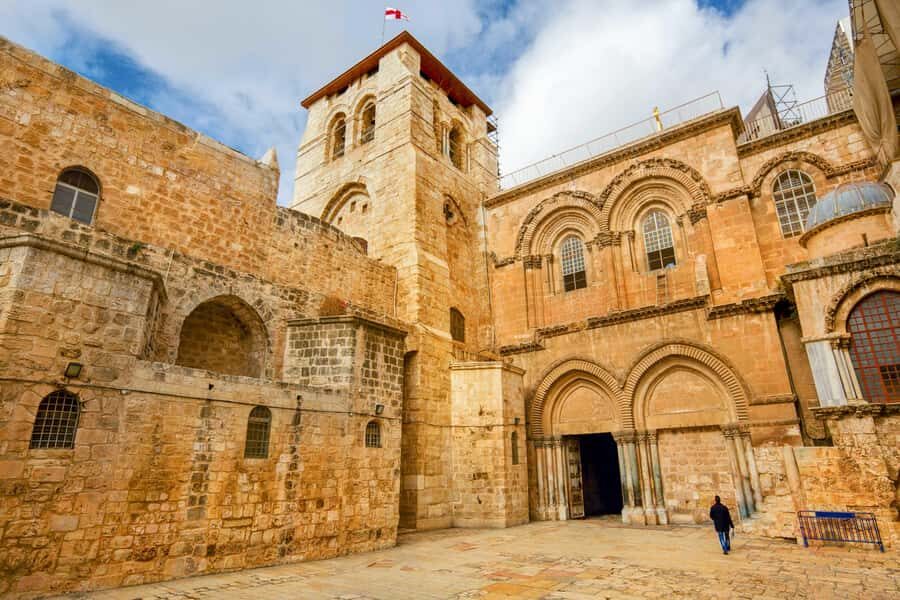
- Via Dolorosa and the Church of the Holy Sepulchre with a guide to keep it organized
- Mount Zion sites like Kings David’s Tomb and the Dormition Abbey
Tel Aviv to Jerusalem in one day: the 10-hour pace
This is a real day trip, not a slow sightseeing stroll. You’re traveling from Tel Aviv to Jerusalem, then spending the bulk of the day walking and switching areas across the city’s layers. It runs about 10 hours, so plan for a “show up, walk a lot, recharge later” rhythm.
Hotel pickup and drop-off are included, but only if your hotel is in a centrally located area. If not, you’ll get the closest meeting point instead. That matters because it affects your morning start time and how early you’ll need to leave Tel Aviv.
One practical point: this kind of itinerary succeeds when you accept the pace. You won’t get to linger for hours in one place. But you will get a guided tour that hits the major sites in a logical order, so you’re not burning half the day just figuring out routes.
A few more Tel Aviv tours and experiences worth a look

Ein Karem: stone lanes and springs to set the tone
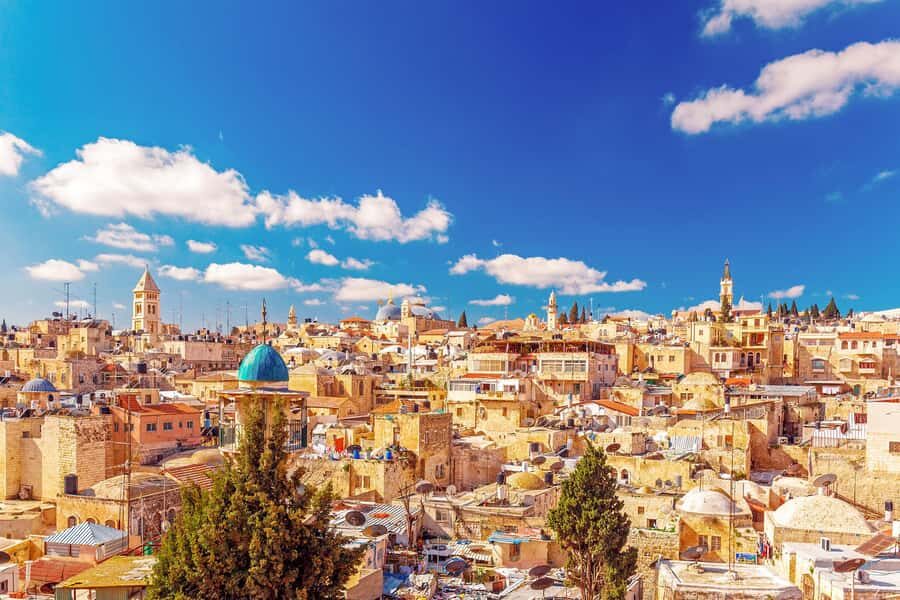
You’ll start with Ein Karem, a neighborhood known for its stone lanes, springs, and a calm hillside setting. It’s a nice contrast to the intensity of central Jerusalem. Even if you only spend a short time there, the feel is different—more village-like, less “tour loop.”
This stop is also smart because it gets you into the atmosphere before the bigger holy-site crowd. You can use the time to orient yourself: Jerusalem is not flat, and the terrain shapes everything. Ein Karem helps you feel that before you climb toward viewpoints.
What I’d do: wear shoes you’re happy to walk in for the day. Even when the itinerary is “short,” Old Jerusalem areas tend to be uneven and crowded, and your legs will notice the difference.
Mount of Olives: the viewpoint that makes the city click
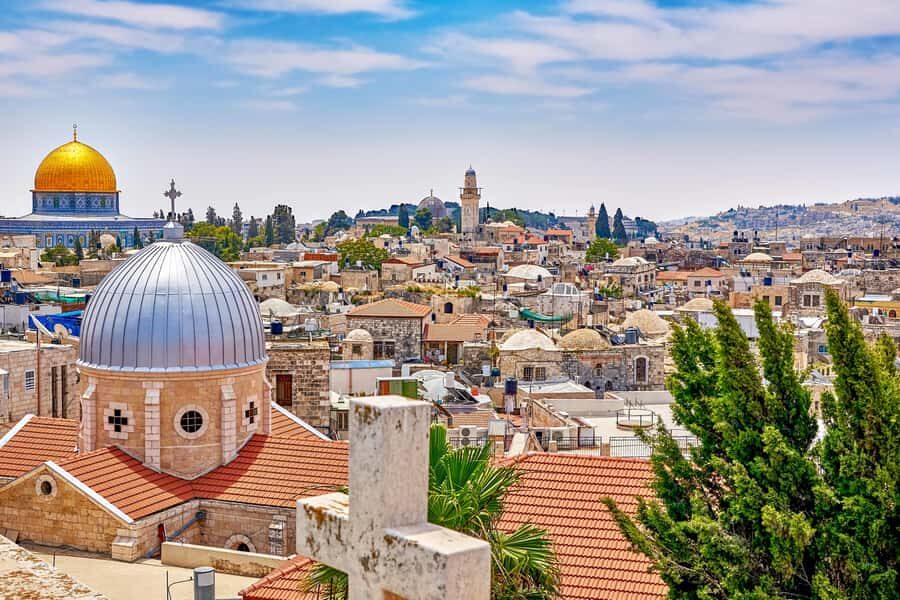
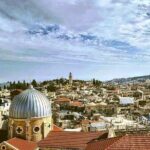
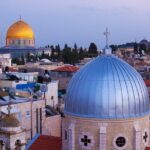
Then you climb to the Mount of Olives, where the payoff is the panoramic view. This is one of those stops that makes the rest of the day easier to understand. From up here, Jerusalem’s old and new parts relate to each other in a way you can’t fully grasp from street level.
If you’re the type who wants to connect geography to history, this is the moment. You’ll see why the route later flows from major viewpoints to the Old City walls and holy sites.
In the reviews, people consistently highlight the view and the quality of the guiding through it. Some guides are mentioned by name—Ido and Paul get called out for calm, strong explanations—so if you’re lucky with your group, this portion can feel like a smart “orientation lesson” as much as a photo stop.
Mount Zion: Kings David’s Tomb, Last Supper room, Dormition Abbey
After the viewpoint, the tour shifts to Mount Zion. This part is more site-focused, with several religious landmarks packed in.
You’ll visit:
- Kings David’s Tomb
- the room associated with the Last Supper
- the Dormition abbey
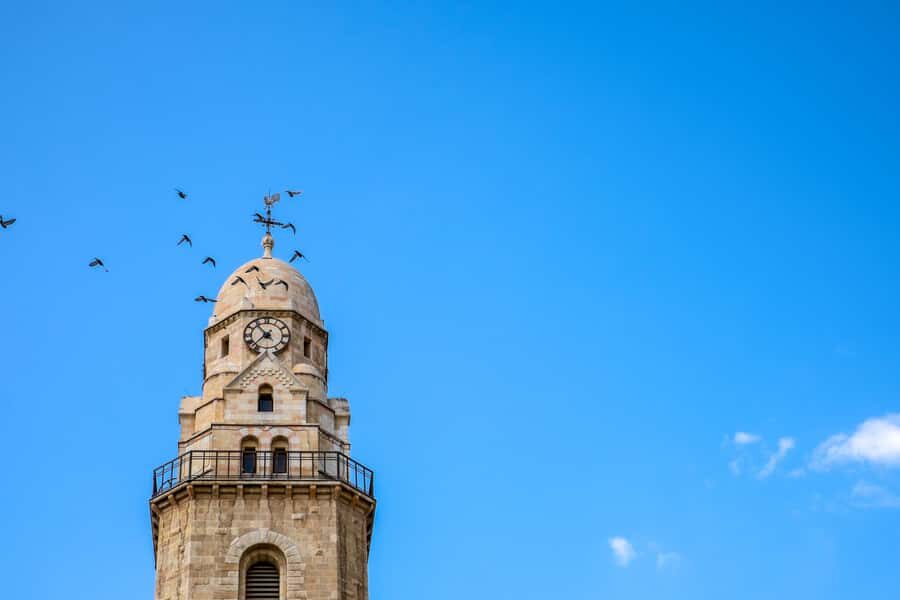
Even if you’re not chasing one specific faith tradition, this is a useful stop because it gives you a sense of how Jerusalem’s sacred sites overlap across centuries. The area also helps break up the day: you’re still walking, but you’re not only moving through the Old City’s market-like lanes.
Practical tip: dress modestly and bring a head covering. Holy sites require it (no shorts or sleeveless shirts), and having the right clothing means you won’t lose time at the entrance.
Old City quarters and the restored Cardo: where guidance pays off
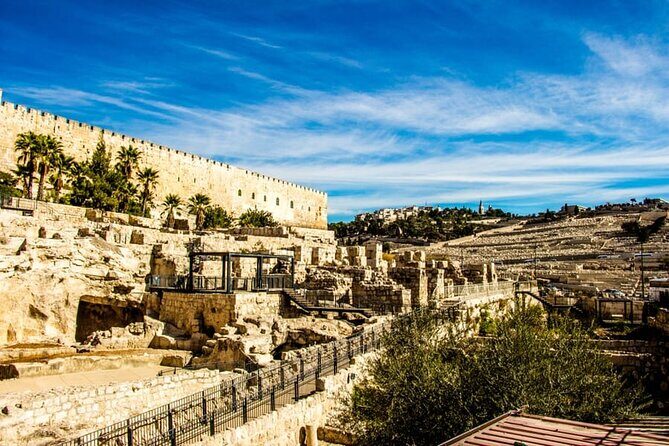
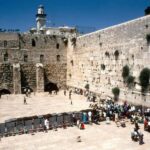
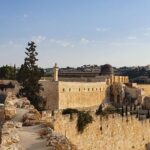
Next comes the Old City, including time in the Armenian and Jewish quarters, plus views near the Christian quarter depending on the day’s flow. You’ll also spend time near the Jewish Wailing Wall, known as the Kotel.
The Old City can be confusing even when you have a map. The streets are narrow, signs can be hard to read quickly, and crowds change your walking route. This is where a government-licensed tour guide is more than a nice-to-have. You get help threading through neighborhoods in the right order, and you can focus on what you’re seeing instead of playing logistics roulette.
One standout detail: the tour includes a stop at the recently restored Cardo, an ancient Roman road. This gives you a different angle on Jerusalem—one that’s not only religious. It’s also a breather in the day. Compared with the densest holy-site streets, the Cardo area can feel more legible as “city planning across time.”
If you care about seeing more than just one highlight, this is where the value shows. The tour isn’t only about one sacred building. It’s about moving across quarters so the city feels like a whole place.
A few more Tel Aviv tours and experiences worth a look






Walking the Via Dolorosa and entering the Holy Sepulchre
After the Old City overview, you’ll walk along the Via Dolorosa and visit the Church of the Holy Sepulchre.
This is the point where the day becomes emotionally intense for many people. Even if you’ve read about these sites before, the layout and scale can feel real fast. And yes, it can be crowded. That’s not a flaw of the tour—it’s just the reality of Jerusalem’s most visited holy areas.
A guide helps here in two ways:
1) They keep the story in order so you don’t lose the plot while surrounded by people.
2) They help you navigate entry points and movement so you’re not stuck wondering what comes next.
From what’s been shared in reviews, the quality of the guiding matters a lot in this segment. People praise guides like Yuval and Ruth for making the dense material feel clear without turning it into a lecture.
What to bring mentally: you won’t “win” the crowd. You’ll work with it. If you keep your expectations realistic, you’ll get more from the experience.
If Yad Vashem is on your schedule, here’s how to use it
One review notes that the day also included the Holocaust museum, described as a Yad Vashem stop on a hill nearby Jerusalem. If your particular schedule includes it, treat that portion as its own focus, not a quick add-on.
Also, that same review strongly recommends the audio guide. That’s practical advice: museums like this get more meaningful when you can listen at your own pace while you walk through exhibits.
Since your tour schedule can vary, the key move is to plan for a possible extra stop without expecting it to be brief. If it’s there, give it the time it deserves.
Value and price: why $124 can make sense for this route
At $124 per person for about 10 hours, you’re paying for more than a bus ride. This tour includes hotel pickup/drop-off (for centrally located hotels), transportation, a government-licensed English guide, and entrance fees to the sites.
Meals are not included. That means the price is mostly about access, timing, and not having to organize a route through several high-demand neighborhoods. If you’ve ever tried to piece together Jerusalem in a single day—multiple sites, tickets, and local guidance—you know how quickly costs and time can get messy.
So the value equation looks like this:
- If you want a one-day “hit the major sights” plan with minimal planning stress, this is a strong fit.
- If you’d rather wander slowly at your own pace and you’re good at transportation logistics, you might prefer renting or building your own route.
Either way, the real question isn’t just cost. It’s whether you want someone to handle the sequencing while you focus on seeing the places.
What to wear and how to survive the walking day
This is not a lounging-style tour. It’s a full day, and people often describe it as exhausting by the time lunch rolls around. That’s not surprising: you’ll move through hills, stair-adjacent areas, and crowded holy-site blocks.
Dress rules are strict for holy sites:
- Modest clothes are required
- no shorts
- no sleeveless shirts
- a head covering is required
Bring (or wear) something that meets those rules comfortably. A lightweight scarf is usually your best friend. Also, pack for the obvious: Jerusalem days can include heat or sudden chill near religious sites, and you’ll be on your feet for a long stretch.
For comfort, I’d also plan small breaks mentally. You’ll spend time at multiple stops, so your best strategy is to treat each one as a chapter. If you try to force enjoyment while rushing through everything, the day feels longer than it needs to.
Guides really matter: the difference between a good and great day
A huge chunk of what makes this tour work is the guide. Reviews mention several leaders by name, and the common theme is clarity and storytelling.
You might get guides like:
- Juda, praised for a warm, engaging approach
- Yuval, noted for charisma and a strong command of Jerusalem’s history
- Yael, credited with clear explanations across the major stops
- Paul, described as calm and offering excellent English
- Ruth and Ido, with friendly, easy-to-follow communication
- Ophir, recognized for detailed guidance
I can’t guarantee who you’ll have. But I can tell you what to look for: when a guide can connect the geography to what you’re seeing, your photos improve and your understanding sticks.
Who this tour is best for (and who it isn’t)
This tour is ideal if you:
- have limited time and want the major Jerusalem sights in one day
- prefer a structured route with a licensed English guide
- like panoramic viewpoints plus Old City walking
It’s less ideal if you:
- don’t want a packed schedule
- struggle with lots of walking and crowded areas
- are traveling with kids under 10 (this tour is not suitable for that age group)
Also, keep in mind modest dress requirements. If you’re not willing to dress accordingly, you’ll spend energy on clothing logistics instead of enjoying the sites.
Should you book this day trip?
I’d book it if your goal is a fast, guided tour of Jerusalem’s headline locations from Tel Aviv. The combination of Ein Karem, Mount of Olives, Mount Zion, the Old City quarters, the Kotel area, the Via Dolorosa, and the Holy Sepulchre is exactly the kind of “one-day greatest hits” plan that works well when a guide handles the flow.
Skip it or reconsider if you’re the type who needs quiet time in one place, or if the idea of a tiring walking day doesn’t sound fun. Also, if you know you won’t be able to meet the dress code, that’s a deal-breaker for the holy-site portions.
If you do book, go in with two expectations: it’ll be intense, and your guide will shape the quality of the experience. Bring good shoes, a head covering, and a calm attitude toward crowds. You’ll get a lot for your time.
FAQ
How long is the Jerusalem day trip from Tel Aviv?
The tour duration is 10 hours.
Is hotel pickup and drop-off included?
Yes, hotel pick-up and drop-off are included depending on your hotel’s location. Pickup is only from centrally located hotels; if yours isn’t central, you’ll be given a closest meeting point.
What language is the tour guide speaking?
The live tour guide speaks English.
What major Jerusalem sights are included?
The tour includes Ein Karem, Mount of Olives, Mount Zion (including Kings David’s Tomb, the room of the Last Supper, and the Dormition abbey), and visits in the Old City including the Armenian and Jewish quarters, the Cardo, the Kotel area, the Christian quarter, the Via Dolorosa, and the Church of the Holy Sepulchre.
Are meals included in the price?
No. Meals are not included.
What is included in the tour price?
Hotel pick-up and drop-off (where applicable), transportation, a government-licensed tour guide, and entrance fees to the sites.
What should I wear for the holy sites?
Modest dress is required: no shorts or sleeveless shirts, and you’ll need a head covering.
Is the tour suitable for children?
No. It is not suitable for children under 10 years.
What is the cancellation policy?
You can cancel up to 24 hours in advance for a full refund. The tour might also be cancelled up to 2 days in advance if the minimum number isn’t reached.
Can I book without paying right away?
Yes. It offers a reserve now, pay later option, so you can book your spot first and pay later.
If you tell me your exact Tel Aviv hotel (or neighborhood) and your travel month, I can help you think through when to start the day and what to pack for comfort.