REVIEW · JERUSALEM
Bethlehem & The Dead Sea Full Day Tour from Jerusalem/TLV
Book on Viator →Operated by Judah Tours · Bookable on Viator
Bethlehem and the Dead Sea, same day. That combo turns a normal sightseeing day into something you actually remember. I like that you get a guided Bethlehem run at multiple landmark churches, then switch gears to the Dead Sea float with plenty of time to feel the difference.
The value here is the logistics. You ride in an air-conditioned vehicle with round-trip transportation from Jerusalem or Tel Aviv, and the group stays small enough (up to 50 people) to keep things moving. In Bethlehem you’re guided, which makes the stops feel more than just photo ops.
One consideration: the Church of the Nativity and Birth grotto can mean waiting in line. On regular days, expect 30 to 90 minutes, and on holidays or Sundays you can’t count on visiting the grotto.
In This Review
- Key things to know before you go
- Why this Bethlehem + Dead Sea day works (and who it fits)
- Meeting up and staying comfortable on the ride to Bethlehem
- Church of the Nativity: what you’ll actually see and what to plan for
- St. Catherine, Milk Grotto, and Shepherd’s Sanctuary: the Bethlehem cluster
- A day in Bethlehem isn’t only churches
- Sanctuary Bethlehem, Rachel’s Tomb area, and the Bethlehem Museum
- The move to the Dead Sea region: what you’re paying for
- Floating at the Dead Sea and relaxing at Neve Midbar Beach
- Price and logistics: does $140 make sense?
- Tips to make the Bethlehem portion less stressful
- Should you book this Bethlehem & Dead Sea full-day tour?
- FAQ
- How long is the Bethlehem & Dead Sea full-day tour?
- Is there a guided tour in Bethlehem?
- Do I have to pay for the Dead Sea entrance?
- What’s included in the price besides the guide?
- Will I definitely see the Birth grotto in the Church of the Nativity?
- Where does the tour depart from?
Key things to know before you go
- A Bethlehem guide, not just a driver: the guided portion is in Bethlehem, so you get context where it matters most.
- Birth grotto lines are real: plan for 30–90 minutes on regular days, and on holidays/Sundays entry may not be guaranteed.
- Dead Sea time is built in: you get about an hour in the water and extra time at Neve Midbar Beach.
- Entrance fees are separate: Dead Sea entrance is 45 NIS per person, and food/drinks aren’t included.
- You’ll cover more than one church: St. Catherine, Milk Grotto, Shepherd’s Sanctuary, Rachel’s Tomb area, plus Bethlehem Museum.
- A mix of classic and local sights: refugee-camp area and an art gallery stop round out the day beyond the biggest shrines.
Why this Bethlehem + Dead Sea day works (and who it fits)
This is the right kind of “big day” tour when you want two bucket-list destinations without spending a night in transit. If you’re based in Jerusalem or Tel Aviv and you hate the idea of scheduling separate half-days, this route is efficient.
I’d book it if you like guided religious history, but you also want a physical payoff at the end. The Dead Sea float is one of those rare experiences where the activity does the explaining.
It’s less ideal if you need a slow, flexible day. You’re on a schedule, you cross into the West Bank, and the Church of the Nativity area can add waiting time.
A few more Jerusalem tours and experiences worth a look
Meeting up and staying comfortable on the ride to Bethlehem
You’ll start with round-trip transportation from either Jerusalem or Tel Aviv, using an air-conditioned vehicle. That matters here because the day is long—about 8 to 11 hours—and you’ll spend more time traveling than you might expect on a “same day” itinerary.
You also get a mobile ticket, which is convenient when you’re moving between locations. And since the group caps at 50, you’re usually not stuck in the kind of chaos where the schedule collapses.
In a day like this, the real win is the guide coverage. Transportation handles the hard logistics. The Bethlehem guide adds meaning to the churches and other stops.
Church of the Nativity: what you’ll actually see and what to plan for
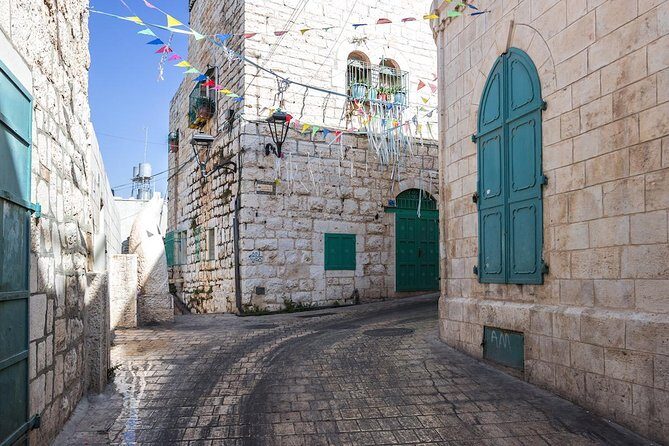
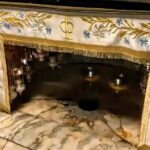
The day begins at the Church of the Nativity, one of the oldest working churches still in use. The first church was built under Emperor Constantine in the 4th century over the grotto area associated with Jesus’s birth in Bethlehem.
You’ll get a full guided visit here for about 40 minutes, and the admission ticket is free. That’s enough time to understand the layout and hear the story, even though you’ll likely spend extra time in the area.
Here’s the practical part: getting to the Birth grotto can take time. On regular days, expect to wait 30 to 90 minutes to see it, and on holidays or Sundays you can’t count on visiting the grotto. If you hate waiting, build patience into your mindset before you arrive at this stop.
St. Catherine, Milk Grotto, and Shepherd’s Sanctuary: the Bethlehem cluster
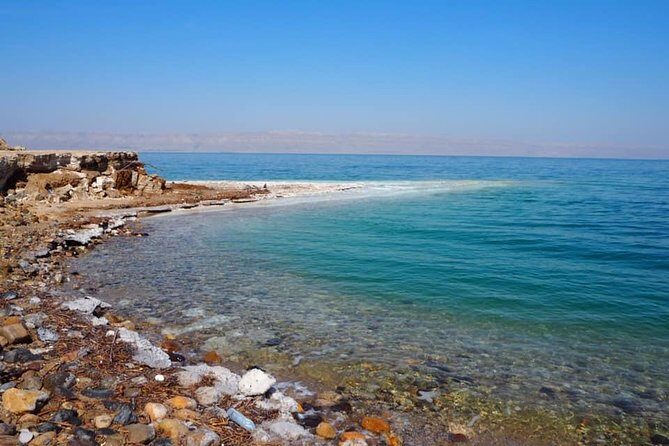
After the Nativity Church, you’ll move through a cluster of key sites that connect different parts of the Christian story.
Church of St. Catherine of Alexandria is next, tied to a Franciscan monastery tradition and associated with the story of St. Catherine at the start of the 4th century. The stop is brief—about 10 minutes—and admission is free.
Then comes the Milk Grotto, where the tradition links the Holy Family’s refuge during the Massacre of the Innocents to a cave floor said to have turned white. You’ll usually get around 25 minutes here, also free to enter.
After that, you’ll head to Shepherd’s Sanctuary (Chapel of The Shepherd’s Field) marking the area believed to be where the angels first announced Christ’s birth. Plan roughly 40 minutes at this stop.
These stops are short enough to keep the day moving, but long enough to feel like you’re learning instead of just walking past doors. The guide helps most at these points—especially when stories overlap and you need clear explanations.
A day in Bethlehem isn’t only churches
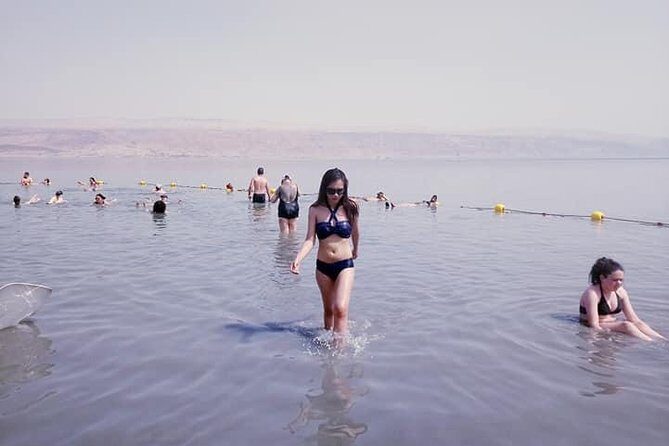
Bethlehem’s old streets come with more than one type of viewpoint. This tour includes a few stops that broaden the picture.
You’ll pass or visit Aida (Ayda), a Palestinian refugee camp area just north of Bethlehem and near Beit Jala. You’ll also have a stop connected to Bab idDeir Art Gallery, an independent cultural space in the Deik quarters area of the historic old city.
Those can feel like a tonal shift after the church stops, but that’s the point. Bethlehem is not only shrine tourism. It’s also living neighborhoods, communities, and creative spaces.
The day also includes a site tied to St. Jerome, with the Cave of Jerome located beneath the area associated with St. Catherine’s Church. St. Jerome is known in tradition for translating much of the Old Testament into Latin (the Vulgate), so the stop connects the geography to a specific intellectual legacy.
There’s also a stop connected to the Order of the Blessed Virgin Mary of Mount Carmel, linked in tradition to hermits living near the Spring of Elijah on Mount Carmel and a rule written in the early 1200s. Even if you’re not a religion-history nerd, I like these moments because they explain why certain places are preserved and named the way they are.
Finally, there’s a pass-by Olive Wood Factory stop. This is your practical reminder that Bethlehem is also a craft economy. If you enjoy buying olive-wood carvings, it’s a convenient place to look.

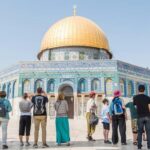
Sanctuary Bethlehem, Rachel’s Tomb area, and the Bethlehem Museum
Back in the old city zone, you’ll stop at Sanctuary Bethlehem, tied to the Nativity Church old city area, with about 40 minutes allocated. This is another moment to see how multiple worship spaces sit close together in this part of town.
You’ll also visit Rachel’s Tomb, a site revered as the burial place of the matriarch Rachel. The tour description doesn’t give a set time here, so expect it to be a quick stop compared with the church anchor points.
If you want something beyond religious sites, the Bethlehem Museum is included. It’s dedicated to Palestine’s heritage, identity, culture, and art. Even if you only spend part of your time looking around, it helps the day feel more rounded. It also gives your brain a break from the constant church architecture.
The move to the Dead Sea region: what you’re paying for
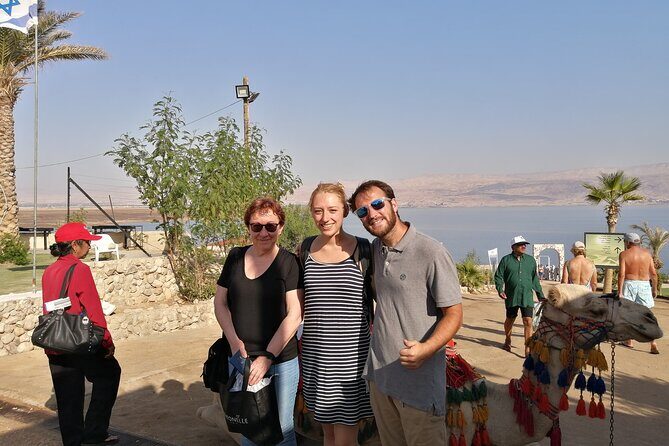
After Bethlehem, you’ll travel to the Dead Sea region. You’ll get a short stop here (about 15 minutes) before you reach the water.
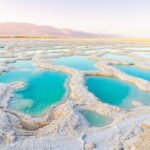
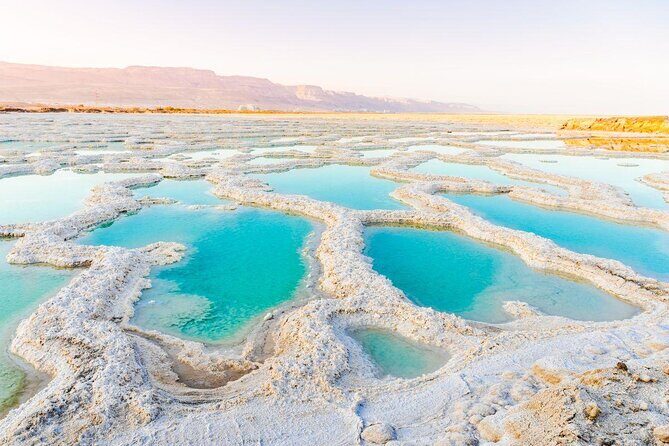
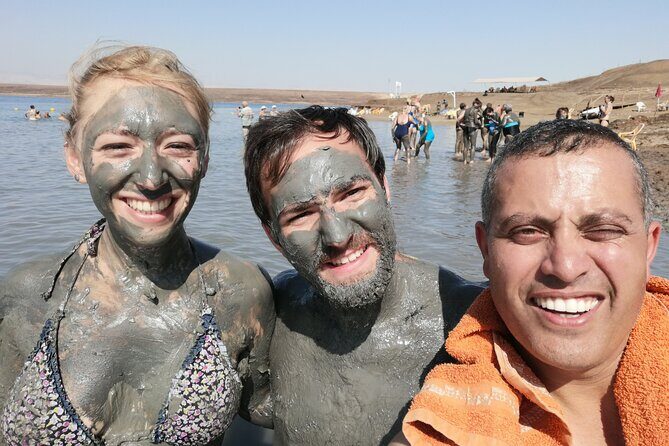
This portion is mostly about context and orientation. The Dead Sea area is described as the world’s lowest dry point, and it’s also framed as a health destination known for helping with rheumatic and skin problems. The tour even references the mineral-rich muddy footprints associated with legendary figures like Herod, Solomon, and Cleopatra.
Real talk: this isn’t a medical clinic. It’s a tourism destination, and the payoff is the water experience. But that quick orientation helps you understand why the Dead Sea region is set up the way it is—salty water, mineral mud, and the whole culture around floating and rinsing.
Floating at the Dead Sea and relaxing at Neve Midbar Beach
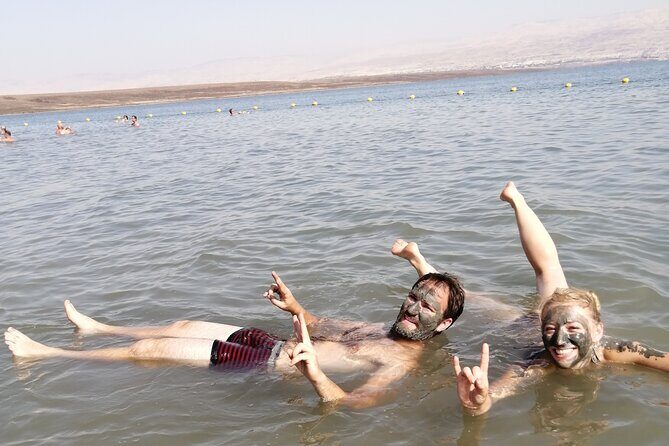
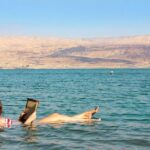
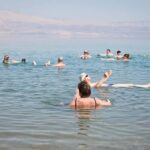
Here’s the main event. The tour goes to the Dead Sea itself for about 1 hour.
The water’s high salt concentration makes it easy to float, and the minerals are part of the appeal. Admission to the Dead Sea isn’t included, though—you’ll pay 45 NIS per person for entry. This fee is worth budgeting for early, because it’s easy to forget when you’re also thinking about lunch, water, and souvenirs.
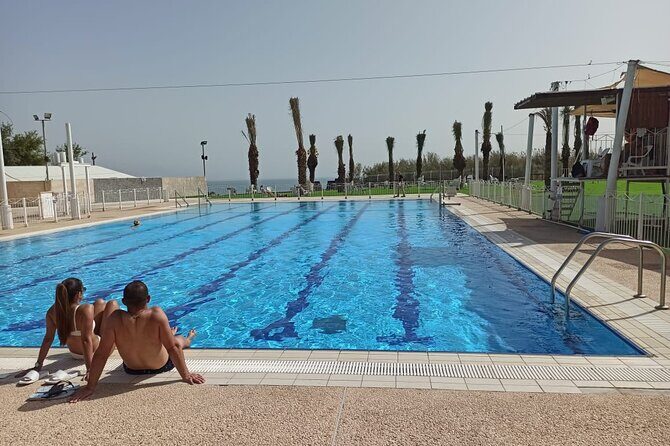
After that, you’ll go to Neve Midbar Beach, the beach used for this visit. Plan for about two hours in the area (the description says around 1 hour for the stop, but the time mentioned is roughly two hours), with use of a pool on-site. This is where you can take your time: float, walk carefully, rinse, and relax without feeling rushed back to the van.
Practical tips that make this section smoother:
- Bring swimwear and a towel. You’ll dry off eventually, but the schedule doesn’t pause for shopping.
- Protect your eyes. Saltwater is not friendly.
- If you’re wearing sandals, consider footwear you trust on slippery or rocky edges.
- Don’t plan to wear your best jewelry. Salty air can get everywhere.
- Pack a small bottle of water for the drive back, since food/drinks aren’t included.
Price and logistics: does $140 make sense?
At $140 per person, you’re paying for a full day with round-trip transportation plus a guided Bethlehem segment, all in one booking. For many people, the value is the time savings. Doing Bethlehem and the Dead Sea separately can mean two separate tours, more coordination, and more chances to lose half a day.
What’s included is strong: air-conditioned transportation and a guide in Bethlehem. What’s not included matters too: food and drinks are not part of the package, and the Dead Sea entrance fee (45 NIS) is extra.
So I think the price is fair if you show up ready to spend the extra money where it counts (entry fee and your own snacks). If you’re hoping the tour price covers everything including meals and the Dead Sea entrance, it won’t.
The tour also runs with a maximum group size of 50, which usually helps keep the day from turning into a bottleneck parade. And since it’s booked far in advance on average, it’s smart to reserve early if your travel dates are tight.
Tips to make the Bethlehem portion less stressful
The whole day can feel like a sprint if you don’t mentally prepare. The biggest wildcard is the Birth grotto waiting time.
If you can, set your expectations that you might spend more time than planned around the Nativity area. When you hit a line, you can either get irritated or treat it as part of the experience and focus on what the guide is explaining while you wait.
Also think about clothing and comfort. You’ll be walking through historic sites, standing for portions of guided time, and then switching to a beach environment. Wear shoes you can trust and keep your layers flexible for indoor/outdoor changes.
Finally, plan your “fuel.” Since food and drinks aren’t included, bring cash or a payment plan for water and snacks. Even if you’re not hungry now, you’ll feel it later.
Should you book this Bethlehem & Dead Sea full-day tour?
I’d book it if you want one-day access to Bethlehem’s major Christian sites plus the Dead Sea float, with a real guide in Bethlehem and comfortable round-trip transport. It’s a good fit for first-time visitors who want strong value for time and don’t mind a schedule.
Skip it or adjust expectations if you’re extremely sensitive to waiting at the Church of the Nativity, since grotto entry isn’t guaranteed on holidays or Sundays and regular days can mean a long line. Also keep the extra cost in mind: Dead Sea entrance (45 NIS) and your own food.
If your priority is seeing the highlights without building a complex itinerary, this tour is a practical way to do it.
FAQ
How long is the Bethlehem & Dead Sea full-day tour?
The duration is about 8 to 11 hours, depending on timing and the schedule for each stop.
Is there a guided tour in Bethlehem?
Yes. A tour guide is included for the Bethlehem portion of the day.
Do I have to pay for the Dead Sea entrance?
Yes. Dead Sea entrance is not included, and the fee is listed as 45 NIS per person.
What’s included in the price besides the guide?
You get an air-conditioned vehicle and private transportation. The tour also includes visits to the listed Bethlehem and Dead Sea sites, with admission tickets listed as free for the included stops.
Will I definitely see the Birth grotto in the Church of the Nativity?
You can’t guarantee it, especially on holidays or Sundays. On regular days, the wait to see the Birth grotto can be 30 to 90 minutes.
Where does the tour depart from?
The tour provides round-trip transportation from Jerusalem or Tel Aviv. Confirmation is received at booking, and you’ll be near public transportation.