REVIEW · JERUSALEM
Jerusalem: Meet the Orthodox Jews Tour
Book on GetYourGuide →Operated by Abraham Tlalim Tours LTD · Bookable on GetYourGuide
One street, many lives. This 150-minute Jerusalem walking tour gives you a rare, close-up look at ultra-Orthodox (Haredi) daily life from someone who grew up there. I especially like the insider explanations tied to real places, and I really appreciated the chance to ask tough questions in a human way. The main thing to plan for is the strict modest dress rules and the fact that some shops or religious buildings may only be viewed from the outside.
The biggest eye-opener for me is how normal it all feels once you’re walking the streets: you’re shown practical details like where people buy what they need, how community spaces work, and which religious symbols are meant to guide everyday behavior. I also like that the guide invites conversation, so it’s not just facts on a loop—it’s discussion about life choices and values.
One possible drawback is that you may not be able to enter every stop. In some areas, you’ll be looking from the outside, and you might find that street noise makes it harder to hear if you’re not paying attention or close to your guide.
In This Review
- Key highlights to look for
- A 150-minute walk through a South Jerusalem Haredi neighborhood
- Your guide: explanations from a former insider (and strong for tough questions)
- What you’ll see: bookstores, music shops, bakeries, and daily-life symbols
- The outside-view reality: some places won’t allow entry
- The topics that shape the conversation: marriage, women, media, charity, and more
- Meeting point and timing: what to do before you start walking
- Dress code and comfort: how to avoid the awkward start
- Price and value: why $53 can actually make sense
- Who should book (and who might want a different tour)
- Should you book this Jerusalem Orthodox Jews tour?
- FAQ
- How long is the Jerusalem Meet the Orthodox Jews Tour?
- What is included in the tour price?
- Is food or drinks included?
- Where do I meet the tour?
- What dress code is required?
- Is the tour guided in English?
- Can I enter places like synagogues or shops during the tour?
Key highlights to look for
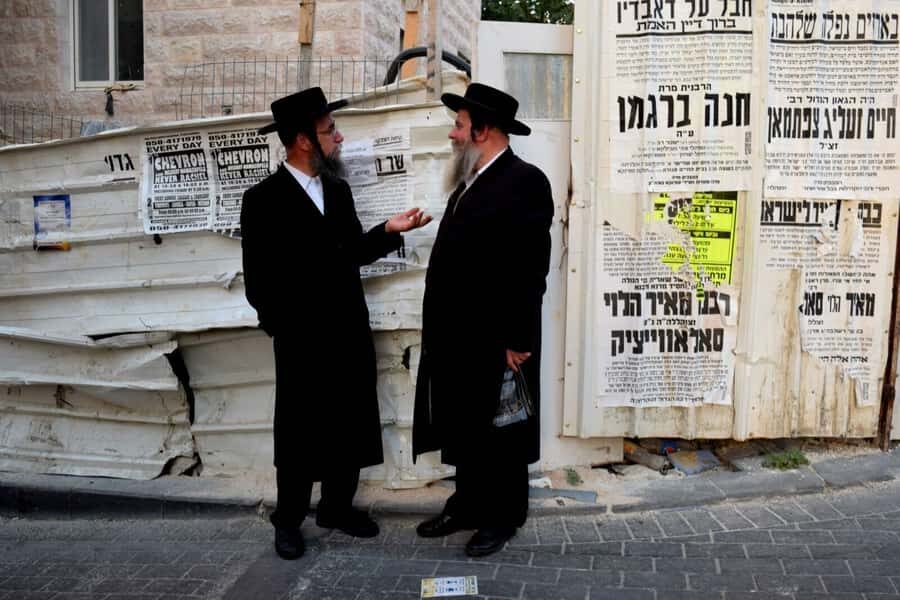
- Insider guide (often a former community member) who can explain culture without selling you a script
- A neighborhood walk tourists usually skip, focused on day-to-day places people actually use
- Real-world Q&A topics like marriage, media, charity, kosher habits, phones, and Sabbath life
- Stops that show ordinary infrastructure such as a bookstore, music store, bakery, and clothing shop
- Limited entry at certain sites, so you’ll get explanations plus outside views rather than full access
A 150-minute walk through a South Jerusalem Haredi neighborhood
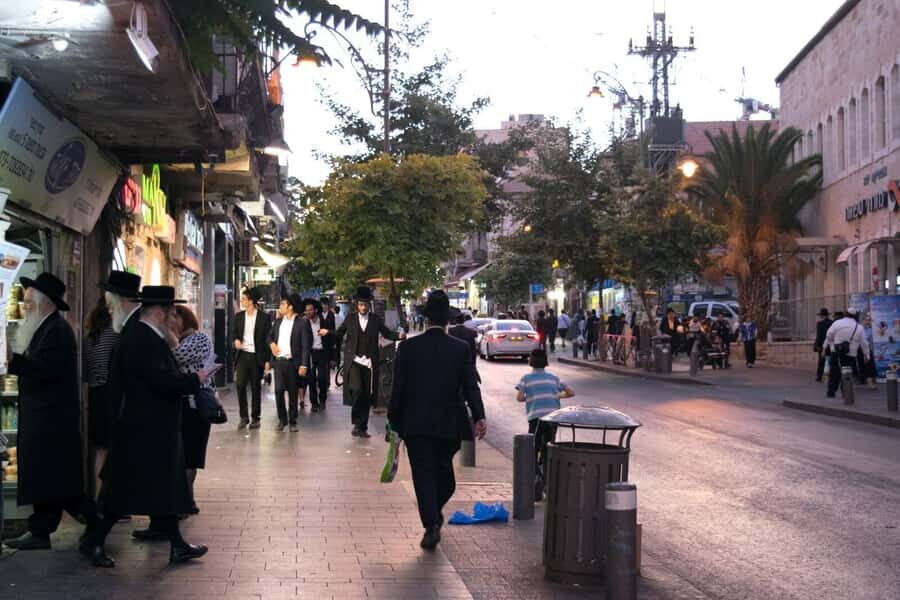
This is a short tour in the best sense of the word: you get a concentrated 150 minutes (about two and a half hours) of context you can carry with you for the rest of your Jerusalem trip. It’s set in Jerusalem’s Southern District, and the route is built around a traditional ultra-Orthodox area that most visitors never really get to see.
The structure matters. Instead of bouncing between the biggest landmarks, you move through side streets and community spaces at the pace your guide chooses. That means you spend less time staring at plaques and more time connecting what you’re seeing to how people live—who does what, why certain routines exist, and how community boundaries shape daily decisions.
You’ll also notice right away that the atmosphere is different from a typical sightseeing walk. Even if you’re simply passing by, you’re not just observing buildings—you’re observing boundaries: where people gather, how they dress, and how the community maintains its internal rhythm.
You can also read our reviews of more tours and experiences in Jerusalem.



Your guide: explanations from a former insider (and strong for tough questions)
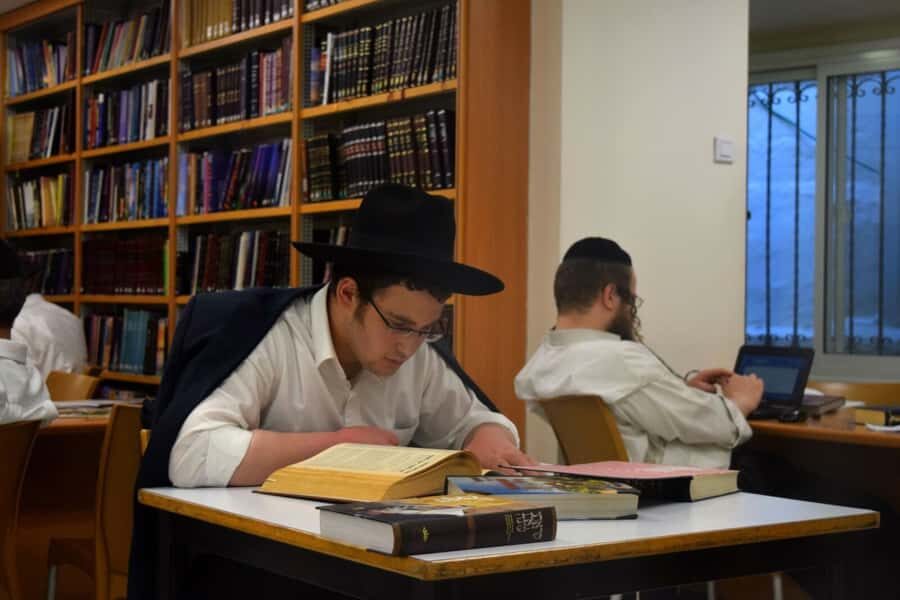
The tour is guided by an English-speaking person who comes from the local ultra-Orthodox community, and who has left that world. That kind of background changes the whole feel of the experience. You’re not only hearing interpretations; you’re getting the logic of how people see things from the inside, plus what changed after the guide left.
A review mentions a guide named Moti, and his approach is described as warm and funny while still being able to handle hard questions with confidence. Even without knowing which guide you’ll get, the pattern is consistent: the guide is comfortable with dialogue, not just monologue.
Expect the tour to be conversational. You’re encouraged to discuss issues as you walk. That’s the difference between learning about a culture and actually understanding how someone thinks within it—and why they might disagree with you, or with Israel’s broader conversation, in very specific ways.
If you’re the type who likes respectful but direct questions—about gender roles, media, family life, or religious practice—this tour is designed for that.
What you’ll see: bookstores, music shops, bakeries, and daily-life symbols
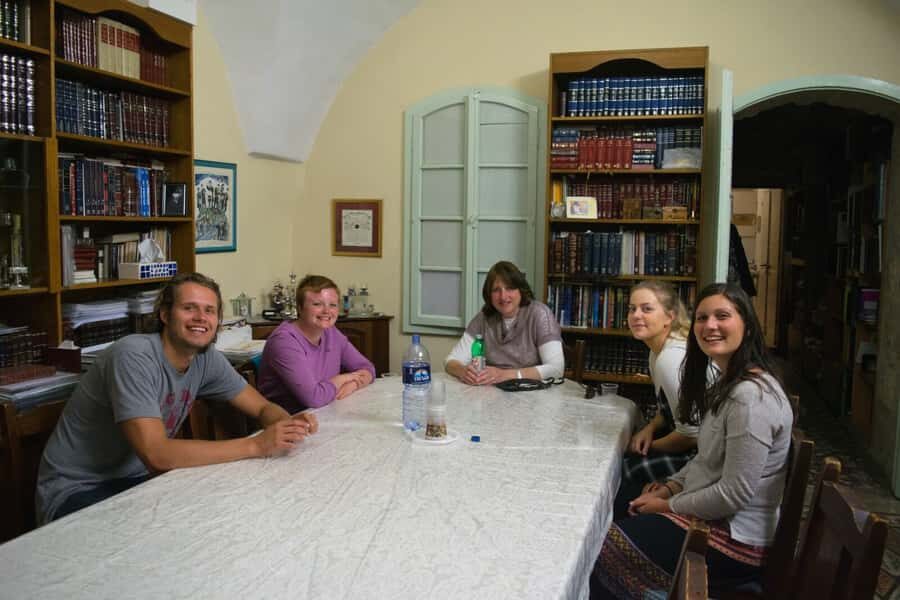
The heart of the tour is the walk itself and the stops that act like windows into daily routine. Your guide will point out religious and community symbols along the way, not as museum objects but as cues people live with every day.
You can expect to be shown a mix of practical, familiar-looking businesses and distinctly community-centered spaces, including:
- a bookstore
- a music store
- a restaurant
- a typical bakery
- a clothes shop
- a synagogue
- a yeshiva (religious school)
Here’s why that matters for your understanding. It’s easy to think of ultra-Orthodox life only in terms of large institutions or visible rituals. This tour keeps pulling you back to everyday infrastructure: where people buy, learn, eat, and socialize. You start seeing how religion isn’t only something people do on holidays—it’s something that shapes choices like what kinds of media are available, what roles exist in public, and how time is organized.
The outside-view reality: some places won’t allow entry
Not everything will be accessible. Some locations may be forbidden by the local community, so you may only see them from the outside. That’s not a flaw—it’s part of what you’re learning. You’re getting a glimpse of how boundaries are maintained, and why visitors aren’t automatically granted full access.
Plan for that upfront. When a door stays closed, you’ll likely get explanations from your guide about what that space represents and how community rules apply.
The topics that shape the conversation: marriage, women, media, charity, and more

This tour isn’t just about what ultra-Orthodox people wear or where they pray. Your guide will cover life topics that connect religion to real decisions and real pressures.
Based on what the tour description emphasizes, the discussion can include:
- marriage and how community expectations guide it
- the role of women in their society
- media and how information flows (or doesn’t)
- charity and community responsibility
- kosher food and daily food rules
- phones and what’s acceptable in modern life
- Sabbath and holidays
- where this sector fits in modern Israeli society
If you come in hoping for a one-sided story, you might be surprised—in a good way. The guides described in feedback handle disagreement respectfully, even when questions get uncomfortable. That matters, because these topics are not abstract. They affect families, identity, and how people live with change.
A strong value here is that you can ask follow-ups as you go. Instead of memorizing facts, you’ll build a map in your head: why someone practices a rule, what problem it solves, and how the community negotiates modern pressures while staying within its own framework.



Meeting point and timing: what to do before you start walking
You’ll meet at a bus stop outside the hostel Ha-Nevi’im, at Ha-Nevi’im St 67, Jerusalem. The usual Abraham Jerusalem meeting point is noted as closed at the moment, so rely on the bus stop location instead of guessing.
The tour runs 150 minutes, so you’ll want to be on time. If you’re running late, one review says the guide used a live location to help someone catch up. That’s not something I’d count on in a perfect way every time, but it’s a reassuring sign that the operator pays attention when people are delayed.
Also, remember this is walking time. You’re not commuting across long distances, but you will be outside. Bring your stamina and your patience; the best tours in areas with strict community rhythms are the ones where you move with the moment.
Dress code and comfort: how to avoid the awkward start
This is a tour where your clothes are part of the respect. It’s not allowed to wear shorts or sleeveless shirts. The requirement is modest clothing for both men and women, and for women it includes bringing a scarf/shawl.
Also bring:
- a hat
- water
- a camera (it’s encouraged)
If you arrive dressed too casually, you risk feeling rushed or uncomfortable right at the beginning. And since this tour involves outside views of religious life, you’ll likely want to take photos where appropriate—without slowing the group down.
A small practical tip: choose clothing that’s modest but still breathable for Jerusalem’s weather. You’ll get more out of the discussion if you’re not distracted by sweat or overheating.
Price and value: why $53 can actually make sense
At $53 per person for 150 minutes, the price is fair for two reasons.
First, you’re paying for interpretation from a person with lived experience. That’s a different product than a generic walking tour with a script. The guide’s background affects the quality of the conversation: you’re more likely to get clear answers, not just polite ambiguity.
Second, the tour delivers access to places and perspectives you can’t easily recreate on your own. Even though you may not enter every site, you still gain a guided reading of what you’re seeing—symbols, customs, and daily routines—plus the ability to ask questions without feeling like you’re imposing.
Food and drinks are not included, so you should plan to either grab a snack before or after. If you get hungry mid-walk, it can shut down attention, and this tour is really about noticing details and listening closely.
Who should book (and who might want a different tour)
I’d book this if you:
- want to understand Haredi life in Jerusalem beyond headlines
- like walking tours that include discussion, not just a route
- feel comfortable asking questions and engaging respectfully with viewpoints you may not share
- prefer learning from someone who lived the culture, then left
I’d be more cautious if you:
- want guaranteed interior access to synagogues or yeshivas (some entry may be restricted)
- hate dress restrictions (this one is clear: no shorts, no sleeveless shirts; women need a scarf/shawl)
- get frustrated in noisy street settings—one review notes that audio support like headsets wasn’t part of the experience, so you may need to position yourself well to hear your guide
Should you book this Jerusalem Orthodox Jews tour?
If your goal is to understand the human side of ultra-Orthodox life—how people think about marriage, media, charity, phones, kosher food, and Sabbath—then yes, this is worth your time. The combination of a former insider guide, a real neighborhood route, and space for questions is the core value.
Book it if you can meet the modest clothing requirements and you’re ready to accept that some places will only be viewed from the outside. Skip it if you need lots of interior access or you dislike structured discussions about sensitive social topics.
If you do book, plan your clothing the night before, bring water, and arrive with questions that start simple: how does a day begin, what rules guide choices, and what does community life protect?
FAQ
How long is the Jerusalem Meet the Orthodox Jews Tour?
The tour lasts 150 minutes, about two and a half hours.
What is included in the tour price?
It includes a guided walking tour in Jerusalem.
Is food or drinks included?
No. Food and drinks are not included.
Where do I meet the tour?
You meet at the bus stop outside the hostel Ha-Nevi’im, Ha-Nevi’im St 67, Jerusalem.
What dress code is required?
Shorts and sleeveless shirts are not allowed. Modest clothing is required for both men and women, and women should bring a scarf or shawl.
Is the tour guided in English?
Yes, the live tour guide is in English.
Can I enter places like synagogues or shops during the tour?
Some places may not be possible to enter because it’s forbidden by the local community. You’ll usually get explanations and outside views when entry isn’t allowed.