REVIEW · TIBERIAS
Kabbalah Heritage Walk
Book on Viator →Operated by Rabbi Shmuel Kopel · Bookable on Viator
Safed feels different when Kabbalah has a real guide. I love the small-group setup (max 15) because you get attention, not a lecture wall. I also love that the walk is led by a Talmudic scholar, Rabbi Shmuel Kopel, so your questions don’t get brushed off. One possible drawback: this is idea-heavy. If you prefer scenery-only sightseeing, you may find the Kabbalah concepts take more brainpower than you expected.
Plan for a 1 hour 30 minute, on-foot heritage walk starting and ending at Kikar HaMeginim in Safed. Tours run one time per day Sun–Thu at 1:30pm, and Fridays at 11am, which makes it easy to plug into a day in the old city—just pick the time that matches your pace.
In This Review
- Key Highlights You’ll Care About
- Kabbalah in Safed: Why This Walk Works on Foot
- Walking With Rabbi Shmuel Kopel: A Scholar-Led, Q&A-Friendly Pace
- Sites Connected to Cordovero, the Alkabetz, and the Ari
- A note on expectations
- The Synagogues and Prayer Stories You Can Place in Context
- How the 1.5-Hour Format Works (and Where It Might Feel Tight)
- Price and Value: What $45 Buys You in Safed
- When This Walk Fits Best (and When It Doesn’t)
- Should You Book the Kabbalah Heritage Walk?
- FAQ
- What is the duration of the Kabbalah Heritage Walk?
- How much does the tour cost?
- Where does the tour start and end?
- Who leads the tour?
- What times does the tour run?
- How big is the group?
- Do I need a paper ticket?
- Can I bring a service animal?
- Is cancellation free?
Key Highlights You’ll Care About
- Scholar-led Kabbalah explanations tied to what teachings meant in real Jewish life
- Small group size (up to 15 people) for focused questions and better back-and-forth
- Foot exploration of Safed’s old city—you’ll see places in context, not from a bus window
- Major Kabbalah figures in the route including Isaac Luria (the Ari), Moshe Cordovero, and the Alkabetz
- Historic synagogue stops with prayer and tradition stories you can actually place
- 15 travelers max with a set 90-minute window, so it stays tight and efficient
Kabbalah in Safed: Why This Walk Works on Foot
Safed (also spelled Tzfat) matters in Jewish history for more reasons than one. In the 16th century, this mountain city became a center for Kabbalah—often described as the more mysterious side of Judaism—and public information about it was historically limited. That makes the setting extra important. You’re not learning Kabbalah in a classroom. You’re hearing it while walking through the city that helped shape it.
What I like about doing Kabbalah on foot here is the way place and teaching can line up. The guide’s goal is to show you sites connected to major figures and to connect those ideas to practical influence on Judaism today. Even if you only know Kabbalah as a vague word you’ve heard in the background, the walk gives it structure.
The price is modest, but the experience is not shallow. You’re paying for a focused, 90-minute route with a scholar who can answer questions in the moment.
You can also read our reviews of more tours and experiences in Tiberias.



Walking With Rabbi Shmuel Kopel: A Scholar-Led, Q&A-Friendly Pace
The big difference with this tour is who leads it. Rabbi Shmuel Kopel isn’t there just to point out buildings. He’s there because he studied and was inspired by these teachings. That shows in how the walk is paced: you stop, learn what that location is associated with, and ask questions as you go.
This format matters for two reasons.
First, Kabbalah can feel slippery if it’s delivered like a summary list. A scholar can slow things down and explain terms in plain language. Second, you won’t be stuck with questions you meant to ask later. You can ask directly, on the street, while the topic is fresh.
Also, the group size helps. With a maximum of 15 travelers, you’re more likely to get actual interaction. It’s one of those tours where the guide can keep track of who’s following and who needs a second explanation.
Sites Connected to Cordovero, the Alkabetz, and the Ari

The route is built around places tied to Kabbalah’s key figures. You’ll learn about the stories and ideas linked to:
- Rabbi Moshe Cordovero
- The Alkabetz
- The Holy Ari, Isaac Luria
Those names aren’t just historical trivia here. The walk is designed to connect the teachings associated with each figure to the ways those ideas shaped Jewish practice and thought across time.
A practical way to enjoy these stops: treat them like mini chapters. When you hear a teaching tied to a person, try to do a quick mental translation to modern life. The tour’s intent is exactly that—show how something taught centuries ago has ripples that still show up today in global Judaism.
A note on expectations
The sites you visit are connected to Kabbalah, but you’re not being handed a single rigid script of facts. You’re getting interpretations and explanations tied to where you are in Safed. That’s great if you enjoy learning. It can be less satisfying if you only want a museum-style itinerary with minimal discussion.
The Synagogues and Prayer Stories You Can Place in Context
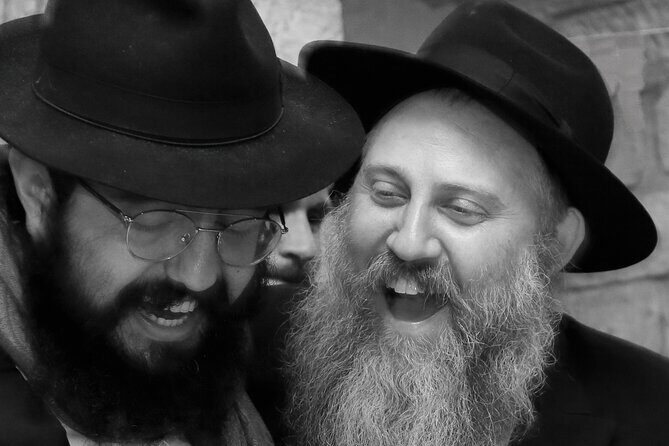
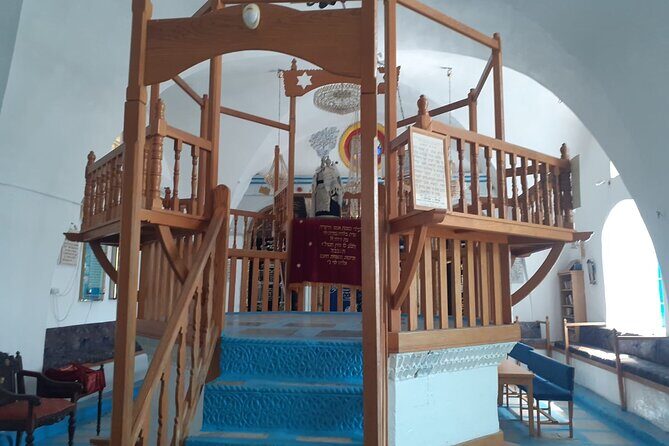
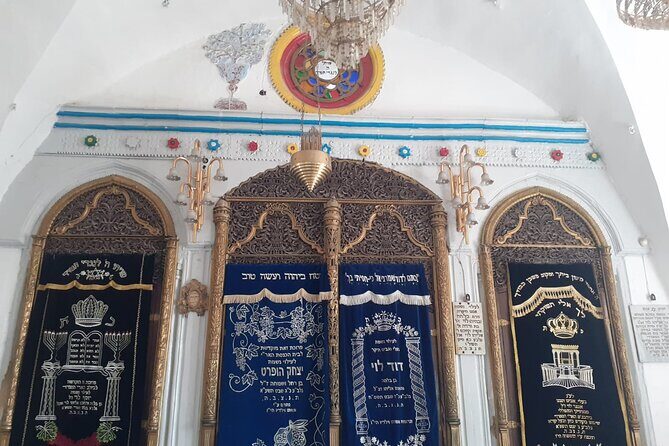
Safed is known for its spiritual atmosphere, and part of the heritage walk focuses on places where tradition and prayer show up physically. The experience includes visits to historic synagogues, where you learn about the rabbis who prayed there.
Even without turning this into a “stained-glass appreciation” tour, the synagogue stops give you a way to picture the world Kabbalah came out of. Kabbalah wasn’t floating in isolation. It developed alongside communities, study traditions, and prayer life.
I also like that the walk doesn’t treat Kabbalah as a fantasy. It frames Kabbalah as part of a lived Jewish landscape—one that was intertwined with major scholarship.
And that’s a key point: Safed isn’t only about mysticism. The city is also associated with major Jewish law scholarship, including Rabbi Yosef Cairo, the author of the Shulchan Aruch. That detail helps balance the story. You get a sense of both the mystical and the legal minds that shaped Safed’s influence.

How the 1.5-Hour Format Works (and Where It Might Feel Tight)
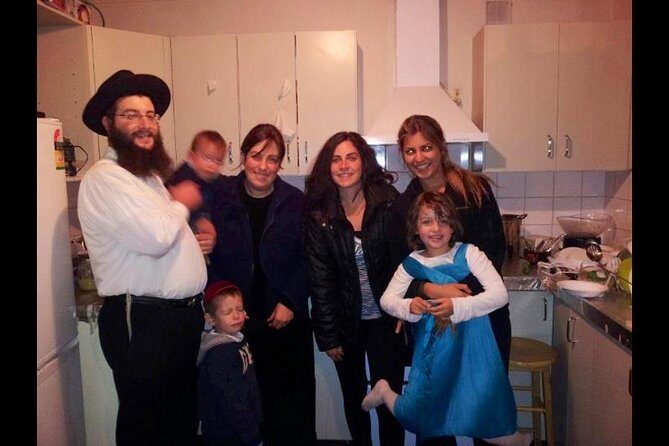
This tour runs about 1 hour 30 minutes, starting at the city square: Kikar HaMeginim in Safed. It ends back at the meeting point. That means you can plan your day without worrying about complicated transfers or getting stranded.
Timing matters with a walk this focused. Ninety minutes is enough time to:
- connect Kabbalah figures to real locations
- move through Safed on foot
- ask questions and keep momentum
But it’s not enough time for a long, slow stroll where you linger over every corner. The tour is structured, and you’ll feel the rhythm of stop-and-learn rather than wandering.
If you want photos and extra side streets, you’ll need to do that before or after. Think of the walk as the brainy core of your Safed day, and then give yourself free time for the fun wandering.
Price and Value: What $45 Buys You in Safed

At $45 per person for about 1.5 hours, this is priced in the range where you have to ask: am I paying for “a tour,” or am I paying for someone who can explain what I’m seeing?
Here’s why it can feel like good value:
- You get a small group (max 15), so it’s not just about entertainment. It’s about guided explanation.
- The guide is a Talmudic scholar who can handle questions, not only recite a script.
- The tour’s focus is specific: Kabbalah-linked sites and how teachings connect to Judaism today.
If you’re the kind of traveler who likes to understand what you’re looking at, $45 is reasonable. If you want a casual stroll with minimal talk, you may feel the cost more than the content.
Also, since it runs only once per day (Sun–Thu and Fridays at set times), planning matters. Booking ahead is smart because the calendar can fill.
When This Walk Fits Best (and When It Doesn’t)
This is ideal for you if:
- you’re curious about Kabbalah beyond pop-culture headlines
- you like structured learning while walking through real places
- you want a Q&A format with a scholar-led guide
- you’d rather do a short, focused route than a long day tour
It might not fit as well if:
- you want purely scenic sightseeing with little discussion
- you dislike spending much time on concepts and historical context
- you expect Kabbalah to be explained like a single easy story from start to finish
One more practical point: the tour is near public transportation and most travelers can participate. If you’re sensitive to walking time, the 1.5-hour duration is your guide—there’s no mention of a longer trek than that, but it is still an on-foot old-city route.
Should You Book the Kabbalah Heritage Walk?
Book it if you want Safed to make sense. This walk turns the city’s Kabbalah reputation into something you can follow: names, teachings, places, and the way ideas connect to Judaism today. The scholar-led Q&A format is a big part of the value, and the small group size makes it feel personal rather than rushed.
Skip it if you’re hoping for a light, photo-first outing. This experience asks you to pay attention. If you’re okay with that—and you’re genuinely curious about Kabbalah and Safed’s role—you’ll likely leave with a clearer picture than you started with.
FAQ
What is the duration of the Kabbalah Heritage Walk?
It lasts about 1 hour 30 minutes.
How much does the tour cost?
The price is $45.00 per person.
Where does the tour start and end?
It starts at Kikar HaMeginim in Safed and ends back at the same meeting point.
Who leads the tour?
The tour is led by Rabbi Shmuel Kopel, a Talmudic scholar.
What times does the tour run?
It runs one time per day from Sunday to Thursday at 1:30pm, and on Friday at 11am.
How big is the group?
The tour has a maximum of 15 travelers.
Do I need a paper ticket?
No. It uses a mobile ticket.
Can I bring a service animal?
Yes, service animals are allowed.
Is cancellation free?
Yes. You can cancel for a full refund up to 24 hours in advance of the experience start time.