REVIEW · JERUSALEM
Jerusalem: Jerusalem, Bethlehem & Dead Sea Day Tour
Book on GetYourGuide →Operated by Tourist Israel Tours · Bookable on GetYourGuide
One day can feel like three eras. I like the way this tour threads you through Jerusalem’s Old City with an expert guide, including the Church of the Holy Sepulchre, and then ends with a chance to float at the Dead Sea. The main catch is that it’s a tight schedule with lots of walking and a short window for the water.
I’d book this if you want a structured sampler of the Holy Land without hopping between taxis all day. The dress code is real (covered knees and shoulders), and some parts of Bethlehem’s church complex may run on crowd time, so you should expect a bit of “timing happens” energy.
In This Review
- Key points to know before you go
- Inside Jerusalem’s Old City: Western Wall, Via Dolorosa, and Holy Sepulchre order
- Church of the Holy Sepulchre: why crowds and timing shape the visit
- Bethlehem’s Church of the Nativity: a focused hour, plus the grotto timing question
- Dead Sea floating: what one hour really means (and what costs extra)
- The pacing: 2.5-hour rides plus a full-day structure
- Transportation and guide quality: when the name matters
- Price and value at $99: what’s included, what you’ll likely pay extra
- Dress code and stair reality: plan for the physical part of the day
- Bethlehem grotto plans: how to handle the might-not-happen moment
- So, should you book this day tour?
- FAQ
- How long is the Jerusalem, Bethlehem & Dead Sea day tour?
- Where does the tour start and end?
- What are the main stops on the tour?
- Is swimming at the Dead Sea included?
- What should I wear for the holy sites?
- Is this tour suitable for limited mobility?
Key points to know before you go
- Expert-guided Old City route through the Western Wall area, Via Dolorosa, and the Church of the Holy Sepulchre
- One-hour Bethlehem stop focused on the historic center and the Church of the Nativity
- Dead Sea swim time is the priority, but the actual water window can feel short
- A lot of steps and climbing in Jerusalem’s Old City corridors and church entrances
- Modest dress is required for holy sites
- Dead Sea private beach entrance costs extra (45 NIS), while the float/swim time is included
Inside Jerusalem’s Old City: Western Wall, Via Dolorosa, and Holy Sepulchre order
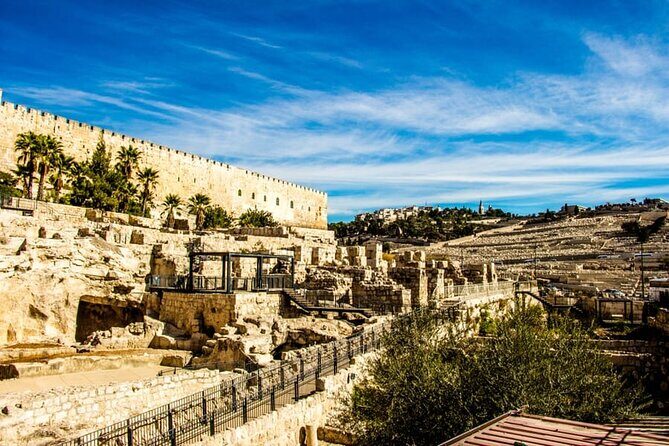
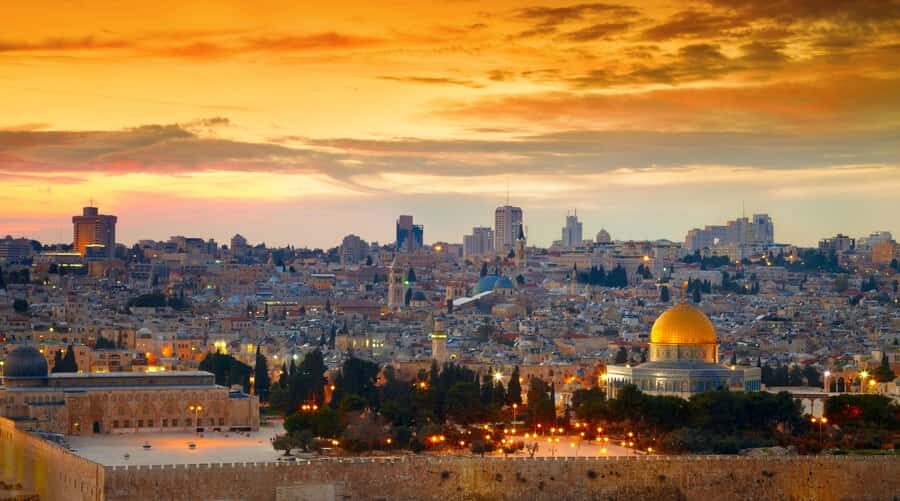
Most one-day Jerusalem tours struggle with the same problem: you see icons, but you don’t always understand where you are or why the streets matter. This itinerary helps because it starts you inside the Old City and keeps you moving with a guide for a full three hours.
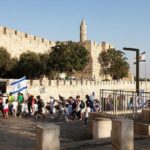
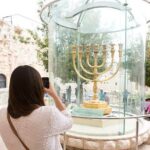
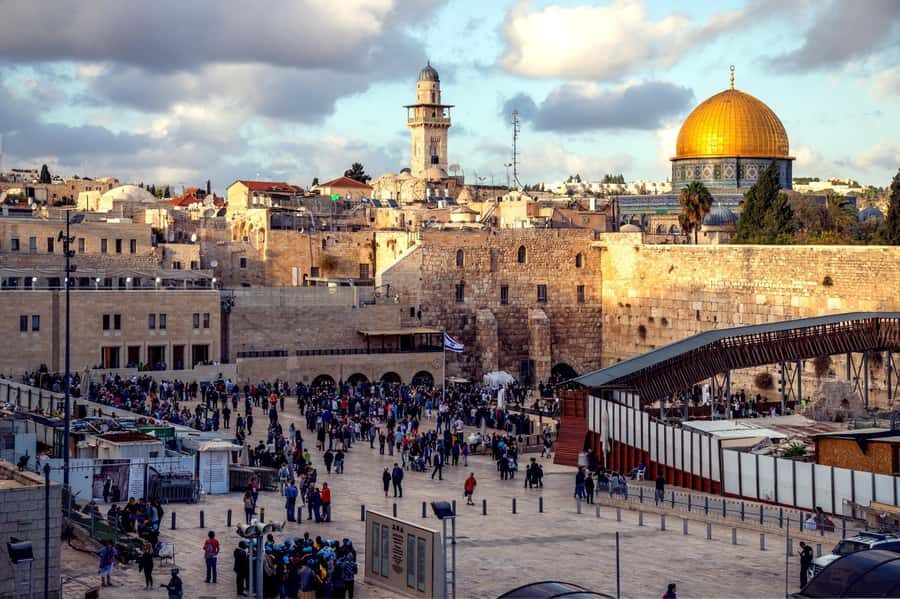
You’ll walk the famous religious corridors of the city and get oriented by the four quarters, then connect the dots between landmarks tied to Judaism, Christianity, and Islam. If you’ve ever looked at a map and wondered how all these sacred sites sit so close together, this is the kind of route that makes that geography click.
Two practical things I’d keep in mind. First, the Old City is not flat. Expect stairs and tight lanes, and plan on stopping only when the group stops. Second, when you’re dealing with a busy historic core, the guide’s pacing matters. This is one of the better reasons to join a tour instead of trying to freestyle the whole day.
You can also read our reviews of more tours and experiences in Jerusalem.
Church of the Holy Sepulchre: why crowds and timing shape the visit
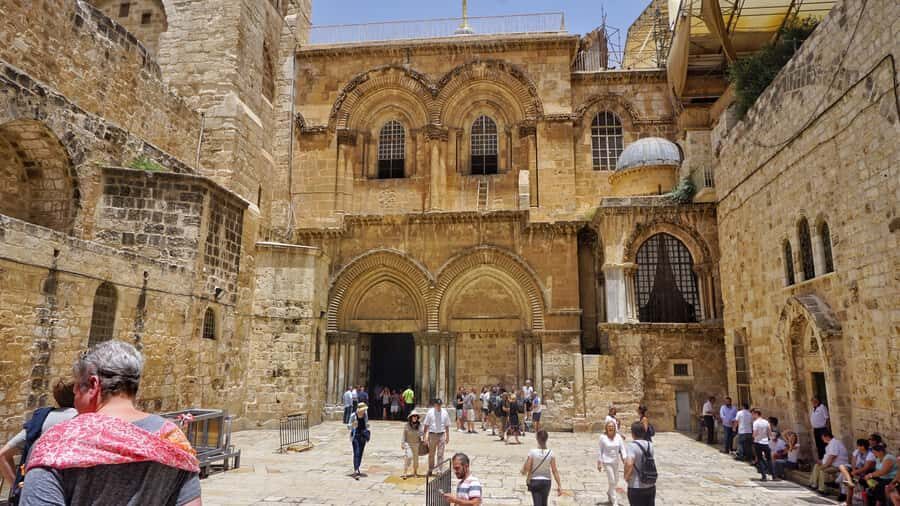
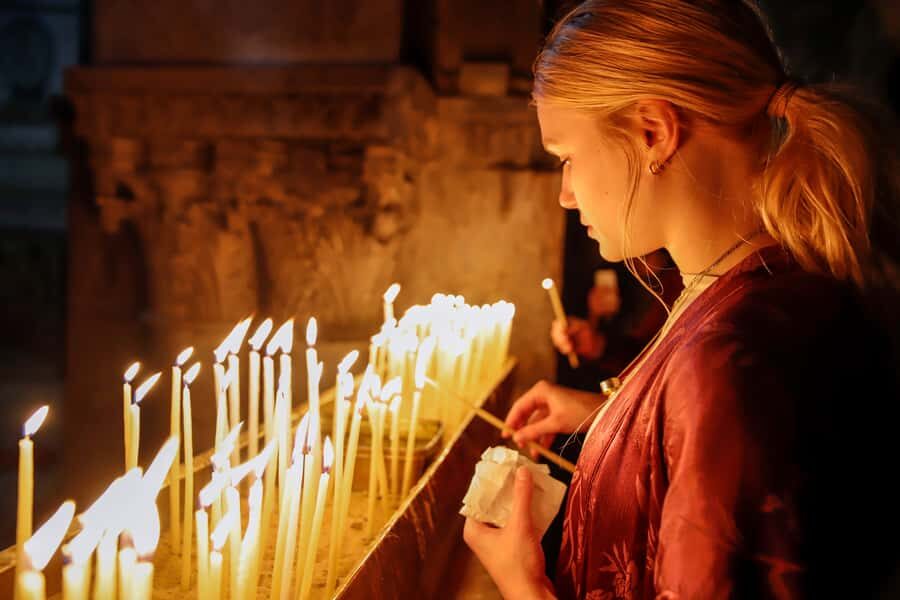
The Church of the Holy Sepulchre is the kind of place where you can feel history in the walls and also feel the flow of people in your legs. Even with a guide, it’s a crowded, complex church, and you’ll spend time moving through key areas tied to the story of the site.
This stop is also where your timing really matters. In practice, the experience depends on how the group gets routed through tight corridors and how long you have before the next segment of the day. I’d go in with a flexible mindset: you’re there for meaning and atmosphere as much as for a checklist.
Dress code is especially important here. You’re required to cover knees and shoulders, so if you’re traveling light, wear something that can handle heat and still meets the rule. The church visit can also involve more standing and navigating than you might expect, especially if the group hits peak visitor hours.
Bethlehem’s Church of the Nativity: a focused hour, plus the grotto timing question
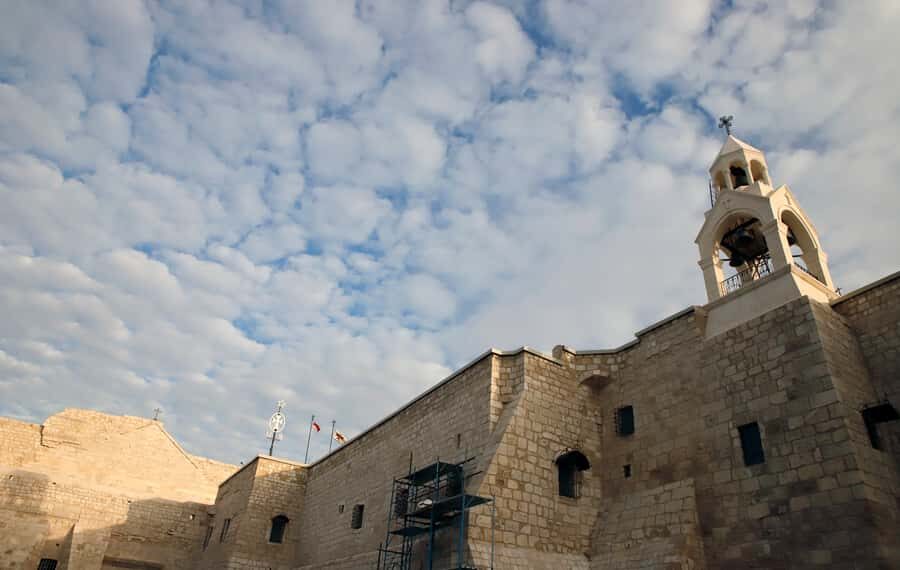
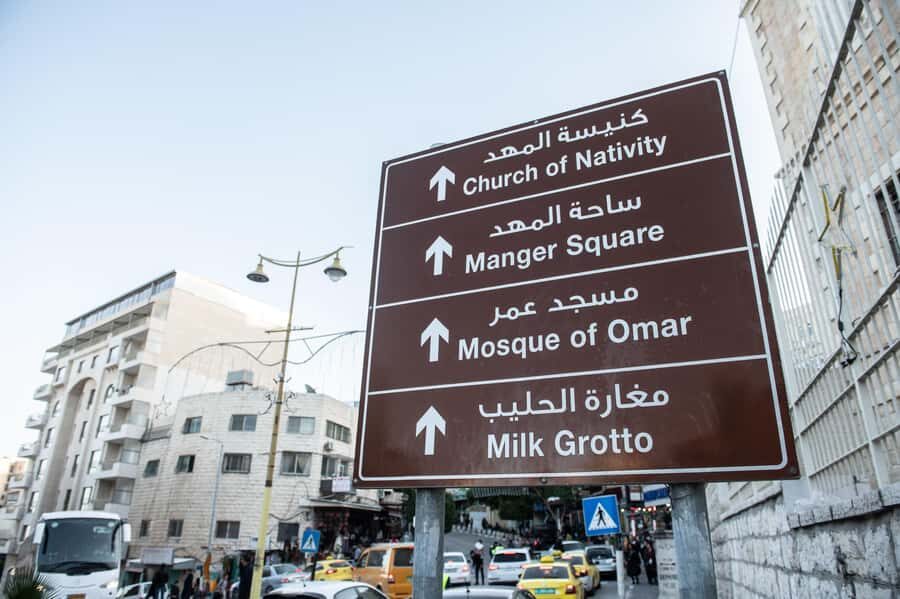
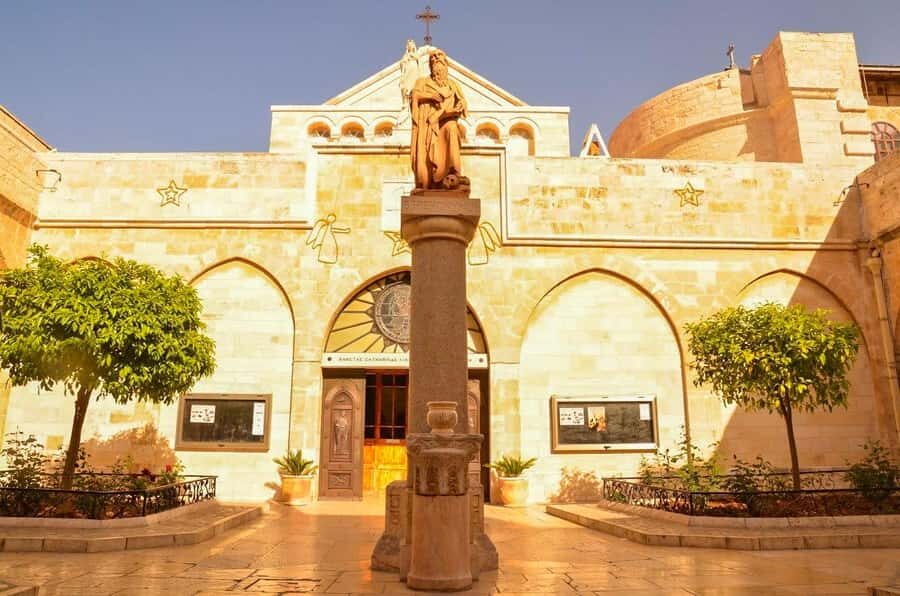
After Jerusalem, you’ll head to Bethlehem for a guided look at the historic center and the Church of the Nativity. The guide time here is shorter—about one hour—so think of it as a focused introduction rather than a long, unhurried museum-style visit.
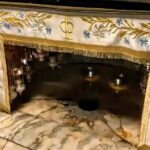
The Church of the Nativity is the headline, and it’s also where crowd flow can change your experience. The tour notes that time to descend to the grotto is not always guaranteed because of how busy it can get. If that grotto level matters a lot to you, mentally budget for the possibility that you might only get part of the full complex during your allotted window.
Still, you’ll get a meaningful snapshot of Bethlehem’s Christian heritage and the way the site fits into the town’s historic identity. In a good one-hour visit, you learn what to look for and where the most important areas sit—so you leave feeling like you actually understood what you saw.
Dead Sea floating: what one hour really means (and what costs extra)
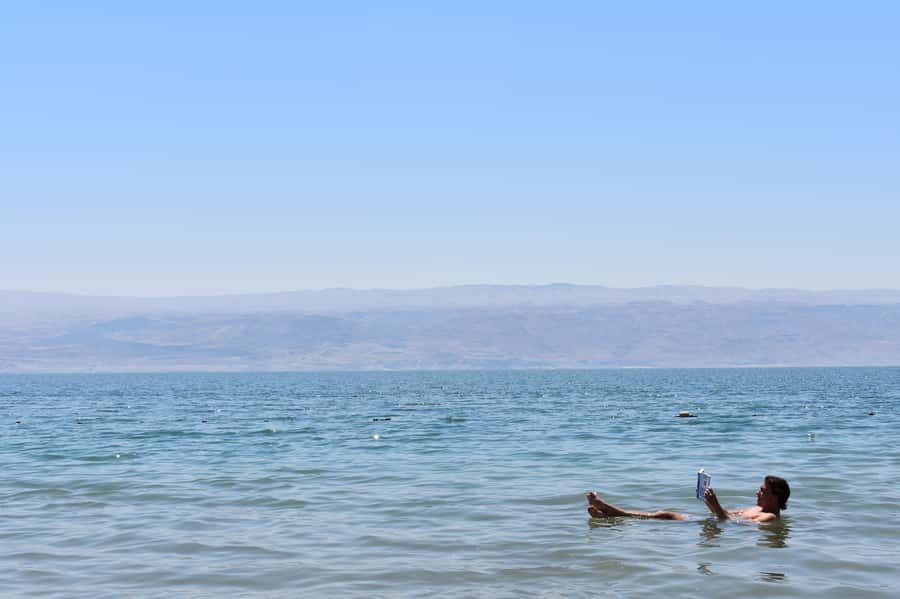
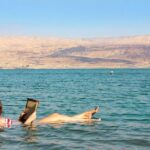
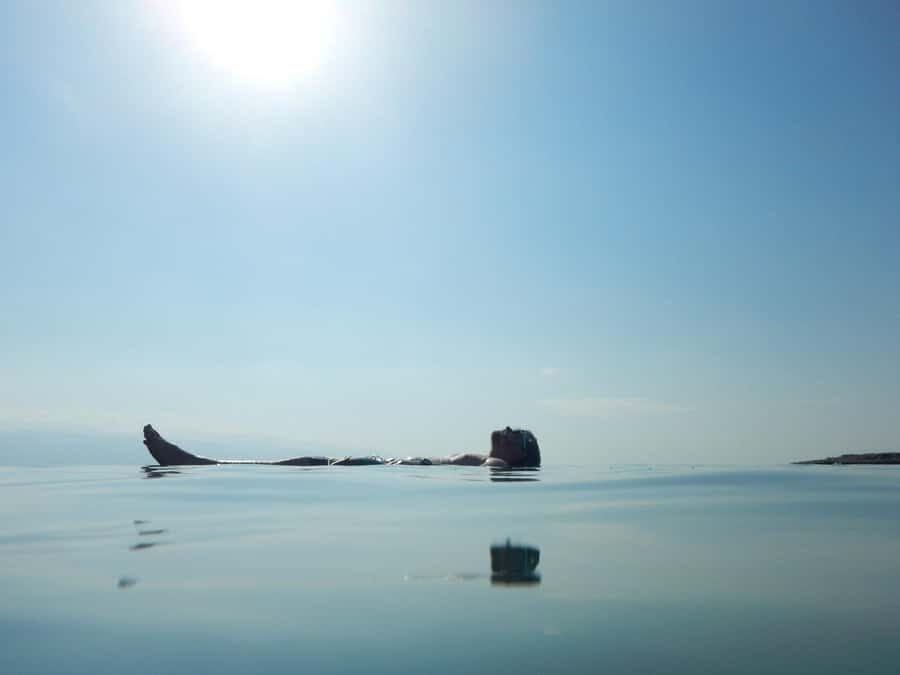
The day ends at the Dead Sea with free time and swimming for about one hour. If you’re coming for the float, this is the part to treat like a mini goal: change quickly, get into the water, and enjoy that strange, effortless buoyancy that makes you feel like you’re barely working at all.
One practical note: entrance to a private beach is not included, and there’s a 45 NIS cost listed. Your tour time at the Dead Sea is included, but you may still need to pay that entrance fee depending on where you’re directed. If you like to plan, bring cash or be ready for the payment request.
Also, don’t assume the full hour turns into a relaxed long soak. Schedules can get squeezed by group coordination, getting in and out, and the time it takes everyone to line up and pay if needed. My advice: treat the first minutes like you’re making a reservation—get in, take your float time, and then come out when your window is protected.
If you want the best outcome, prioritize the water over extras. Save long chats for after the swim window, because the day’s transportation and next steps are already built in.
The pacing: 2.5-hour rides plus a full-day structure
This tour runs 10 hours total, with about 2.5 hours by bus from your start point and again on the way back. Jerusalem gets three hours, Bethlehem gets one, and the Dead Sea gets one. There’s no slow, flexible padding in the timetable—so you’ll want to feel comfortable with a structured day.
That bus time is long enough that it can start to blur together. I like using the ride to get my bearings for what I’m about to see: skim a bit of background, mark the sites you care about most, and decide in advance what you’ll do if the grotto timing in Bethlehem doesn’t work.
This schedule also explains the “why” behind the walking. The tour gives you concentrated guided time in the key sacred zones, but it expects you to handle the in-between travel reality without much downtime. If you’re the type who needs frequent breaks, this might feel like too much in one day.

Transportation and guide quality: when the name matters
The tour includes transportation to all sites from Jerusalem and a hand-picked expert tour guide in English. That guide role is not a nice-to-have here; it’s what turns a chaotic set of crowds into a coherent route.
One guide name that’s been highlighted is Jacob. If you happen to get Jacob on your departure, that’s a good sign, because he’s specifically called out for making the experience enjoyable and moving through the day with clarity.
Even without a named guide, the key is that you’re paying for an organized route and someone to explain the story behind each stop. With holy sites, context is everything. Without it, you can end up staring at stone and missing the plot.
Price and value at $99: what’s included, what you’ll likely pay extra
At $99 per person for a 10-hour day, the value comes from two big inclusions: expert guiding plus transportation to multiple destinations. You’re not just getting a walk-by photo tour—you’re covering a full arc from Jerusalem into Bethlehem and then finishing at the Dead Sea.
The trade-off is that you’ll likely spend extra at the Dead Sea area because private beach entrance (45 NIS) is listed as not included. That’s not a deal-breaker, but it’s real money you should factor in so the final cost doesn’t surprise you.
Also remember what you’re buying: a tight sampler. If your top priority is maximum time at the Dead Sea, the schedule might leave you wanting more. If your top priority is seeing Jerusalem’s Old City and Bethlehem’s key Christian site in one day, this price makes sense because you’re compressing three major experiences.
Dress code and stair reality: plan for the physical part of the day
The tour is clear that modest dress is obligatory for holy sites, with covered knees and shoulders. That’s not just “nice to have.” It affects what you can wear to both Jerusalem and Bethlehem, and it’s the kind of rule that can change how smoothly you move through entrances.
It also notes that the day includes a lot of walking and climbing stairs, especially in the Old City. If you have limited mobility or you simply know you prefer a less active schedule, this isn’t the right match. The route is built around access to old streets and church areas that naturally come with steps.
If you do go, wear shoes that you can trust for uneven stone and lots of walking. This is one of those tours where your clothing and footwear can quietly determine whether you enjoy the sacred sites—or whether you spend the day thinking about your feet.
Bethlehem grotto plans: how to handle the might-not-happen moment
One detail that’s worth taking seriously: the tour can’t always guarantee time to descend to the grotto while visiting Bethlehem’s Church of the Nativity because of visitor volume. That means you should go in with two versions of a good day.
If you get grotto time, great—you’ll feel like you got an extra layer of the experience. If you don’t, you’ll still have a guided visit to the church complex and historic center, and you can still appreciate the main architectural and spiritual focus of the site.
This is a good place to keep expectations grounded. The Holy Land has crowds. Good tours account for them, and the best travelers roll with what’s possible during the time window they’re given.
So, should you book this day tour?
Book it if you want a structured, guided day that links Old City Jerusalem, Bethlehem’s Church of the Nativity, and the Dead Sea float without the hassle of coordinating transport yourself. The $99 price works well when you value a guide who can explain what you’re seeing and you don’t mind the walking.
Skip it or choose a different option if your priorities are mostly about comfort and long downtime. This day has two long bus legs, limited time at the Dead Sea, and a physical Old City route with stairs. If you can’t do that, you won’t enjoy the sacred sites as much as you should.
If you’re deciding, I’d also suggest you prioritize your one goal at the Dead Sea: the water. Protect that time, because the day’s structure is built to move on.
FAQ
How long is the Jerusalem, Bethlehem & Dead Sea day tour?
The tour lasts 10 hours.
Where does the tour start and end?
It starts and ends at David Citadel Hotel.
What are the main stops on the tour?
You’ll visit Jerusalem’s Old City (including the Church of the Holy Sepulchre), Bethlehem’s historic center and the Church of the Nativity, and then the Dead Sea.
Is swimming at the Dead Sea included?
Yes. You get free time at the Dead Sea with swimming time included. Entrance to a private beach is not included and costs 45 NIS.
What should I wear for the holy sites?
Modest dress is required. Your knees and shoulders must be covered.
Is this tour suitable for limited mobility?
No, it includes a lot of walking and stairs in the Old City, so it’s not ideal if you have limited mobility or prefer a less active experience.
If you want, tell me your travel dates and what matters most to you (Jerusalem churches, Bethlehem grotto time, or maximum Dead Sea time). I’ll help you judge whether this exact pacing fits your priorities.