REVIEW · TEL AVIV
Jerusalem Half-Day Tour from Tel Aviv: Holy Sepulchre and Western Wall
Book on Viator →Operated by Bein Harim Ltd · Bookable on Viator
Holy Jerusalem in one tight morning. This half-day tour from Tel Aviv strings together the big-name sights—Mount of Olives panoramas, Garden of Gethsemane, the Western Wall, and the Church of the Holy Sepulchre—so you get context fast and keep moving without feeling like you’re wandering blind.
I especially like the practical setup: hotel pickup plus an air-conditioned coach, which means you’re not wrestling transit right at the start. And the guides get solid marks for clear, organized explanations—names that pop up include Udi, Avi, Amir Call Or, and Zelhi—so first-timers often feel oriented quickly. One drawback to plan for: it’s a one-way setup, and the tour ends in the Old City around 13:00 with no return drop-off to Tel Aviv, so your afternoon logistics matter.
In This Review
- Key things to know before you go
- The big picture: Tel Aviv to Old Jerusalem with a guide
- Hotel pickup and the coach ride you’ll actually want
- Mount Scopus: quick orientation with Old City views
- Mount of Olives panoramas: reading the city in layers
- Kidron Valley and Gethsemane: where the morning turns reflective
- Entering the Old City: a two-hour walk that sets your bearings
- Jewish Quarter and the Byzantine Cardo: cobblestones with a story
- Western Wall: the prayer moment, with group timing
- Temple Mount viewpoints: what you can see from the route
- Christian Quarter and Via Dolorosa: following the route without losing the plot
- Church of the Holy Sepulchre: one stop that can feel like two worlds
- Muslim Quarter: closing the loop before you head back
- Price and value: is $60 worth it?
- Who this tour suits best (and who should think twice)
- Booking call: should you book this half-day tour?
- FAQ
- How long is the Jerusalem half-day tour?
- What time does the tour start?
- Does the tour include hotel pickup in Tel Aviv?
- Does the tour include food or drinks?
- Are entrance fees included?
- Where does the tour end?
- Do I need a special dress code?
- Is the tour suitable for young children?
- What’s the group size?
- What’s the cancellation policy?
Key things to know before you go
- One-way finish: tour ends around 13:00 in the Old City of Jerusalem; you handle your own return.
- Early start: pickup starts for a 7:15am departure window, which helps you beat some morning crowd energy.
- A lot of sacred ground, timed tightly: Mount of Olives views, multiple quarters, and major shrines in about 6 hours.
- Prayer vs pace: group movement can feel fast if you want extra time at every shrine.
- Dress code is real: shoulders and knees need to be covered; no shorts in worship areas.
- Small enough group: max 40 travelers, which usually keeps the experience manageable.
The big picture: Tel Aviv to Old Jerusalem with a guide
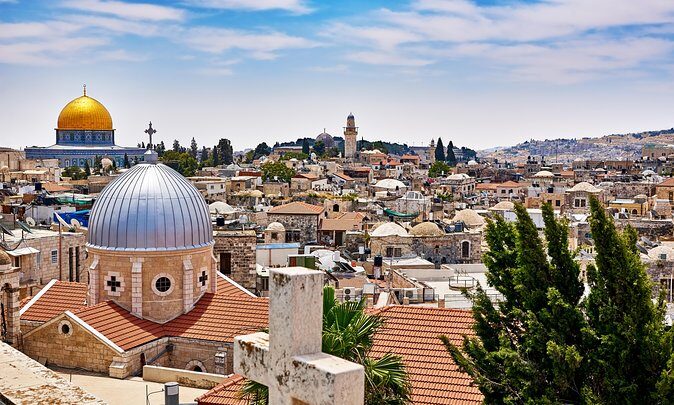
This tour is built for people with limited time. You leave Tel Aviv on an air-conditioned coach with a professional guide, and you’re guided into the walled Old City area where the Jewish, Christian, and Muslim holy sites all overlap in a very physical way. In half a day, you’re basically taught how to read the city—what you’re looking at, why it matters, and where the main landmarks sit.
You’ll also appreciate that the tour includes entrance fees and runs with a mobile ticket. That means fewer stops for paperwork and less time wasted on logistics you could use for photos and walking. Price is $60 per person, which is fairly strong for a guided day that includes transportation, a guide, and entrance fees—especially when you compare it to paying for a full independent day with transit and separate entry costs.
There’s a catch: you’re not getting a hotel drop-off at the end. If you’re staying in Tel Aviv, you’ll need a backup plan for your return when the tour finishes around 13:00 in the Old City.
A few more Tel Aviv tours and experiences worth a look

Hotel pickup and the coach ride you’ll actually want
Starting with pickup is a genuine quality-of-life upgrade in a city like Tel Aviv where mornings can get busy. You meet your guide, get into a comfortable air-conditioned vehicle, and head toward Jerusalem with someone handling the route.
That early start matters. Jerusalem’s Old City is compact, but it can be crowded. A guided schedule helps you hit the essentials before the day turns into full throttle. And because the group is capped at 40 people, you’re not dealing with a busload chaos monster that makes every stop feel like a stampede.
On the practical side, the tour is set up for moderate walking. Comfortable shoes are not a suggestion; they’re the difference between enjoying the day and spending the afternoon with sore feet. You’ll be on foot through multiple quarters and inside at least one major church site.
Mount Scopus: quick orientation with Old City views
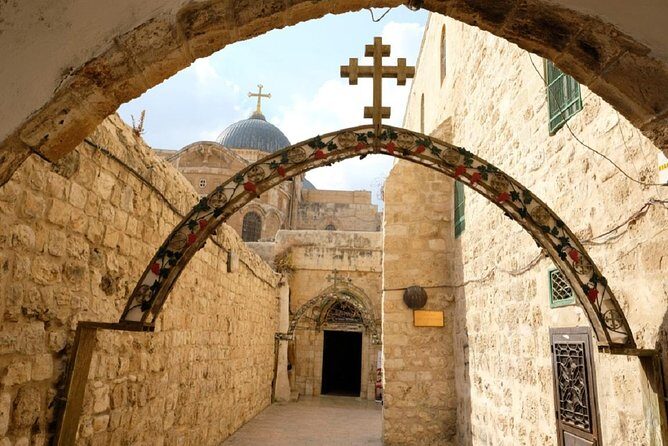
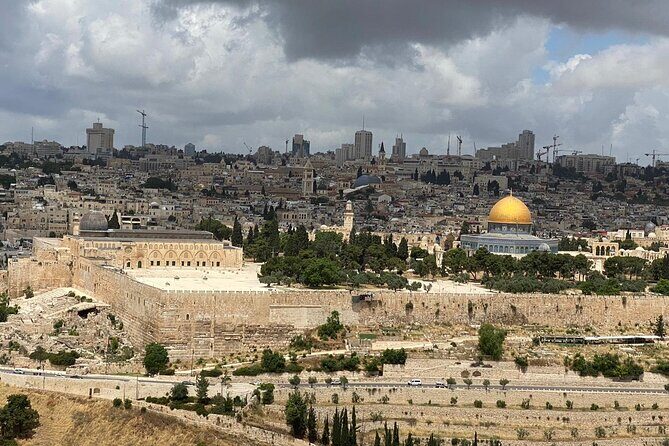
One of the first stops gives you a smart visual anchor. At Mount Scopus National Botanical Garden, you get a view over the Old City from a distance. It’s not just a photo break—this is your moment to understand where the walls sit and how the Temple Mount area dominates the skyline.
Admission here is free and the stop is about 30 minutes, so it doesn’t eat your day. Think of it as the map portion of the tour—without that, your later walking inside the quarters can feel like you’re just collecting shrines. With it, you start recognizing what’s where.
This stop is also where your guide’s storytelling usually clicks. You can connect names you hear later—Temple Mount, Dome of the Rock area, and the city’s defining walls—to something you can actually see.
Mount of Olives panoramas: reading the city in layers
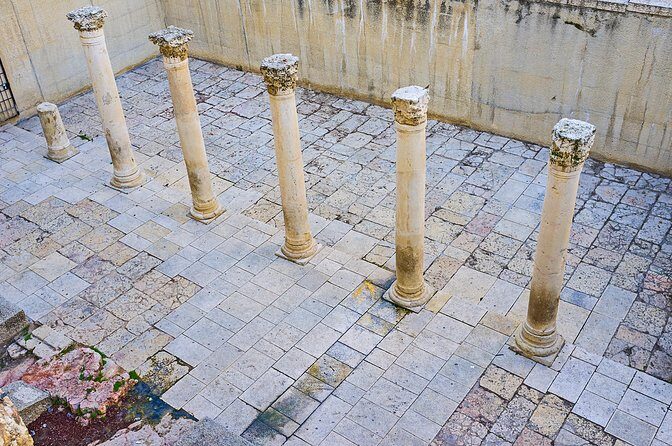
After Mount Scopus, the tour focuses on big-view geography with stops that set the religious context. The Mount of Olives is the obvious place to do that because it gives you an elevated perspective over the walled Old City.
You’ll also get identification help for key landmarks. The Dome of the Rock on the Temple Mount esplanade is a typical highlight your guide points out. This helps you not just look, but understand—where that iconic golden dome fits into the bigger puzzle of the city.
This is also one of the best parts for first-timers. You’re not stuck inside corridors yet; you get open-air views, breathing room, and a clearer sense of how the Old City sits within the surrounding valleys and slopes.
Kidron Valley and Gethsemane: where the morning turns reflective
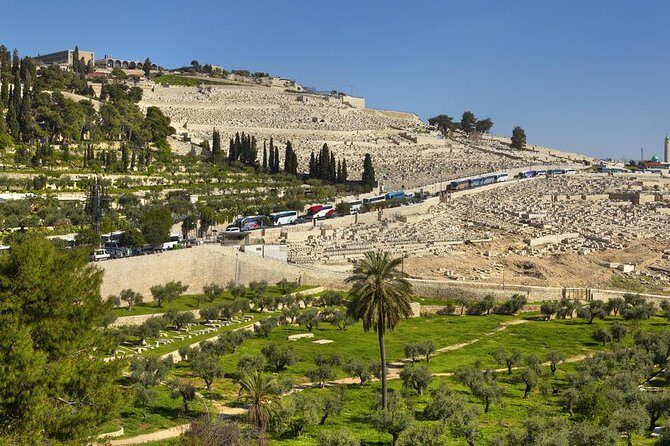
The coach ride continues toward the Kidron Valley, with a look toward the Garden of Gethsemane, where Jesus prayed the night before his crucifixion. The tour frames these stops as sacred ground connected to Christian tradition, but even if you approach from a historical or cultural angle, the location feels significant.
The value here is timing and guidance. You don’t just arrive and wander. You’re told what you’re seeing and why it’s part of the city’s layered narrative. Then you move on before the day becomes too crowded.
This section also helps balance the tour. Later, you’ll be in busy alleys and worship spaces. Coming through valleys and gardens first softens the shift.
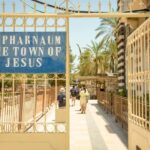




Entering the Old City: a two-hour walk that sets your bearings
Once you’re inside the Old City, you’ll walk for about two hours through the area with your guide. This part is all about finding orientation fast: where the quarters begin, how the lanes connect, and how the landmarks relate to each other.
The guide’s pacing matters here. A smooth guide keeps the group together without turning it into a sprint. When guides are particularly strong at structure—names like Udi and Avi come up often in positive feedback—the walk tends to feel organized and easy to follow.
One reality check: the Old City is not built for long lingering. Even in a well-run tour, you’ll have limited time at each stop. If you want slow prayer or deep reading, you’ll need to plan extra time on your own afterward.
Jewish Quarter and the Byzantine Cardo: cobblestones with a story
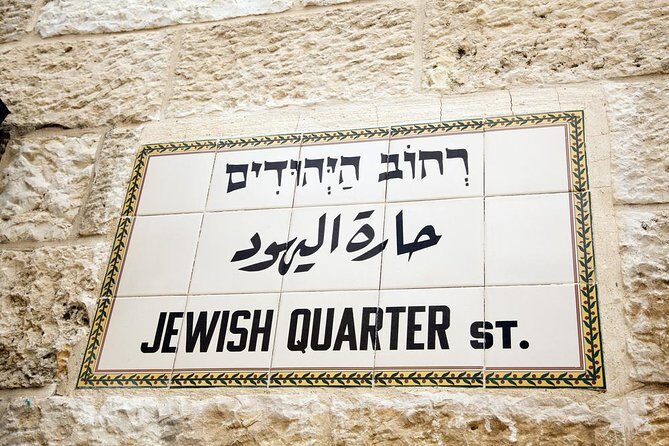
In the Jewish Quarter, you’ll spend around 30 minutes walking, including views related to the Byzantine Cardo. This is one of those stops where you can feel the city’s age under your feet. You’re in a dense area of lanes, synagogues, and historic passages where every corner looks like it has an older layer.
This quarter is a good moment for attentive listening. Your guide can connect what you see on the street to why this area matters within the wider story of Jerusalem. It’s also a practical photo window because you’ll be moving through streets that are recognizable as traditional Old City lanes rather than modern streets.
If you’re the type who likes to pause and read signage, this is also where you might feel time pressure. The tour is built to fit a lot in a short window.
Western Wall: the prayer moment, with group timing
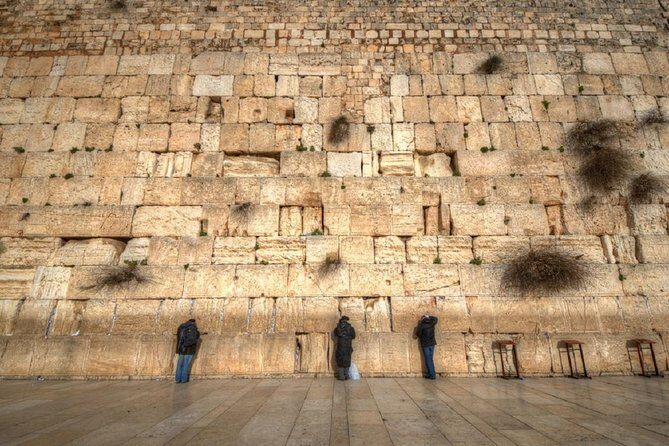
The Western Wall stop is about 20 minutes. This is often the emotional core for many visitors, because it’s an active worship space where people come to pray and place notes. Even if you’re not there to pray, you’ll feel the atmosphere immediately.
A key consideration: group tours can’t guarantee everyone gets extra time. If you’re the type who wants to stand quietly for a long stretch—or if you want to read at length—this can feel rushed. Some guides do better than others at balancing movement with respectful pauses, but the schedule is the schedule.
Still, the time you get is usually enough to see the Wall, understand what people are doing there, and take a few respectful photos from the edge of the action.
Temple Mount viewpoints: what you can see from the route
Your schedule includes a view of the Temple Mount area. You may not be doing a full guided inside visit, but even from outside perspectives, the guide helps explain why the Temple Mount esplanade is so important.
This is where your Mount of Olives context comes in handy. Once you’ve seen the Dome of the Rock from above and then you’re seeing the area again from within the Old City lanes, it’s easier to connect the geography to the stories you’re hearing.
If you’re hoping to spend extra time around the Temple Mount, treat this as a “quick read” and plan further time on your own. A half-day tour doesn’t have time for everything.
Christian Quarter and Via Dolorosa: following the route without losing the plot
Next comes the Christian Quarter (around 30 minutes walking). Your guide helps you move through the area and points toward Via Dolorosa—the route associated with the Stations of the Cross.
You’ll also spend about 30 minutes seeing some of the stations. This is a good “greatest hits” approach if you want the main path and the significance, without committing to hours of independent wandering. It’s also a relief for pacing: the tour keeps you moving so the route doesn’t turn into a long shuffle.
The possible drawback is crowd energy. These streets can get busy, and if you have mobility limitations or you simply don’t like moving through tight lanes, you may feel squeezed. Good shoes and patience help a lot.
Church of the Holy Sepulchre: one stop that can feel like two worlds
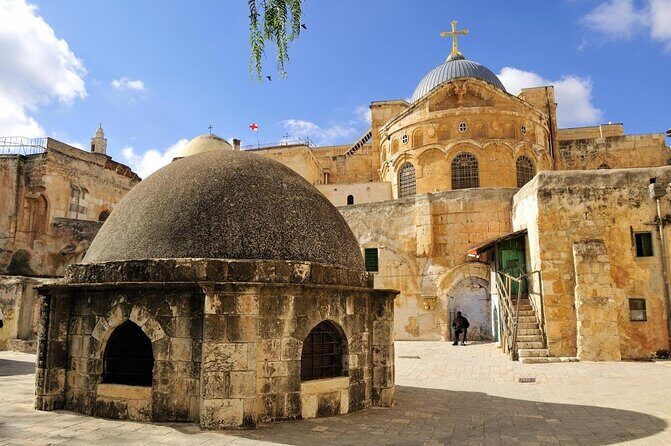
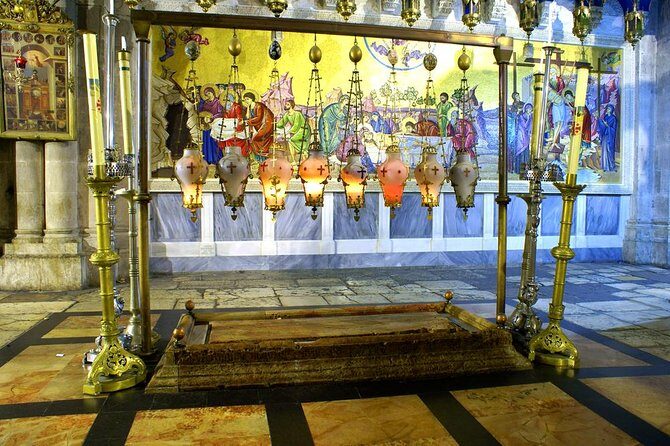
The Church of the Holy Sepulchre visit is about 40 minutes. This is one of Jerusalem’s most important churches in Christian tradition, and it’s also known for heavy foot traffic inside.
Forty minutes can work if you’re organized and your guide helps with where to go and what to notice. The benefit of a guided stop here is that you’re not spending most of your time trying to figure out the path through the complex layout. Instead, you can focus on understanding what you’re seeing.
But it’s still a church, and you may have to manage your time around prayer and crowds. If you’re hoping for long quiet reflection, you’ll likely need to come back later on your own day.
Muslim Quarter: closing the loop before you head back
You’ll finish with a walk in the Muslim Quarter for about 30 minutes. This is a smart way to broaden the experience beyond only the Christian and Jewish landmarks. Even if your mental checklist started with the biggest names, the Muslim Quarter reinforces how Jerusalem is lived-in, not just visited.
At this stage, your guide has usually helped connect the dots: the city’s shared space, the different traditions, and how all of it fits into the same walls and streets.
Price and value: is $60 worth it?
For $60 per person, you get a guided half-day with hotel pickup, an air-conditioned coach, a professional guide, and entrance fees. You also get a structure that would be hard to assemble on your own in just a few hours, especially if you’re trying to cover multiple Old City zones without getting lost.
Where the value can shift is where you end up after the tour. Because it’s not a hotel drop-off, your return plan becomes part of the real cost in time and possibly taxi money. If you’re staying in Jerusalem’s neighborhoods with easy access after 13:00, it’s less of a pain. If you’re back in Tel Aviv, you’ll want a plan before you go.
If you’re okay with a tight schedule and you mainly want the major highlights, this is good value. If you want a slow, lingering Jerusalem day with flexible pacing, you might prefer a longer format.
Who this tour suits best (and who should think twice)
This tour is a great fit for:
- First-time visitors who want the top sites in a short window
- People who like structure and guided context over independent navigation
- Travelers staying in Tel Aviv who don’t mind managing the return after the tour ends
It may not be ideal if:
- You hate feeling rushed in crowded religious sites
- You need long prayer time at major stops
- You’re relying on public transportation to get back after 13:00 during Shabbat conditions (public transportation can be closed until around 6pm, which can make the one-way end time tricky)
Booking call: should you book this half-day tour?
I think you should book it if your priority is hitting the core Jerusalem sights with minimal planning, and you’re comfortable handling your own return from the Old City around 13:00. It’s a strong way to get your bearings quickly—especially with guides who keep the group organized and explain what you’re seeing, which is a theme in the guide feedback (Udi, Avi, Amir Call Or, Zelhi).
Skip it (or upgrade to a longer format) if you want a slow, unhurried religious experience, or if you strongly prefer hotel drop-off at the end. In Jerusalem, the difference between a satisfying visit and a stressful one is often what happens after the tour.
FAQ
How long is the Jerusalem half-day tour?
It runs for about 6 hours.
What time does the tour start?
The start time is 7:15am.
Does the tour include hotel pickup in Tel Aviv?
Yes, hotel pickup is included.
Does the tour include food or drinks?
No. Food and drinks are not included.
Are entrance fees included?
Yes, entrance fees are included.
Where does the tour end?
The tour ends in the Old City of Jerusalem at about 13:00, and there is no return back to your hotel.
Do I need a special dress code?
Yes. You’ll need a moderate dress code for places of worship and selected museums, with knees and shoulders covered. Shorts are not allowed, and you may be refused entry if you don’t comply.
Is the tour suitable for young children?
It is not suitable for children under age 4.
What’s the group size?
The tour has a maximum of 40 travelers.
What’s the cancellation policy?
You can cancel up to 24 hours in advance for a full refund. If you cancel less than 24 hours before the experience starts, there is no refund.