REVIEW · JERUSALEM
Israel Museum Must See High-Lights
Book on Viator →Operated by Uri Goldflam - Travel Trailer Israel · Bookable on Viator
Israel Museum can feel like a maze. This private tour turns the sprawling collections into a focused, story-driven walk through Jewish history and biblical-era archaeology without wasting time. I especially love how the visit is structured so you actually know where to go, and I love having Uri Goldflam explain what you’re seeing in plain language, tying artifacts to the big timelines that connect Jerusalem, faith, and daily life.
One thing to consider: the museum’s archaeological wing ticket for that specific stop is not included, so you’ll want to plan for a separate admission cost for part of the program.
In This Review
- Key Highlights to Look Forward To
- How a Private Museum Route Changes Everything in Jerusalem
- Stop 1: The Second Temple Jerusalem Model That Instantly Grounds the Story
- Stop 2: The Shrine of the Book and the Dead Sea Scrolls, Up Close
- Stop 3: The Israel Museum Archaeological Wing, Where Interpretation Matters
- Stop 4: Jewish Culture and Life-Cycle Wing for the Human Side of Tradition
- The Real Value of Having Uri Goldflam Explain What You’re Seeing
- Price and What $512.83 Really Buys You (Up to 6)
- Who This Tour Fits Best
- Should You Book This Israel Museum Highlights Tour?
- FAQ
- How long is the Israel Museum highlights tour?
- Is this tour private?
- What is the group size for the price?
- Is pickup included?
- Is admission included for all museum stops?
- What museum sites does the tour include?
- What are the listed opening hours for the activity?
- Where is the meeting point?
- Is there a ticket redemption point?
- What is the cancellation policy?
- Are service animals allowed?
Key Highlights to Look Forward To
- A private highlights route through a huge museum, so you’re not aimlessly wandering.
- Uri Goldflam’s context that links geography, history, and scripture without getting heavy-handed.
- Shrine of the Book time built around the Dead Sea Scrolls, including a full Isaiah facsimile.
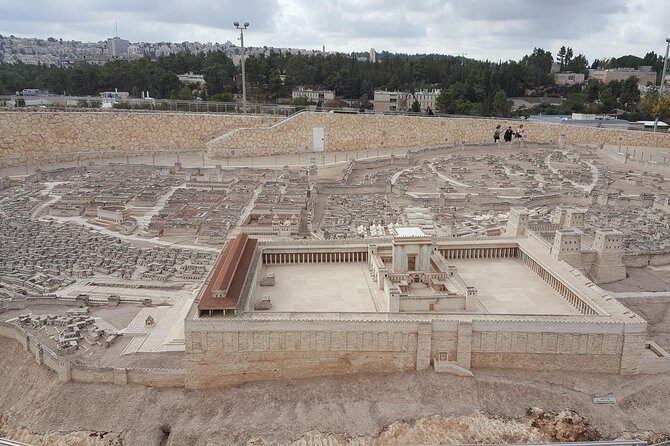
- The Second Temple Jerusalem model gives you fast spatial orientation for the city in Jesus’ era.
- Jewish culture and life-cycle wing coverage for a human-scale view of tradition across centuries.
- Front-door pickup and drop-off in Jerusalem (with an air-conditioned vehicle).
How a Private Museum Route Changes Everything in Jerusalem
The Israel Museum is big. Like, you-can’t-see-it-all big. And if you show up on your own, you’ll spend a lot of energy doing logistics: which wing first, where the main galleries are, how long things take, and how to avoid ending up two hours later still trying to figure out what you missed.
This tour solves that problem by treating the museum like a guided story, not a scavenger hunt. I like that the route is built around recognizable, high-impact stops, so your day doesn’t quietly drift away. With pickup offered and front-door transfers available on request, you also lose less time getting to the museum and back through Jerusalem traffic.
The other big plus is that you get a guide who can “translate” the museum. In the reviews, people repeatedly describe Uri Goldflam as warm, engaging, and extremely good at connecting the dots across time—Bible, archaeology, and the lived culture behind both. That matters because the museum’s collections can feel like separate worlds until someone explains how they line up.
You can also read our reviews of more museum experiences in Jerusalem

Stop 1: The Second Temple Jerusalem Model That Instantly Grounds the Story
Your first major moment is the Second Temple Jerusalem Model, also called the Holy-land Model. It’s a 1-to-50 scale model that shows Jerusalem at the time of Jesus. Even if you’ve read the Gospels, it helps to see the city as a place with shape, not just references to sites.
This stop is quick—about 45 minutes—and that’s a good thing. It’s the kind of orientation that can improve everything that comes next. Once you understand how Jerusalem’s geography works, later artifacts and exhibits stop feeling random. Instead, they start to feel like clues in the same big puzzle.
Practical tip: at the start, spend a few minutes looking for broad features and thinking about routes and neighborhoods. You’ll likely find that the model makes later museum discussions easier to follow, especially when your guide connects biblical events to where people would have lived, traveled, and worshipped.
Admission for this stop is included, so you can keep your planning simple right away.
Stop 2: The Shrine of the Book and the Dead Sea Scrolls, Up Close
Next comes the museum’s star attraction for many people: the Shrine of the Book, home to the Dead Sea Scrolls. The key thing here isn’t just that you’re seeing famous manuscripts. It’s that the shrine sets the scroll story inside a larger archaeological and historical context.
You’ll get time for the full experience—about 45 minutes—and the focus is specific:
- the remarkable story of how the scrolls were found
- the material objects uncovered in the excavations
- and the scrolls themselves
The tour information also highlights that you’ll see very old copies of biblical scripture, including versions dated around 2,000 and 2,200 years old, plus a facsimile of the entire book of Isaiah. That last detail matters. Seeing a full-book presentation helps you move beyond thinking of the Dead Sea Scrolls as just fragments and instead understand them as text that belongs to an ongoing tradition.
Drawback to note: this is a popular, high-importance stop, so it can feel emotionally intense for some visitors. That’s normal. If you like to take things slow, ask your guide for a minute to step back and re-center your attention before moving on.
Admission for this stop is included, and the shrine’s architecture is part of the experience—beautiful and distinctive enough that it helps you remember what you saw long after you leave the museum.
Stop 3: The Israel Museum Archaeological Wing, Where Interpretation Matters
After you’ve got your timeline anchored and the Dead Sea Scrolls in view, the tour moves into the Archaeological wing. This is where things can feel both exciting and more demanding, because archaeology tends to be detail-heavy and interpretation-focused.
Expect about 1 hour 30 minutes in the archaeological collections. The big value here is that your guide doesn’t just point out objects. The tour is designed to follow a biblical narrative using archaeological findings as context. In other words, you’re not treating scripture like separate reading material. You’re seeing how archaeology can help explain setting, chronology, and the physical realities of ancient life.
One important consideration: the information you were given says that the admission ticket for this stop is not included. That doesn’t mean it’s not worth doing—it just means you should budget for that part of the visit. If you’re the type who plans everything down to the minute, this is the stop where you’d want to check exactly how the museum charges work for the archaeological wing when you’re there.
What you’ll likely appreciate in this segment is the contrast. If stops one and two feel like orientation and landmark discovery, this one feels like “how we know.” You see how evidence is gathered and interpreted, and you get help turning that into something meaningful rather than a wall of display text.
Stop 4: Jewish Culture and Life-Cycle Wing for the Human Side of Tradition
The final stop is about people, not just manuscripts or artifacts. The Jewish Culture and Life-Cycle wing looks at what Jews living in different continents for centuries share in common—traditions that show up through weekly, seasonal, and annual events.
You’ll spend about 45 minutes here, and this is a smart ending. After the intensity of ancient history, this section brings the story forward into everyday rhythms: how tradition is observed, remembered, and practiced.
Why it’s valuable: archaeology can explain ancient objects, but culture explains how identity continues. This wing helps you connect the past you saw earlier to a living tradition, so the day doesn’t end as a history lesson only. Instead, you end with a sense of continuity—what changed, what stayed recognizable, and why those threads matter.
Admission for this stop is included, which is a nice way to finish the program without extra paperwork or added costs at the end of your day.





The Real Value of Having Uri Goldflam Explain What You’re Seeing
If you only pick one reason to book a private highlights tour, make it this: a guide can turn a museum from information into understanding.
In the reviews behind this experience, Uri Goldflam comes up again and again. People describe him as:
- extremely knowledgeable across Israeli history and culture
- engaging and easy to follow
- respectful across religious viewpoints, including Christianity
- able to make the material feel connected and clear rather than abstract
There’s also a recurring theme about safety and comfort with him leading the group. That’s not a “nice bonus”—in a place where tensions can exist, having a guide who handles context thoughtfully matters.
You should also know: a lot of the praise focuses on how he connects biblical relationships to geography and events. That’s precisely what this museum needs. The Israel Museum isn’t short on content. It’s short on direction. A strong guide supplies that direction.
Price and What $512.83 Really Buys You (Up to 6)
The tour price is $512.83 per group (up to 6) for about 2 to 4 hours. That sounds high until you translate it into how museums cost you time—and time has a real price, especially in Jerusalem.
Here’s how it can be good value:
- You’re paying for someone to do the routing, so you don’t lose half your visit figuring out galleries.
- You’re paying for front-door pickup and drop-off and an air-conditioned vehicle, which can reduce stress if your day is already packed.
- You’re paying for a private experience, meaning you’re not squeezed into a one-size-fits-all group pacing.
If you’re traveling with a small group or family, that per-group structure can make the day feel like it’s priced for comfort and clarity rather than just entry.
One caution: because the archaeological wing ticket is not included, you’ll want to allow a bit of extra budget for museum fees attached to that specific stop.
Who This Tour Fits Best
This Israel Museum highlights tour is ideal if you:
- want a focused plan through a very large museum
- care about context—how archaeology relates to the biblical story and the broader timeline
- prefer private pacing and direct explanations
- like guides who can respect different faith perspectives while staying grounded in facts
It’s also a solid pick for families with teenagers who want more than a quick selfie tour. The themes here are visual, story-driven, and easy to connect to what people already know.
Should You Book This Israel Museum Highlights Tour?
I’d book it if you want an efficient, high-impact Israel Museum day that doesn’t leave you feeling lost in the stacks. The best part isn’t any single exhibit—it’s the way the tour builds from orientation (the Second Temple model), to the defining scrolls discovery, to archaeology that relates to scripture, and finally to a culture wing that shows how tradition lives on.
If you dislike planning and want every stop chosen and timed for you, this is exactly that kind of tour. The only real hesitation is budget for the archaeological wing admission that isn’t included.
If that’s manageable, you’ll likely leave with a clearer sense of how texts, artifacts, and people connect across thousands of years.
FAQ
How long is the Israel Museum highlights tour?
It runs about 2 to 4 hours.
Is this tour private?
Yes. It’s a private tour/activity, and only your group participates.
What is the group size for the price?
The price is per group for up to 6 people.
Is pickup included?
Pickup is offered, and front-door pickup and drop-off from any location in Jerusalem are part of the highlights. Hotel transfers are provided on request.
Is admission included for all museum stops?
Admission ticket details vary by stop. The Shrine of the Book and the Jewish Culture and Life-Cycle wing include admission tickets, while the Archaeological wing stop does not include admission ticket.
What museum sites does the tour include?
The tour includes the Second Temple Jerusalem Model, the Shrine of the Book (Dead Sea Scrolls), the Israel Museum Archaeological wing, and the Jewish Culture and Life-Cycle wing.
What are the listed opening hours for the activity?
The opening hours shown are for Tuesday, 4:00 PM to 9:00 PM.
Where is the meeting point?
The meeting point is listed as חנויות המוזיאון71117, Jerusalem, Israel.
Is there a ticket redemption point?
Yes. The ticket redemption point is listed as Israel Museum/Ruppin, Jerusalem, Israel.
What is the cancellation policy?
Free cancellation is available. You can cancel up to 24 hours in advance for a full refund.
Are service animals allowed?
Yes, service animals are allowed.