REVIEW · TEL AVIV
From Tel Aviv: Magdala, Mount of Beatitudes, and Cana Tour
Book on GetYourGuide →Operated by Bein Harim Israel Tours · Bookable on GetYourGuide
A full day in Galilee feels like a short story. You see key Bible-era sites across the Sea of Galilee region, with two major stops tied to Jesus’ ministry: teaching at the Mount of Beatitudes and the miracle at Cana. It’s a tight route, but the payoff is real: ancient village life, synagogue history, and the places people built churches to remember.
What I like most is the grounding in physical evidence. At Magdala, you’ll connect Mary Magdalene to the archaeology, and you’ll also hear about a Second Temple-era synagogue where a coin dated 29 AD was discovered, suggesting it was in use during Jesus’ lifetime.
I also like the balance between places for reflection and places for history geeks. The Ginosar stop centers on a carbon-dated fishing boat (100 BC–70 AD), which makes the Sea of Galilee feel less like scenery and more like a working world. One consideration: there’s no food included, so plan on budgeting for a lunch or bringing simple snacks for the long day.
In This Review
- Key things you’ll notice on this tour
- A 10-hour Galilee day trip with real stops, not filler
- Magdala: Mary Magdalene’s home town and a synagogue from the era
- Ginosar and the Beit Yigal Allon Museum fishing boat
- Mount of Beatitudes: the sermon site and a 1939 chapel that shapes the view
- Cana (Kfar Kanna): the first miracle site and Byzantine details inside the church
- Price and value: what $105 buys you on a one-day route
- Guides matter: what good interpretation feels like here
- Logistics that can make or break the day
- Who should book this tour
- Should you book it?
- FAQ
- How long is the tour from Tel Aviv to Magdala, Ginosar, Mount of Beatitudes, and Cana?
- What does the tour cost?
- What’s included in the price?
- Is food or drinks included?
- Does the tour have an English-speaking guide?
- Where does the tour pick you up?
- Do I need modest clothing?
- Is the tour suitable for children?
- Is the tour wheelchair accessible?
- Can I cancel if plans change?
Key things you’ll notice on this tour
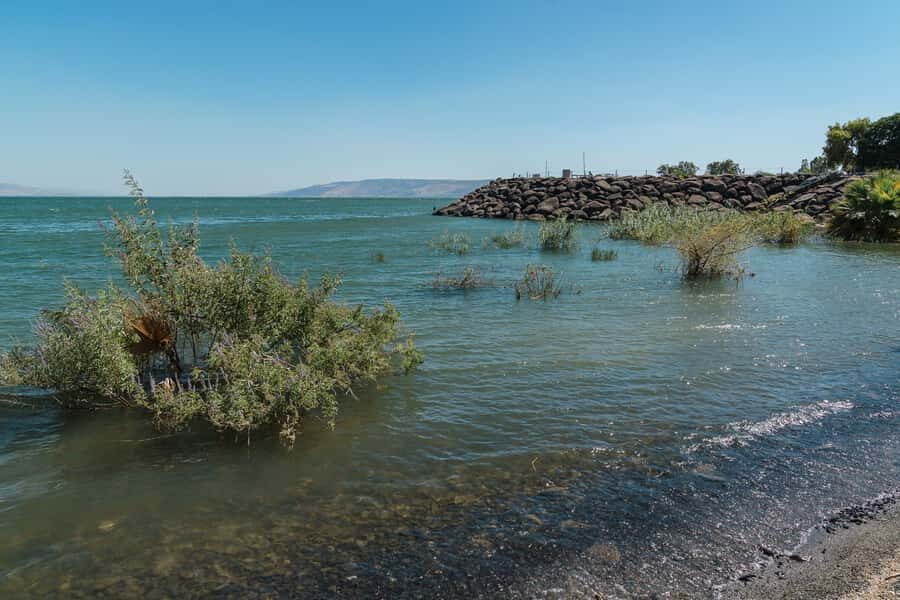
- Magdala’s ancient fishing village: you’re not just looking at buildings, you’re seeing how people lived along the water
- A synagogue with a 29 AD coin: a rare kind of dating clue for a place tied to the era
- The Ginosar boat at Beit Yigal Allon Museum: a carbon-dated 1st-century fishing vessel experience
- Mount of Beatitudes’ 1939 Catholic chapel design: including Antonio Barluzzi’s arches and dome
- Cana’s Wedding Church and museum artifacts: plus a Byzantine mosaic inside the church
A 10-hour Galilee day trip with real stops, not filler
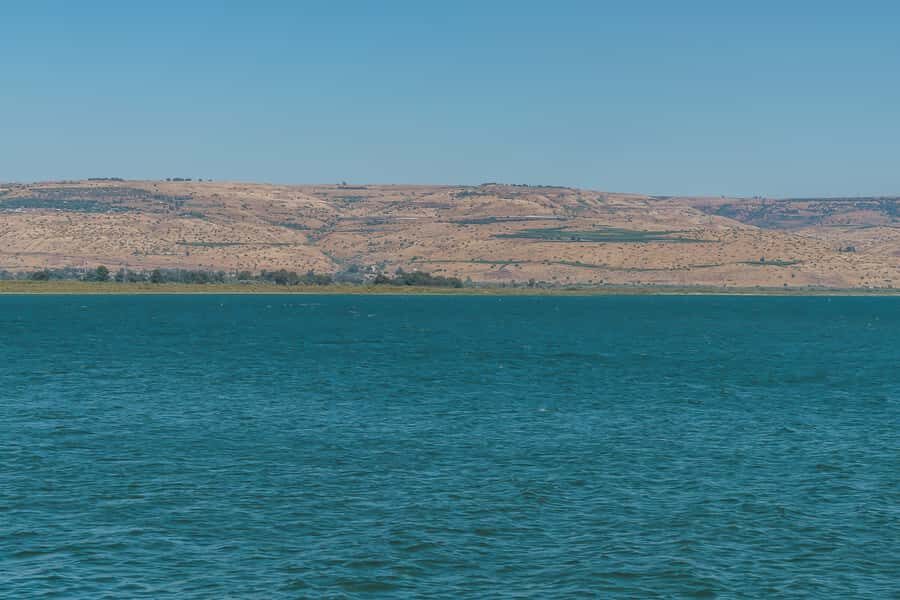
This tour runs about 10 hours and starts with a drive from central Israel up into the north. You’ll head through farmland and coastal stretches, then settle into a sequence of sites that each adds a different piece of the Galilee puzzle. It’s the kind of itinerary that helps you connect geography to story without feeling like you’re racing through everything.
Transport is by air-conditioned coach, with pick-up and drop-off included. That matters on a day like this, because the distances between sites can add up fast when you’re doing it on your own. You also get a professional, English-speaking guide, which is where the time often turns useful—because you’ll understand what you’re looking at instead of just ticking boxes.
The tone is practical: sites are meaningful, but you’ll still be standing and walking. Bring a hat, wear comfortable shoes, and expect sun exposure at least part of the day. Also, keep in mind the tour isn’t suitable for wheelchair users and it’s not for children under 4.
You can also read our reviews of more tours and experiences in Tel Aviv.

Magdala: Mary Magdalene’s home town and a synagogue from the era
Magdala is the first major stop, and it’s easy to see why it anchors this tour. The archaeological site is believed to have been inhabited during the Biblical period, and it’s tied to the idea of Mary Magdalene as someone from that region. In other words, you’re connecting the name to place, not just to a vague setting.
What makes Magdala more than a viewpoint is the combination of village remains and religious history. You’ll also visit a Second Temple-era synagogue, and the tour highlights a particularly specific detail: a coin dated 29 AD was discovered there. That’s the kind of clue that helps you feel the timeline more clearly—this wasn’t a site that belonged to a distant, unconnected past.
As you walk through, try to imagine the daily rhythm. This was a fishing-area community, so worship and work weren’t separate worlds. If you care about how people actually lived—how a synagogue fit into village life—Magdala is likely the stop that clicks hardest.
One practical note: holy places require modest dress, so plan your outfit accordingly. That’s not a small thing here; it affects comfort once you’re waiting outside or walking between spots.
Ginosar and the Beit Yigal Allon Museum fishing boat
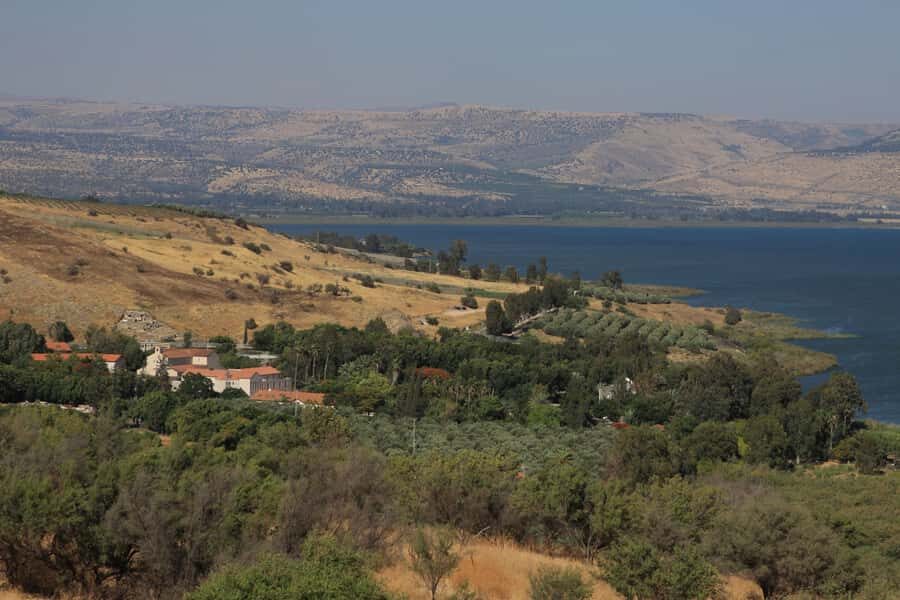
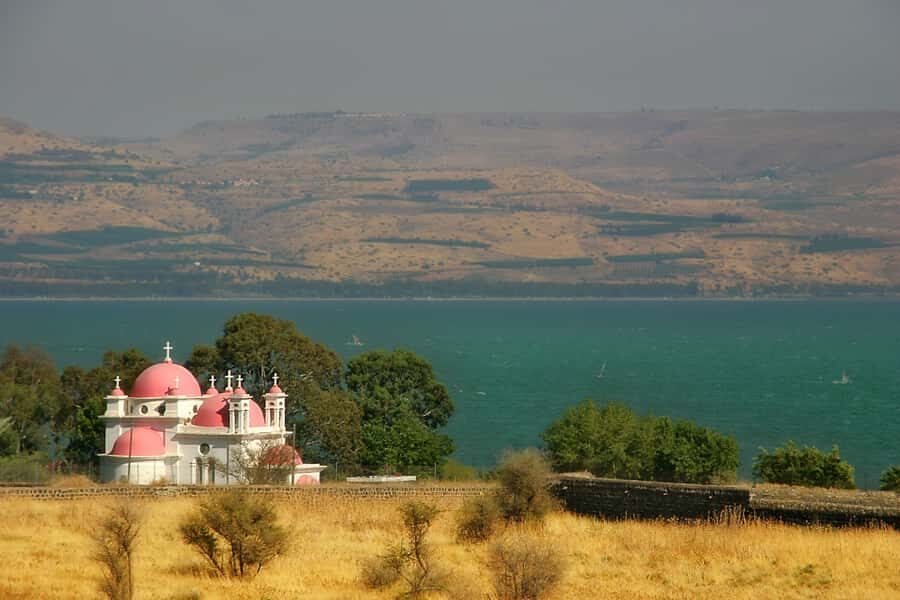
From Magdala, you head toward the western shore area of the Sea of Galilee and arrive in Ginosar. This is where the tour slows down from “big story places” and turns toward material culture—what daily work looked like on the water.
The highlight is the Beit Yigal Allon Museum, where you’ll see a 1st-century fishing boat discovered in the Sea of Galilee. The boat has been carbon dated to 100 BC–70 AD, which gives you a strong anchor for imagining scale, construction, and fishing routines during the era. Even if you aren’t a museum person, this stop helps you get your bearings fast about how normal life around the lake would have looked.
Why it’s valuable: the Sea of Galilee in stories can feel symbolic, but the boat makes it concrete. You can picture fishermen getting in and out, and you can also understand why this region mattered so much to the people who lived there. The tour’s framing suggests that someone like Jesus likely could have encountered fishermen here, maybe even on boats like this one or similar vessels.
Drawback to consider: museum time can feel more “indoor” than some people expect on a day trip. If you’re hoping for constant scenic viewpoints, you’ll still get them, but Ginosar is more about objects and context than views alone.
Mount of Beatitudes: the sermon site and a 1939 chapel that shapes the view

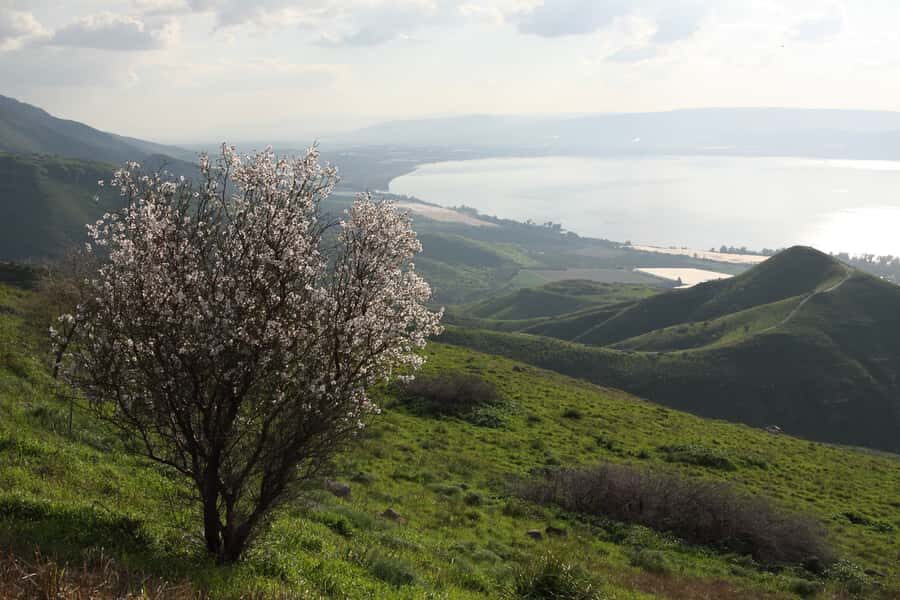
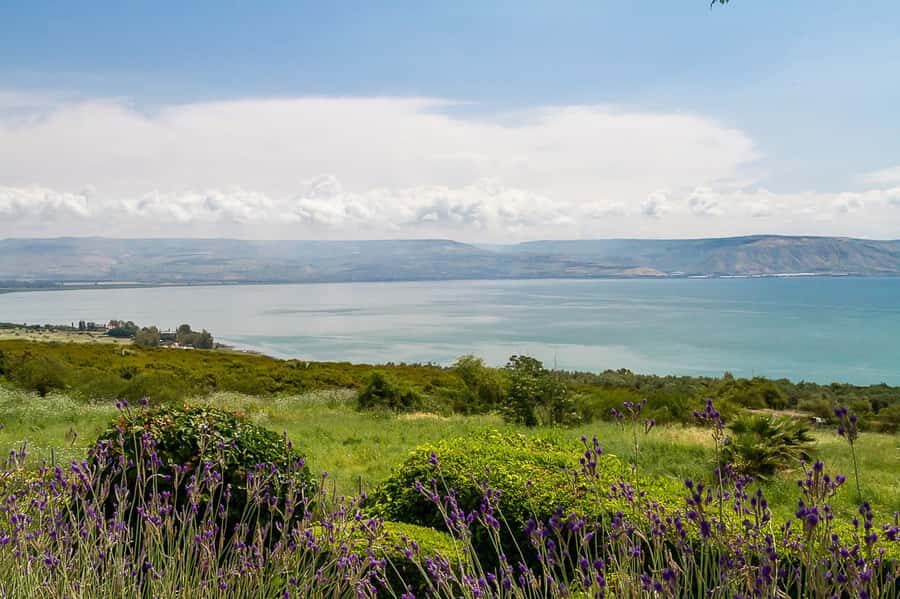
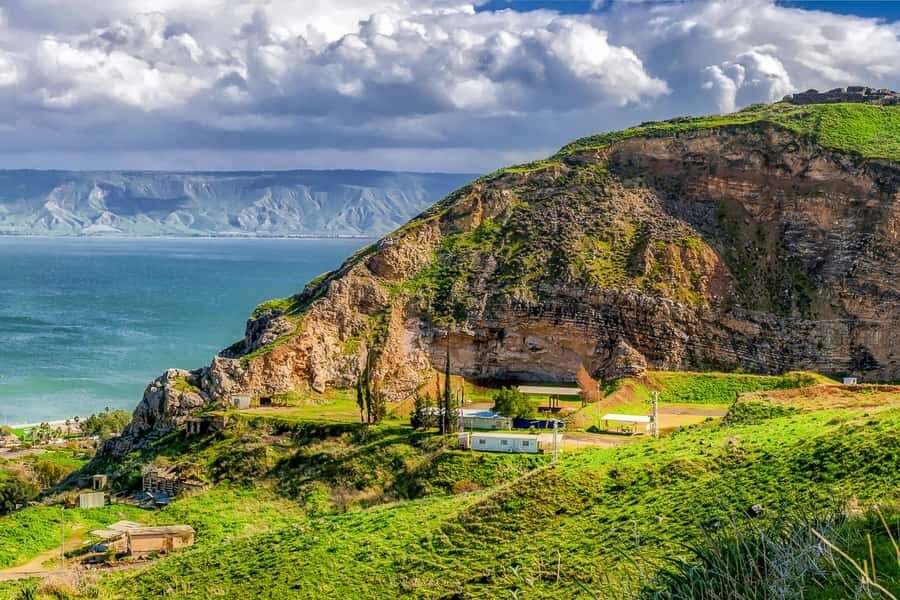
Then comes the high point for many visitors: the Mount of Beatitudes. This hill overlooks the Sea of Galilee, and it’s identified with the Sermon on the Mount tradition referenced in Matthew 5–7 and Luke 6. Even if you’re not there for religious history, the setting is the kind that makes you understand why people would gather and listen here.
The story of the site also matters. Christians identified this area with the sermon as early as the Byzantine era, and a church was built near the foot of the hill to commemorate it. Today, the most prominent structure is a Catholic chapel built in 1939, designed by Antonio Barluzzi, with elegant arches around the portico and a strong dome.
From a practical standpoint, you’ll get a chance to stand where the preaching is traditionally imagined. And there’s an additional layer that adds weight without needing any “hype”: in 2000, Pope John Paul II held a Mass on the Mount of Beatitudes attended by 100,000 worshipers. That detail helps explain why this spot isn’t only a local stop; it’s a place with long-term international significance.
One thing to plan for: weather and sun. The mountain gives you openness and wide air, but you still need the hat and sunscreen on a clear day. Modest dress applies here too.
Cana (Kfar Kanna): the first miracle site and Byzantine details inside the church
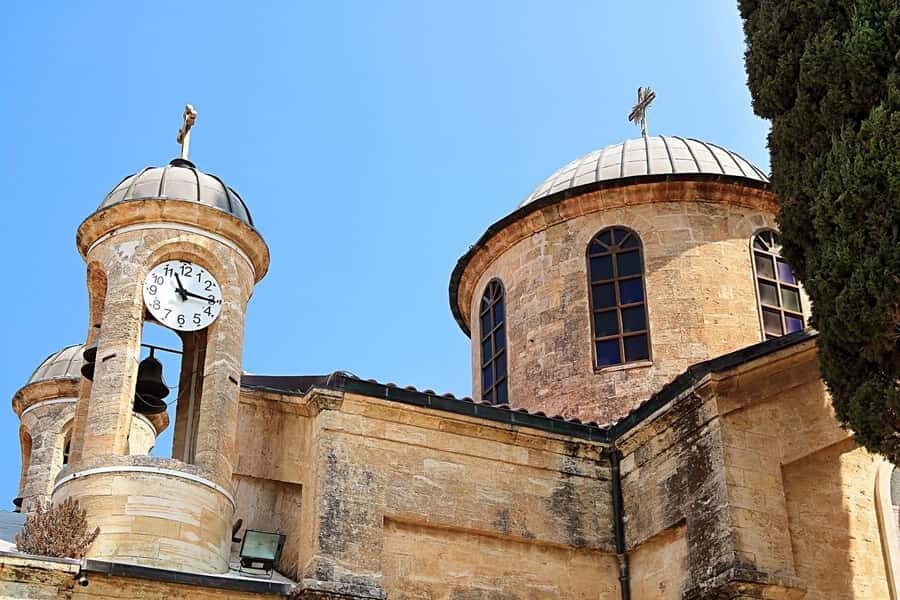
Next is Kfar Kanna, also known as Cana, the place associated with Jesus’ first miracle in Christian tradition. Here, the tour focuses on the wedding story: wine runs out, and Jesus turns water in stone jars into wine. It’s a familiar scene, but the value of the visit is that you see the physical location that communities later turned into a memorial.
You’ll visit the Wedding Church, which commemorates the event. There’s also a church museum where you can see excavated artifacts, which helps the site feel less like pure storytelling and more like a layered historical spot. Inside the church, you’ll find a 5th–6th century Byzantine mosaic, one of those details that makes the centuries feel close.
Why this stop works on a day like this: Magdala and Ginosar bring the era into focus through archaeology and everyday life. Cana shifts you back toward the religious narrative, and you get both a worship space and historical artifacts in the same complex. It’s a nice rhythm change before you start the drive back.
If you want a quick practical tip, it’s this: slow down for the mosaic moment. In tours like this, people rush the last stop because they’re thinking about dinner and getting back. But Cana is the kind of place where one quiet minute helps it land.
Price and value: what $105 buys you on a one-day route
At $105 per person for a 10-hour tour, you’re paying for more than a driver. The price includes entry fees, a professional guide, and transport by air-conditioned coach, plus pick-up and drop-off. When you add up those costs if you go solo (plus time spent figuring out logistics), this starts to look like good value—especially if you want context you can’t easily piece together on your own.
The biggest mismatch for value is what’s not included: food and drinks. That doesn’t make the tour bad; it just means you should plan your own lunch budget. If you’re the type who gets cranky when hungry, build in time for a meal stop before the day gets too far along. Simple snacks can also rescue you during long stretches, especially in warmer weather.
Another value point: this route compresses several major locations into one day. You’re not choosing between Magdala and Cana and Mount of Beatitudes; you’re getting all of them. For first-time visitors who want a “Galilee sampler” that still respects key sites, that’s a strong selling point.
Guides matter: what good interpretation feels like here
The guide experience is one of the best parts of this tour package. In positive feedback, Smil (Samuel) is specifically praised for being very knowledgeable and for guiding in a professional way while staying responsive to the group. That’s the difference between reading about a place and actually understanding why it’s important.
Even beyond name recognition, the pattern you’ll want is clear: you want someone who can connect the site details into one coherent story. This tour is built around that kind of narrative—fishers and village life at the lake, then synagogue context, then sermon geography, then the Cana miracle setting.
If you’re picky about guides, take note of this: the tour is in English, and it’s a live guided format, not a self-guided museum walk with a phone app and vibes.
Logistics that can make or break the day
This is a full-day outing, so a few planning points will help you enjoy it more.
First, start with clothing. Modest dress is required for holy places, so don’t assume you can fix it last-minute with a scarf you forgot. Wear clothing that you can comfortably keep on for multiple stops.
Second, bring comfort for walking and standing. A day built around archaeological areas and churches usually means uneven surfaces at times, plus time outdoors. Comfortable shoes matter more than fancy ones.
Third, hydration and heat. The tour doesn’t include food or drinks, and northern Israel can be sunny. Bring water if you can, use sunscreen, and use your hat early, not after you already feel cooked.
Finally, understand the age fit. It’s not suitable for children under 4. If you’re traveling as a family, this one may be better once kids can handle early drives and steady walking.
Who should book this tour
This tour is a good match if you:
- want a single-day route through Magdala, Ginosar, Mount of Beatitudes, and Cana
- care about the Bible-era setting in a grounded way, with archaeology and specific historical details
- prefer guided interpretation in English, rather than trying to piece together multiple sites alone
It’s also a solid option if you’re time-limited and staying around Tel Aviv or nearby. Pick-up is available from major hotels in Jerusalem, Tel Aviv, Herzliya, and Netanya, and if you’re staying elsewhere (like an Airbnb), the operator shares the closest pick-up point.
If you’re sensitive to crowds or you dislike long days, consider whether you’d enjoy seven-ish hours of moving between meaningful stops. This is not a slow, do-whatever-you-want day.
Should you book it?
I’d book this tour if you want a strong first visit to the Galilee that ties Bible sites to concrete location and evidence. The pairing of Magdala’s synagogue detail and the carbon-dated boat at Ginosar gives you both spiritual place and historical texture, and Mount of Beatitudes adds the big “teaching” geography many people come for.
I wouldn’t book it if you absolutely need food included, or if your priorities are mostly scenic overlooks with minimal indoor museum time. Also skip it if you rely on wheelchair accessibility, since it’s not suitable for wheelchair users.
FAQ
How long is the tour from Tel Aviv to Magdala, Ginosar, Mount of Beatitudes, and Cana?
The tour lasts 10 hours.
What does the tour cost?
The price is $105 per person.
What’s included in the price?
The tour includes entry fees, a professional guide, transport by air-conditioned coach, and pick-up and drop-off.
Is food or drinks included?
No, food and drinks are not included.
Does the tour have an English-speaking guide?
Yes, the tour provides a live guide in English.
Where does the tour pick you up?
Pick-up is included from major hotels in Jerusalem, Tel Aviv, Herzliya, and Netanya. If you’re staying elsewhere, the operator provides details of the closest pick-up point.
Do I need modest clothing?
Yes. Modest dress is required for the holy places.
Is the tour suitable for children?
No, it’s not suitable for children under age 4.
Is the tour wheelchair accessible?
No, the tour is not suitable for wheelchair users.
Can I cancel if plans change?
Yes. You can cancel up to 24 hours in advance for a full refund.