REVIEW · ASHDOD
From Ashdod Port: Masada and Dead Sea Guided Day Trip
Book on GetYourGuide →Operated by Bein Harim Israel Tours · Bookable on GetYourGuide
Two wonders, one long day. This trip packs Masada ruins and a real Dead Sea swim into a smooth cruise-day plan, with a guide to translate what you’re looking at. The main catch is the heat at the Dead Sea can cut down your time in the water, so you’ll want to plan your comfort.
I like the way the day starts with a professional guide and real context, not just “look over there.” You’ll ride a cable car up to Masada, learn why the fortress mattered, and then get dropped at Ein Bokek with enough time to float and try the mineral-rich mud. One consideration: the schedule is tied tightly to your ship, so if timing shifts, parts of the plan can get shortened.
Expect a dramatic sense of going from regular roads to below sea level, with a quick photo stop as the route changes. The itinerary is built around getting you back to Ashdod port in time for your cruise departure, so you’re moving steadily for about 9 hours total.
In This Review
- Key things to know before you book
- From Ashdod Port to the Judean Mountains: what the drive sets up
- Masada Summit by cable car: Herod’s palace-fortress in plain sight
- Masada Museum: when you want more than the ruins
- The Dead Sea at Ein Bokek: float, mud, and handle the heat
- What the water and mud feel like
- Real-world tip: slippers and the slippery bottom
- Lunch break logic: when you’ll eat and how to budget
- What the $120 includes (and what it doesn’t)
- Timing with your cruise: the 8:00 start is not a suggestion
- Guide energy: where the talking tends to be strongest
- What to pack so the day feels good, not just possible
- Who should book this day trip (and who shouldn’t)
- Should you book the Ashdod Masada and Dead Sea trip?
- FAQ
- How long is the Masada and Dead Sea guided day trip from Ashdod port?
- What is the typical pickup and drop-off time?
- What stops are included during the day?
- Is food included in the price?
- Do I need to pay entrance fees?
- What language is the live guide?
- What should I bring for the day?
- Is the tour suitable for young children or limited mobility?
Key things to know before you book
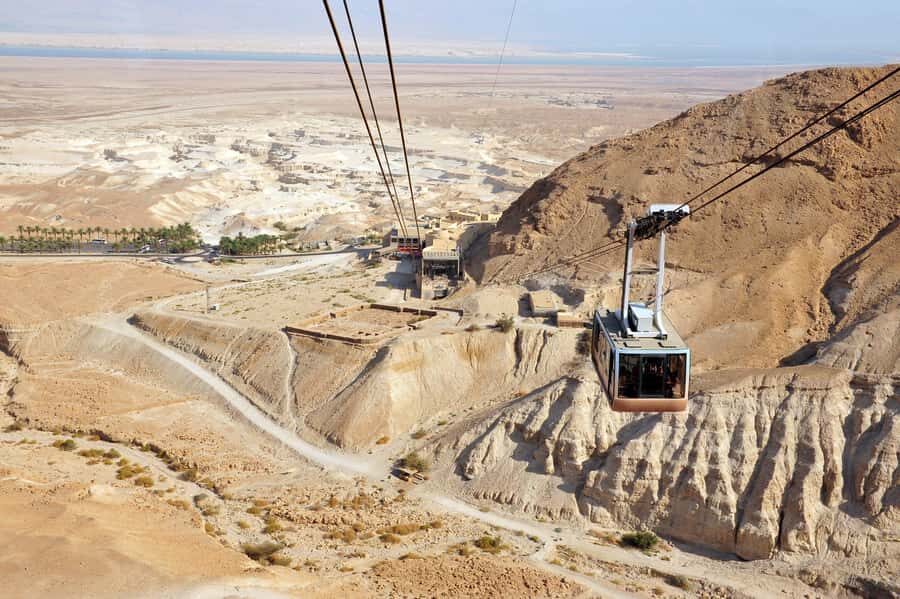
- Masada by cable car: you get summit views and then a guided walk through what’s left of Herod’s palace-fortress.
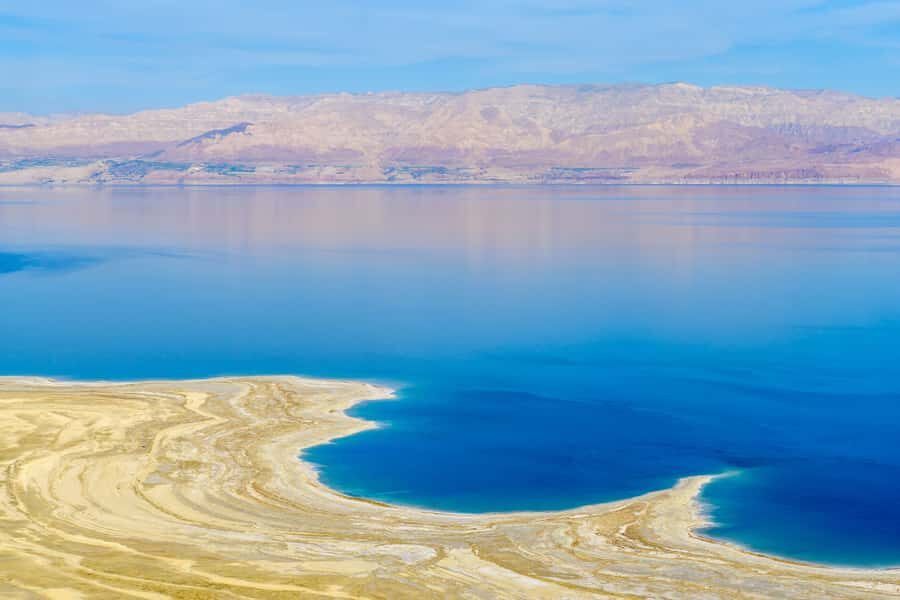
- Clear Dead Sea time: about 1.5 hours at Ein Bokek beach for mud and a float (salt water is too thick to sink).
- A practical lunch break: you’ll have time to eat, either at the foot of Masada or at the beach, but food isn’t included.
- Guide-led history that clicks: the Masada segment is where the storytelling tends to feel most solid and detailed.
- Cruise timing controls everything: after an 8:00 start, the day may be shortened to protect your ship departure.
From Ashdod Port to the Judean Mountains: what the drive sets up
Your day begins right after you step off the ship at Ashdod Port, where a Bein Harim guide meets you with a sign that says Bein Harim. From there, you’ll head south through changing terrain until you reach the Judaean Mountains area.
This isn’t just travel time. The winding road down toward the Dead Sea area gives you that mind-bending feeling of altitude shifting fast. You’ll also pause briefly for a photo when you’re now going beneath sea level, which helps make the next stops feel real, not abstract.
You can also read our reviews of more tours and experiences in Ashdod.

Masada Summit by cable car: Herod’s palace-fortress in plain sight
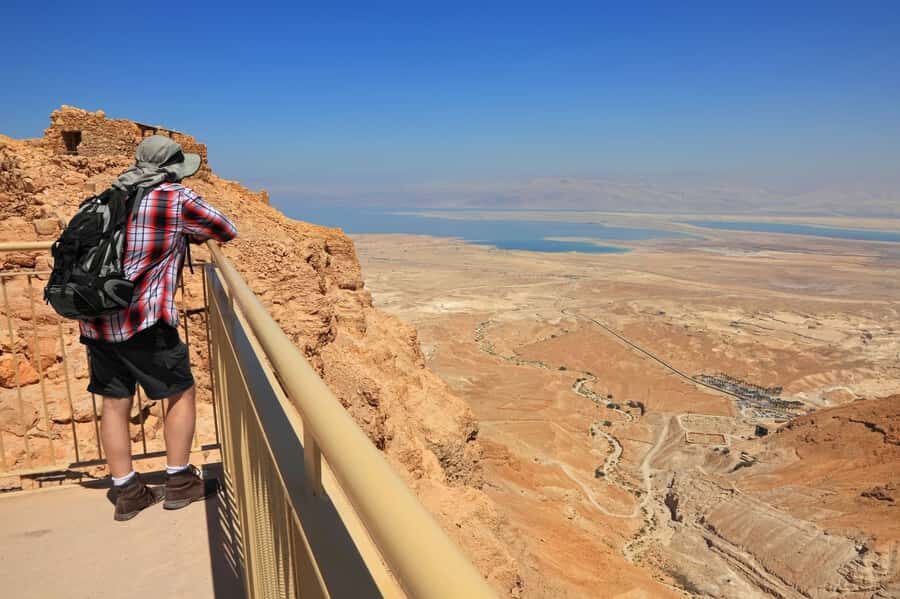
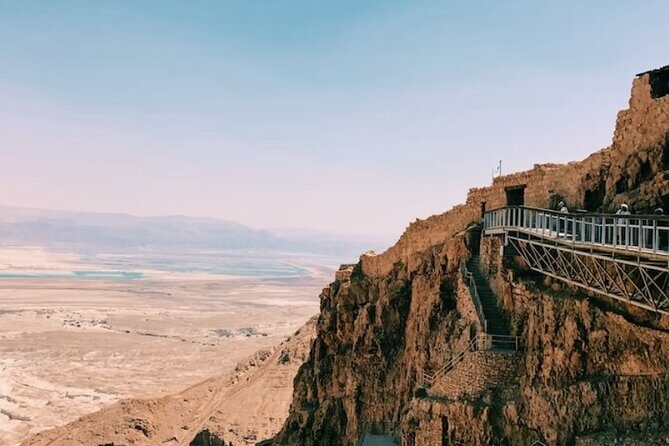
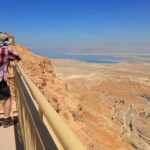
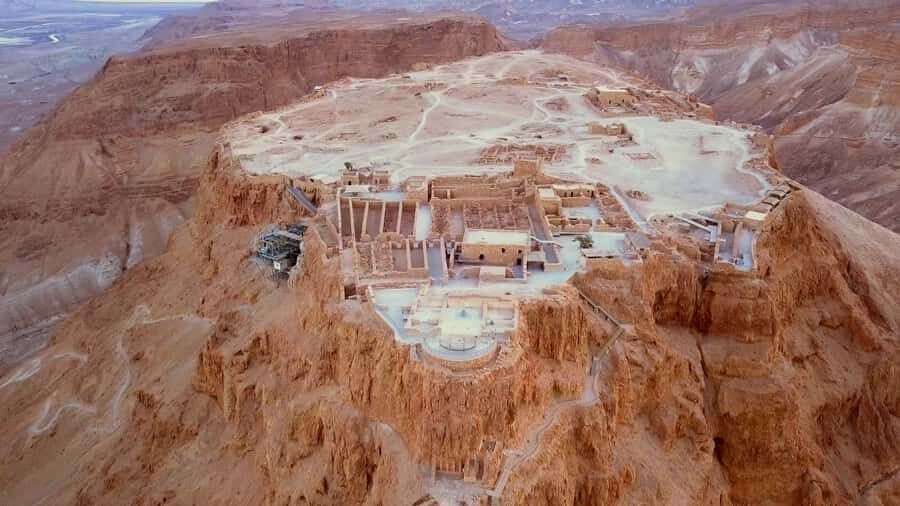
Masada is a massive rock outcrop rising 434 meters (1,424 feet). The cable car ride up matters because it gets you to the summit efficiently, and the views start the moment you’re approaching the top.
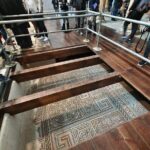
On Masada, your guide brings you through the archaeological remains connected to King Herod’s palace-fortress, built between 37 BC and 31 BC. You’ll see structures linked to daily life and defense—things like a Roman bathhouse, storerooms, guardhouse areas, and the palace complex. Mosaics and other remains help you understand it wasn’t just a lookout; it was a full fortress settlement.
What I like here is that you’re not walking through empty stones. You get the “why” behind what survived: Herod’s plan for a secure refuge, and later how Masada became a stronghold for Jewish rebels. That context changes how you read the site, especially when you look out toward the desert and the Dead Sea below.
Also note the tour timing inside Masada itself. Cable car access plus guided time means you’re seeing a lot without spending your whole day fighting stairs and heat.
Masada Museum: when you want more than the ruins
After the guided visit, you have the option to spend time at the Masada Museum located at the foot of the mount. The museum holds more than 500 artifacts discovered at Masada, and there’s an informative movie to help connect the pieces.
This is a smart add-on if you like your history with visuals. Even if you think you’ll skip it, consider it as your “slow down” moment before heading to the beach. It’s also a good buffer if the morning feels rushed for you.
The Dead Sea at Ein Bokek: float, mud, and handle the heat
Next comes Ein Bokek, the resort and hotel area on the shore of the Dead Sea. This is where you get the fun break in the middle of a packed day.
The tour stop includes about 1.5 hours at Ein Bokek beach. That window is usually long enough to do the basics: swim or float, try the mud, rinse off, and get back to feeling human. Bring your sunscreen even if you plan to “just dip in”—this sun is no joke.
What the water and mud feel like
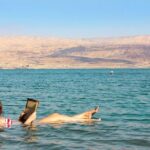
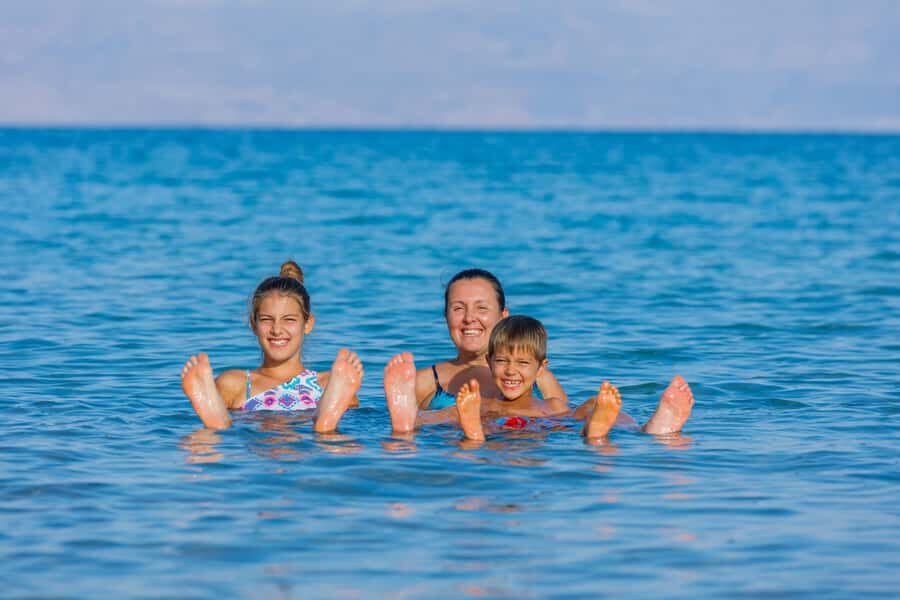
The Dead Sea is hypersaline, meaning it’s thick with salt. You can’t sink, so floating becomes the main activity, not a struggle. You can also try smothering your skin with the mineral-rich black Dead Sea mud, which is part of the classic Dead Sea ritual.
The water, mud, and even Dead Sea sun are known to be therapeutic. I treat that as “worth trying for the experience,” not as a medical promise, but it’s still a memorable, very odd sensation the first time you do it.
A few more Ashdod tours and experiences worth a look
Real-world tip: slippers and the slippery bottom
You’ll want swimwear, a towel, and comfortable footwear that works around wet ground. The seabed can be slippery, so sandals or suitable water shoes are a big help. If you’re barefoot, you’ll likely notice quickly that balance is not the priority the Dead Sea is designed for.
And yes, the heat can limit how long you’ll want to be in the water. Plan a rhythm: short float sessions, quick rest, and time to reapply sunscreen.
Lunch break logic: when you’ll eat and how to budget
You’ll have a lunch break during the day. The plan is flexible: lunch can be at a restaurant at the foot of Masada or at the beach area, depending on how the day runs.
Here’s the budgeting truth: the tour price covers transportation, entrances, and a professional guide, but food and beverages are not included. So bring cash or a card you can use easily, and don’t assume your lunch is part of the $120.
If you’re the kind of person who gets hangry quickly, treat lunch as a schedule anchor. You’re doing a lot—ruins in the heat, then beach time—so fueling matters more than you’d think.
What the $120 includes (and what it doesn’t)
At $120 per person for a 9-hour day, this tour is basically paying for three things: ease, interpretation, and entry access.
Included:
- Round-trip transportation from Ashdod cruise port
- Entrance fees
- Professional guide
- Skip the ticket line
Not included:
- Food and beverages
So the value isn’t just the site list. It’s the fact that you don’t have to figure out logistics while your cruise schedule is ticking. For cruise passengers, that convenience alone can be worth a lot.
And the “skip the ticket line” detail is more useful than it sounds. Masada and related entry points can get busy, and shaving off waiting time helps you protect the hours you’ve got for the cable car and Dead Sea beach window.
Timing with your cruise: the 8:00 start is not a suggestion
This tour is designed for an Ashdod cruise day with an 08:00 pickup and a 17:00 drop-off. That gives you a structured day: morning history, midday beach time, and then a drive back before departure.
The important practical point: because they’re obligated to return you to your ship, day tours starting after 8:00 can be shortened. That means some planned stops may not be included if your departure window forces the schedule to compress.
So when you book, you’ll want to provide your ship name and your scheduled docking time. It’s not busywork; it’s how the operator keeps your day lined up with reality.
Guide energy: where the talking tends to be strongest
This tour is guide-led throughout, and the guide’s role is especially noticeable on the Masada portion. The history piece is built to connect places to events—Herod’s fortress vision, later the rebel holdout story, and what Roman-era remains suggest about life there.
On the drive back, you may find the pace more quiet. That’s not a problem so much as it’s normal after a full day of site visits. If you want more conversation, your best chance is during the Masada segment and the road out.
What to pack so the day feels good, not just possible
You’ll be outdoors, walking on uneven ground, then in and around water. Bring:
- Passport
- Comfortable shoes
- Sunglasses
- Hat
- Swimwear
- Towel
- Sunscreen
- Water
And pack a small plan for the water portion. Get a towel that’s actually absorbent, bring footwear for slippery areas, and keep sunscreen handy for reapplication after you get out.
If you’re tempted to wear your best sandals, don’t. This is a salty, muddy day, and you’ll be glad you brought something you don’t mind getting rough.
Who should book this day trip (and who shouldn’t)
This tour is a great fit if you want a “big sites in one day” experience that still includes a professional guide and time to actually enjoy the Dead Sea, not just pose and leave.
It’s not suitable for:
- Children under 5
- People with mobility impairments
Also, Masada itself involves walking across archaeological areas at elevation. Even with a cable car, you’ll still cover ground and deal with stones, sun, and uneven surfaces.
If you know you’ll struggle with heat or walking time, consider a shorter or less movement-heavy option.
Should you book the Ashdod Masada and Dead Sea trip?
Book it if you’re doing Israel on a cruise schedule and you want maximum impact with minimal hassle. The cable-car access to Masada plus a guided, interpretation-rich visit is a strong pairing with the one-of-a-kind Dead Sea float and mud experience at Ein Bokek.
Skip it or think twice if:
- Your port call timing is uncertain and you’re worried about last-minute schedule changes.
- You need long, slow breaks or have mobility concerns.
- You’re not comfortable with strong sun and the idea that the Dead Sea swim time may feel limited by heat.
If you do book, set yourself up for success: pack sandals or water shoes, bring extra sunscreen, and treat the beach window as your moment to go all in.
FAQ
How long is the Masada and Dead Sea guided day trip from Ashdod port?
The tour runs for 9 hours.
What is the typical pickup and drop-off time?
The itinerary is planned for an 08:00 pickup and a 17:00 drop-off, with the timing tied to your cruise departure.
What stops are included during the day?
You’ll visit Masada, then the Ein Bokek area at the Dead Sea for beach time.
Is food included in the price?
No. Food and beverages are not included, though there is a lunch break during the tour.
Do I need to pay entrance fees?
Entrance fees are included in the tour price.
What language is the live guide?
The live tour guide is available in English and Spanish.
What should I bring for the day?
Bring your passport, comfortable shoes, sunglasses, a hat, swimwear, a towel, sunscreen, and water.
Is the tour suitable for young children or limited mobility?
It is not suitable for children under 5, and it is not advisable for people with limited mobility.