REVIEW · JERUSALEM
From Jerusalem: Caesarea, Haifa, Acre & Rosh Hanikra Tour
Book on GetYourGuide →Operated by Click Tours . · Bookable on GetYourGuide
Four coast stops in one packed day. You’ll roll from Jerusalem to Caesarea, then up to Haifa, down to Rosh HaNikra, and back via Acre, guided start to finish with enough context to make each place click.
I love the chance to see a Roman amphitheater that’s still used for performances today, not just a dead ruin behind a fence. I also love the cable-car ride at Rosh HaNikra, where the caves are carved by the constant push of waves against limestone.
The main drawback is the pace: it’s a long day with a lot of driving. If you’re hoping for slow travel and lots of free wandering, you’ll feel the schedule.
In This Review
- Key things to know before you go
- One-day coast logistics: how the early pickup and route set the tone
- Caesarea’s Roman port world: amphitheater, Hippodrome, and Herod’s grand plan
- Haifa’s Baha’i Shrine and Gardens: 19 terraces on Mount Carmel
- Rosh HaNikra sea caves by cable car: limestone grottoes carved by waves
- Acre (Akko) UNESCO old city walls: markets, Crusader remains, and later layers
- Price and value: what you’re really paying for on a 1-day tour
- Who this tour suits best
- Should you book this Jerusalem-to-Caesarea-Haifa-Acre-Rosh HaNikra day trip?
- FAQ
- How long is the tour?
- What time is pickup from Jerusalem?
- Does the tour include entrance fees?
- Is there a cable car on this tour?
- What’s not included in the price?
- What should I bring?
- Are there any VAT exemptions I should know about?
Key things to know before you go
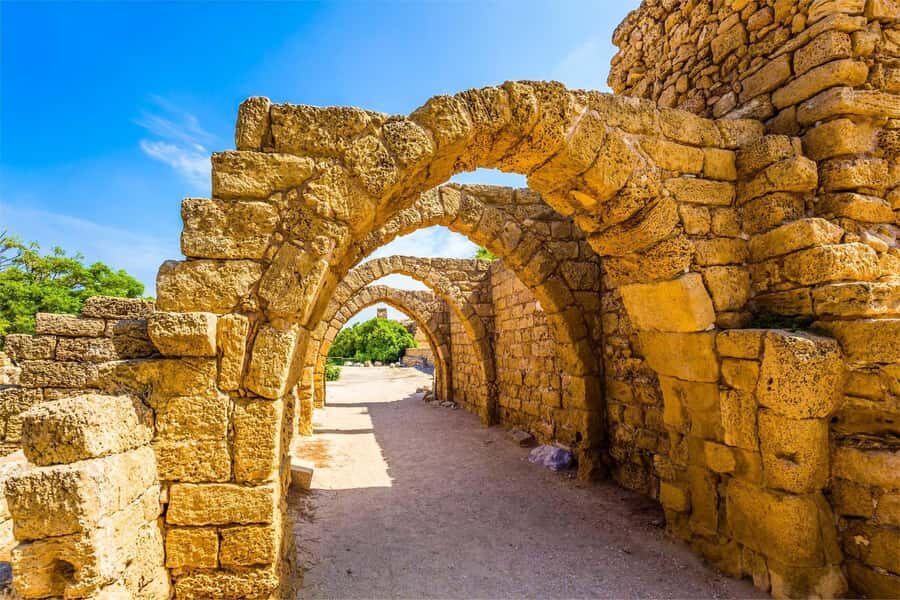
- Caesarea’s amphitheater still hosts performances, with nearby remains like the Hippodrome and Roman Temple
- Haifa’s Baha’i Gardens stretch across 19 terraces down Mount Carmel toward the city
- Rosh HaNikra sea caves by cable car take you into limestone grottoes formed by wave impact
- Acre (Akko) feels lived-in, with markets and people using parts of the ancient city
- UNESCO World Heritage stops in both Haifa and Acre keep the day grounded in major sites, not just scenic stops
- A guide ties eras together, from Roman and Crusader periods to Ottoman and British-era remnants in Acre
One-day coast logistics: how the early pickup and route set the tone

This tour is built for an intense, high-efficiency day. Pickup is from Jerusalem main hotels at 5:40 AM, and you’ll travel by air-conditioned coach along the Mediterranean corridor. On the way, you pass Herzliya and Natanya, so you’re not staring at the same kind of scenery the whole time—you get a gradual shift from inland to coastline.
This is also where the rhythm matters. You’ll start early enough that you can still feel like you had a full day at each stop, but you won’t have the luxury of getting lost for hours. If you prefer slow browsing and long café sits, you may want to save that style for a separate trip. But if you like structure—turn up, see the key sites, get the explanations, move on—you’ll be happy.
Comfort is practical here. Wear comfortable shoes, because multiple stops involve walking on uneven ground and archaeological surfaces, and later you’ll be on your feet around the old-city streets.
You can also read our reviews of more tours and experiences in Jerusalem.
Caesarea’s Roman port world: amphitheater, Hippodrome, and Herod’s grand plan
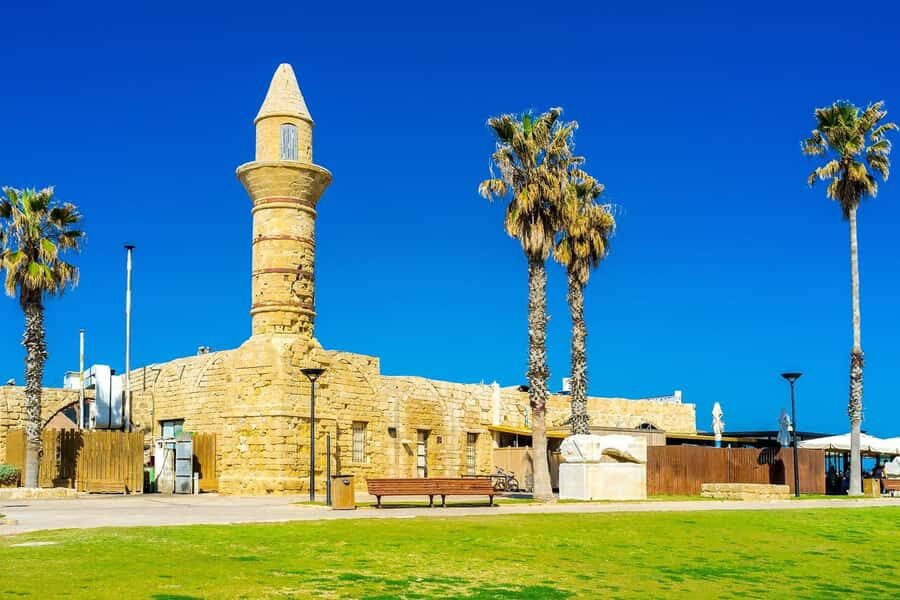
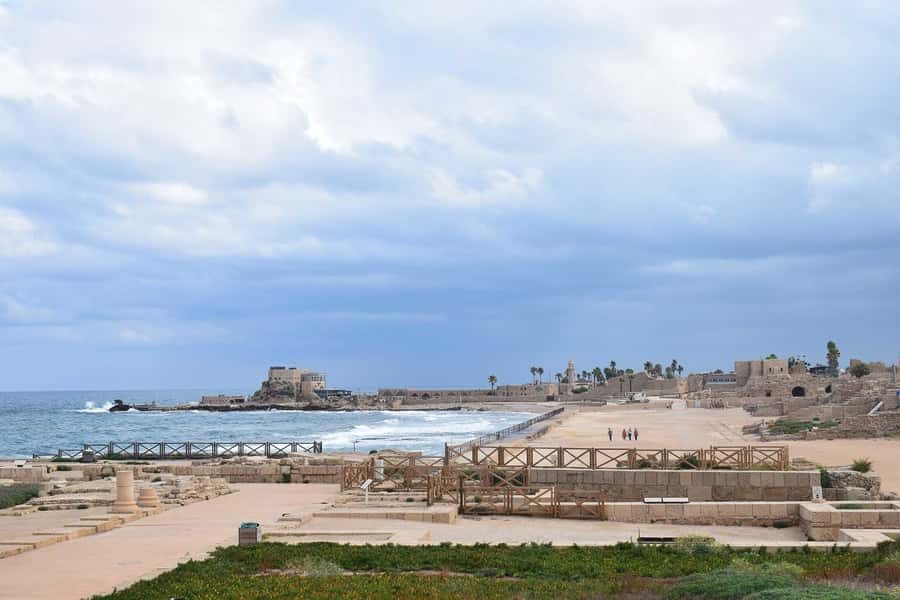
Caesarea is one of those places that answers the big question quickly: where did all this power and trade actually happen? You’ll learn it was constructed under Herod, named after Caesar, and built as a major Roman-era port city. The excavations aren’t abstract. You’ll see gateways, a moat, and well-preserved walls and rooms, so the layout feels tangible instead of just “some stones.”
Then comes the standout visual: the Roman amphitheater, described as perfectly preserved and still used today for performances by Israeli and international artists. That matters more than you might expect. When a space is still in use, it keeps its shape, scale, and acoustics in a way that a fully silent ruin can’t. Even if you’re not catching a show, you get the feeling of an active cultural venue rather than a museum artifact.
Nearby you’ll find the remains of the Hippodrome and a Roman Temple. The guide explains how both buildings sat above the port, overlooking the busy maritime world below. It’s a smart way to look at Caesarea: as a city designed to control the view and manage the movement of people and goods.
You’ll also hear the trade story behind the setting. Ships carrying treasures from the east came through here, and Nabatean caravans traveled toward Rome. It’s the kind of context that helps you understand why Caesarea rose so fast and why it mattered to empires.
And then you’ll get the darker arc, too. After the Crusade, the city that once felt prosperous sank into oblivion. That sequence—rise, dominance, then fading—gives you a better read on why so much is preserved as ruins today. It’s not random decay. It’s a long historical swing.
Practical tip: take a moment to scan from viewpoints around the amphitheater area. Even when you’re far from the ancient shoreline in modern terms, it helps you connect the buildings to the port life the city was built around.
Haifa’s Baha’i Shrine and Gardens: 19 terraces on Mount Carmel
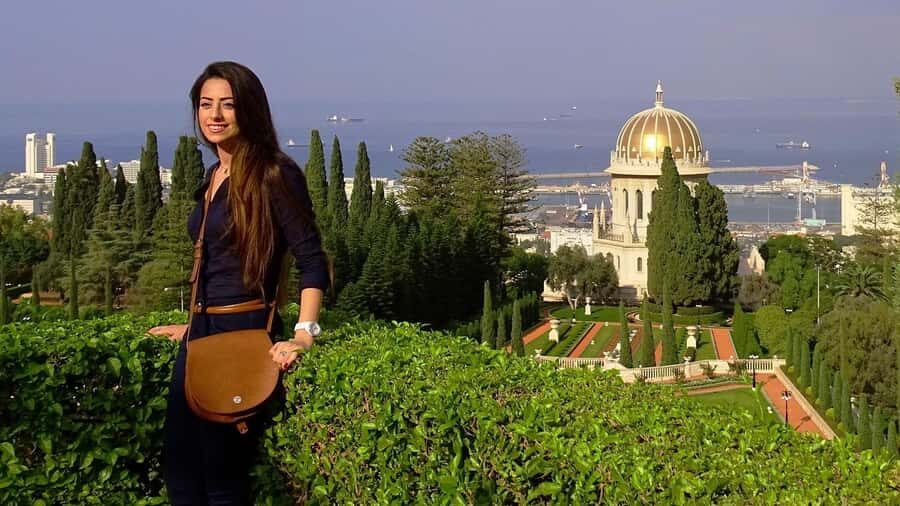
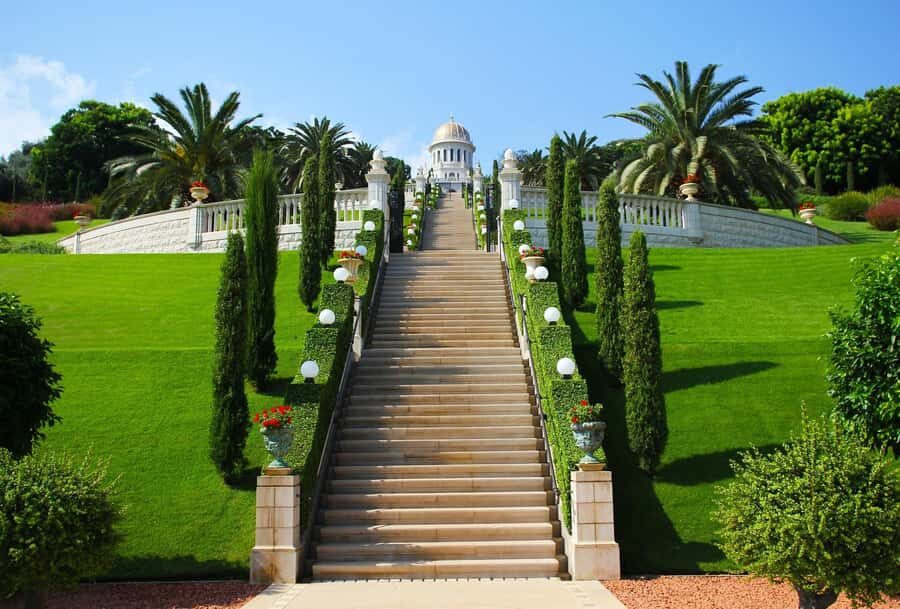
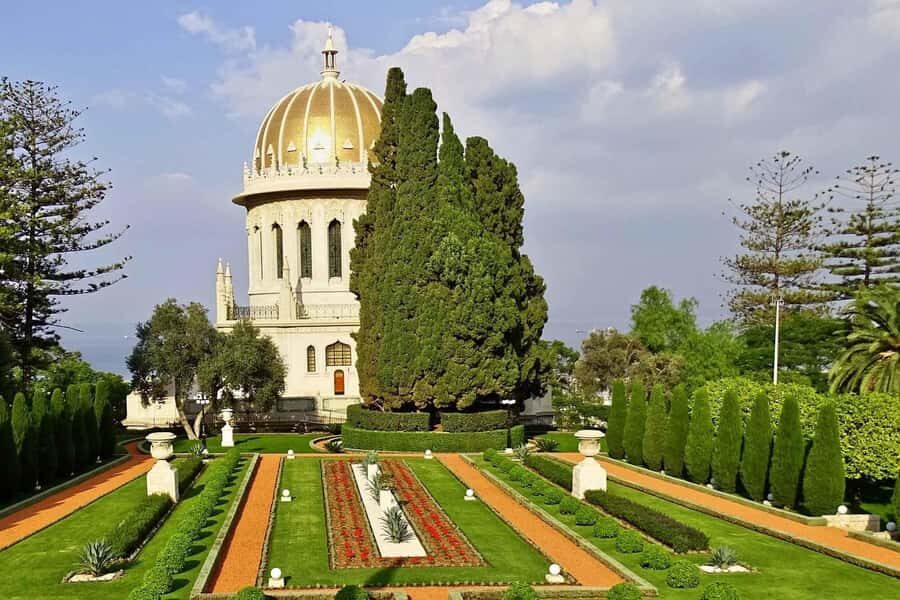
Once you head north and reach Haifa, you’ll stop at the Baha’i Shrine and gardens on Mount Carmel. The gardens are the star of the show: terraced and sweeping, cascading down the mountain toward the city below. You’ll see 19 terraces, with colorful plantings and landscaped designs that follow the slope rather than fighting it.
I like how the design forces you to slow down. You can’t really experience the gardens as one single photo. The terraces pull your eyes downward step-by-step, like you’re being guided through levels. That’s also why this stop is worth doing with a guide: they’ll help you understand what you’re seeing beyond simply admiring it.
Because it’s a major UNESCO World Heritage site, the gardens get presented with care, and the setting feels more intentional than a standard viewpoint. It’s not just scenic. It’s a planned landscape with meaning tied to the shrine.
If you want the best photos, position yourself to catch the terraces stretching down toward the city, not only up toward the shrine. And don’t rush the lower sections—you’ll often find a better sense of scale after you’ve moved a bit farther down.
Rosh HaNikra sea caves by cable car: limestone grottoes carved by waves

Next up is Rosh HaNikra, described as Israel’s most northerly point along the Mediterranean coast. Even before you reach the caves, you’ll feel you’ve shifted into a different mood: the day becomes more coastal, more dramatic, more about nature carving stone over time.
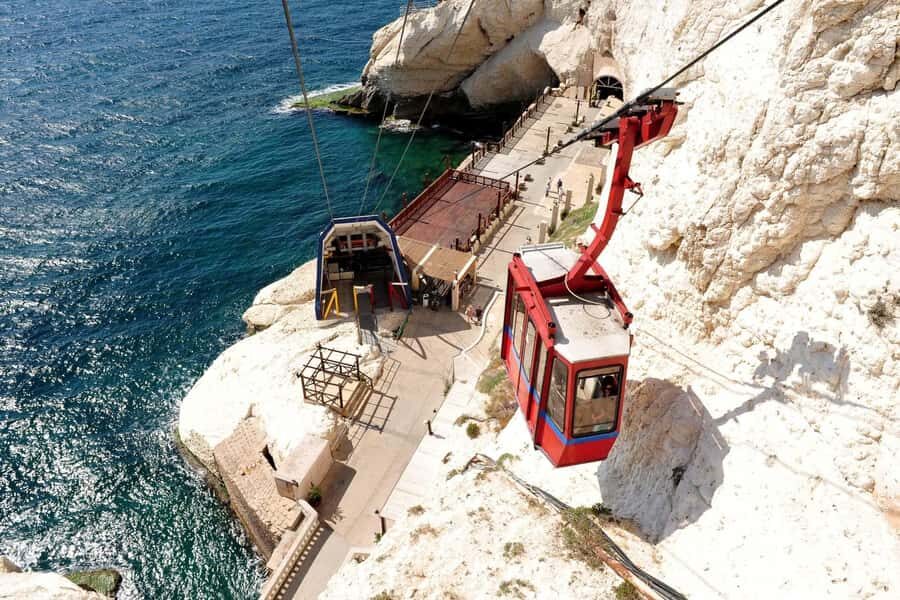
The tour takes you down by cable car into a network of limestone grottoes created by constant wave bombardment. That phrase matters because it explains the look and texture of what you’ll see: water and pressure, not just erosion from years of rain. It’s a practical way to think about the formation process, and it makes the caves feel scientific instead of purely mysterious.
The cable car ride is also a good reset point. You’re coming from terraces and city streets, then you get a focused, scenic transition to the sea. If you’re traveling with someone who needs visual variety—not only monuments—this is one of the easiest parts of the day to sell.
What to expect once inside is a guided exploration of the grotto landscape. It’s not a long hike day, but you will be moving around. The tour keeps it structured, so follow your guide’s timing and remember that this is a natural site that’s still being shaped by the sea.
Acre (Akko) UNESCO old city walls: markets, Crusader remains, and later layers
On the return south, you’ll stop in Acre (Akko), described as the largest Crusader city in Israel. If you’re interested in how one era overlaps another, Acre is where the tour really earns its time.
First, you’ll get the big visual: Acre’s architecture is extremely well preserved. It’s not only about what survived, but about how much of the city still shows the shape of its past. You’ll also learn that the city isn’t frozen behind rope lines. Part of it is alive with markets and people still living in ancient buildings. That combination—history plus daily life—is one of the most rewarding ways to visit an old city because you’re seeing it as a place, not only as a set.
Then there are the defensive works. You’ll see walls and a moat that were reconstructed and repaired by El Jazzar at the end of the 1900s (as the tour describes it). You’ll hear a story about how these mighty walls prevented even Napoleon from conquering the city. Whether you know Napoleon’s campaigns in detail or not, the point lands: these fortifications mattered.
Acre also keeps stacking historical layers. You’ll visit Crusader remains, a prison used under Turkish rule, and gallows used under the British Mandate to hang Jews who broke British law limiting Jewish immigration to Palestine after World War II. That last part is heavy, and it’s meant to be. Acre here isn’t just medieval tourism; it’s a reminder that the modern political struggle left physical traces as well.
This is the stop where I’d be most alert to your energy level. It’s a lot to absorb, and the emotional weight rises compared with the more scenic segments of the day. Still, the guide’s job is to help you understand what each layer represents, so you don’t just pass by plaques—you connect them to the broader story.
Practical tip: if you’re sensitive to crowds or crowds plus narrow lanes, it can help to keep your expectations realistic. This is an active city with markets, so it won’t feel like a quiet ruin site.

Price and value: what you’re really paying for on a 1-day tour

A few notes on value, because one review flagged the price as extremely high, and that’s a fair concern. With any one-day itinerary that hits multiple regions, you’re buying time management. You’re also buying guide interpretation and paying for entry where needed.
Here’s what this tour includes that helps justify the cost for many people:
- Hotel pickup and drop-off in Jerusalem
- Air-conditioned coach transport
- All entrance fees
- Professional English-speaking guide
That last item—guide time—is often the difference between a checklist visit and a meaningful one. Caesarea, Haifa, Rosh HaNikra, and Acre each carry context, and without it, you’d spend part of your day sorting out what you’re looking at. With a guide, you get the key explanations while you’re already standing there.
What’s not included is simple: food and drinks (plus insurance, which is typical for many tours). So the true cost for you depends on how you plan your meals. If you’re the kind of traveler who likes buying lunch in between stops, budget extra. If you’re comfortable with a packed day and quick bites, you’ll manage it easier.
One more reality check: this is not a slow itinerary. If your travel style is about lingering, you may feel the schedule squeezing your enjoyment. But if your style is “see the major sites with context in one day,” the structure becomes part of the value.
Also, the reviews mention having a friendly, capable guide. One specific name that comes up is Omri, praised for making the day informative. You can’t count on a specific guide, but it’s a sign the guiding quality is a real part of why this tour works.
Who this tour suits best
This one-day route is best for you if:
- You want major Roman, Crusader, and Ottoman-era sites plus natural scenery, without planning multiple separate trips
- You like learning how places connect—ports to empires, gardens to worldview, forts to later politics
- You’re okay with an early start and a full day of driving
It may not be ideal if you:
- Want unstructured time for shopping, long museum pacing, or repeated return visits
- Don’t like heavy historical topics (Acre includes British Mandate-era executions)
- Prefer destinations without tight schedules
Bring comfortable shoes, stay hydrated, and try not to pack your day with too many extra plans after the tour. You’ll earn a proper evening rest.
Should you book this Jerusalem-to-Caesarea-Haifa-Acre-Rosh HaNikra day trip?
If you’re aiming to see both big UNESCO sites and standout geography in one day, I think this tour is a strong choice. The combination of Caesarea’s live amphitheater feel, Haifa’s terraced Baha’i gardens, Rosh HaNikra’s cable-car caves, and Acre’s living old city layers gives you variety without switching tours or rental cars.
I’d say book it when you want guidance and you’re comfortable with a packed schedule. I’d hesitate only if the high price would make you resent the time limit, or if you need lots of quiet time to roam at your own pace.
If you like well-paced, expertly explained highlights across the coast, this is exactly the kind of day trip that delivers.
FAQ
How long is the tour?
It runs for 1 day.
What time is pickup from Jerusalem?
Pickup is included from Jerusalem main hotels at 5:40 AM.
Does the tour include entrance fees?
Yes. Entrance fees are included.
Is there a cable car on this tour?
Yes. You’ll ride a cable car down to the caves at Rosh HaNikra.
What’s not included in the price?
Food and drinks are not included, and insurance is not included.
What should I bring?
You should bring comfortable shoes.
Are there any VAT exemptions I should know about?
Holders of diplomatic or foreign passports and those with a valid 3-month entry permit are exempt from VAT payment per Israeli law. You’ll need to provide valid passport details.
If you’d like, tell me your travel month and whether you prefer museums or more scenic walking, and I’ll suggest how to pace your day around the four main stops.