REVIEW · JERUSALEM
Day Tour of Jerusalem and Bethlehem from Jerusalem
Book on Viator →Operated by Click Tours · Bookable on Viator
Jerusalem hits you fast. This day tour strings together the big sights in Jerusalem and Bethlehem with a guide and coach transport, so you spend less time figuring out logistics and more time seeing what matters.
I especially like the way the route is built around the Old City’s layers, from the Zion Gate walk through the Jewish and Christian quarters to the key religious stops. I also like the Bethlehem shift, where you get a focused visit to the Church of the Nativity plus a quieter moment nearby at St. Catherine of Alexandria, if conditions allow.
One thing to plan for: the day is long, and Bethlehem entry can be slow. You’ll need passports, and access to the Nativity cave can be limited when visitor numbers are high.
In This Review
- Key Points You’ll Care About
- Mt. Scopus Viewpoints Set the Tone for Jerusalem
- Entering Jerusalem Through Zion Gate and the Old City Walk
- Jewish Quarter Stops: The Cardo and the 1,500-Year Street Feeling
- Christian Quarter Time: Where the Quarter Changes the Mood
- The Western Wall Pause: Kotel, Prayer Notes, and Timing
- Via Dolorosa and the Way of the Cross Corridor
- Church of the Holy Sepulchre: Crucifixion and Burial Tomb Sites
- Passing the Muslim Quarter and the Bazaar Streets
- Coach to Bethlehem: A City Shift From Jerusalem
- Church of the Nativity: Manger Square to the Grotto
- Church of St. Catherine of Alexandria and the Small Cave Connection
- Price and Logistics: Is $80 Good Value for This Route?
- The Guide Makes the Difference: Ammy’s Punctuality and Fun Factor
- Who Should Book This Jerusalem and Bethlehem Day Tour
- Should You Book This Tour? A Practical Call
- FAQ
- How long is the Day Tour of Jerusalem and Bethlehem?
- Does the tour include hotel pickup in Jerusalem?
- What does the tour cost?
- Are entrance fees included?
- Do I need a passport for this tour?
- Will food and drinks be provided?
- Can access to the Nativity cave be limited?
Key Points You’ll Care About
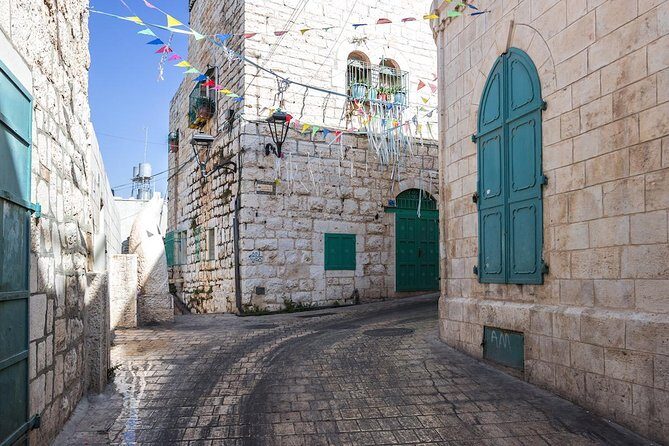
- Hotel pickup and air-conditioned coach keep the day moving without constant rerouting
- Old City walking route follows major quarters, so you get context instead of random sightseeing
- Western Wall to Via Dolorosa to Holy Sepulchre puts the most famous religious corridor in a single flow
- Church of the Nativity visit is built around the grotto area and Manger Square access
- Small-group feel (max 40) helps you stay together during busy streets
- Passports required and vehicle changes possible if entry rules demand it
Mt. Scopus Viewpoints Set the Tone for Jerusalem
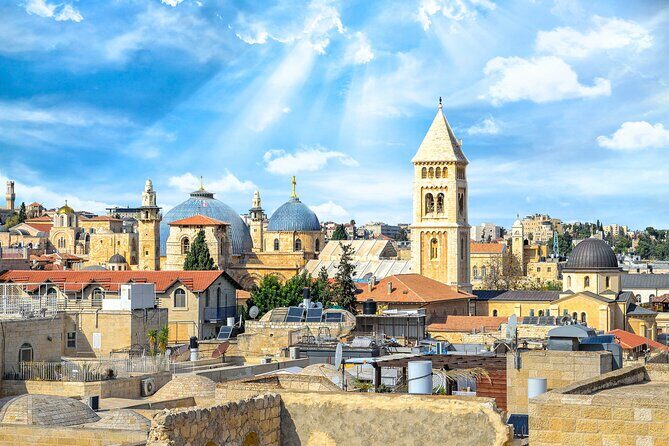
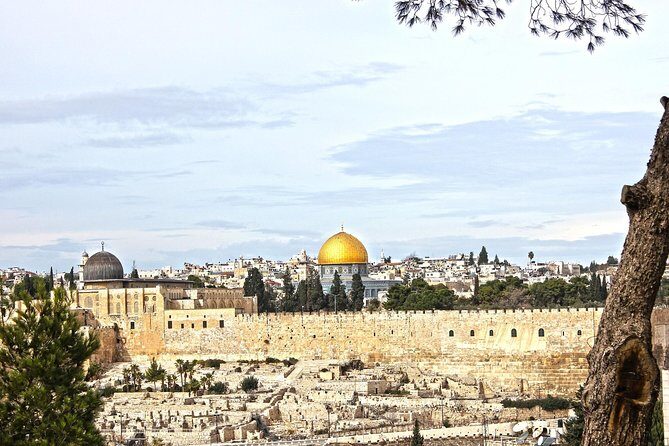
The day starts with a scenic introduction from the Mount Scopus area. You begin at Mount Scopus National Botanical Garden, where you get panoramic views over Jerusalem’s skyline. It’s a smart opener because it helps you picture what you’ll later walk through—mountains, walls, and the city’s layout all snap into place.
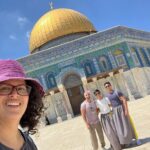
Then you get a classic photo-op: the Dome of the Rock from up above. From the same viewpoint, you’ll also see a reference point tied to the long Jewish presence in Jerusalem, including mention of a 3,000-year-old Jewish cemetery. Even if you’re not a history buff, these early overlooks make the rest of the day feel more connected.
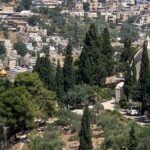
After that, the tour transitions into the approach toward the Old City. You pass by the Garden of Gethsemane, the Church of All Nations, and the Kidron Valley. This “pass-by” style matters: you get the main landmarks referenced by name, without burning time doing stop-and-start photo chaos before the walking begins.
You can also read our reviews of more tours and experiences in Jerusalem.



Entering Jerusalem Through Zion Gate and the Old City Walk
Next comes the Old City. You enter via Zion Gate, and the walking portion is built to cover the major zones in a way that feels logical, not scattered. You’ll have about two hours here, which is enough time to see the big stops and still have breathing room in busy streets.
A good part of why this works: you’re moving through multiple cultural and religious areas. You pass through the Armenian Quarter, then continue toward the central spine of the Jewish Quarter. This is the part of Jerusalem where you stop thinking of it as a single monument and start seeing it as a living patchwork of communities.
The tour also includes the Cardo, a historic street area described here as the 1,500-year-old Byzantine Cardo. This gives you a physical sense of how people moved and traded long before modern road networks existed. Even if the architecture changes block to block, that “main thoroughfare” idea helps you connect your surroundings.
Jewish Quarter Stops: The Cardo and the 1,500-Year Street Feeling
The Cardo stop is short—about 30 minutes—but it’s placed at a good moment in the day. You’re already oriented from the Zion Gate entry, so the street isn’t just a quick glance. It’s more like a “set a mental landmark here” moment.
You also visit the Jewish Quarter area as part of this stop. That matters because it prevents the Old City from feeling like a one-note sightseeing checklist. Instead, you get at least a small taste of how different quarters feel and how the streets shape what you notice.
A practical note: this is a walking city. Expect uneven ground and crowds, especially around major entrances and corridors. Wear shoes you can move in for several hours, even though the coach ride takes the edge off the start.
Christian Quarter Time: Where the Quarter Changes the Mood
After the Cardo, the tour shifts into the Christian Quarter for another 30 minutes. This is the right length to get a sense of place without it turning into rushed photo stops.
Because you’re traveling with a guide, you’re not just seeing churches and streets—you’re getting the “why” behind the layout. That helps a lot in Jerusalem, where religious sites are layered on top of older layers, and the labels and names don’t always feel intuitive at street level.
This is also where the day’s pace starts to tighten a bit. You’ll be moving toward the Western Wall and then the Via Dolorosa corridor, so use this quarter break to regroup. If you want to stop for quick water, now is usually the easiest moment.
The Western Wall Pause: Kotel, Prayer Notes, and Timing
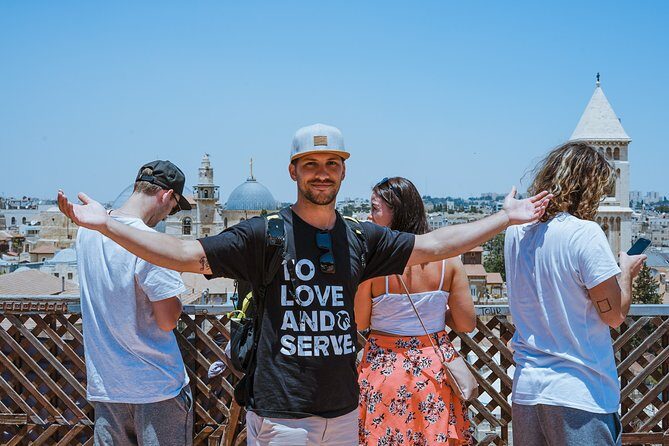
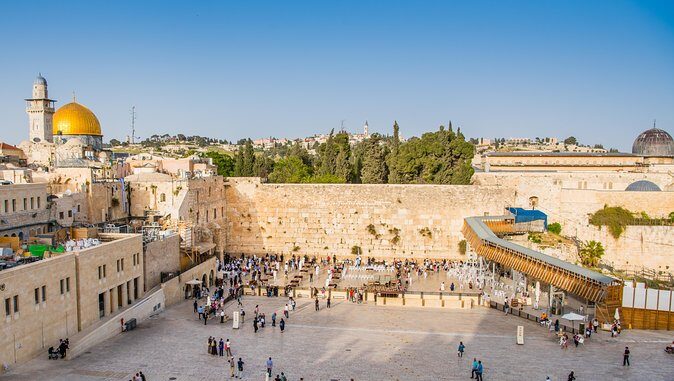
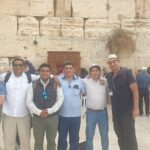
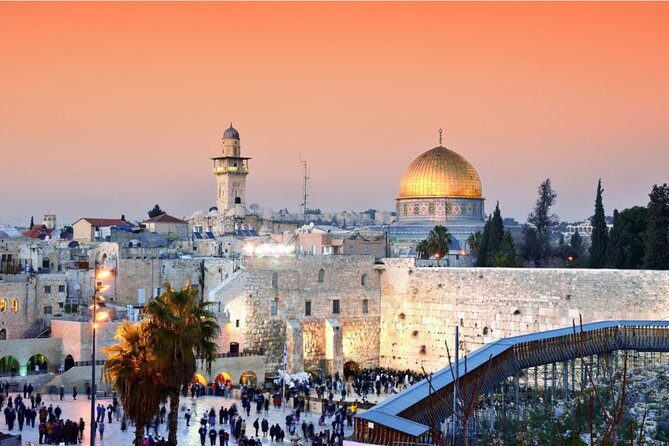
One of the day’s most recognizable stops is the Western Wall, also called the Kotel. The tour includes about 20 minutes here, which is enough time to take in the scale and also do the classic ritual of placing a prayer note between the stones.
The guide context here is specific: the Western Wall is described as a supporting wall built by King Herod to enclose the Temple Mount area, and it’s noted as a place where Jews have prayed since the destruction of the Temple in 70 CE. Even if you’ve read about it before, standing there for a short stretch with a guide helps the story land in a grounded way.
The only drawback is the short time window. This stop is popular, and the wall area can feel tight. If you’re sensitive to crowds or want more time for quiet reflection, treat this as a meaningful introduction rather than a long, slow visit.


Via Dolorosa and the Way of the Cross Corridor
From the Western Wall, the tour heads to the Way of the Cross (Via Dolorosa) area. You’ll get about 30 minutes around this corridor.
This stop is valuable because it follows the emotional geography people associate with the story. Even if your personal focus is historical rather than religious, the guided pacing helps you understand why certain spots became markers in the first place.
Expect the usual Jerusalem reality: dense movement, lots of signage, and people stopping frequently. The coach and guide plan help, but you’ll still feel the energy of a high-traffic religious route.
Church of the Holy Sepulchre: Crucifixion and Burial Tomb Sites
Next is the Church of the Holy Sepulchre, with about 30 minutes to visit. According to the tour description, this is the site where the church was built on locations associated with Jesus’ crucifixion and burial tomb.
This is one of those stops where timing and crowding matter more than anything else. The building is famously complex, and even when you’re only there for a short period, the guide’s help can make it easier to orient yourself inside.
If you plan to get photos, do it early in your visit. Once crowds build and people reposition, you’ll lose angles fast. Also consider that you’ll be moving into interior spaces, so have a little patience with line flow.
Passing the Muslim Quarter and the Bazaar Streets

You also pass by the Muslim Quarter and a lively bazaar. This isn’t framed as a long shopping stop, but it’s still part of the Old City feel. You get to see how commercial life blends into the sacred corridors.
This matters because Jerusalem can otherwise feel like a string of “major sights” with gaps between them. Even a pass-by gives you a more complete picture of how the city actually works day to day.
Coach to Bethlehem: A City Shift From Jerusalem
After the Jerusalem portion, you travel to Bethlehem. The day’s description calls Bethlehem the city of Christ’s birth, and you’ll get about two hours there.
As you arrive, the tour frames Bethlehem as the City of Bread, with a reference to Jesse and King David’s father. That’s a nice anchor, because Bethlehem isn’t only about one single church. It’s a lived-in town with its own rhythm and identity.
One practical consideration: you’re crossing into Palestinian Authority territory, and the tour notes that a change of vehicle may be required due to regulations. That can slow the day slightly, but it’s part of how this route works. The good news is you don’t have to manage it—you’re along for a planned process.
Church of the Nativity: Manger Square to the Grotto
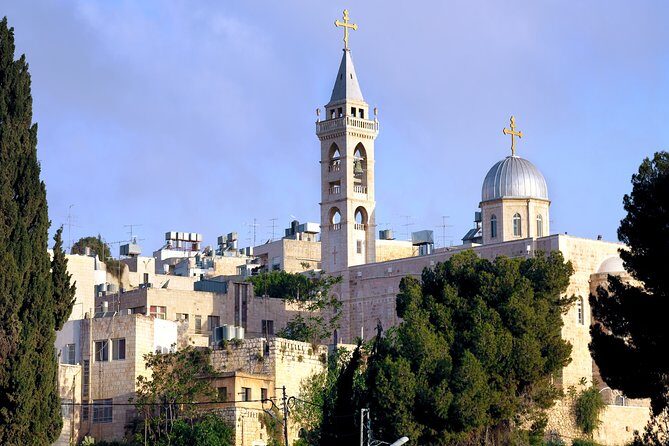
The main Bethlehem highlight is the Church of the Nativity. The tour brings you from Manger Square into the church, described here as a 4th-century church and the oldest church in Israel still in use.
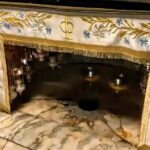
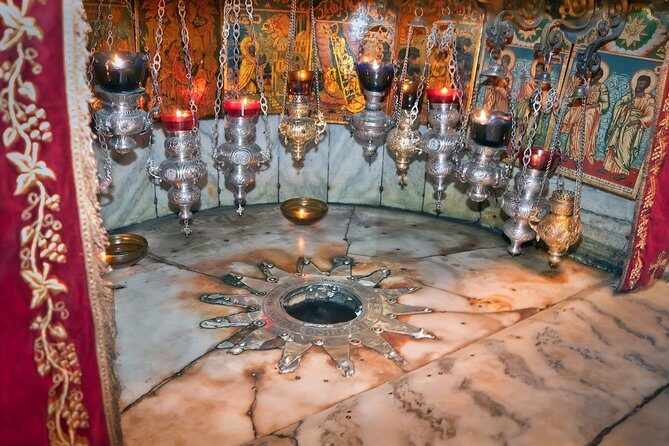
You’ll then visit the Grotto of the Nativity, where a star indicates the place associated with where Jesus was born. This is the core spiritual and historic moment of Bethlehem sightseeing, and the guide-focused approach helps you understand what you’re looking at without getting lost in the crowd flow.
You’ll have about 40 minutes, which is plenty to see the main areas, especially if the group stays organized. The only wrinkle: access to the Nativity cave can be limited because of visitor numbers. If you’re traveling at a peak time or during high-demand seasons, you may find the schedule compresses slightly. Still, you’ll be there long enough to take in the key sites that define Bethlehem for most people.
Church of St. Catherine of Alexandria and the Small Cave Connection
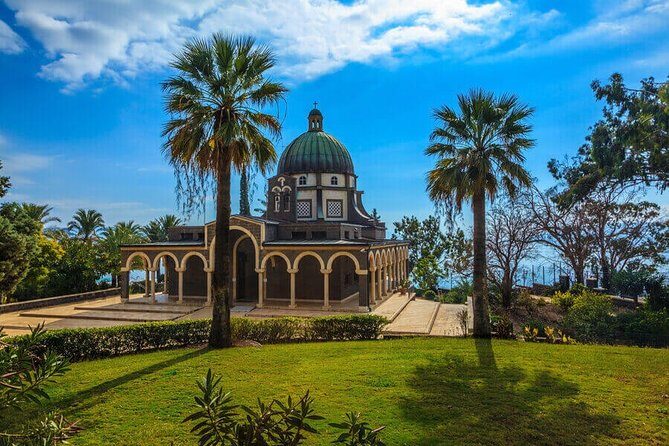
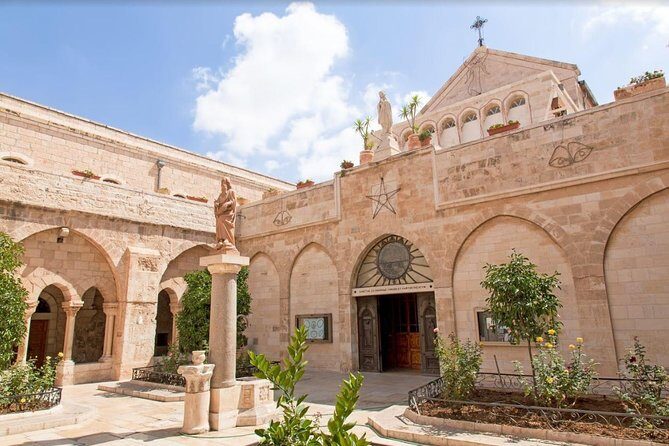
If conditions allow, you also visit the Church of St. Catherine of Alexandria. This stop includes about 20 minutes, and it’s described as a down-into-a-two-room cave experience that connects with the Grotto area.
The tour even sets up a special pause: it calls this a moment where you can sing Christmas carols. Whether you’re into that tradition or just enjoy the human side of pilgrimage sites, it’s a memorable contrast to the bigger, more crowded spaces.
Because it’s marked as conditional, don’t build your entire trip expectation on it. But if you do get there, it’s a nice reminder that these places aren’t only about big monuments. They’re also about quieter, personal moments.
Price and Logistics: Is $80 Good Value for This Route?
At about $80 for roughly 9 hours, this tour is priced like a practical sampler of the most important religious landmarks around Jerusalem and Bethlehem. What makes it feel like value is what’s included: hotel pickup in Jerusalem, a professional guide, air-conditioned vehicle, and all entrance fees.
You do still need to budget for food and drinks, and insurance is not included. That’s normal for tours like this, but it’s worth planning so hunger doesn’t take over the day. Also note passports are compulsory, and you must have a valid passport for Bethlehem entry on the travel day.
Another value booster: the group size has a maximum of 40 travelers. That’s big enough to keep costs down, but small enough that the guide can still manage the flow through crowded Old City areas.
Finally, the tour includes a mobile ticket, which is a small convenience that helps on busy mornings when everyone is juggling documents and timing.
The Guide Makes the Difference: Ammy’s Punctuality and Fun Factor
The reviews highlight something that matters a lot on this kind of day: the guide quality. One standout is Ammy, praised for making the tour both fun and knowledgeable, and for strong punctuality throughout.
In Jerusalem and Bethlehem, punctuality isn’t about being rigid. It’s about avoiding the worst crowd crush and keeping you on track for the time-limited stops—Western Wall, Via Dolorosa, and the Church of the Holy Sepulchre. If you’ve ever had a “late start” ruin a sightseeing day, you’ll appreciate this.
So if you book this, treat the guide briefing as part of the experience. Ask questions as you go. The more you engage, the more these sites feel connected instead of like separate stops.
Who Should Book This Jerusalem and Bethlehem Day Tour
This is a great fit if you want:
- A guided day with the main Jerusalem and Bethlehem sites in one plan
- A route that doesn’t leave you stuck navigating entry, timing, and crowded lanes alone
- A balanced mix of big landmarks and smaller contextual stops like the Cardo and quarter changes
It’s less ideal if:
- You need long, solitary time in each site
- You struggle with crowds or a structured schedule
- You prefer doing everything at your own pace without coach timing and group flow
Should You Book This Tour? A Practical Call
If you want the highlights of Jerusalem and Bethlehem without wrestling with travel logistics, I’d say yes—especially at this price with transport, guide, and entrance fees included. The itinerary is built to keep the day coherent, with smart stops that lead into each other rather than jumping randomly.
Just go in with realistic expectations: the day is about seeing, not lingering. Bring your passport, wear comfortable shoes, and plan for limited cave access if crowds are heavy at the Nativity complex.
If you can handle a packed day and you like having a guide connect the dots, this is a solid way to experience two holy cities in one smooth swing.
FAQ
How long is the Day Tour of Jerusalem and Bethlehem?
It runs for about 9 hours (approx.).
Does the tour include hotel pickup in Jerusalem?
Yes. Hotel pickup in Jerusalem is offered at 08:30 AM, with drop-off at the end of the tour. The start time listed is 7:50 am.
What does the tour cost?
The price is listed as $80.
Are entrance fees included?
Yes. The tour includes all entrance fees (and the site admissions listed on the schedule are shown as free).
Do I need a passport for this tour?
Yes. Passports are compulsory, and a valid passport is required on the day of travel for the Bethlehem visit.
Will food and drinks be provided?
No. Food and drinks are not included.
Can access to the Nativity cave be limited?
Yes. Due to the high number of visitors, entrance to the Nativity Cave may be limited.