REVIEW · TEL AVIV
2-Day Petra Tour from Tel Aviv
Book on Viator →Operated by Abraham Tlalim Tours LTD · Bookable on Viator
Petra is one of those places that can’t be faked. This trip strings together Roman-era stops, crusader views, and two UNESCO sites, then caps it with a Bedouin camp dinner. I especially like the air-conditioned van for the long travel days and the practical pacing. The main catch: you only get a limited block of time in Petra, so good shoes and a steady walking pace matter.
If you’re coming from Tel Aviv, the smart part is how the itinerary is designed around the border. You’ll spend real time seeing sites like Madaba’s mosaics and the hilltop Shobak Castle, not just sitting in a bus all day. One more consideration: the border process can still be slow, and Jordanian border payments are cash-only.
In This Review
- Key things I’d notice before you go
- From Tel Aviv at 6:30 a.m.: what your first day really feels like
- King Hussein Bridge border crossing: plan for time and cash
- Mount Nebo and Madaba: the warm-up stops that make the rest hit harder
- Shobak Castle and the long drive to Wadi Musa: worth it, but it’s time
- Wadi Musa and the Bedouin camp night: comfort, food, and real star-time
- Petra: how to make the most of your limited time in the stone canyon
- Jerash and Roman grit: the “other” UNESCO hit that people remember
- Eating on the move and staying powered: what’s actually included
- Getting back to Tel Aviv: second border crossing, same patience rules
- Price and value: where the $430 goes (and what costs extra)
- Practical packing and rules that can save your day
- Tour fit: who this works for (and who should rethink it)
- Should you book this 2-Day Petra Tour from Tel Aviv?
- FAQ
- What time does the tour start and where does it meet?
- How long is the tour?
- What’s included in the price?
- What border taxes are not included?
- Do I need a visa before the trip?
- Is this tour suitable for everyone in terms of walking?
Key things I’d notice before you go
- Climate-controlled transport for comfort during long drives
- Bedouin-style campsite with dinner around the campfire and included breakfast/dinner
- Petra timing is tight, so you’ll want to move efficiently
- Border taxes are not included and Jordan requires cash only
- UNESCO coverage with Petra plus Jerash on the two-day route
- Guides like Mahdi and Abdullah are frequently praised for clear explanations and extra effort
From Tel Aviv at 6:30 a.m.: what your first day really feels like
This tour starts early, with a pickup from Abraham Tel Aviv HaRakevet St (near the public transport network). A 6:30 a.m. start is not the kind of thing you do for fun, but it pays off. You’re not wasting the daylight hours waiting on paperwork or setting up logistics.
You travel in a climate-controlled van, which matters once you’re in the warmer stretches and dealing with a day that’s more driving than strolling. The group size is capped at 47 people, so it’s big enough to feel organized but not so huge that you lose track of the plan.
Also, you get a custom-made travel app on your smartphone or tablet. It’s the type of tool that can help you keep the “where are we, what’s next” part simple when the day gets busy.
A few more Tel Aviv tours and experiences worth a look
King Hussein Bridge border crossing: plan for time and cash
The border is the biggest “unknown.” Even when everything is arranged, you’re still dealing with checkpoints and the back-and-forth that comes with crossing between two countries.
Here’s what you must plan financially:
- Israeli border taxes: 196 ILS
- Jordanian border taxes: 50 JOD, payable only in cash
You can pay Israeli border taxes in ILS, Euro, or USD (credit card or cash). For the Jordan side, it’s cash-only in JOD. The tour info also notes that currency exchange is available on the Israeli side, and you’ll need to follow your own country’s entry/visa rules for Israel re-entry.
Practical tip: don’t show up with everything on card and a hope. Have the JOD cash ready. In at least one case, the Jordanian payment was handled later by a guide, so it helps if you’re ready to coordinate quickly when you’re asked.
And yes, there can be delays. The good news is that the trip is set up to keep the border crossing smooth compared with DIY travel.
Mount Nebo and Madaba: the warm-up stops that make the rest hit harder
After the border, you’ll head toward Mount Nebo, where the big draw is the view. You’re looking out over the Jordan Valley, the Dead Sea area, and distant hills connected to Jerusalem. You’re also in a site connected to the tradition that Moses saw the Promised Land from here, which gives the morning a spiritual context even if you’re not looking for a religious experience.
From there it’s on to Madaba, best known for its ancient mosaics. The standout is the Madaba Map, a mosaic depiction of the Holy Land dating back to the 6th century. This stop works because it makes you notice details later. When you reach Petra, you’ll feel more oriented about how the region’s art, faith, and power all show up in stone.
Both Mount Nebo and Madaba are short on paper, but they’re not filler. They set mood and meaning before the big-ticket sightseeing.
Shobak Castle and the long drive to Wadi Musa: worth it, but it’s time
Day 1 includes a classic “stop on the way” highlight: Shobak Castle. It’s perched up high and linked to the era of crusaders and knights. Walk the corridors, look at the fortification layout, and take in the wide valley views from the ramparts. If you like being able to imagine how people lived (and fought) in tough terrain, this one lands well.
Then you continue toward Wadi Musa, which is your Petra area base. The road is part of the experience here. You’ll pass through rugged mountain stretches, see desert camps in the distance, and get your first real hints of the rock formations that define the Petra region.
On paper, the Wadi Musa segment runs for hours, so it can feel like “more bus time.” But it’s also how you get the day to flow naturally: border, quick historical stops, then on to Petra’s doorstep.
Wadi Musa and the Bedouin camp night: comfort, food, and real star-time
Once you reach Wadi Musa, the trip shifts from sightseeing to staying out in the desert. You’ll be accommodated in a Bedouin-style campsite, and dinner is included—specifically dinner around a Bedouin campfire.
This is where the trip feels like more than just ticking sites. The camp setting matters: one review notes beautiful views of rock formations from the campground, and multiple mentions point to exceptional food and a standout camp experience.
What to pack for this night:
- warm clothes for after sunset
- a hat and sunscreen for daytime (you’ll still have sun the next day)
- a scarf or shawl (helpful both for comfort and for border sensitivity)
- comfortable shoes you can walk in early the next morning
Also, since the trip info specifically warns to bring warm clothing, don’t treat the desert night like a mild evening. Bring layers.
Petra: how to make the most of your limited time in the stone canyon
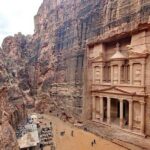
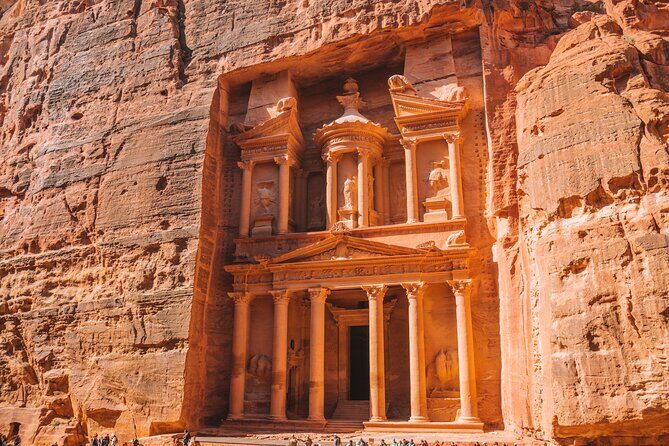
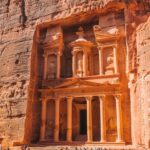
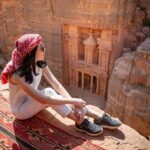
Petra is the headline, and the experience is built around movement. You’ll enter through the Siq, the narrow canyon that funnels you toward the iconic Treasury area. From there, you’ll cover major Petra highlights, including the Royal Tombs, the Monastery, and the Great Temple.
The trip is structured so you can also reach the High Place of Sacrifice viewpoint. That last climb is one of those “it feels hard, then you’re glad you did it” moments, because the views reward the effort.
Two important realities:
- You only have a limited window in Petra (one review described about six hours). That’s enough to see the big sights, but not enough for wandering and re-wandering.
- Petra involves walking on uneven ground. The tour asks for moderate physical fitness, so pick shoes that won’t punish you.
Your best strategy is to pace yourself. Don’t burn all your energy early sprinting for photos. Save some in case you want to slow down for carvings or details along the way.
And yes: entrance fees are included, so you’re not juggling tickets while you’re standing in line.
Jerash and Roman grit: the “other” UNESCO hit that people remember
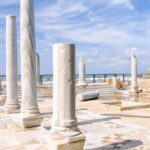
This itinerary includes Jerash, and it’s a key reason the trip feels like more than a single-site day. Jerash delivers the kind of Roman urban scale that surprises you the first time you see it: long streets, monumental spaces, and ruins that feel like whole sections were built to impress.
The practical value here is time balance. Instead of doing nonstop Petra only, you get variety: Roman ruins plus Nabatean rock carving, in two days. That mix makes the trip feel “worth it” even for people who worry that Petra alone might be too intense.
If you’re the type who likes context—how different empires shaped the same region—Jerash is a strong counterweight to Petra’s unique style.
Eating on the move and staying powered: what’s actually included
Meals are included across the tour:
- breakfast
- lunch (listed as 2 lunches)
- dinner
Entrance fees are also included, plus accommodation in the Bedouin camp. You’re essentially paying for the structure: guided visits, the planned stops, and the big-ticket logistics like transport and site entries.
That matters because Petra and the border stops can create hidden costs if you travel independently. Here, the “messy parts” are organized for you. The remaining costs are the border taxes and what you choose to buy on top.
Bring water. The packing list specifically asks for drinking water, and you’ll be glad you did—especially when you’re walking Petra.
Getting back to Tel Aviv: second border crossing, same patience rules
On Day 2 you’ll drive back toward Tel Aviv and do the King Hussein Bridge border crossing again. The tour’s timing lists about two hours for that passage, but your real experience will depend on how quickly checkpoints process people.
Once you’re back in Israel, the day ends with a return to the meeting point in Tel Aviv.
This return day can feel compressed because you’ll come from Petra’s walking. Plan a slower mindset. If you’re the kind of person who wants a sit-down meal immediately after, you’ll probably appreciate that cushion.
Also, double-check your re-entry visa rules for Israel based on your nationality and whether you have multiple-entry status. The tour info specifically notes that some nationalities get visas at the border, but you still need to be eligible to re-enter.
Price and value: where the $430 goes (and what costs extra)
At $430 per person, the price isn’t just paying for bus rides. You’re paying for:
- air-conditioned van transport
- guided tour coverage
- entrance fees
- accommodation in a Bedouin-style campsite
- breakfast, lunch (2), and dinner
- the tour app
What’s not included:
- Israeli border taxes (196 ILS)
- Jordanian border taxes (50 JOD cash-only)
- personal travel insurance
- gratuities
- other food and drinks
When I think about value for a trip like this, I focus on how much you’d spend and how much stress you’d create doing it yourself. Border crossings, site entry timing, getting a safe/efficient transport plan, and organizing one night of desert accommodation are exactly the parts that usually cost time and energy even when you know what you’re doing.
If you’re someone who prefers having a plan and following it, this price starts to look like a practical deal. If you’re traveling ultra-budget and you’re comfortable with border paperwork and making last-minute transport decisions, you might compare DIY costs yourself.
Practical packing and rules that can save your day
This tour is simple, but the details matter at the border and in Petra.
Bring:
- valid passport (original, not a copy)
- hats and sunscreen
- comfortable shoes
- scarf/shawls
- warm clothes for night
- drinking water
Border and item rules to respect:
- Drones are forbidden in Jordan (any size)
- telescopes and telephoto cameras with zoom lenses higher than 1000mm are forbidden
- certain religious clothing and objects can create issues at border crossing, so check if you’re carrying items beyond normal travel wear
If you’re traveling as an Israeli citizen, note the tour is not available for Israeli passport holders, even with an additional passport. That’s a hard rule you should verify before committing.
And keep an eye on timing around Muslim holidays like Ramadan, since some sites can close or have shortened visiting times.
Tour fit: who this works for (and who should rethink it)
This is a great match if you:
- want Petra without DIY border stress
- like structured days and clear logistics
- can handle early mornings and significant walking
- prefer a guided explanation style (guides including Mahdi and Abdullah are often praised for making the route easier to understand)
You should think twice if you:
- hate long drive days and short site windows
- need lots of quiet time for slow wandering
- expect the border crossing to be fast every time
Should you book this 2-Day Petra Tour from Tel Aviv?
I’d book it if you want the “big sites, managed logistics” version of Petra. The included meals, Bedouin camp night, entrance fees, guided stops, and climate-controlled transport add up to less hassle and better pacing than cobbling it together alone.
Just go in with eyes open: Petra time is limited, so move efficiently and pack for desert temperatures. And bring the right cash for Jordanian border taxes so you’re not negotiating at the worst moment.
If that sounds like your style, this is a strong value way to turn Tel Aviv-to-Petra into a two-day trip that actually feels organized.
FAQ
What time does the tour start and where does it meet?
The tour starts at 6:30 a.m.. The meeting point is Abraham Tel Aviv HaRakevet St 8, Tel Aviv-Yafo, Israel, and the tour ends back at the meeting point.
How long is the tour?
The tour runs for 2 days (approx.).
What’s included in the price?
The price includes breakfast, dinner, lunch (2 lunches), guided tour, air-conditioned vehicle, entrance fees, accommodation in a Bedouin-style campsite, and a custom travel app.
What border taxes are not included?
Israeli border taxes are 196 ILS and can be paid in ILS, Euro, or USD (credit card or cash). Jordanian border taxes are 50 JOD and are payable only in cash.
Do I need a visa before the trip?
The info says no pre-arranged visa is required for certain nationalities, and it will be issued at the border crossing. You still need to check your country’s restrictions and whether you’re eligible for re-entering Israel.
Is this tour suitable for everyone in terms of walking?
You should have moderate physical fitness. You’ll be walking through Petra, including longer stretches and a viewpoint hike to the High Place of Sacrifice. Comfortable shoes matter.