REVIEW · JERUSALEM
Tour of Masada-Dead Sea and Qumran from Jerusalem
Book on Viator →Operated by CTO Israel · Bookable on Viator
Masada and the Dead Sea in one day is a sweet deal. I like that this tour strings together Qumran (Dead Sea Scrolls) and Masada (Herod’s fortress) with the real-world payoff at the Dead Sea (mud and floating), all with hotel pickup. The big plus is that the essentials are handled for you: a professional guide, an air-conditioned vehicle, and entrance fees included where they matter. One thing to consider is that it’s an all-day run—when the day goes wrong due to weather or timing, you can lose the chance to see everything.
I also like the pacing: you get a focused hour at Qumran, a couple hours to enjoy the Dead Sea experience, and a dedicated block at Masada with the cable car ride built in. For a lot of people, that balance hits the sweet spot between history and fun. My caution: this day can feel long in heat, and the tour is not for kids under 5—so plan around age, stamina, and sun protection.
In This Review
- Key Points Worth Knowing Before You Go
- Judean Desert in One Day: What This Tour Really Delivers
- Price and Value: Why $110 Can Be Fair (or Not)
- Qumran National Park: Dead Sea Scrolls With Context, Not Just Concrete
- Dead Sea Region: Mud, Floating, and Staying Comfortable
- Masada National Park: Cable Car Up, Ruins Up Close
- Getting There From Jerusalem: Pickup, Air-Conditioning, and a Long Drive Day
- What to Pack for Masada and the Dead Sea (So You Enjoy Both)
- Guides and On-the-Ground Style: What Makes the Story Click
- Weather and Day Changes: How to Protect Your Plan
- Who This Tour Fits Best (and Who Might Want a Different Plan)
- Should You Book This Masada-Dead Sea-Day Trip?
- FAQ
- How long is the Masada, Dead Sea, and Qumran tour from Jerusalem?
- What does the tour include?
- Is the Dead Sea swimming and mud part included?
- What about food and drinks?
- Are there age restrictions?
- Do I need to buy tickets separately?
- What happens if weather is bad?
Key Points Worth Knowing Before You Go
- Dead Sea Scrolls stop at Qumran: See the caves area tied to the discoveries.
- Cable car access to Masada: You skip the steep climb and focus on the views and ruins.
- Dead Sea mud + float time: You get a real window to enjoy both the mud and the saltwater.
- Entrance fees are included: Fewer surprises on the day.
- Small-ish group size (max 45): More manageable than the biggest buses.
- Weather-dependent day: Plan with flexibility since poor conditions can change things.
Judean Desert in One Day: What This Tour Really Delivers
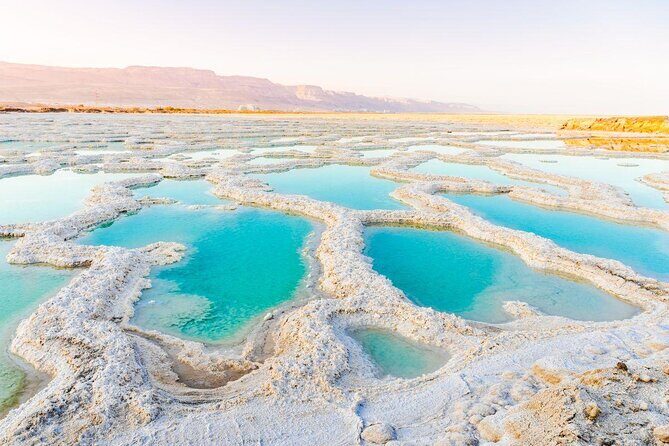
This is a classic Israel day trip, but it’s also one of the more efficient ones. You start in Jerusalem, then travel into the Judean Desert to connect three ideas that students learn in separate chapters: the Dead Sea Scrolls, the Roman-era showdown at Masada, and the Dead Sea’s strange, physics-defying floating.
The reason I think this tour makes sense for most first-timers is that it doesn’t treat the Dead Sea as a quick photo stop. You get time to actually do the mud-and-float part, and you’re not scrambling for the correct moment. At the same time, Masada isn’t rushed to a single viewpoint. You’re guided through what you’re looking at—Roman baths, King Herod’s palace area, and the story tied to the last stand.
The day is built for people who want a guided route. If you’re the type who loves planning every turn and choosing your own pace, you could do this independently. But if you prefer to sit back and let someone handle the driving, ticket logistics, and the “what am I looking at” part, this format fits well.
You can also read our reviews of more tours and experiences in Jerusalem.
Price and Value: Why $110 Can Be Fair (or Not)
At $110 per person for about 8 hours (plus pickup/drop-off), this lands in the mid-range for the classic Jerusalem-to-Dead-Sea circuit. The value question comes down to what you don’t have to pay and what your time is worth.
You should feel good about the costs that are included:
- Professional guide
- Hotel pickup and drop-off
- Air-conditioned vehicle
- All entrance fees included (and the Dead Sea stop is listed as admission free)
Food and drinks are not included, so you’ll need to budget for that part of the day. Also, the tour is timed around cable car and site visits, so if you prefer slow wandering, you might feel the structure.
When this tour is a bargain is when you land on a good-weather day and your group stays on schedule. The moment the day gets stretched—heat, traffic, or cancellations—your cost per hour of actual sightseeing can rise fast. It’s not a “wasted money” situation, but you’ll want to keep expectations realistic for an 8-hour itinerary.
Qumran National Park: Dead Sea Scrolls With Context, Not Just Concrete
Qumran is where your morning history kicks in. The visit focuses on the Qumran caves area connected to the discovery of the Dead Sea Scrolls. Instead of treating it like a random desert ruin, the guide-led approach helps you understand why this place mattered—and why people still care about what was found here.
Expect a structured, about-1-hour stop. That’s enough time to orient yourself, learn what to look for, and connect the site to the bigger story—without turning it into a long academic lecture.
What’s worth your attention here is the setting. Qumran sits in a stark desert environment, and that helps your brain grasp the survival logic behind why communities could preserve writings for centuries. Even if you’ve read about the scrolls before, seeing where the discoveries are associated with gives the story a physical reality.
Possible drawback: the hour can feel quick if you like to linger. If you’re the type who wants to read every sign slowly, you may want to make your questions count during the guided time.
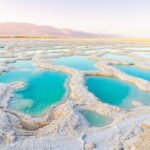
Dead Sea Region: Mud, Floating, and Staying Comfortable
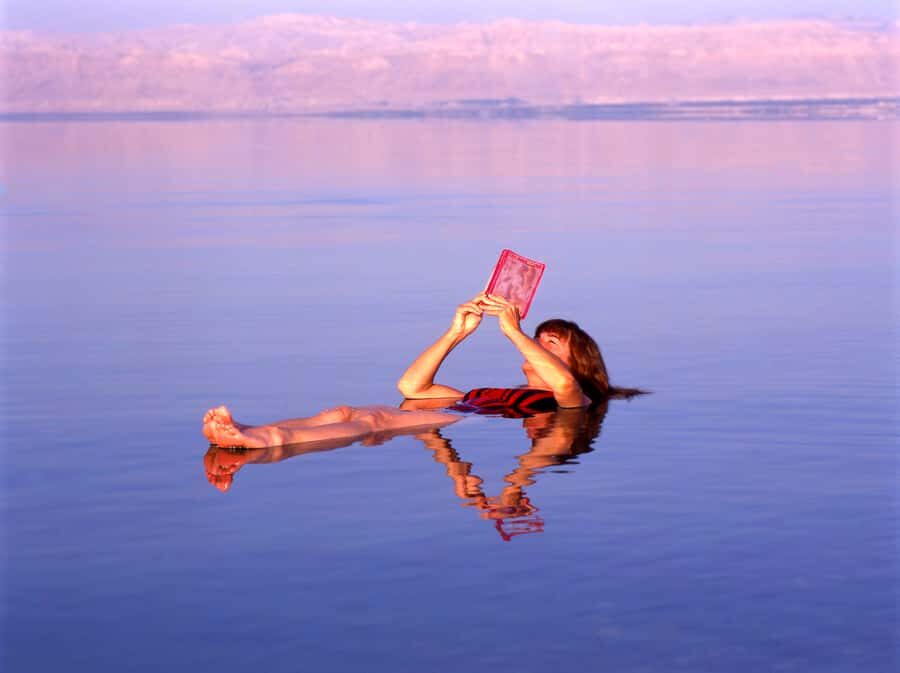
After Qumran, the tour shifts gears into the Dead Sea experience. This portion is set up as your recovery break—though it’s still active, just in a different way.
You’ll get about 2 hours to enjoy:
- the therapeutic qualities of Dead Sea mud
- the experience of floating in extremely salty water
Because food and drinks aren’t included, this is one of the times where hydration matters. The Dead Sea is famous for being easy to experience, but it’s also hot for much of the year. If you show up unprepared, comfort can suffer fast.
Practical tips that genuinely help:
- Bring or plan for swim gear since you’re going in for the swim and the float.
- Expect slippery mud and salty water. Rinse-off time and towels are useful things to have organized.
- Think about eye protection. Even if you’re careful, saltwater has a way of finding its way in.
This is also the part of the day where you’ll get the most “wow” per minute. Masada gives you scale and story. Qumran gives you significance. The Dead Sea gives you a physical sensation you can’t fake.
One trade-off: because this is timed, you shouldn’t expect to play around for hours. You get time, but it’s not an unlimited beach day.
Masada National Park: Cable Car Up, Ruins Up Close
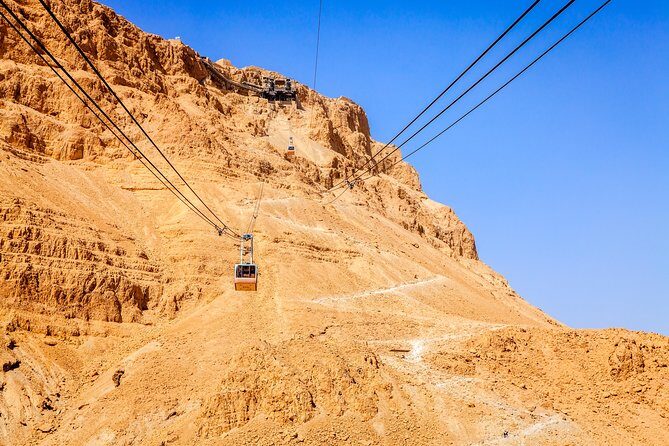
Masada is the headline stop for a reason. You ascend by cable car, which means you focus on the ruins and viewpoints rather than saving energy for a hike up the mountain.
Once you’re up there, the tour highlights:
- King Herod’s desert fortress
- areas associated with Roman-era life, including Roman baths
- the story of the Zealots who held the plateau against the Romans before their last stand and mass suicide in 73 AD
This is the part where a good guide makes a big difference. The best moments on Masada are when you realize what you’re seeing: where power was concentrated, how the fortress worked as a desert refuge, and how the geography shaped the story.
If you want a point to remember, it’s this: Masada isn’t just ruins on a cliff. It’s a place that connects architecture, politics, and survival. And the views aren’t an extra—they’re part of the historical logic.
A timing note: the tour allots about 3 hours to the Masada segment. That’s usually enough for a satisfying walk and cable car round-trip, but it won’t feel like a slow, pick-your-own-adventure day. If you’re a fast walker, you’ll like it. If you’re easily tired, pace yourself and plan to hit the major stops first.
Also, a small heads-up based on real-world operational variation: some days can include extra pauses that eat into time. If you care deeply about having breathing room at Masada, keep an eye on the day’s pacing and don’t leave your must-see viewpoints to the last minute.


Getting There From Jerusalem: Pickup, Air-Conditioning, and a Long Drive Day
This is a true day trip from Jerusalem with hotel pickup and drop-off and an air-conditioned vehicle. The driving itself is part of the deal, and the day is set up to keep you comfortable while you cross into the desert region.
Because the total duration is about 8 hours, you should expect:
- a morning departure
- a full run of the three major sites
- an evening return to Jerusalem
Group size is listed as a max of 45, which is big enough to be efficient but small enough that you’re usually not lost in a sea of people. Still, you’ll want to stay aware of instructions from your guide, especially around the timing of the cable car and the transitions between sites.
If you’re sensitive to long days, think about it like this: Masada and the Dead Sea take time, but most of the “waiting” moments happen during travel and ticket movement. Plan accordingly and you’ll handle the day better.
What to Pack for Masada and the Dead Sea (So You Enjoy Both)
You’re mixing ruins, desert sun, and a literal saltwater swim. That combo means packing smart matters more than packing fancy.
Bring:
- swimwear for the Dead Sea mud and water time
- a towel or a plan for drying off after
- sunscreen and a hat for sun protection
- comfortable footwear for walking at Qumran and on Masada
- water, since food and drinks are not included
If you want to make the mud portion more pleasant, think about clothes you don’t mind getting messy. The Dead Sea mud experience is part fun, part practicality: it can be dramatic, and that’s the point.
If you’re wearing contacts or have sensitive eyes, consider how you’ll protect them during saltwater play. It’s not the time to be casual about eye comfort.
Guides and On-the-Ground Style: What Makes the Story Click
A big strength of this tour is the guide. The tour includes a professional guide, and the storytelling approach can shift the whole day from sightseeing to understanding.
On at least one run, the guide Ariel is described as mixing humor with Israeli and Jewish history context, plus a strong sense of identity and pride. Even if your guide isn’t Ariel, the format is designed so you get the story behind the physical sites.
That matters most on Masada. Cable car up is fun, but the real reason Masada stays with you is when you understand why the Zealots held the plateau and what life at Herod’s fortress implies about power and geography.
Weather and Day Changes: How to Protect Your Plan
This tour requires good weather. That doesn’t mean you’re helpless. The key point is that poor conditions can trigger changes, including a different date or a full refund.
Because of that, you should:
- choose travel dates with flexibility if possible
- keep your schedule light around the tour day
- be ready for the possibility that the day could shift if conditions aren’t right
If the tour is canceled due to poor weather, you’re offered either a different date or a full refund. That’s the kind of safety net you want for a desert route where conditions matter.
Who This Tour Fits Best (and Who Might Want a Different Plan)
This tour fits you well if:
- you want a guided one-day introduction to Qumran, Masada, and the Dead Sea
- you like having entrances and transport handled
- you want time for both history and the real Dead Sea experience
- you don’t want the headache of coordinating three separate stops on your own
It might not fit you as well if:
- you need a very slow pace or lots of unscheduled time
- you’re traveling with young children, since children under 5 are not permitted
- you’re worried about the physical effort of walking on site and dealing with hot weather
The tour notes say most people can participate, but Masada still involves walking and uneven terrain around ruins. Cable car helps, but it doesn’t remove all physical demands.
Should You Book This Masada-Dead Sea-Day Trip?
If you’re choosing just one guided option from Jerusalem for these three icons, I’d lean toward booking—especially because entrance fees are included and you get time to actually enjoy the Dead Sea rather than rushing through it.
Book it if:
- you want the scrolls story plus Masada’s last-stand drama
- you care about having a guide explain what you’re seeing
- you want the convenience of pickup, transport, and tickets managed
Consider something else if:
- you need lots of solo time at each site
- your schedule is tight and you can’t handle a weather-driven change
- your group includes a child under 5
One last practical note: this is the sort of day where being ready for the sun and the water pays off. Pack for mud and saltwater, pace yourself on Masada, and treat Qumran as your orientation to the day’s bigger story. Do that, and this becomes a memorable Judean Desert day instead of just a long drive with stops.
FAQ
How long is the Masada, Dead Sea, and Qumran tour from Jerusalem?
The tour duration is about 8 hours.
What does the tour include?
It includes a professional guide, hotel pickup and drop-off, and an air-conditioned vehicle. Entrance fees are included for the stops where tickets apply.
Is the Dead Sea swimming and mud part included?
Yes. You’ll have time in the Dead Sea region to enjoy the mud and float in the hyper-saline water.
What about food and drinks?
Food and drinks are not included, so you’ll need to plan for meals and water on your own.
Are there age restrictions?
Yes. Children under 5 (including infants) are not permitted.
Do I need to buy tickets separately?
No. The tour includes entrance fees where they apply, and tickets are listed as included for Qumran and Masada.
What happens if weather is bad?
This experience requires good weather. If it’s canceled due to poor weather, you’ll be offered a different date or a full refund. Free cancellation is available up to 24 hours in advance for a full refund.