REVIEW · TEL AVIV
Masada Dead Sea: Small Group Tour from Tlv INCL. ENTRY FEES
Book on GetYourGuide →Operated by Rent-a-Guide | est.1985 · Bookable on GetYourGuide
Masada feels unreal, then the Dead Sea proves it. This 10-hour small group day trip pairs a guided ascent by cable car to King Herod’s fortress with time to float in the Dead Sea’s mineral waters. I like that the story of the Jewish fighters comes through as you walk, not just as a lecture, and I like that you get real time in the water (plus mud) instead of a quick dip.
The only thing I’d flag is the stop at a Dead Sea cosmetics shop, which can feel like a detour even when it’s low-pressure. It’s part of the experience here, but you should be mentally ready for it so you don’t feel rushed later.
In This Review
- Key things you’ll notice on this tour
- Why Masada and the Dead Sea fit together so well in one day
- Hotel pickup and the long drive through the Judean desert
- Dead Sea cosmetics stop: useful if you want products, annoying if you want time
- Going up Masada by cable car: faster access, better focus
- The fortress tour at Masada: what you’ll actually see and why it counts
- Descending by cable car and switching from history to body experience
- Floating in the Dead Sea and using the mud without turning it into a mess
- Tour value: why $155 can feel fair (or not) depending on how you travel
- Pacing and practical comfort: what to prepare for on a 10-hour day
- Who this tour suits best—and who should pick something else
- Should you book this Masada and Dead Sea small-group tour?
- FAQ
- What time is hotel pickup?
- How long is the tour?
- Is the tour guide available in English?
- What is included in the $155 price?
- Are meals provided?
- What should I wear and bring for Masada and the Dead Sea?
- Can I cancel and get a full refund?
Key things you’ll notice on this tour
- Small-group pace that keeps the day from feeling chaotic.
- Cable car ascent that gets you to Masada efficiently and with great views.
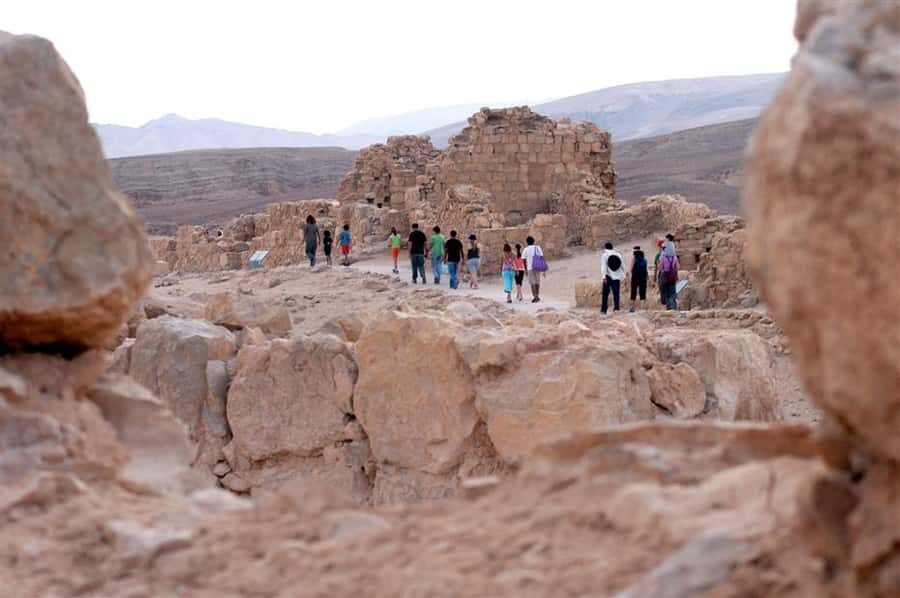
- Guided Masada walk through key remains like the palace, synagogue, cisterns, mosaics, and Roman baths.
- Dead Sea time where you actually float, then rinse off after adding mud.
- Hotel pickup in central areas (Netanya, Herzliya, Tel Aviv) so you start without hassle.
- A licensed English guide who ties the sights together as one story.
Why Masada and the Dead Sea fit together so well in one day
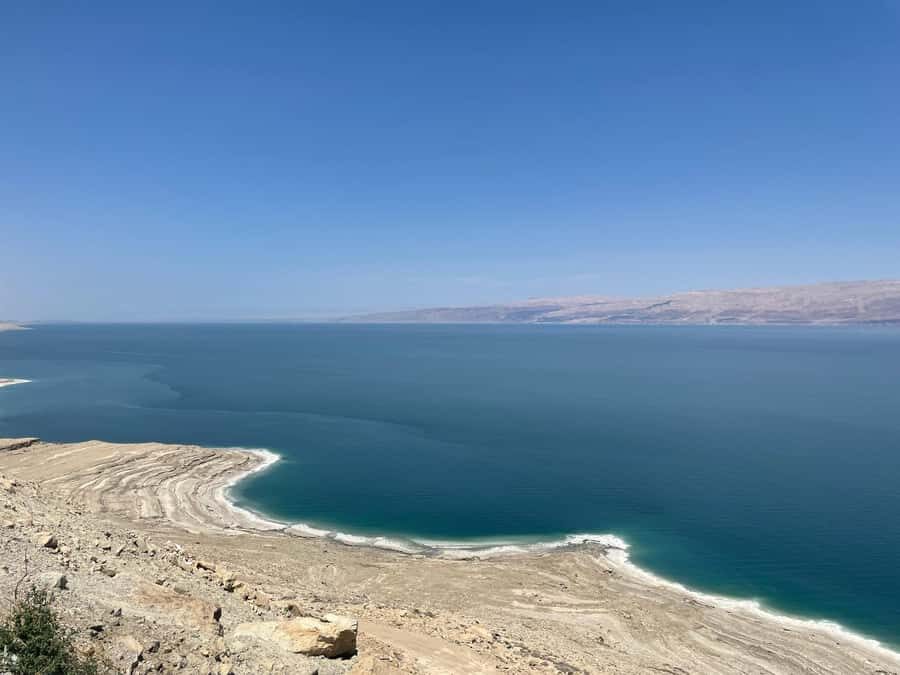
Masada and the Dead Sea are a strange pairing on paper, but they work because they hit two different kinds of curiosity at once. Masada asks you to pay attention to people, choices, and conflict in one of the most dramatic chapters of Jewish history. Then the Dead Sea does the opposite: it slows you down with a surreal physical experience where you float instead of swim.
What I appreciate about this tour is that it doesn’t treat Masada like a distant viewpoint. You’re guided through the fortress remains—walls, palace areas, religious spaces, and the infrastructure that made survival possible. Then you shift gears and spend your energy on something practical: floating, mud, rinsing, repeat.
At $155 per person, the value depends on one thing: you want both sites in one organized package with transport and entry fees handled. If you’re the type who likes to plan less and see more, this format makes sense.
You can also read our reviews of more tours and experiences in Tel Aviv.

Hotel pickup and the long drive through the Judean desert
You start early, and that’s not a gimmick. Pickup runs from central hotels only, with set times in Netanya at 06:30, Herzliya at 07:00, and Tel Aviv at 07:20. If your hotel isn’t central, you’ll be given the closest meeting point, so check details when the operator confirms your pickup.
This matters because the drive isn’t just time spent staring out a window. It’s where your guide sets the context for Masada and the wider region—so you arrive with a framework, not just a map pin. Several people also note that explanations happen while you’re on the road, including bits of orientation around Jerusalem and the route. When that’s done well, it makes the day feel smoother.
One practical note: the day is long (10 hours), and the Dead Sea stop doesn’t erase the fact that you’ll be seated for much of the morning. Pack like a road-trip. Sun protection and water mindset matter here, even if water isn’t listed as included.
Dead Sea cosmetics stop: useful if you want products, annoying if you want time
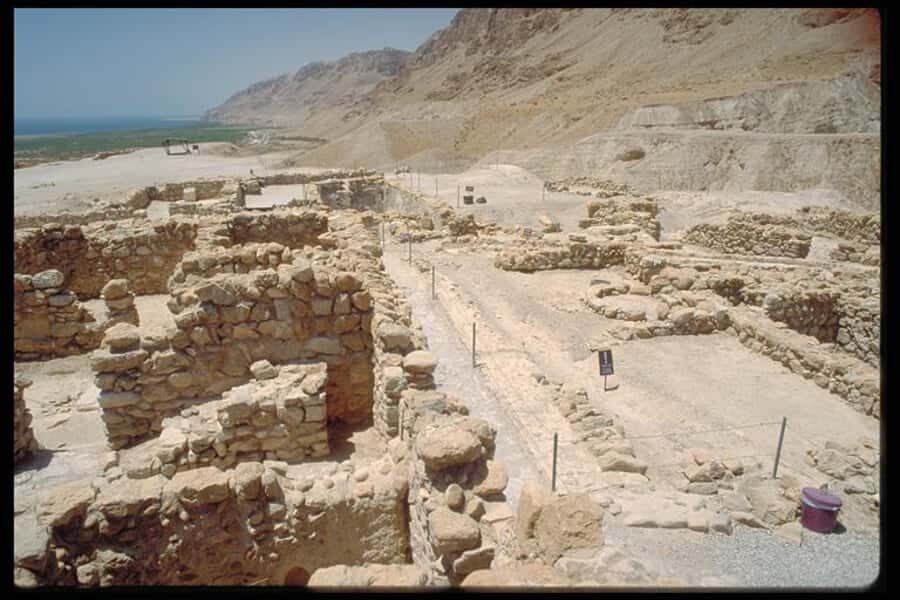
Before Masada, the schedule includes a visit to a Dead Sea cosmetic products shop. The idea is straightforward: you learn why people chase these minerals, and you can purchase items if you want them.
Here’s how to think about it. If you love buying skin-care products when the ingredients have a real location story, it can be fun and educational. If you prefer your time to go straight to water and ruins, it can feel like wasted minutes. Some people say the shop stop isn’t pushy, but it still takes time, and you only get one day.
So my advice is to treat the shop like an option you control:
- Browse, ask questions, and decide quickly if you want anything.
- Don’t linger with the assumption you’ll make it up at the beach.
Going up Masada by cable car: faster access, better focus
Masada is one of those places where timing matters. The tour uses a cable car to ascend, which is a big deal for two reasons.
First, it saves energy. You’re there to walk and learn inside the fortress zone, not to spend the morning climbing. Second, the cable car ride helps you build a mental picture of the fortress in relation to the surrounding Judean desert—so your guide’s explanations land better once you step into the ruins.
When you reach the top, you’re guided through the remains and key structures. This is where the tour earns its keep, because the best Masada experience is the one where someone points out what you’re looking at and why it matters.
The fortress tour at Masada: what you’ll actually see and why it counts
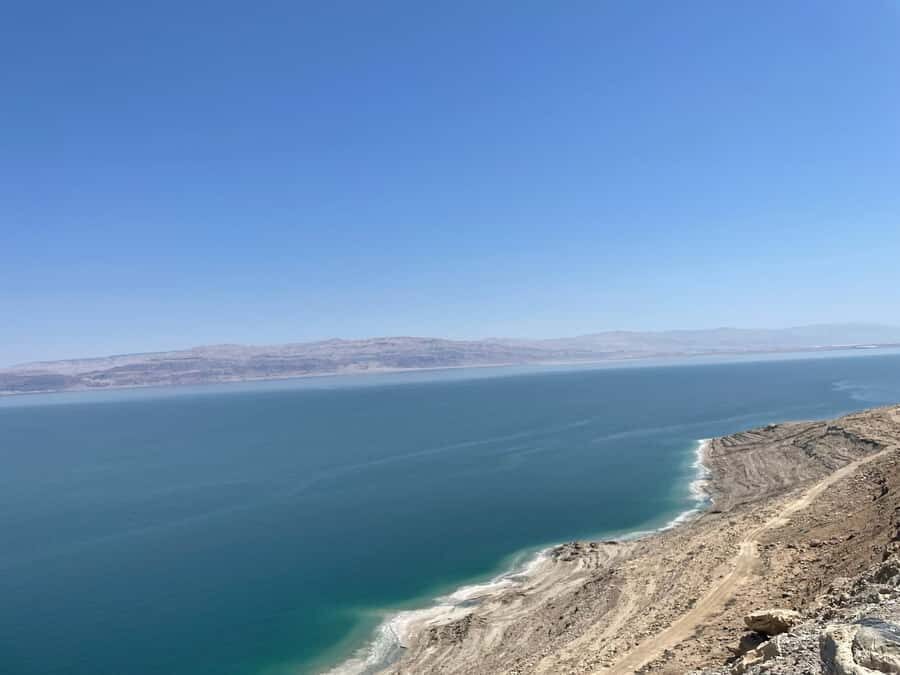
King Herod’s mountain fortress is not just walls and views. It’s a mix of power, daily life, religious space, and siege-era survival planning. During your guided visit, expect to move through major areas including:
- Remains of the walls
- Palace areas
- Synagogue
- Water cisterns
- Mosaic floors
- Roman baths
Those items sound like a museum checklist, but each one changes how you understand the story. The cisterns, for example, are a reminder that endurance is built into design. Water storage turns a dramatic siege narrative into a more believable human problem: how to hold out when supplies are limited.
The palace and mosaic floors help you grasp that Masada wasn’t only a military outpost. It carried status and luxury. Then the Roman baths and other Roman-influenced elements add another layer: the site sits at a crossroads of cultures and control, which is part of what makes Masada historically complicated.
If you care about Jewish history, this is the moment where it clicks. The tour focuses on the defenders who resisted Rome, and the guide uses the physical spaces to explain why those rooms and systems mattered. People also praise guides for communication and storytelling, with names like Gabi, Yousef, Rafi, and Sharon coming up as examples of clear, engaging narration. Even when the specific guide differs, the goal is the same: make the remains feel like a living story, not a scavenger hunt.
Descending by cable car and switching from history to body experience
After Masada, you descend by cable car again. This is a relief point in a long day: you stop walking, you regain a little energy, and your senses reset from stone and story to salt and sensation.
Then you head to the Dead Sea. You’re going from the highest drama of human conflict to one of the strangest natural phenomena on Earth: the ability to float because the water is so saline.
Plan a mindset shift. Masada asks you to look closely and follow explanations. The Dead Sea asks you to slow down and let your body do what it can’t do in normal water.
Floating in the Dead Sea and using the mud without turning it into a mess
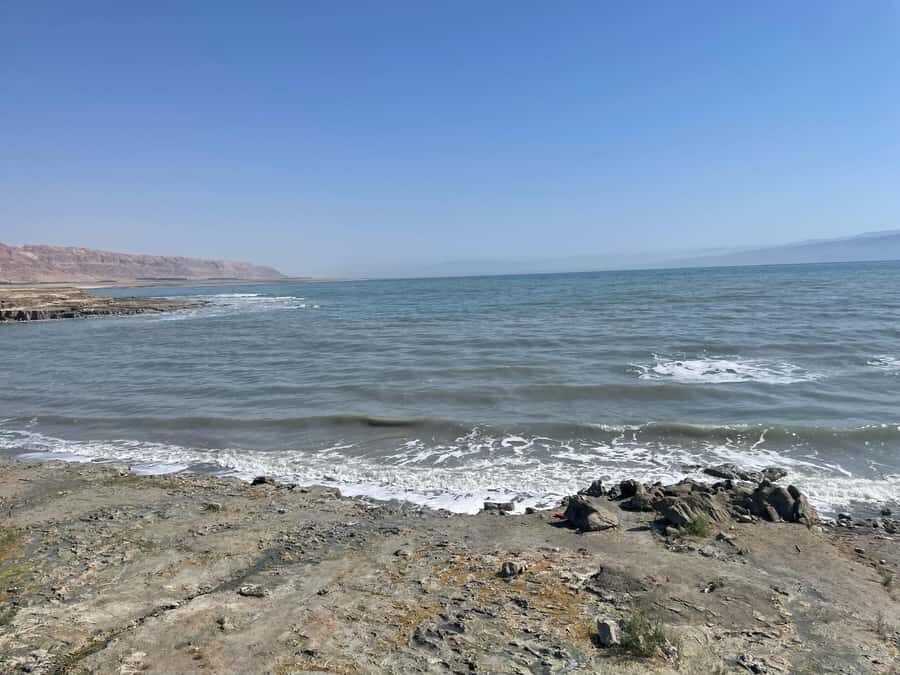
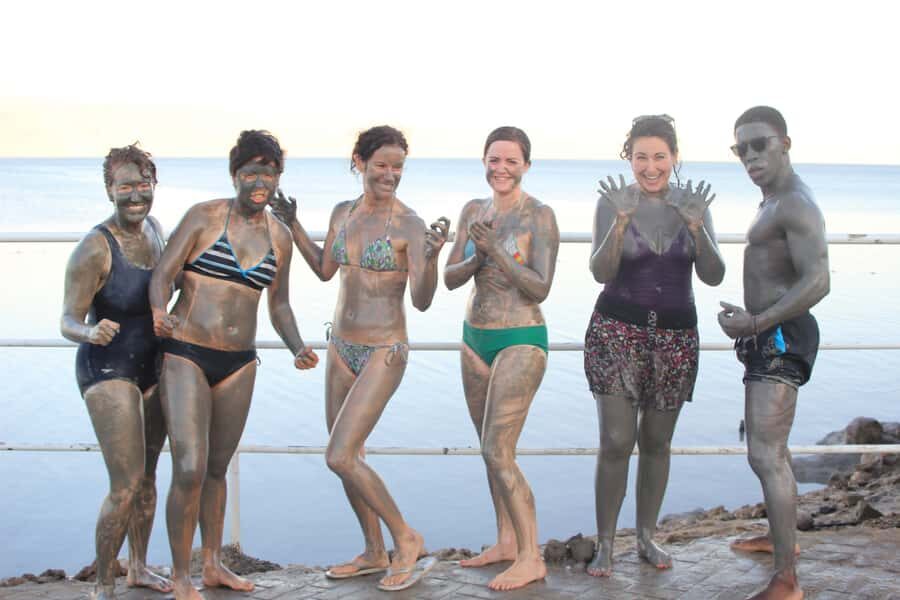
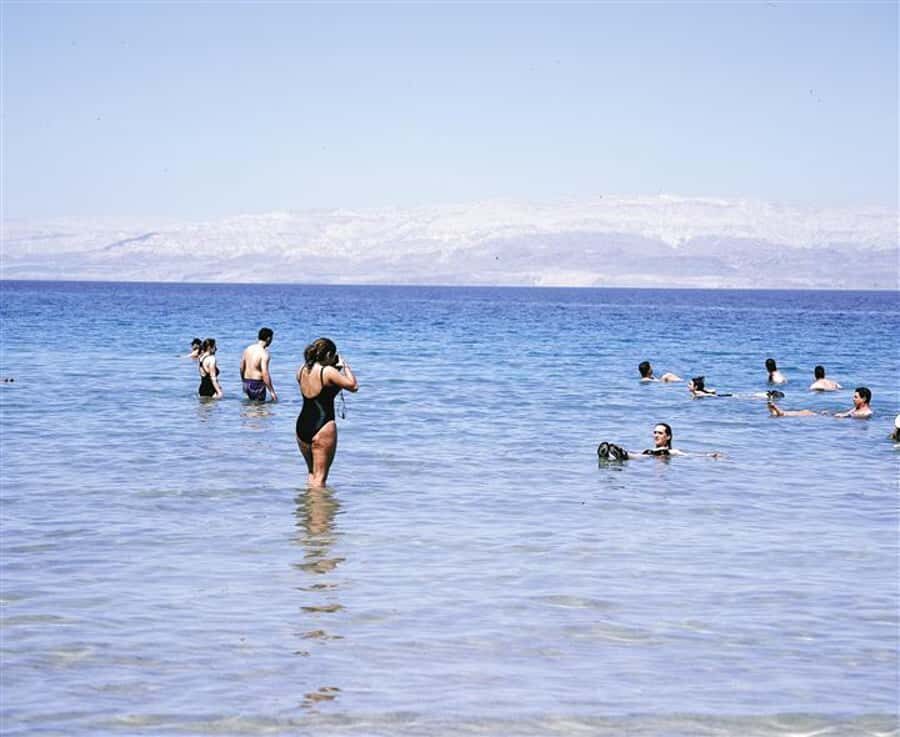
This tour’s Dead Sea portion centers on two main activities: floating and mud application. You’ll enjoy time to float effortlessly on the mineral-rich surface, and you’ll have the chance to cover yourself in Dead Sea mud, then rinse off in the sea.
How much time do you get? People report around two hours in the Dead Sea area on many days, with some noting a bit more depending on timing and conditions. Either way, it’s enough for a few rounds of:
- coat with mud (careful where it goes)
- float and relax
- rinse off in the water
Here’s the practical part I’d take seriously: bring footwear that can handle salt. One traveler specifically warns that the salt can be hard on your feet and makes walking painful. It’s not just discomfort; it can shape your whole experience because you’ll likely walk on salty or rough surfaces before you reach the water. Waterproof footwear helps you enjoy the float instead of bracing for every step.
Also pack what you’ll need immediately: bathing suit, towel, and sun protection lotion. Heat can be real in this region, and the Dead Sea sun doesn’t care if you’re busy admiring ruins.
Tour value: why $155 can feel fair (or not) depending on how you travel
This isn’t a bargain tour in the “cheapest possible” sense. It’s $155, with included items that matter on a road trip day:
- pickup/drop-off from centrally located hotels
- transportation
- a government-licensed tour guide
- entrance fees to the sites
Meals aren’t included, so budget for that. But the bigger value calculation is time and friction. Masada and the Dead Sea aren’t just two stops; they’re two totally different experiences that are easiest when transport, sites, and guide context are packaged.
If you plan to visit both places on your own, you’d still pay some combination of transport and entry fees, and you’d spend mental energy planning route timing. For many people, that’s the hidden cost. Here, you pay a set price and let the operator handle the structure.
The small-group format also likely affects value, because it tends to reduce the feeling of being herded. People repeatedly praise the guide quality and the comfort of the ride, including the idea that the day feels organized.
Pacing and practical comfort: what to prepare for on a 10-hour day
This is a full-day excursion. That can be a plus if you like momentum, and a minus if you want a slow stroll and long breaks.
A few practical points help you enjoy the day more:
- Modest dress and head covering are required for holy places. Since Masada includes a synagogue area, plan clothing with shoulders covered and no shorts.
- Bring sun protection lotion, plus a bathing suit and towel.
- Consider waterproof footwear due to salt on footpaths and the way it can sting.
- If you’re sensitive to heat, plan your shade and slow moments around Masada-to-Dead Sea transition. The Dead Sea is relaxing, but the trip there can still feel intense.
Audio and guiding quality are mostly positive, and a common praise is that guides explain what you’re seeing while driving. Still, like any day with a vehicle and multiple stops, equipment can occasionally fail (for example, mic issues on a van). When that happens, guides typically adjust, but it’s worth knowing the experience isn’t a movie-perfect production.
Finally, conditions can affect routing. One schedule change that has happened involves Masada access being altered due to road closures, with alternative nearby sights like Qumran National Park and the Jordan River used instead. You shouldn’t count on that swap, but you can take it as a sign the operator may adjust if the region changes.
Who this tour suits best—and who should pick something else
You’ll probably love this tour if you:
- want Masada explained with guided context, not just a solo walk
- like mixing history with a very physical nature experience
- prefer small-group structure and hotel pickup over sorting transit
- care about practical guidance (what to wear, what to bring, how to pace yourself)
You might want a different option if you:
- hate retail stops and want every minute on-site (the cosmetics shop is part of the flow)
- want a super relaxed, unstructured day with lots of free time for wandering
- have mobility limits that make walking through uneven ruins difficult (you’ll be on your feet at Masada)
Should you book this Masada and Dead Sea small-group tour?
If your goal is to see the Dead Sea and Masada in one day with guided interpretation and transport included, I think this booking is a solid choice. The price feels fair when you factor in hotel pickup, entrance fees, and a guide who helps you connect the fortress remains to the story behind them. The Dead Sea time—floating plus mud—also makes the tour feel worth it, not just “a stop.”
Book it if you’re okay with a long day and can handle modest dress rules. Skip or reconsider if you strongly dislike shop stops or want more free time than this schedule provides.
FAQ
What time is hotel pickup?
Pickup times are listed for Netanya at 06:30, Herzliya at 07:00, and Tel Aviv at 07:20. Pickup is from centrally located hotels only, and if your hotel isn’t central you’ll be given the address of the closest meeting point.
How long is the tour?
The total duration is 10 hours.
Is the tour guide available in English?
Yes. The live tour guide provides the tour in English.
What is included in the $155 price?
The price includes pick up/drop off from centrally located hotels, transportation, a government-licensed tour guide, and entrance fees to the sites. Meals are not included.
Are meals provided?
No, meals are not included.
What should I wear and bring for Masada and the Dead Sea?
You should wear modest clothing (no shorts or sleeveless shirts) and bring a head covering for holy places. Bring sun protection lotion, a bathing suit, and a towel. It’s also smart to consider footwear that can handle salt around the Dead Sea area.
Can I cancel and get a full refund?
Yes. Free cancellation is available up to 24 hours in advance for a full refund.