REVIEW · JERUSALEM
Jerusalem and Bethlehem Tour from Jerusalem
Book on Viator →Operated by Rent-a-Guide Israel Tours · Bookable on Viator
Jerusalem feels like walking through layers. This full-day route strings together the big names: Western Wall, Church of the Holy Sepulchre, and Bethlehem’s Church of the Nativity, with a guided walk down the Via Dolorosa. One heads-up: expect a lot of walking on uneven Old City streets, so plan your energy and water.
I really like the way this tour is organized around Christian and Jewish holy sites without making it feel like a stamp-collecting exercise. The small-group setup helps you ask questions and stay oriented, and the free hotel pickup and drop-off removes the biggest hassle.
In plain terms, you’re doing a full day and there’s border complexity. You’ll need a passport, and the Bethlehem crossing may include a short unaccompanied walking portion plus a change of vehicle once you’re on Palestinian grounds.
In This Review
- Key things that make this tour worth your time
- A Day of Holy Stops From Jerusalem to Bethlehem
- The $118 Value: What You Pay For (and What You Don’t)
- Pickup, Border Crossing, and Timing Reality
- Jerusalem Stop 1: The Western Wall and Prayer at a Human Scale
- Church of the Holy Sepulchre: Where Pilgrims Track Crucifixion and Burial
- Mount of Olives: A Viewpoint That Also Explains the Bible
- Mount Zion in 15 Minutes: Dormition Abbey’s Overlook and Scale
- King David’s Tomb: Sacred Traditions and the City of David Connection
- Following the Jesus Path Down the Via Dolorosa
- Bethlehem Stop 1: Shepherds’ Field, Even When It’s a Distance View
- Bethlehem Stop 2: Manger Square and the Feeling of Arrival
- Bethlehem’s Main Event: The Church of the Nativity
- Small-Group Style and Guides Who Keep the Day Human
- What to Bring and How to Handle Uneven Old City Walking
- Who This Tour Fits Best (and Who Should Rethink It)
- Should You Book This Jerusalem and Bethlehem Tour?
- FAQ
- What time does the tour start?
- How long is the tour?
- Is hotel pickup and drop-off included?
- What language options are available?
- Are tickets included for the stops?
- Is food included?
- Do I need a passport?
- Will there be border crossing to Bethlehem?
- How big is the group?
- What’s the cancellation policy?
Key things that make this tour worth your time
- Free hotel pickup and drop-off saves you time and stress before a long day.
- A guided walk of Via Dolorosa helps you follow the route with meaning, not just location names.
- Short timed stops in Jerusalem’s top churches and viewpoints keeps the day moving.
- Bethlehem’s Nativity Church (4th century) is the main event, and you’ll go in with a guide.
- Small-group feel is supported by personal service, even though the activity caps at 54.
- Uneven Old City walking is the one real drawback, so bring water and wear good shoes.
A Day of Holy Stops From Jerusalem to Bethlehem
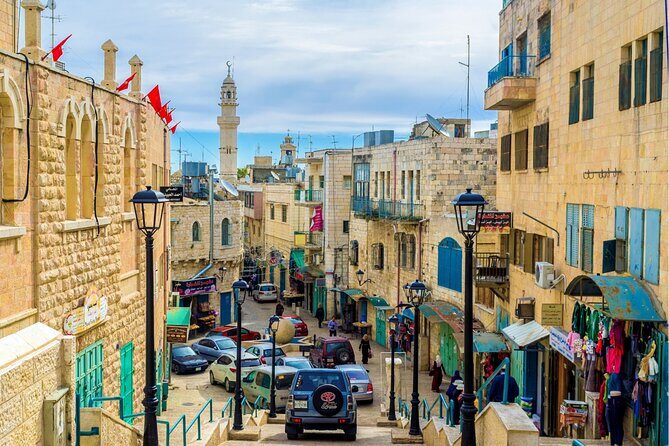
This is the kind of tour that works best when you’re okay with intensity. In one day, you jump from major Jerusalem landmarks to Bethlehem’s Christian sites, then try to make sense of why these places matter to different faiths and traditions.
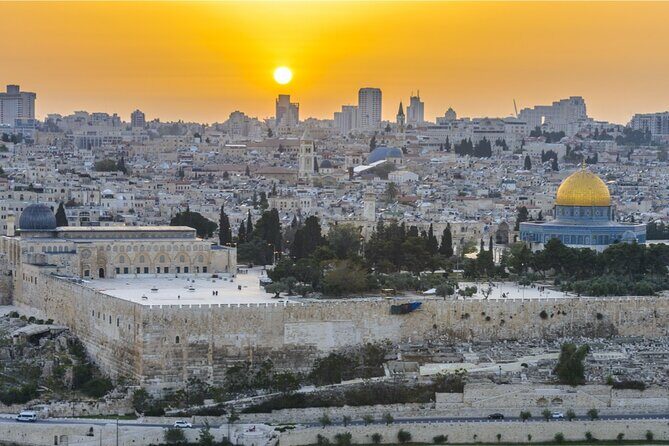
I like that the itinerary isn’t just “see a building, move on.” The stops are sequenced so you build a picture: start at the Western Wall, shift to the sacred center of Christian pilgrimage at the Holy Sepulchre, then use Mount of Olives and Mount Zion viewpoints to understand the city’s layout. After that, you cross into Bethlehem for the Nativity Church experience—often the emotional peak for many visitors.
If you go in expecting calm and long breaks, you’ll be disappointed. If you go in ready for a guided sprint through some of the world’s most famous sacred geography, you’ll be right at home.
You can also read our reviews of more tours and experiences in Jerusalem.


The $118 Value: What You Pay For (and What You Don’t)
At $118 per person for about 8 hours, the value is largely in the included guidance and logistics. You’re paying for a professional guide, hotel pickup and drop-off, and the Bethlehem side includes a local guide. That matters because the holy sites here can be confusing if you’re relying on signage alone—or if you’re trying to line up context while everyone else crowds the entrances.
What’s not included is food and drinks. That’s a budget item you’ll want to plan for. Also, some stops are admission-based and some are free; for example, the Church of the Holy Sepulchre has admission included, while other viewpoints are free.
One more “value” point: this tour is designed for fewer people than a typical mega-bus day. The activity maximum is 54, and some groups run around a dozen, which helps your guide keep control of the schedule and your group.
Pickup, Border Crossing, and Timing Reality
Start time is 9:00 am, and the day is built around steady movement. The free pickup and drop-off from your hotel is genuinely helpful—Jerusalem routing can be slow, and you don’t want to spend your morning finding meeting points.
Then comes the reality of the Jerusalem-to-Bethlehem transition. The tour notes that border crossing to Bethlehem may include short unaccompanied walking. You might also need to switch vehicles when you enter Palestinian grounds. That’s normal for this route, but it’s the kind of thing that can throw off your mental schedule if you don’t plan for it.
Also plan for documentation. Passports are required. If you don’t bring yours, you’re sunk for the day.
Jerusalem Stop 1: The Western Wall and Prayer at a Human Scale
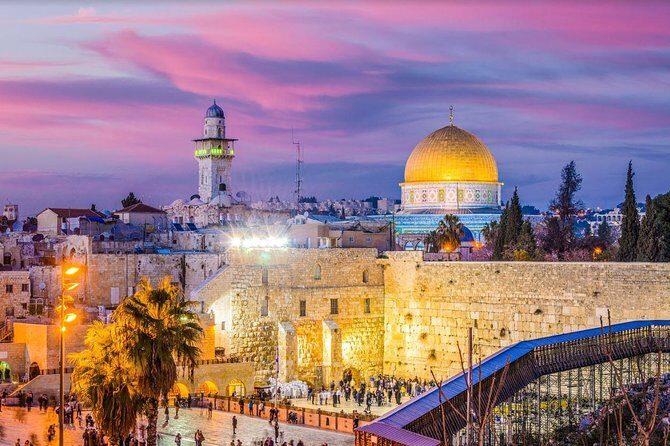
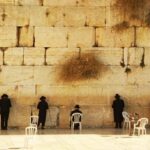
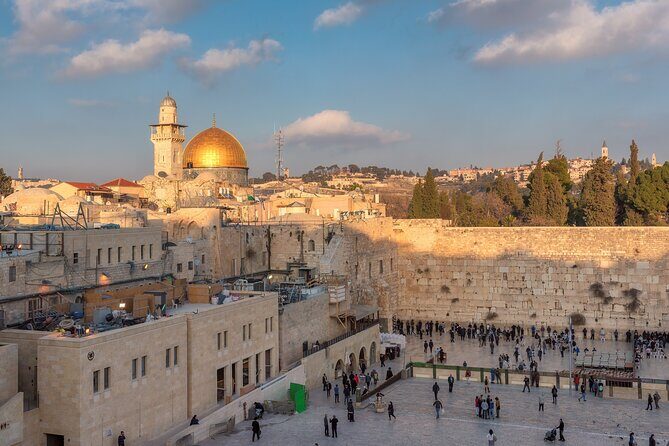
Your day begins at the Western Wall, where a “quick look” is almost impossible. This remnant of a wall from the Second Temple era (associated with King Herod’s time) is one of the most important Jewish sites in Israel.
I like this stop first because it sets a tone. You’re not starting with a church façade; you’re starting with a living devotional space. The tour even calls out the folded prayers at the Wall, which helps you understand why people come here and why they behave the way they do—quiet, reflective, and often very focused.
Stop length is listed at about 20 minutes. That’s enough time to see it, understand what you’re looking at, and take photos if you’re careful with flow.
Church of the Holy Sepulchre: Where Pilgrims Track Crucifixion and Burial
Next is the Church of the Holy Sepulchre, the site revered as Golgotha (Hill of Calvary), along with the traditional locations tied to Jesus’ crucifixion, burial, and resurrection. This is one of the most layered spaces in the city, and it’s also one of the most complicated places to navigate without a guide.
Why a guide helps here: the church has a turbulent history—damaged and rebuilt over centuries—and it’s managed by different custodians who guard their sections. That means the physical layout and the “what part are we in right now” question can be hard to solve on your own.
The tour schedules about 30 minutes, and admission is included. In reality, you may lose some of that time to crowds and movement through narrow passages. So if you have a tight photo plan or you need accessibility accommodations, this is the day to communicate needs early.

Mount of Olives: A Viewpoint That Also Explains the Bible
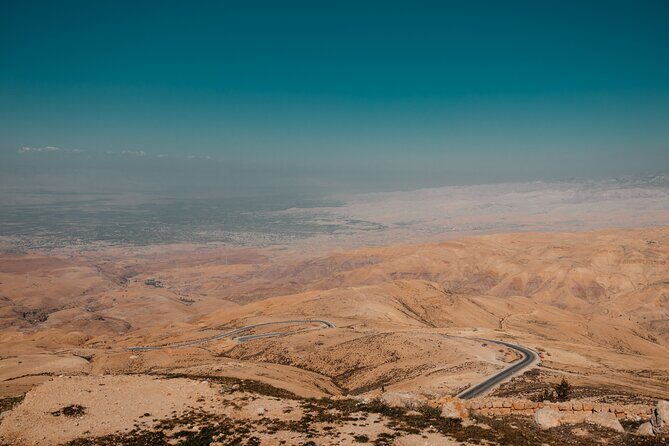
The Mount of Olives stop is short (about 20 minutes), but it’s powerful. It’s referenced across Old and New Testament accounts, and today it’s also a cemetery and sacred spot.
I find the Mount of Olives essential for orientation. Jerusalem is compact, but it can feel like a maze at street level. From this kind of elevation, you start to understand where things sit relative to each other—especially if you later walk the Old City. Even a brief viewpoint stop can make the afternoon feel less random.
Admission is listed as free, so you’re paying for the guide’s context more than a ticket line here.
Mount Zion in 15 Minutes: Dormition Abbey’s Overlook and Scale
On Mount Zion, you’ll visit Dormition Abbey, one of Jerusalem’s most impressive churches due to its scale, beauty, and the way it overlooks the Old City.
The stop is about 15 minutes. That’s not “wander until you feel like it” time, so go in with a simple plan: look wide first (the architecture and location), then focus on one or two details. This is also one of those places where your guide’s framing makes the time feel more meaningful.
If you love church interiors and are hoping for a slow art-study pace, you might wish there were more time. For most people, the stop length hits the sweet spot: see it, get oriented, and move on to the next big stop.
King David’s Tomb: Sacred Traditions and the City of David Connection
You’ll also stop at King David’s Tomb, listed as about 15 minutes. This is presented as a major Jewish destination, tied to tradition about David’s burial within the City of David, located at the foot of the Temple Mount.
What I like here is that it gives you another “anchor point” besides churches. Jerusalem can skew into Christian-only storytelling on many itineraries. This stop helps balance the day by showing how another set of sacred narratives sits within the same geography.
Admission is listed as free. In a crowded day, that’s helpful because it saves your time for listening and absorbing rather than queueing for entry fees.
Following the Jesus Path Down the Via Dolorosa
The tour doesn’t just name-check the Via Dolorosa. It’s built to have you follow Jesus’ path down this route.
This part is where your shoe choice matters. The Old City is known for uneven cobble and tight lanes, and the tour includes a long Old City walk where coffee stops are not part of the plan. A lot of the day’s “weight” happens here, not at one single monument.
If you’re the type who likes to stop, read, and reflect in a steady rhythm, you may feel rushed. If you can handle a guided flow with short stops for photos and key moments, the route becomes more than just a street—it turns into a story you can track.
Bethlehem Stop 1: Shepherds’ Field, Even When It’s a Distance View
After crossing into Bethlehem, you’ll visit an ancient shepherds’ field area. Here’s the important practical nuance: some visitors feel this portion can be more of a “view” than an up-close field visit.
So set expectations accordingly. If your dream is walking through an actual field of shepherds, you might find the stop is more about seeing the area from a distance. It can still work if you treat it as a visual context stop—your guide can connect the biblical meaning to what you’re looking at.
Plan this moment as part of your transition into Bethlehem’s main sites. It’s not the peak like the Nativity Church. It’s the setup.
Bethlehem Stop 2: Manger Square and the Feeling of Arrival
Next is Manger Square. This is often where people mentally flip from Jerusalem sightseeing into Bethlehem reverence.
At this stage, I like to think of it like a scene change. You’ve been in Jerusalem’s sacred density; now you’re in Bethlehem’s centerpiece square, closer to the traditions around Jesus’ birth.
The tour keeps you moving, but your guide’s job here is to keep you linked to the bigger story while you stand in the busy, high-energy space of the square.
Bethlehem’s Main Event: The Church of the Nativity
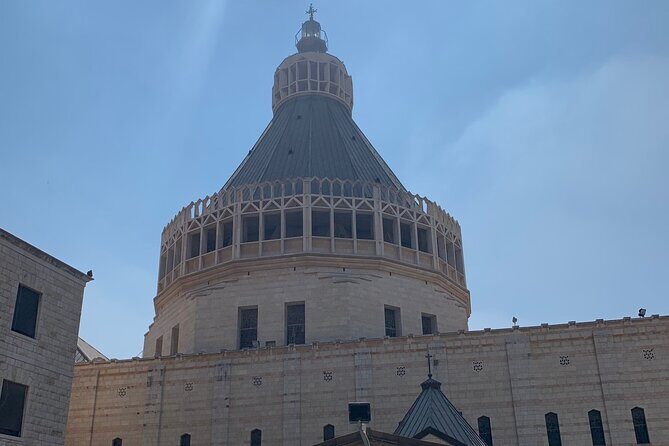
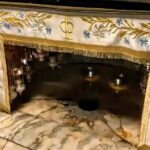
Finally, you reach the big one: the 4th-century Church of the Nativity. This is widely regarded as the central landmark for Bethlehem and often the emotional highlight of the day.
There are two practical realities here:
- Expect lines and crowding at a major pilgrimage site.
- Even with a guide, the time you spend inside can feel shortened by bottlenecks.
The upside is that going in with a local guide helps you understand why each area matters and how different parts of the church connect to the tradition of the birthplace. The church’s age and significance don’t need a sales pitch—you just need the route explained so you don’t feel lost.
Small-Group Style and Guides Who Keep the Day Human
This is where the tour earns its reputation. The itinerary can be intense, but small-group service tends to reduce the chaos. You’re not stuck with dozens of strangers moving in a single clump.
Guides also make a difference in how you experience the sites. Some of the names connected to this tour include guides such as Ruth and Hilik Levite on the Jerusalem or overall sides, plus Yuri and Rami in different departures. If you happen to get one of the guides known for clear explanations and keeping the group together, you’ll likely feel the day is guided rather than just conducted.
One review note you should treat as real-life advice: the guide may also be the driver on some departures, and that can affect how much you get to chat conversationally during the day’s driving segments. It’s not a dealbreaker, but it’s good to know why you might not get the same back-and-forth in the vehicle as you would on a tour with separate roles.
What to Bring and How to Handle Uneven Old City Walking
This is the part I’d plan for the most. One of the most common complaints tied to this kind of route is uneven walking—cobble, flagstones, and steep or cramped lanes in the Old City area. Another note: during that extended Old City walking time, there’s typically no coffee stop built in, so don’t count on a caffeine break as a pacing tool.
Bring:
- Comfortable walking shoes with grip
- A water bottle you’ll actually carry and drink from
- Light layers (church interiors can feel cool; outdoor walking heats up fast)
- A small plan for photos: quick shots outside, slower viewing moments inside
Also, travel with your passport ready. Border day is not the moment to dig through your bag like it’s a scavenger hunt.
Who This Tour Fits Best (and Who Should Rethink It)
This tour is best for you if:
- You want a single day that covers Jerusalem and Bethlehem’s major Christian and Jewish sites
- You like walking with a plan and a guide, not hopping between sites with guesswork
- You appreciate orientation stops like Mount of Olives and Mount Zion viewpoints
It may be a poor fit if:
- You have limited tolerance for long walking on uneven surfaces
- You expect lots of downtime and unhurried browsing
- You’re sensitive to queues, because Bethlehem’s Nativity Church can be crowded
For most people with moderate mobility, the experience is doable, but shoes and water are not optional.
Should You Book This Jerusalem and Bethlehem Tour?
If you want a one-day “greatest hits” day that still includes context, I think this tour is a solid pick. The combination of Western Wall, the Holy Sepulchre, Via Dolorosa, and the Nativity Church in one schedule is hard to replicate on your own without careful planning and a lot of time lost.
Book it if you’re ready for the walking reality and you’ll benefit from a guide’s storytelling at each stop. Skip it or consider a lighter alternative if your mobility needs more cushion than the Old City cobbles allow.
If you do book, do two things that pay off immediately: wear your best shoes and carry water. Then let the day unfold site by site, with a guide doing what they do best—turning a list of holy names into a route you can actually follow.
FAQ
What time does the tour start?
The tour start time is 9:00 am.
How long is the tour?
The duration is listed as about 8 hours.
Is hotel pickup and drop-off included?
Yes. Free hotel pickup and drop-off are included.
What language options are available?
The tour runs in English daily. Spanish is available Sunday, Tuesday, and Friday; French is Monday, Thursday, and Saturday; German is Wednesday.
Are tickets included for the stops?
Admission is listed as free for the Western Wall, Mount of Olives, Dormition Abbey, and King David’s Tomb. The Church of the Holy Sepulchre admission is included.
Is food included?
No. Food and drinks are not included.
Do I need a passport?
Yes. Passports are required.
Will there be border crossing to Bethlehem?
Yes. Border crossing to Bethlehem may include a short unaccompanied walking portion, and a change of vehicle may be required upon entering Palestinian grounds.
How big is the group?
The activity has a maximum of 54 travelers.
What’s the cancellation policy?
Free cancellation is available up to 24 hours in advance for a full refund. If you cancel less than 24 hours before the start time, the amount paid will not be refunded.