REVIEW · TEL AVIV
From Tel Aviv: Highlights of Jerusalem’s Old City
Book on GetYourGuide →Operated by Bein Harim Israel Tours · Bookable on GetYourGuide
Jerusalem hits you fast, and this trip helps you see it in one long, well-paced day. You start with a high view from Mount Scopus, then move straight into the Old City quarters through Zion Gate. I like how the route gives you both big-ticket landmarks and the walking-in-between feel of real neighborhoods.
Two things I really love: you get serious time at the Western Wall (not a drive-by), and you also get inside key spiritual sites like the Church of the Holy Sepulchre and the Room of the Last Supper area. One consideration: you’ll be on your feet for hours, and the modest dress rules are strict, so plan your outfit early.
In This Review
- Key Things You’ll Notice on This Tour
- From Tel Aviv to Jerusalem’s Old City, With a Real Plan
- Mount Scopus: The View That Helps Everything Else Make Sense
- Entering Through Zion Gate and Wandering the Armenian Quarter
- Jewish Quarter Highlights: Western Wall and Byzantine Cardo Remains
- Via Dolorosa to the Church of the Holy Sepulchre
- Old City Bazaar Time and Why It’s More Than Shopping
- Gethsemane and the Church of All Nations: A Calmer Turn
- Mount Zion: Dormition Church, Room of the Last Supper, and King David’s Tomb
- When Your Tour Replaces Mount Zion With the Holocaust Museum
- Modest Dress and Other Practical Limits That Affect Your Comfort
- Price and Value: Is $94 Worth It From Tel Aviv?
- My Booking Checklist Before You Go
- Should You Book This Jerusalem Old City Highlights Tour?
- FAQ
- How long is the Jerusalem Old City highlights tour?
- What are the main stops on the tour?
- What is included in the price?
- Is food included?
- What languages is the live guide available in?
- Does the itinerary change on Mondays and Thursdays?
- What clothing is required for the holy sites?
- Is the tour suitable for children?
- Is the tour wheelchair accessible?
- What is the cancellation policy?
Key Things You’ll Notice on This Tour
- Mount Scopus panorama sets the tone before you step into the Old City maze
- Walking through Armenian and Jewish Quarter streets helps you understand the Old City layout
- The guide points out Byzantine Cardo remains, not just famous modern stops
- You follow the traditional vibe along the Via Dolorosa to the Church of the Holy Sepulchre
- You get a calmer contrast with Gethsemane and the Kidron Valley before heading up to Mount Zion
From Tel Aviv to Jerusalem’s Old City, With a Real Plan
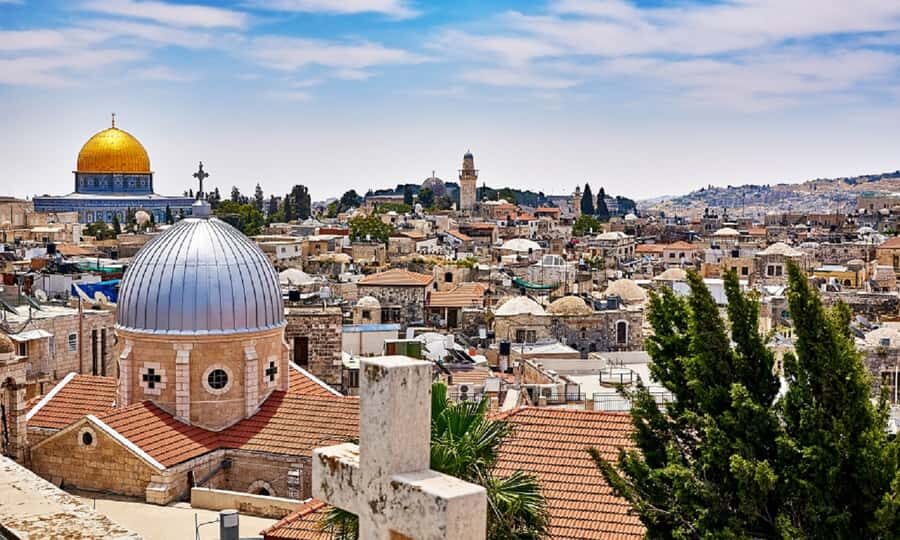
This is a full-day change of scenery that still feels organized. You’re picked up from your hotel and transported by air-conditioned coach, which matters in a city where walking routes can be long and directions can get confusing. Instead of spending your energy trying to figure things out, you get a guided route that strings together the Old City’s key areas and a few meaningful viewpoints outside the walls.
What makes it work is the pacing. You begin with a panoramic orientation, then you enter the Old City on the ground level, and you gradually build from major sacred sites into quieter landscapes. By the time you reach Mount Zion, you’re not just collecting stamps—you’re connecting the places.
And yes, the day is busy. But if you want a high-value first look at Jerusalem’s most important religious landmarks, this format is efficient without feeling like a race.
You can also read our reviews of more city tours in Tel Aviv

Mount Scopus: The View That Helps Everything Else Make Sense
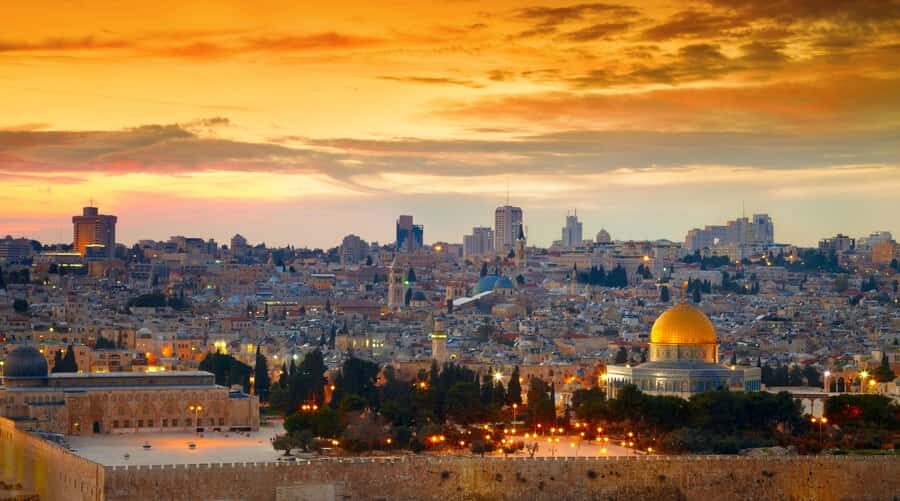
You kick off with a panoramic view from Mount Scopus. Even if you’ve seen Jerusalem photos before, this kind of viewpoint changes how you read the city. It gives you a mental map: where the Old City sits, how the terrain bends, and why people keep coming back to the same hills and valleys.
This first stop isn’t a random scenic break. It’s the foundation for everything after. When you later walk through the Old City quarters—Armenian to Jewish—having that big-picture view makes the streets feel less chaotic. You’ll find yourself getting your bearings faster, and that helps you enjoy the walking.
Also, it’s a great moment to slow down for a minute before the crowds and stone corridors kick in.
Entering Through Zion Gate and Wandering the Armenian Quarter
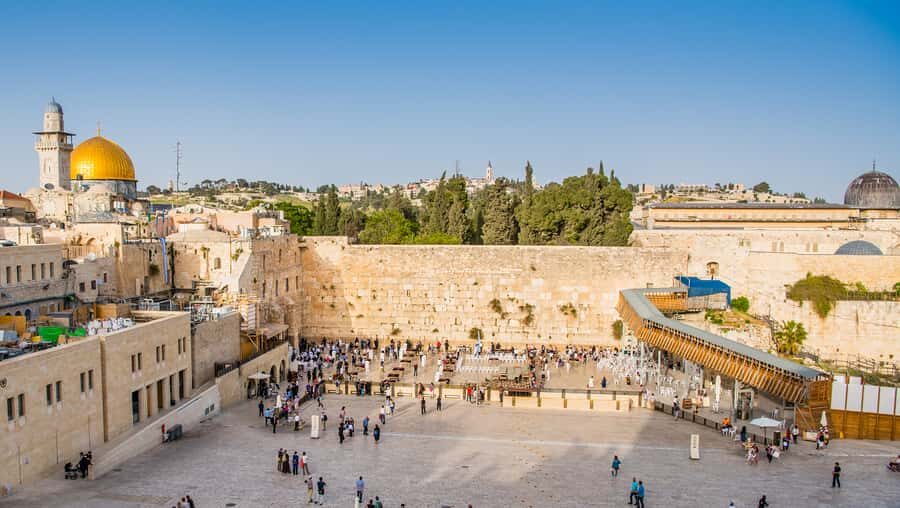
Next, you enter Jerusalem through the historic Zion Gate, stepping into the Old City with that immediate “this place is layered” feeling. The route brings you into the Armenian Quarter first, which is a smart move. It’s a calmer entry point than jumping straight to the most famous sites.
As you walk, you’re not only moving between landmarks—you’re experiencing how the quarters feel. Armenian Church-area streets tend to have a distinctly local texture, with shops and religious life side by side. It’s the kind of atmosphere that helps you understand why the Old City isn’t just a museum.
From here, you flow onward toward the Jewish Quarter and the sites most visitors come to see. But by arriving this way, you get a sense of the neighborhood rhythm before you hit the headlines.
Jewish Quarter Highlights: Western Wall and Byzantine Cardo Remains
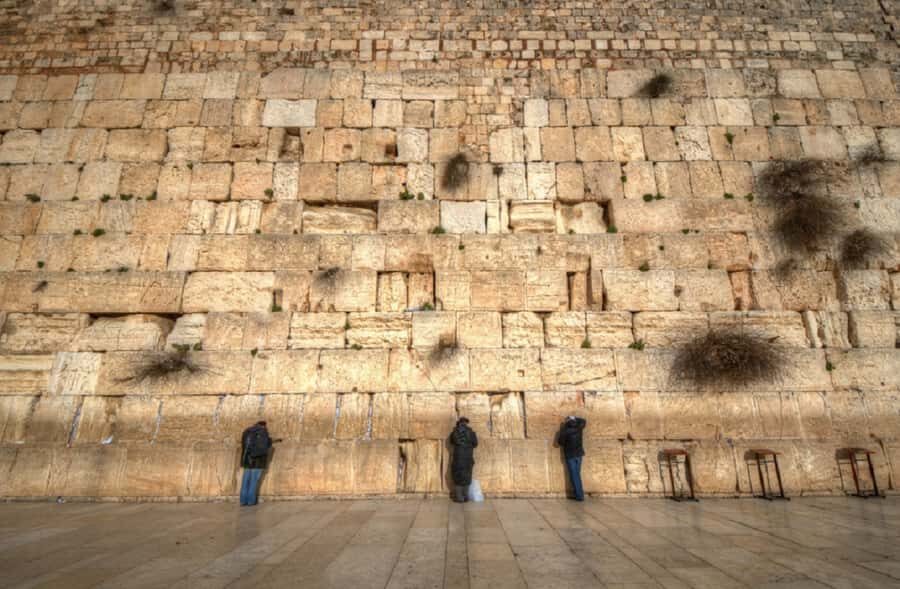
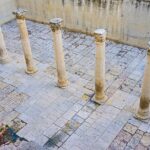
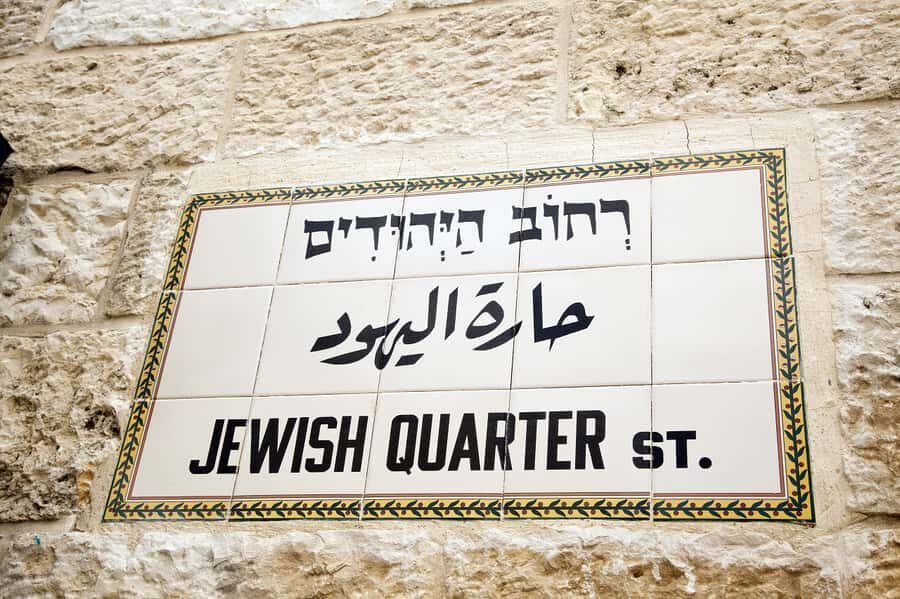
In the Jewish Quarter, the tour focuses on meaning and detail. You’ll see the remains of the Byzantine Cardo, an ancient main street that helps explain how this area functioned long before modern roads and signs.
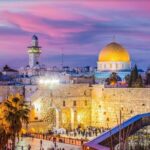
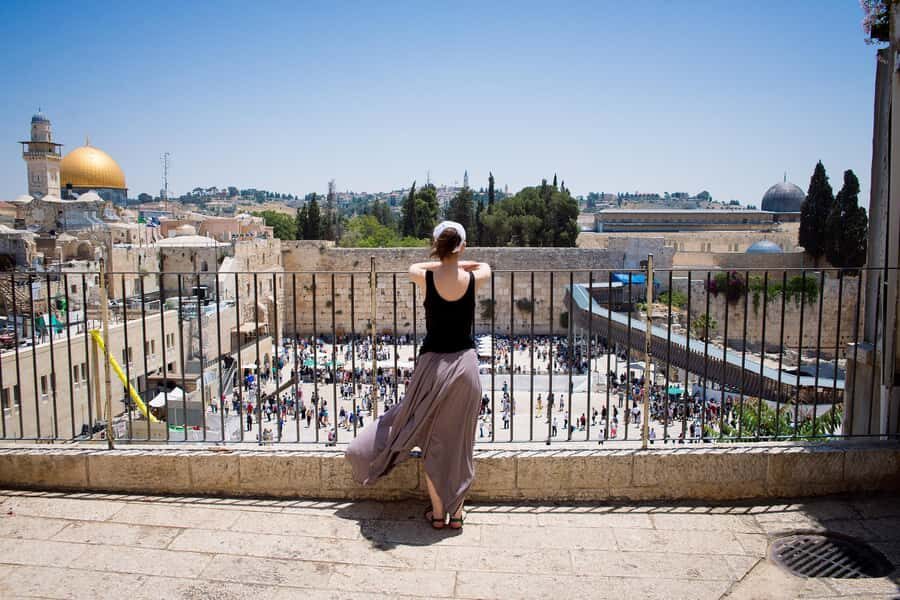
Then comes one of the day’s anchor moments: the Western Wall. The difference between seeing the Wall from a distance and being there in person is huge. You’re close enough to feel the devotional energy and see the rituals without needing to imagine them. Your guide also helps you orient your attention—what you’re looking at, why it matters, and how this section fits into the broader Old City story.
If you’re the type who likes to understand a site rather than just photograph it, this portion is a win. It’s not just a stop. It’s a pause to take it in properly.
Via Dolorosa to the Church of the Holy Sepulchre
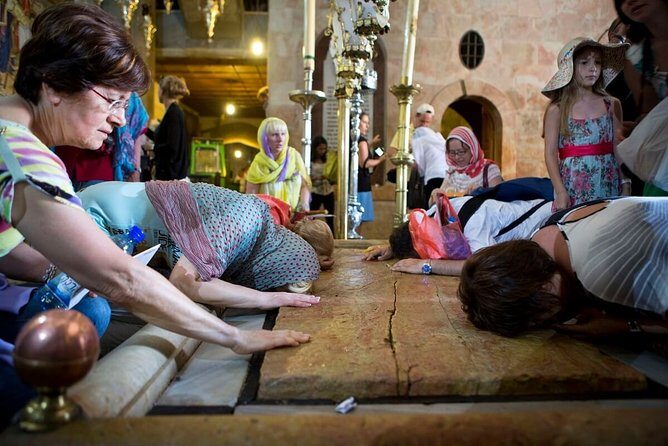
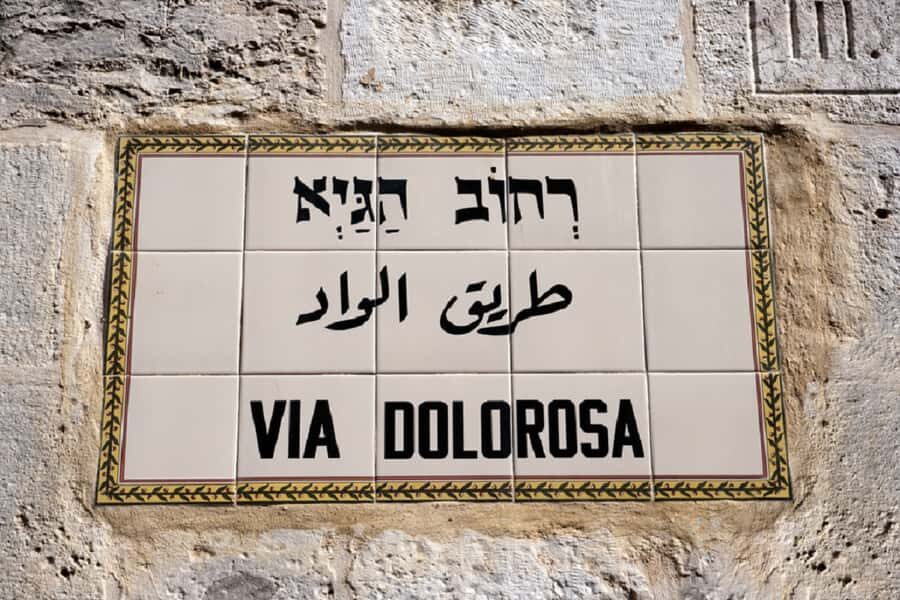
Next, you walk along the Via Dolorosa, following the traditional path associated with Jesus, until you reach the Church of the Holy Sepulchre. This is one of those places where history isn’t abstract. It’s in the stone, the layout, and the fact that people come here for faith, reflection, and remembrance.
The Church of the Holy Sepulchre is famous for a reason, but it can be intense. It’s also centuries deep in religious significance, including the sites linked with crucifixion tradition and Christ’s tomb. Plan your mindset for “reverent and crowded,” especially if you arrive during busier hours.
One practical tip: keep your pace steady. The route is packed with moments where you’ll want to stop, look, and read signs. Try not to spend too much time stuck at the most popular angles. Instead, move in a slow rhythm so you can see more than one view inside.
If you’ve ever wondered why Jerusalem keeps pulling people back, walking this route is one of the clearer answers you’ll get.


Old City Bazaar Time and Why It’s More Than Shopping
After the big church moment, the tour gives you time to wander through the Old City bazaar stalls. This is where the Old City stops being only religious and starts being daily life. You’re surrounded by commerce, crafts, spices, and a steady stream of visitors and locals moving through narrow spaces.
Even if you’re not buying anything, the bazaar break is valuable. It helps you reset after the concentrated intensity of the Holy Sepulchre area. And if you do want to pick up small gifts or snacks later, this is your chance.
Just be practical: wear comfortable walking shoes, and keep your attention on where you’re stepping. Crowded marketplaces can be exciting, but they’re not the place to rush.
Gethsemane and the Church of All Nations: A Calmer Turn
After the Old City energy, you move toward quieter places: the Garden of Gethsemane and the Church of All Nations. This shift is one of the best design choices of the day. You go from dense stone corridors and busy streets into a setting that feels more spacious and reflective.
At this stage, you’re not just hitting famous names. You’re getting a change of atmosphere that makes the earlier stops easier to process. If the morning felt heavy with reverence, this is where you can breathe and regroup.
You’ll also get a view of the Kidron Valley, known for its ancient Jewish tombs. Seeing the valley from this perspective helps you understand the Old City’s surroundings—how the hills and slopes frame the sacred sites.
Mount Zion: Dormition Church, Room of the Last Supper, and King David’s Tomb
Then you head up to Mount Zion, where the tone shifts again. This is another “you’re in the story now” area, especially if you care about sites tied to key parts of Christian tradition.
You’ll see the Dormition Church, and then you’ll visit the Room of the Last Supper and King David’s Tomb. These are big stops, and the guide structure helps you move efficiently between them without losing context.
What I like about adding Mount Zion late in the day is that it’s a natural capstone. By then, you’ve already seen the Old City’s core religious landmarks. Mount Zion connects to other themes from the morning—faith, memory, and the way Jerusalem layers different traditions in close proximity.
Also, if you enjoy “inside access,” this part delivers. Being able to step into key spaces rather than only viewing them from outside changes how well you remember them later.
When Your Tour Replaces Mount Zion With the Holocaust Museum
One important scheduling note: on Mondays and Thursdays, the tour visits the Holocaust Museum instead of the Mount Zion sites and the Church of All Nations stop at the Garden of Gethsemane area. In that case, you won’t visit the King David’s Tomb and the Room of the Last Supper on Mount Zion.
That swap can be meaningful in a different way. It shifts the day from strictly site-to-site religious pilgrimage into a more historical and educational experience tied to the Holocaust. The tour still runs as a full-day circuit, so you’re not losing the structure—just changing the emphasis.
There’s also a child-related note for this Holocaust Museum day: children under 10 are not permitted due to sensitive content. If you’re traveling with younger kids, plan your day accordingly.
Modest Dress and Other Practical Limits That Affect Your Comfort
This tour has clear clothing rules for holy sites. No shorts, no short skirts, and no sleeveless shirts. That’s not just a “nice to have” guideline. It affects whether you can enter spaces smoothly at multiple stops.
So I’d plan your outfit like you’re going to multiple churches and religious sites, not like you’re sightseeing. Bring something that covers knees and shoulders comfortably, and consider a light layer if you’ll be in sun or moving between temperatures.
Also note: the tour is not suitable for wheelchair users, and it’s not for children under 4. If you’re traveling with mobility concerns or very young children, it’s better to choose a different format where accessibility and pacing are more flexible.
Price and Value: Is $94 Worth It From Tel Aviv?
At $94 per person for a 10-hour day, the value comes down to what you’re getting included. This price isn’t just a ticket for transportation. It includes entry fees, a live guide (English, Spanish, or French), plus hotel pickup and drop-off by air-conditioned coach.
That matters because the Old City can be expensive and time-consuming if you try to do it solo. Entry fees add up, and the logistics of getting from one meaningful site to another can eat your day. Here, the structure does the work for you, and it’s hard to beat that if you’re short on time.
Food isn’t included, though. Plan on buying or bringing something you can manage during the day. If you know you’ll want more flexible meal timing, set aside a bit of cash so you’re not stuck deciding under pressure.
Bottom line: if you want a first Jerusalem hit that connects the major sites without forcing you to plan each turn, the price-to-output ratio is strong.
My Booking Checklist Before You Go
If you’re deciding whether this is your right fit, here are the few things I’d check first.
- Can you handle a long day on foot through the Old City’s narrow streets?
- Are you ready for strict modest clothing rules?
- Do you care about both the Old City landmarks and the Mount Zion religious sites?
- If you’re traveling on Monday or Thursday, are you okay with the Holocaust Museum replacement?
If those answers are yes, you’re in good shape.
Should You Book This Jerusalem Old City Highlights Tour?
I’d book it if you want a guided, efficient day that links the big Jerusalem names—Western Wall, Via Dolorosa, Holy Sepulchre, and Mount Zion—into a coherent route. It’s also a smart pick if you like getting context as you walk, because the itinerary isn’t only about photo stops.
I’d think twice if you’re very sensitive to crowds and close-quarters places (the Church of the Holy Sepulchre area can be intense), or if you need wheelchair accessibility. And if you’re traveling with kids, make sure you match your day of the week with the rules around the Holocaust Museum.
If your goal is: see the main Jerusalem sites, understand how they connect, and still have a day that doesn’t feel chaotic—this tour is a strong option.
FAQ
How long is the Jerusalem Old City highlights tour?
It runs for 10 hours.
What are the main stops on the tour?
You visit the Western Wall, the Church of the Holy Sepulchre, and Mount Zion, plus the Room of the Last Supper and King David’s Tomb. You also pass through the Old City quarters and walk along the Via Dolorosa, with additional stops such as the Garden of Gethsemane area depending on the day.
What is included in the price?
The tour includes entry fees, a guide, transport by air-conditioned coach, and hotel pickup and drop-off.
Is food included?
No. Food and drinks are not included.
What languages is the live guide available in?
The live tour guide is available in English, Spanish, and French.
Does the itinerary change on Mondays and Thursdays?
Yes. On Mondays and Thursdays (except during Jewish holidays), the tour visits the Holocaust Museum instead of the Mount Zion sites and the Church of All Nations stop at the Garden of Gethsemane.
What clothing is required for the holy sites?
Modest clothing is required. Shorts, short skirts, and sleeveless shirts are not allowed.
Is the tour suitable for children?
Children under 4 years are not permitted. On days when the Holocaust Museum is included, children under 10 are not permitted due to sensitive content.
Is the tour wheelchair accessible?
No, it is not suitable for wheelchair users.
What is the cancellation policy?
You can cancel up to 24 hours in advance for a full refund.