REVIEW · TEL AVIV
From TLV- Jerusalem Old & New tour INCL. ENTRANCE FEES & P/U
Book on GetYourGuide →Operated by Rent-a-Guide | est.1985 · Bookable on GetYourGuide
Jerusalem in a single day can work, if you know what to expect. This 10-hour guided loop lines up the big-name sights—Ein Karem, the views from Mount of Olives, and the Old City walk to the Holy Sepulchre—with transport included from Tel Aviv.
I like how practical it is: entrance fees are covered and you’re not stuck figuring out logistics. I also like that the route hits multiple cultural zones—Armenian, Jewish, and Christian—so you get a fuller picture of how the city layers its beliefs and stories.
The main thing to watch is the pace. You cover a lot of ground, so some stops can feel like you’re moving at “see it, learn it, go” speed rather than slow wandering.
In This Review
- Key things I’d focus on before you go
- How the 10-hour Tel Aviv–Jerusalem loop actually feels
- Ein Karem: stone lanes and springs to start your day gently
- Mount of Olives: the view that makes the Old City make sense
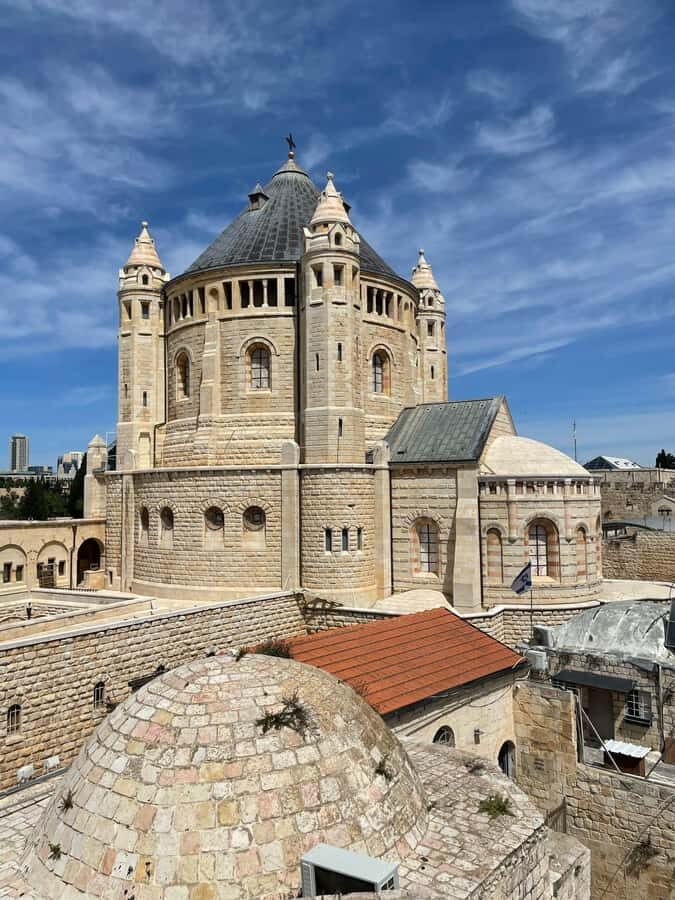
- Mount Zion: King David’s Tomb, the Last Supper site, and Dormition Abbey
- Old City entry: Armenian and Jewish Quarters plus the Cardo
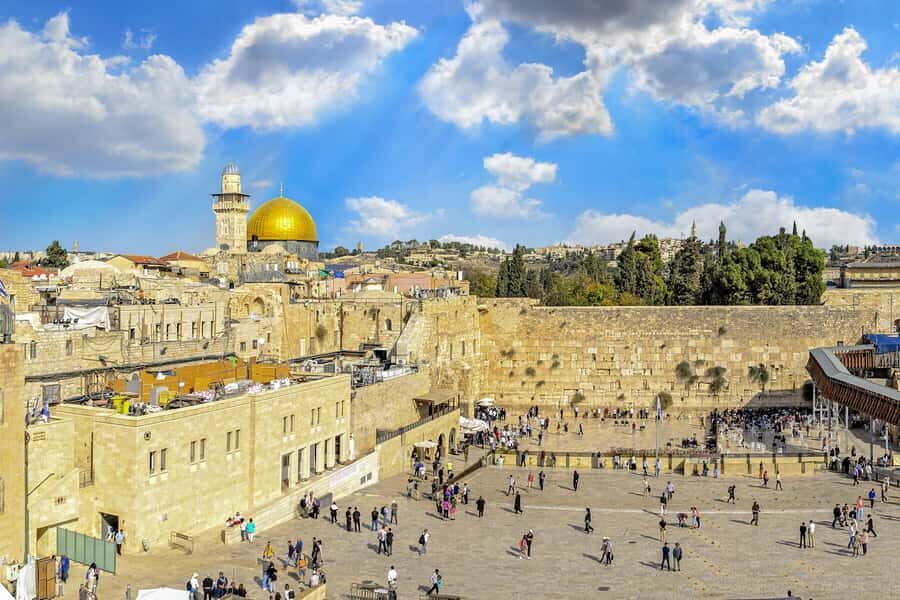
- The Kotel, Via Dolorosa, and the Church of the Holy Sepulchre
- Pace, meals, and the “quick-stop” reality of group tours
- Price and value: what you’re really paying for at $93
- Who this tour suits best
- Should you book this Tel Aviv–Jerusalem day trip?
- FAQ
- How long is the Jerusalem Old & New tour?
- Where does the tour start, and is transportation included?
- Is there a guide, and what language is it in?
- Are entrance fees included?
- Are meals included?
- What dress code is required for holy sites?
- What’s the cancellation policy?
- Can the tour be canceled by the supplier?
Key things I’d focus on before you go
- Ein Karem first: a calmer start before the Old City gets hectic
- Mount of Olives views: great for getting your bearings fast
- Mount Zion sites: Kings David’s Tomb, Room of the Last Supper, and Dormition Abbey in one run
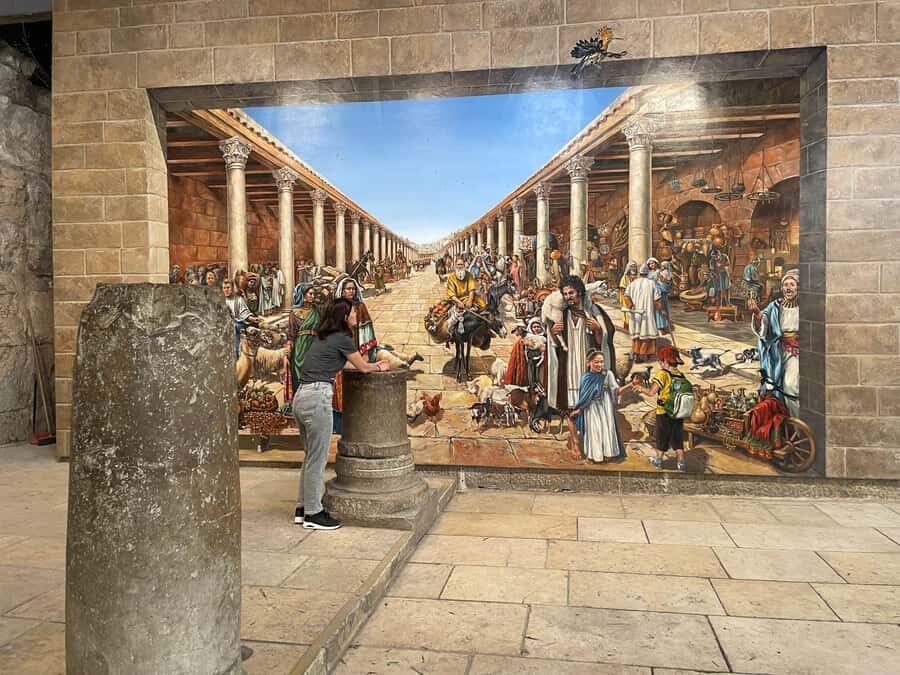
- Cardo walk: the Roman-era street, including a stop at the recently restored section
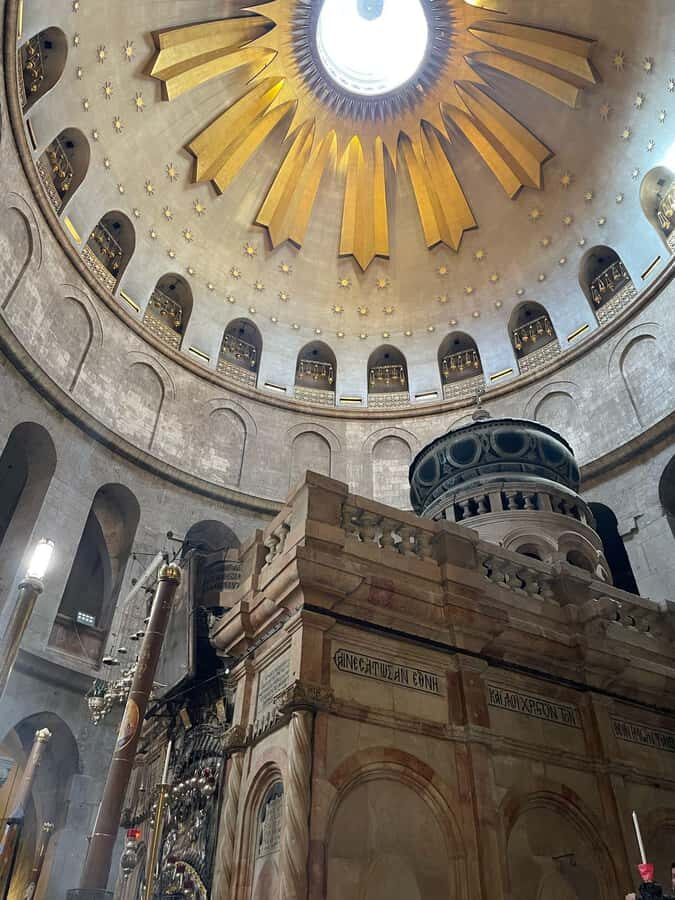
- Holy Sepulchre time: one of the most important churches in the world, with a guided explanation
- No meals included: plan for snack timing and quick decisions
How the 10-hour Tel Aviv–Jerusalem loop actually feels
This is a day tour designed to cover Jerusalem’s highlights without making you plan transfers. You get transportation plus a live English guide, and the itinerary is built around minimizing backtracking. It’s scheduled as a long day—10 hours—so it’s best for people who like structure and are happy to walk.
One practical detail matters here: hotel pickup is only from centrally located hotels. If your hotel isn’t central, you’ll get the address of the closest meeting point instead. That keeps things efficient, but you’ll want to confirm where you’re meeting when the supplier sends the pickup info.
As for walking: expect uneven sidewalks, crowded footpaths in the Old City, and lots of short transitions between major sites. If you’re the type who likes to linger and take photos from the same angle for 30 minutes, you may feel a bit squeezed.
You can also read our reviews of more tours and experiences in Tel Aviv.
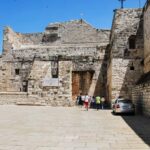

Ein Karem: stone lanes and springs to start your day gently
The tour begins in Ein Karem, known for its stone lanes and a serene hillside feel. Even before the Mount of Olives viewpoint, this stop gives you a different Jerusalem mood—less “monument sprint,” more quiet neighborhood character.
What I like about starting here is timing. You hit the calm before the day fully locks into Old City congestion. You also get the visual rhythm of Jerusalem that maps well onto later stops: stone, slopes, religious sites, and that sense of layers built over centuries.
The practical tip: Ein Karem can be more comfortable for photos than many later spots, but it still involves walking on uneven ground. Wear shoes you can trust for a long day.
Mount of Olives: the view that makes the Old City make sense
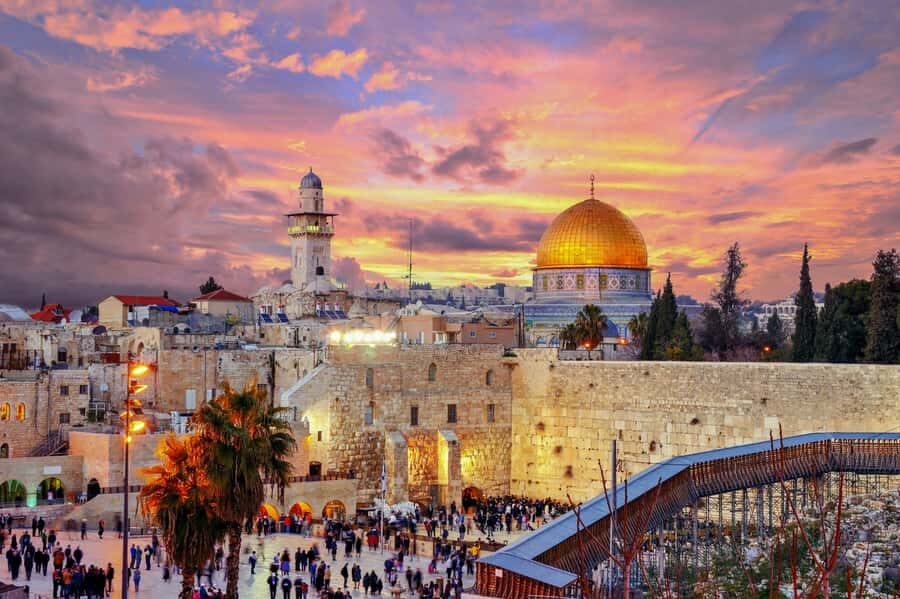
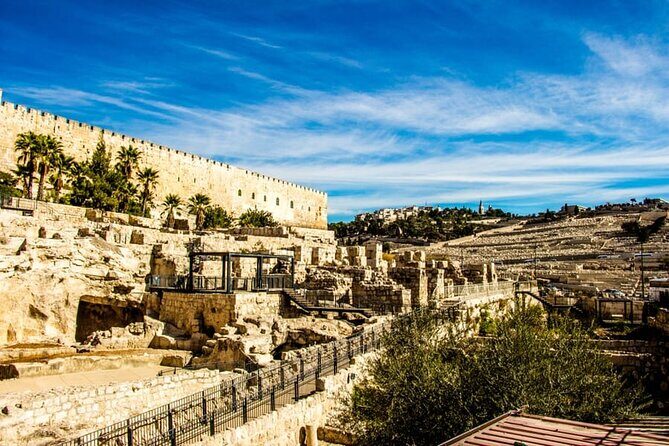
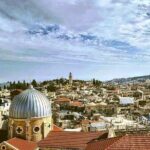
Next comes Mount of Olives, and you’ll stop for a panoramic look over Jerusalem. This is one of those moments where a guide’s context really matters, because the view helps you “place” what you’ll see later in the Old City.
Why this stop is valuable: it turns the day from a list of sites into a navigable map. Even if you’ve read about Jerusalem before, the physical geography can change how you understand the route.
If you’re the kind of traveler who likes to photograph everything, plan for crowds and angle-hunting. It can be busy, and you may get less time than you’d like. Focus on getting a few smart shots and then move on while the group is still flowing.
Mount Zion: King David’s Tomb, the Last Supper site, and Dormition Abbey
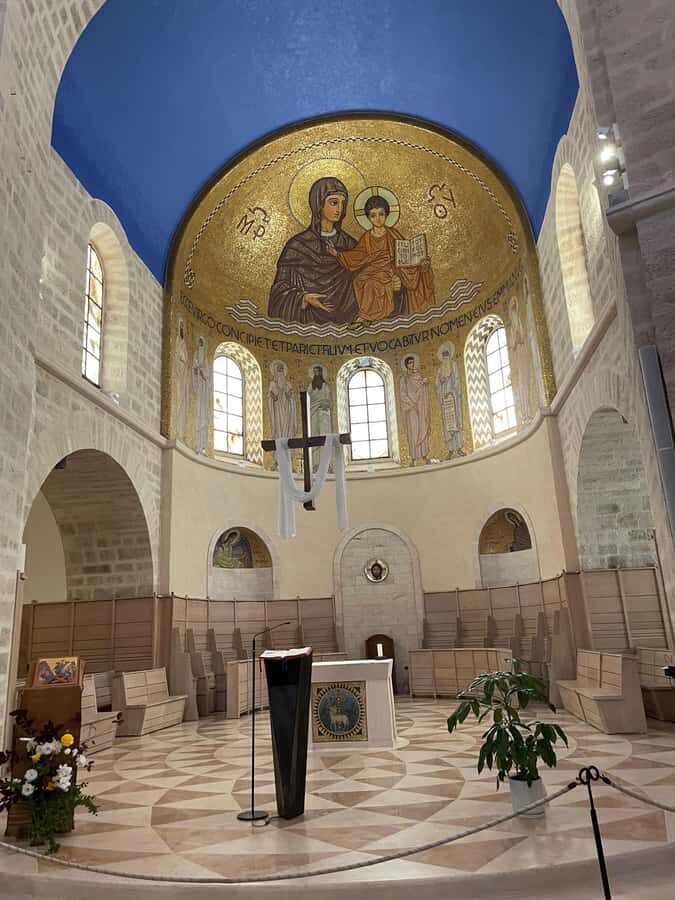
At Mount Zion, the tour focuses on three big touchpoints: Kings David’s Tomb, the Room of the Last Supper, and the Dormition Abbey. Even if you’re not visiting for every single religious tradition, this cluster is powerful because it shows how Jerusalem’s sacred sites often sit within short distances of each other.
Kings David’s Tomb gives you a historical-religious anchor for the day’s story. The Room of the Last Supper adds another layer, tying Jerusalem’s spiritual timeline to places people associate with key moments. Dormition Abbey brings architectural scale into the mix, giving you a sense of how worship spaces are designed to hold prayer and reflection.
What to watch: holy sites require modest dress and a head covering. That isn’t just a “nice to have.” It’s part of getting through the day smoothly.
Also, these stops can involve indoor or semi-indoor areas where you’ll want to move carefully and follow guide instructions. The guide’s timing here is what determines how much time you get for quiet looking versus moving with the group.
Old City entry: Armenian and Jewish Quarters plus the Cardo
Once you’re in the Old City, the tour zooms into the Armenian and Jewish Quarters, then connects the walking story to the Cardo—an ancient Roman road that you’ll see in the recently restored section.
Here’s the value: these areas aren’t just “pretty streets.” They’re living neighborhoods where history is still part of everyday motion. With a good guide, you can understand why the architecture, market lanes, and religious landmarks appear where they do.
The Armenian Quarter stop helps you feel the city’s non-Muslim and non-Jewish heritage in a visible, grounded way—church life, carved stone, and community rhythm. Then the Jewish Quarter takes you toward one of Jerusalem’s emotional centers: the Kotel.
Then comes the Cardo, which is one of the most fascinating “wait, this is Roman” moments of the day. Seeing a restored Roman-era street helps you connect ancient city planning to the later layers that replaced and reused parts of the urban grid. It’s not just a walk; it’s a change in scale.


The Kotel, Via Dolorosa, and the Church of the Holy Sepulchre
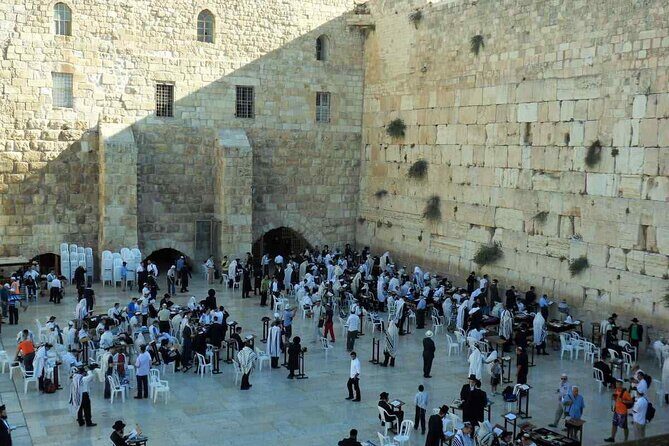
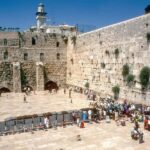
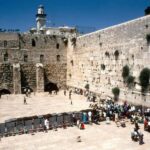
From the Jewish Wailing Wall—also known as the Kotel—the tour continues toward the Christian quarter. Next is the Via Dolorosa, followed by a visit to the Church of the Holy Sepulchre.
This section is emotional and practical at the same time. Emotional because people treat these spots as more than sightseeing. Practical because crowds and religious activity can affect how long you can stand still and watch what’s happening.
What I recommend for this part of the day: keep your expectations realistic. You’ll see major highlights, but you’re not getting a relaxed, all-day experience in each church or street segment. If you want deep study of one site, this tour is better as a broad orientation than as a single-site pilgrimage.
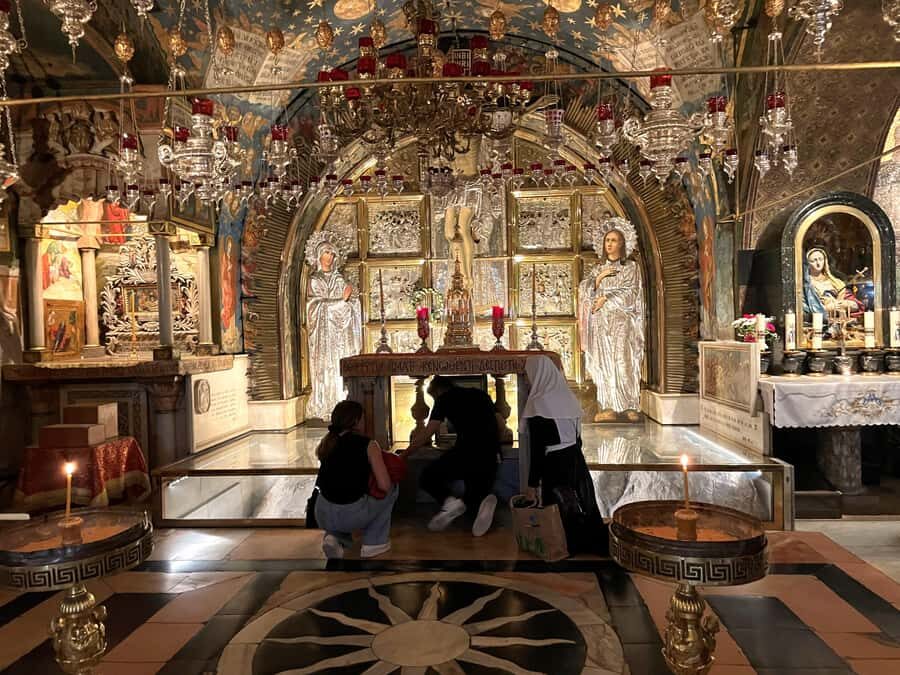
Inside the Church of the Holy Sepulchre, the guide’s explanation tends to matter most. Even if you’ve heard the name before, a guided walkthrough helps you track the significance of what you’re looking at. Then you’re back on your feet for the remaining walking and the return.
Pace, meals, and the “quick-stop” reality of group tours
This is where you should calibrate expectations. The tour includes a lot of moving parts for a single day, and some travelers find that the Old City segments can feel rushed. You may get limited time to buy snacks or take a detour, especially if the group is trying to keep the schedule.
Meals are the key missing piece: no meals are included. One consequence is that you’ll need to handle food planning yourself. If you know you get hungry fast, bring a snack from your starting area in Tel Aviv or buy something early in the day. Don’t wait until you’re inside the densest traffic, because timing can turn into a scramble.
There can also be a shop stop as part of the experience. Some travelers have flagged that certain stops may run pricey compared with what’s around the next corner, so I’d treat any sales stop as optional browsing rather than a requirement. If you want gifts or religious items, check prices and look around before committing.
The bottom line: this tour works best if you’re flexible. If your ideal day is slow, quiet, and unhurried, you might prefer a half-day option focused only on the Old City.
Price and value: what you’re really paying for at $93
At $93 per person, the value comes from three things working together: transportation, a live guide, and entrance fees. Jerusalem’s major sights often require entry fees and structured access, and those costs can add up quickly if you build everything yourself.
This tour also saves you decision fatigue. Instead of juggling ticket lines and figuring out the best order of neighborhoods, you’re given a route that already makes sense geographically: Ein Karem → Mount of Olives → Mount Zion → Old City.
Where the value can drop: meals aren’t included. That means your real out-of-pocket cost might be higher depending on how you handle lunch and snacks. The good news is that no-meal tours can be easier to tailor—grab a simple meal you like, not one that fits a group schedule.
If you want to make the math work, plan your food budget and carry some cash or card for small purchases. Dress code needs can also affect what you bring, so plan clothing ahead to avoid last-minute stress.
Who this tour suits best
This Jerusalem highlights day tour is a strong fit if you:
- Want an organized route that hits the most important sites in one day
- Prefer an English guide to connect the dots between neighborhoods
- Like views and quick orientation stops, especially from Mount of Olives
- Don’t want to manage entrances and transportation yourself
It’s less ideal if you:
- Want one place to be your whole focus
- Need frequent long breaks
- Get uncomfortable with crowds and fast movement
- Have a hard time with modest dress requirements (since head covering is required)
In short, it’s built for travelers who want momentum and context, not for those who want a slow, solitary “wander until your feet hurt” day.
Should you book this Tel Aviv–Jerusalem day trip?
I’d book it if your goal is to leave Jerusalem feeling oriented, informed, and impressed by scale. The combination of viewpoints, Mount Zion stops, Old City quarters, the Cardo, and the Church of the Holy Sepulchre is exactly the kind of “greatest hits with a guide” format that helps first-timers.
I’d think twice if you’re sensitive to pace. This is a full-day walk-and-listen plan, and there’s no meal included, so you’ll want to bring snacks and keep your food flexible.
If you book, do two things that make the day smoother: wear comfortable shoes and plan your modest outfit with a head covering. Then you’ll get the best version of this itinerary—lots of Jerusalem, with a guide to keep it meaningful.
FAQ
How long is the Jerusalem Old & New tour?
The duration is 10 hours.
Where does the tour start, and is transportation included?
Transportation is included, and pickup is provided from centrally located hotels only. If your hotel is not central, you’ll be directed to the closest meeting point.
Is there a guide, and what language is it in?
Yes, the tour includes a live guide, and it’s offered in English.
Are entrance fees included?
Entrance fees are included.
Are meals included?
No, meals are not included.
What dress code is required for holy sites?
You need modest dress (no shorts or sleeveless shirts), and a head covering is required to visit holy sites.
What’s the cancellation policy?
You can cancel up to 24 hours in advance for a full refund.
Can the tour be canceled by the supplier?
Yes. The tour might be canceled up to 2 days in advance if the minimum number is not reached.