REVIEW · ASHDOD
Ashdod Port Shore Excursion: Jerusalem and Bethlehem Day Tour from Ashdod Port
Book on Viator →Operated by Bein Harim Ltd · Bookable on Viator
Jerusalem in a single port day can work. This Ashdod shore excursion bundles Old City highlights and Bethlehem into one guided route, using door-to-door A/C transport timed around your cruise schedule. I especially like how the day starts with a big-picture view from Mount Scopus before you get swallowed by Jerusalem’s lanes, and I like the guided flow through the Jewish Quarter, the Western Wall area, and key Christian sites. One drawback to plan for: it’s a lot of walking and there can be a time crunch, so it’s not a great match if you struggle with mobility or long stair-and-stone stretches.
You’ll get a real sense of how layered this place is, moving between quarters and worship sites in a single day while your guide stitches the story together as you go. This isn’t a slow museum day—expect long stretches on foot inside the Old City, plus crowd limits that can affect how long you spend at certain holy spots.
In This Review
- Key Things to Know Before You Go
- Price and Logistics (and Whether It Feels Like a Deal)
- From Ashdod Port to Mount Scopus: Getting the Big Picture
- The Jewish Quarter, Cardo, and the Western Wall Area
- Holy Sepulchre and Via Dolorosa: Where the Streets Feel Like the Script
- Christian Quarter Time and the Big Old City Walk
- Bethlehem’s Church of the Nativity: The Crowd Factor Is Real
- How Rushed Is It? The Walking Reality Inside One Cruise Day
- What You’ll Miss (and How to Compensate)
- Best Fit: Who This Tour Works For
- Should You Book the Ashdod Jerusalem and Bethlehem Shore Excursion?
Key Things to Know Before You Go
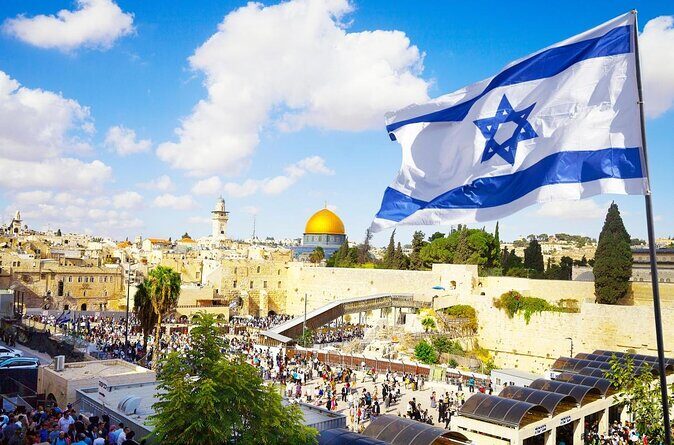
- Mount Scopus first: You get orientation before you enter the Old City maze.
- A/C, cruise-timed day: Pickup and drop-off are built around your ship’s arrival and departure window.
- Old City on foot through multiple quarters: Jewish Quarter, Christian Quarter, and major sacred landmarks.
- Western Wall and excavations area stop: You’re not just looking from the outside—you walk through the vicinity.
- Bethlehem Nativity Church may be crowd-limited: Access to the Holy Grotto can depend on visitor volume.
- Big day, big walking: Not suitable for mobility issues, and some parts can feel rushed if you prefer breathing room.
Price and Logistics (and Whether It Feels Like a Deal)
At $120 per person for roughly 9 hours, this tour sits in the mid-range for an out-of-port day that includes guided walking time, transportation, and covered site fees. The value angle is that you’re not only getting transit—you’re getting context. In Jerusalem and Bethlehem, those two things matter. A self-guided plan can work, but it’s easy to miss how all the sites connect when you’re trying to read signs, find entrances, and manage your timing while cruise passengers are moving in waves.
The other value detail: the day is built to match cruise reality. Your schedule is adjusted based on your cruise arrival and departure, and transfers are handled by a dedicated vehicle rather than a DIY scramble. You also get a mobile ticket, which helps if port operations run tight.
The main logistics consideration is that port days can be chaotic. A few past guests flagged pickup-location confusion and delays. So my advice is simple: show up early, confirm the exact pickup point before you leave the terminal area, and stay alert for the group’s assembly moment. If you’re the type who likes a laid-back start, you’ll want to “arrive ready,” not “arrive hopeful.”
A few more Ashdod tours and experiences worth a look


From Ashdod Port to Mount Scopus: Getting the Big Picture
The day begins at the Port of Ashdod around 8:00 am, with pickup and drop-off offered at the cruise port. From there, the ride is comfortable and practical thanks to air-conditioned transport—very welcome on warm days, and useful even if you’re mostly going to be outside later.
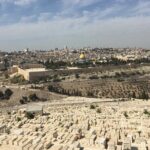
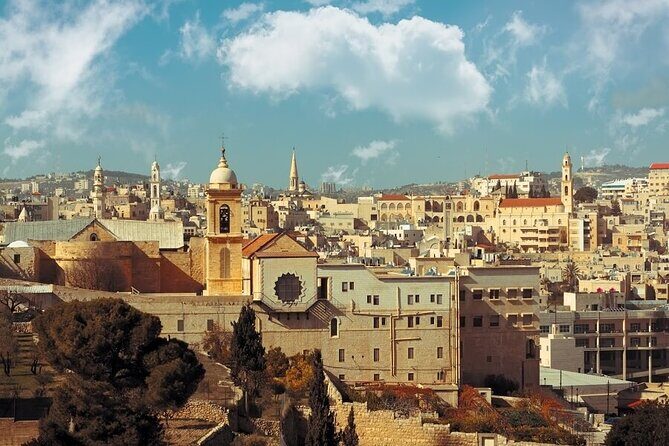
Mount Scopus is the setup stop. You get about 20 minutes for an overview before you head into Jerusalem’s Old City area on foot. This viewpoint time is more than a photo break. It helps you understand the geography enough to make sense of why certain holy sites are where they are, and it helps you mentally map what you’ll see later when the streets narrow and the quarters change character.
If you’re prone to sensory overload, Mount Scopus is your reset button. Even if you’ve read about Jerusalem before, seeing the layout helps you track the day instead of just walking from one point to the next.
The Jewish Quarter, Cardo, and the Western Wall Area
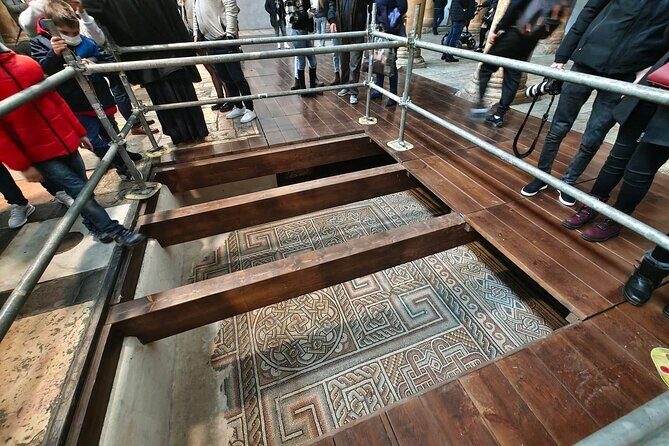
Once you’re inside the Old City zone, the tour leans into walking and orientation. You enter on foot through massive 16th-century walls, then move through key sections that make Jerusalem feel like a living patchwork of eras.
You’ll pass through the Cardo, the Byzantine column-lined street in the Jewish Quarter area, then spend time in the Jewish Quarter itself. These are short stops (around 20 minutes each), but they matter because they’re the spine of the Old City feel. The Cardo isn’t just architecture—it’s a reminder that these streets were built for movement and commerce long before modern tourism existed.
Then comes the Western Wall area. You’ll walk toward it and also pass the Western Wall excavations as part of the route. Plan for a few things here: crowding, constant foot traffic, and the fact that emotions are strong for many visitors. If you’re sensitive to tight spaces, give yourself a second to breathe as you regroup with the group after each shift in direction.
The time structure is important. You’re not lingering for hours at every stop, so it helps to decide what you want most: quick landmark recognition with context, or deep time in one place. This tour is clearly the first option.
Holy Sepulchre and Via Dolorosa: Where the Streets Feel Like the Script
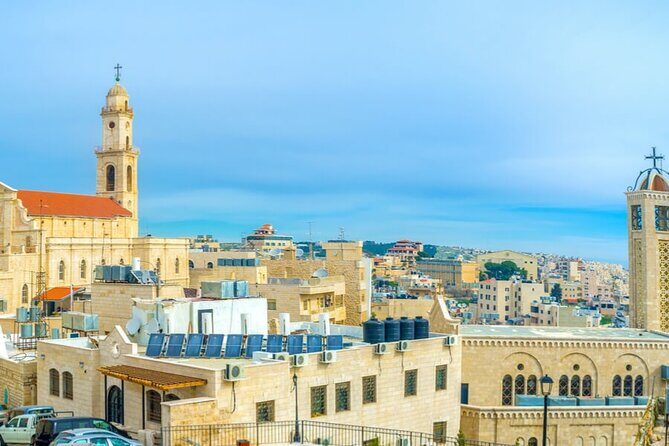
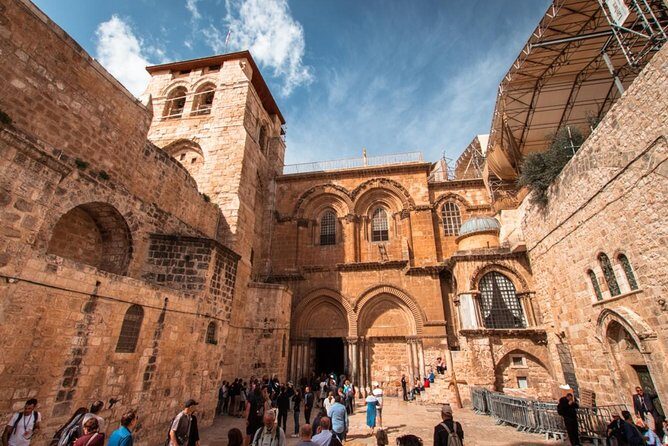
The Church of the Holy Sepulchre stop is about 30 minutes. In practice, that time can feel short because inside that kind of holy site you’re moving through chokepoints, people are stopping frequently, and entry flows aren’t always under your control. Still, it’s a major stop, and it gives you the anchor most people come for when they’re tracing the story of crucifixion and burial sites.
Next is a section of the Via Dolorosa (the Way of the Cross). The tour includes a walking segment along this route, about 30 minutes. This is where the Old City stops feeling like sightseeing and starts feeling like a pilgrimage corridor. Even if you’re not religious, it’s hard not to feel the weight of the space—because the streets are narrow and the route is old enough that “just passing through” doesn’t really happen.
One consideration: if you dislike crowds or you get frustrated when your pace changes without warning, this part of the day can feel like it moves too fast. The upside is that you’re seeing the route in motion, not from behind glass.
Christian Quarter Time and the Big Old City Walk
After the Via Dolorosa segment, you’ll visit the Christian Quarter area (around 30 minutes), and then you’ll spend about 2 hours in the broader Old City area. That longer block is key because it’s the time where the “quarter-to-quarter” feeling becomes real. You’ll likely pass through or near different streets and small landmarks as the guide keeps everyone moving.
This is also where the tour’s strengths and pressure points show up. The strength is that your guide can keep you oriented, explaining what you’re seeing as you go. The pressure point is that you don’t get the freedom of wandering. If you want long, independent breaks—especially if you’re trying to shop, photograph, or duck into side streets—you may feel time limits.
Some people also reported stops at souvenir or religious-item shops during the day. That can be useful if you want a bathroom stop or a quick structured break, but it can also feel like distraction if you only want sights. My practical advice: treat any shop stop as optional in your expectations. You don’t need to buy. And if you do want something, compare calmly and set a budget before you’re standing under sales pressure.
Bethlehem’s Church of the Nativity: The Crowd Factor Is Real
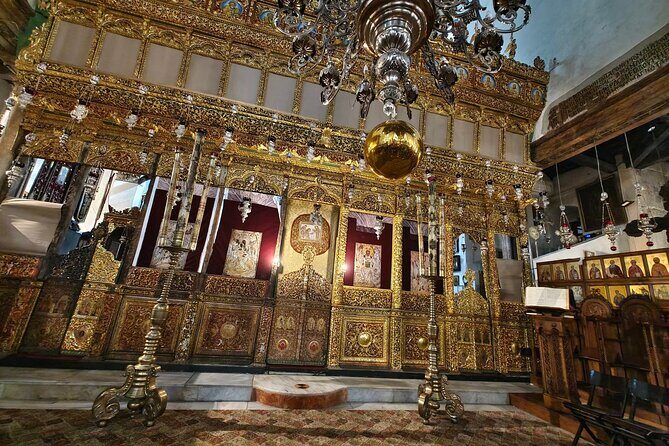
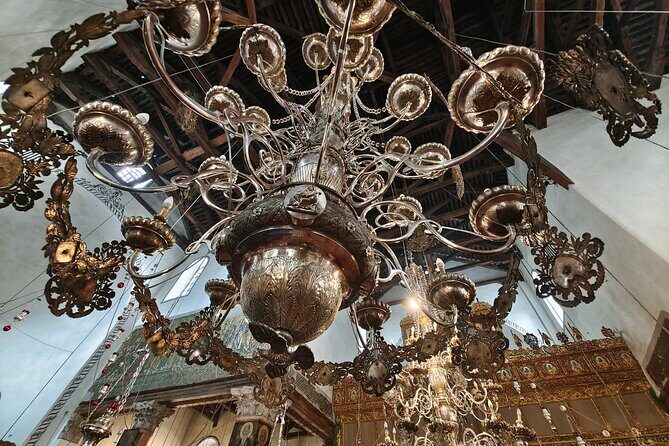
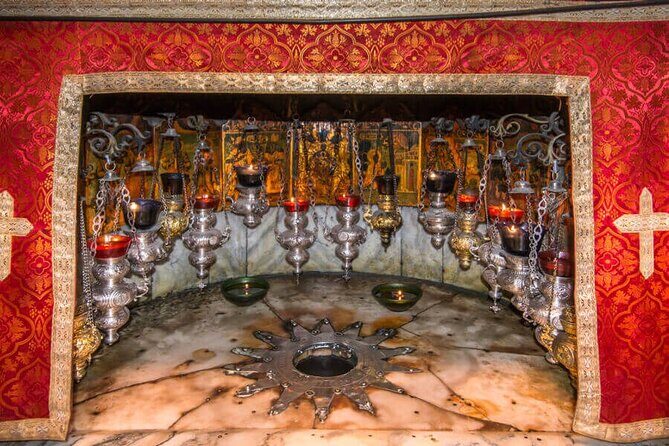
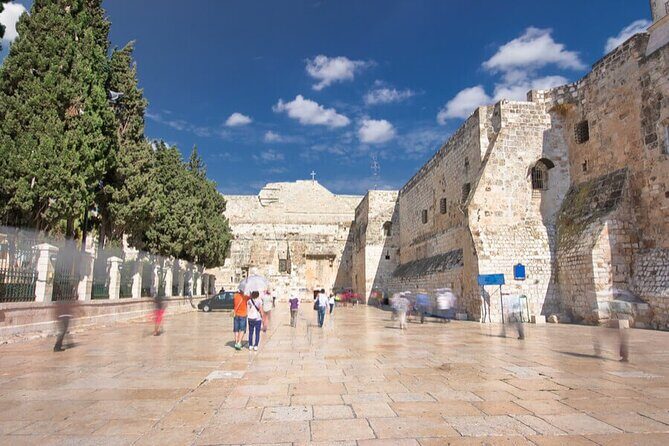
The day continues to Bethlehem for about 1 hour at the Church of the Nativity, including time to see the Holy Grotto area where the nativity took place. Here’s the reality check: the Holy Grotto can get extremely crowded, and the visit there isn’t always guaranteed. The tour notes that occasionally there are too many visitors, and that can mean you may not be able to see everything you hoped for in that specific spot.
Even with crowd limits, the Church of the Nativity stop is one of the most meaningful moments on the whole day. It’s a site that many people experience less like a monument and more like a “place you stand inside the story.”
A second practical consideration: entry to Bethlehem can sometimes be adjusted due to security activity. That doesn’t mean the day is doomed, but it does mean you should expect that final access can be affected by circumstances outside your control. If Bethlehem is a top priority for you, it’s worth keeping your expectations flexible.
How Rushed Is It? The Walking Reality Inside One Cruise Day
This tour is built to cover a lot: Mount Scopus overview, multiple Old City quarters and landmark areas, Holy Sepulchre, Via Dolorosa walking, then Bethlehem. On paper, the stops look timed (often 20–30 minutes), and the Old City has a longer block. In the real world, that means you should expect a pace that favors getting to the next site over lingering.
That pace shows up as:
- Short photo windows inside busy areas
- Frequent regrouping after side streets or entrances
- A “keep moving” rhythm, especially on Old City routes
If you love efficient, guided sightseeing and you’re okay with short stretches, you’ll likely find it satisfying. If you prefer slow travel—one church, one quarter, one deep coffee break—this might feel like you’re always racing the clock.
This also explains why the tour isn’t suitable for people with mobility issues. Even if you can walk, you’re dealing with uneven ground, stairs, and density in the Old City. Comfortable shoes are not a suggestion here—they’re the difference between enjoying the day and counting blisters.
What You’ll Miss (and How to Compensate)
A single-day Jerusalem and Bethlehem day tour can’t cover everything. You’re getting major anchors, not a complete survey. You’re likely to miss smaller side streets and slower neighborhood wandering that you’d enjoy if you were staying overnight.
The good news is that your guide time is spent where it counts: orientation at Mount Scopus, structured walking through key Old City sections, and a Bethlehem holy-site stop with crowd caveats. To compensate for what you won’t have, you can do two things before and after the tour:
- Do a quick reading pass before you go, so the names and places already mean something when your guide points them out.
- Plan one post-tour activity back in Israel that’s flexible—so your day doesn’t end on a sour note if certain holy areas are crowd-limited.
Also, lunch is not included. That matters because a 9-hour day with guided walking means you’ll want to plan your food timing. If you tend to get cranky when you’re hungry, bring a snack mindset. At minimum, budget for whatever meal situation fits your schedule that day.
Best Fit: Who This Tour Works For
This works best for you if:
- You want a guided “greatest hits” day without the hassle of DIY transport
- You like Old City walking and can handle crowds
- You value context and routing over free roaming
- You’re traveling from Ashdod and want a port-day plan that gets you back on time
It’s less ideal if:
- You need step-free routes or have mobility limitations
- You hate time pressure or you get anxious when pickup instructions feel vague
- You want long stops at a single site rather than many major landmarks in one day
A final note from experience-style logic: you’ll have a better day if you move with the group, keep track of the meeting points your guide uses, and treat the tour like a coordinated walking circuit.
Should You Book the Ashdod Jerusalem and Bethlehem Shore Excursion?
Yes, if you’re trying to maximize a port day and you like guided structure. The combination of air-conditioned transfers, a clear route through multiple Old City quarters, and the Bethlehem Church of the Nativity stop is a strong use of limited time—especially when you’re starting from Ashdod instead of figuring out separate transit.
Book with eyes open. Expect a walking-heavy day, possible crowd limitations at the Holy Grotto, and the general reality that this kind of shore excursion depends on conditions beyond your control.
If you’re the type who wants total freedom, long breaks, and slow pacing, you might prefer a different plan. But if your goal is to see the big landmarks, get real explanations as you go, and still be ready for your cruise schedule, this is a solid pick.