REVIEW · TEL AVIV
The Golan heights
Book on Viator →Operated by Hands on Israel · Bookable on Viator
The Golan Heights feels like a living crossroads of faith and geology, starting with a real big-view viewpoint. In a single day from Tel Aviv, you’ll get the dramatic stop at Mount Bental, then move through the volcanic-rock world of Qatsrin, and finish with Safed’s spiritual vibe and Rosh Pina’s art-gallery scene.
I especially liked two things: the calm but powerful visit to the Katsrin Talmudic village and its reconstructed synagogue, and the way Safed’s synagogues tie into the area’s reputation as a Kabbalah birthplace. A good guide helps it land, not just in facts, but in how you walk through the places.
The main consideration is simple: it’s a long, packed day (about 6 to 8 hours) with hotel pickup and no food or drinks included, so plan for snacks and water.
In This Review
- Key takeaways before you go
- Mt. Bental first: the short drive that sets the mood
- Qatsrin (Katsrin) Talmudic Village: volcanic stones and a rebuilt synagogue
- Safed: Kabbalah roots, then synagogues that guide the rhythm
- Rosh Pina: art galleries and a softer landing
- How the private format works with your day clock
- Price and value: what $1,600 buys (and when it’s a good deal)
- What’s included, what’s not, and how to pack smart
- Security reality check: plan for a border-region mindset
- Who this tour fits best
- Should you book the Golan Heights private tour?
- FAQ
- What city does this tour operate from?
- What time does the tour start?
- How long is the Golan Heights private tour?
- How much does the tour cost?
- Is this tour private or shared?
- What transportation is included?
- Are admission tickets included?
- Are food and drinks included?
- Will I get a mobile ticket?
- Is free cancellation available?
Key takeaways before you go
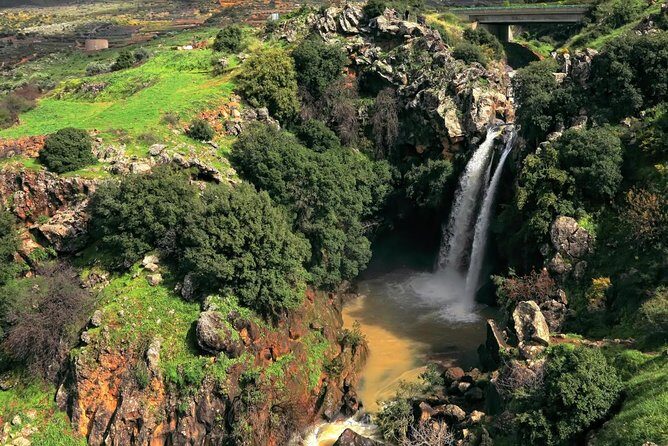
- Mount Bental’s Syria-view viewpoint: a short stop with a big sense of place and scale
- Qatsrin’s volcanic-stone setting: the village itself is part of the story, not just a backdrop
- Safed’s synagogue focus: the day is structured around Jewish mysticism and the Kabbalah tradition
- Rosh Pina art galleries at the end: a gentler, more aesthetic finish after heavier history
- Private setup for real pacing: you can move through the day without waiting on other groups
- Bring your own fuel: food and drinks aren’t included, so don’t get caught hungry
Mt. Bental first: the short drive that sets the mood
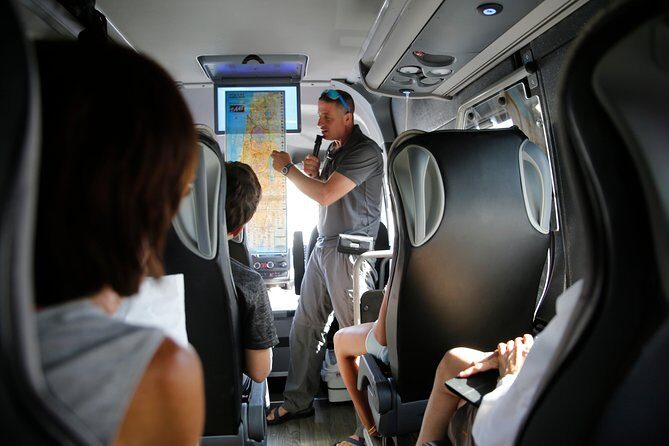
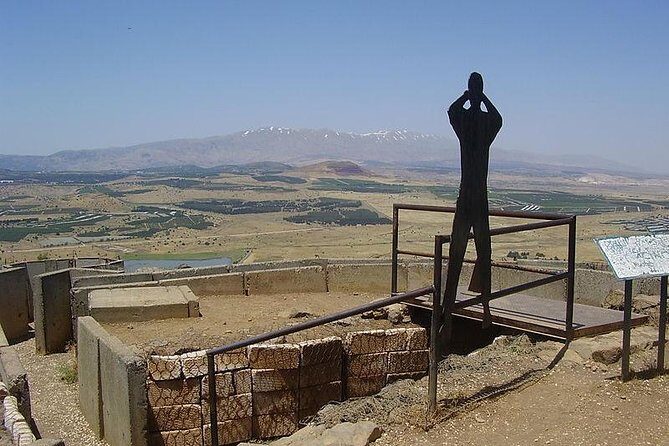
Most of the day works because you start with Mount Bental, a stop that’s all about distance and context. You head up to a viewpoint described as a sleeping volcano, where you can look out toward Syria and get a sense of why this region matters. It’s only about 30 minutes, but that short window is useful: it gives you bearings before you start walking through villages and synagogues.
There’s also a practical side. The drive and the viewpoint help you understand the geography behind what you’ll hear later. If you’re the type who likes to connect the dots, this first stop is a strong move. It’s the easiest part to photograph, too, since you’re looking outward rather than searching for details.
One small advice: bring a layer. Even when the rest of the day feels mild, a mountaintop can feel cooler, and you’ll be standing around long enough to notice.
You can also read our reviews of more tours and experiences in Tel Aviv.

Qatsrin (Katsrin) Talmudic Village: volcanic stones and a rebuilt synagogue
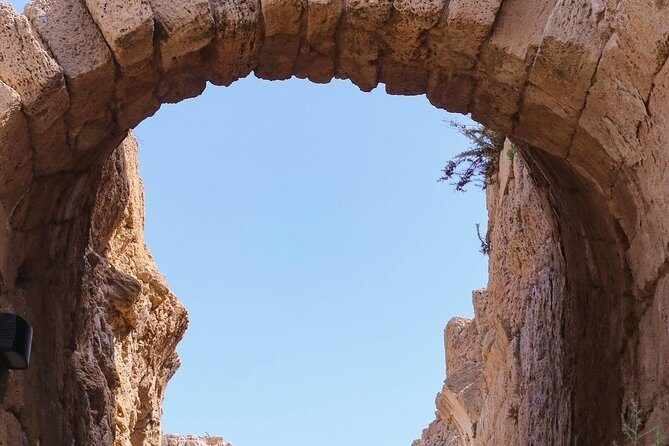
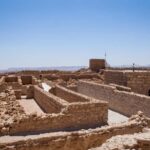
Then you roll into Qatsrin, visiting the Katsrin Talmudic village, made from volcanic rock in the center of the Golan. This is one of those stops where the setting matters almost as much as the buildings. You’re not just looking at a religious site; you’re stepping into a physical style of architecture that matches the region’s geology.
You’ll spend about two hours here, including time at its magnificent reconstructed synagogue. That reconstruction angle is important. It shifts the visit from archaeology-only to something more human: a place you can imagine how people used to move through the space. Even if you’re not deep into the period itself, you’ll likely appreciate how the site helps you see the “why” behind the tradition you’ll hear about later.
Drawback to note: it’s a village visit with walking time. If you have mobility limits or you’re sensitive to uneven ground, you’ll want to pace yourself and ask your guide to adjust the route to what feels comfortable.
Safed: Kabbalah roots, then synagogues that guide the rhythm
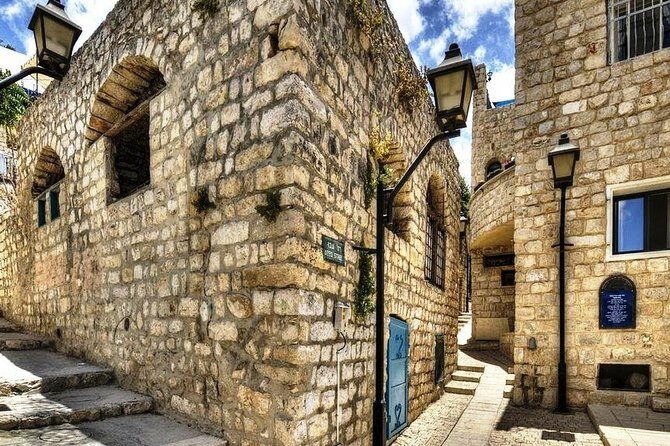
Next comes Safed, and the tour holds focus here: you head straight to the spiritual center tied to Jewish mysticism and Kabbalah. Safed is more than a single stop. You’ll get about two hours to explore, and the plan is built around visiting synagogues you can’t really skip if you want the full Safed feel.
This is the part of the day that tends to click for people who enjoy atmosphere—places where the architecture, the history of belief, and the stories behind them all reinforce each other. Safed’s reputation as a birthplace for Kabbalah isn’t treated like a slogan here. Your guide’s job is to connect what you see with what people associate with the town.
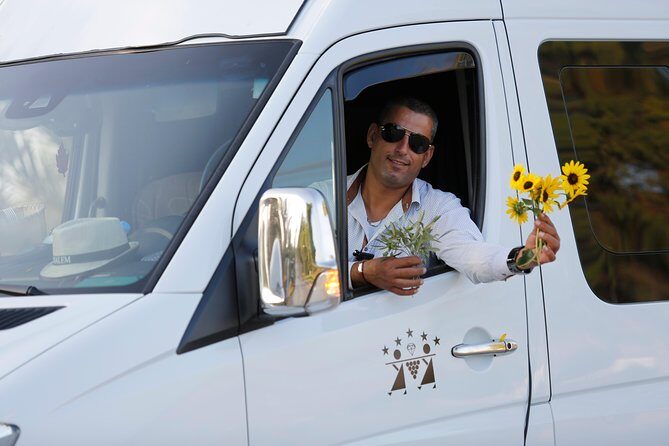
If you want proof that the guide makes the difference, look for a guide like Maayan, who’s described as a botanist and historian. That combo can make the region feel grounded: not just sacred texts, but the physical world around them. For families, there’s also a track record of guides like Shachar tailoring the day for kids so it doesn’t turn into a lecture marathon. And if you want energy and storytelling, Meni Tzabari has a name attached to tours in this region that sound fun and engaging.
You won’t run out of things to see, but you should pace your own attention. Safed can feel “dense” in meaning. I like taking short breaks—just sitting for a minute and letting the details settle—before moving to the next synagogue.
Rosh Pina: art galleries and a softer landing
After the heavier spiritual stops, the day wraps up in Rosh Pina, exploring the beautiful buildings and scenery and spending time in its art galleries. This is a smart finish. By the time you arrive, you’ve already gotten the geology-and-faith story. Now you get something lighter, visual, and more leisurely.
Even if you don’t plan to buy art (many people don’t), the galleries and town feel like a change of pace. You get time to slow down, take photos that look like a postcard instead of a fortification, and wander without the day’s strict “must-see” intensity.
If you’re shopping-minded, you may want to budget time for souvenir photos too—photo services are available to purchase, but they’re not included. If you’re not interested in buying anything, you can still treat the gallery time as a way to get your eyes refreshed before heading back.
How the private format works with your day clock
This is a private tour, meaning it’s just you and your group (up to five people). That matters more than it sounds, especially on a day that includes multiple stops and varied pacing. You’re not stuck waiting for strangers to finish photos at a viewpoint or argue about the next church or synagogue. Your guide can adjust the order and timing inside the day’s structure.
You also get hotel pickup and drop-off, plus round-trip private transfer from Tel Aviv. The day starts at 8:00 am and runs about 6 to 8 hours. In plain terms: wear comfortable shoes and be ready for an early start.
One extra practical note: you’ll receive a mobile ticket, which cuts down on print-paper hassle. And the meeting point is described as near public transportation, which can be useful if something goes wrong with pickup.

Price and value: what $1,600 buys (and when it’s a good deal)
The price is $1,600 per group, up to five passengers. At full group capacity, that works out to about $320 per person. If you’re traveling as a pair or solo, it can feel steep, because you’re effectively paying for the whole vehicle and guide time.
So what are you really buying for that cost?
- You’re paying for round-trip private transfers from your hotel area
- You get a local driver/guide who can steer the day so it makes sense, not just “stop by stop” logistics
- You visit four distinct stops with free admission listed for the timed segments (Mount Bental, Qatsrin, and Safed)
For a group of friends or a family of four or five, this is where it can become strong value: the cost spreads out, and you get a private day rather than squeezing into a larger schedule. If you’re traveling solo and want the same structure, you may want to compare it against any shared tours you find. With private, you’ll likely get more flexibility and fewer compromises.
What’s included, what’s not, and how to pack smart
Included in your experience:
- Private tour
- Local driver and guide
- Hotel pick up and drop off
- Round-trip private transfer
Not included:
- Food and drinks
- Souvenir photos (available to purchase)
That “no food or drinks” line is the one item I’d plan around. You’ll be gone most of the day, with stops that take time to enjoy. If you’d rather not hunt for snacks between viewpoints and synagogues, pack water and a simple snack before you leave. Even just having a backup snack can keep the mood good.
Also consider what to wear for religious sites and viewpoints. The day includes synagogues, and that usually means you’ll want to dress respectfully and keep things comfortable enough for walking.
Security reality check: plan for a border-region mindset
The Golan Heights sits in a politically sensitive area. Even if your day is calm and tourism-focused, you should treat this as a place where your guide’s instructions matter. You’ll likely spend your time at approved viewpoints and within the stops planned for the tour, and you should stay within that rhythm.
Simple behavior helps: keep your attention on your guide, avoid wandering away from the route, and don’t turn quick photo stops into long, solo detours. It’s the easiest way to keep the day smooth.
Who this tour fits best
This private day trip is a great fit if you:
- Want a single-day Golan overview without scrambling for buses
- Like combining geography (Mount Bental) with cultural and religious sites (Qatsrin and Safed)
- Appreciate art and slower wandering at the end in Rosh Pina
- Prefer private flexibility, especially if you’re traveling with kids or want a paced schedule
It may feel too packed if you want a slow, relaxed itinerary with long stays in fewer places. This tour is about moving efficiently through several major stops in one run.
Should you book the Golan Heights private tour?
Yes, if you want a guided day that connects the region’s geology, religious sites, and artistic finish without turning your trip into a logistics project. The structure is strong: Mount Bental for context, Qatsrin for the reconstructed synagogue in a volcanic setting, Safed for Kabbalah-linked spirituality and synagogue visits, then Rosh Pina to soften the tone with galleries.
I’d hold off if you’re sensitive to long days, you hate early starts, or you really don’t want to manage your own food. Also, if you’re traveling alone and can’t share the group cost, the price may feel hard to justify.
If you book, do one smart thing: choose your guide-style preference when possible. Names like Maayan (botany and history), Shachar (family tailoring), and Meni Tzabari (charming and fun storytelling) are examples of the kind of guide experience that can make the day feel personal instead of mechanical.
FAQ
What city does this tour operate from?
It’s listed as starting from Tel Aviv, Israel, with hotel pickup and drop-off included.
What time does the tour start?
The start time is 8:00 am.
How long is the Golan Heights private tour?
It lasts about 6 to 8 hours.
How much does the tour cost?
The price is $1,600.00 per group, up to five passengers.
Is this tour private or shared?
It’s a private tour/activity, and only your group participates.
What transportation is included?
You get round-trip private transfer and hotel pick up and drop off.
Are admission tickets included?
Admission tickets are listed as free for the Mount Bental, Qatsrin, and Safed stops.
Are food and drinks included?
No. Food and drinks are not included.
Will I get a mobile ticket?
Yes, the tour includes a mobile ticket.
Is free cancellation available?
Yes. Free cancellation is available, and you can cancel up to 24 hours in advance for a full refund.