REVIEW · SDE BOKER
Stargazing Mitzpe Ramon
Book on Viator →Operated by Desert-Prime · Bookable on Viator
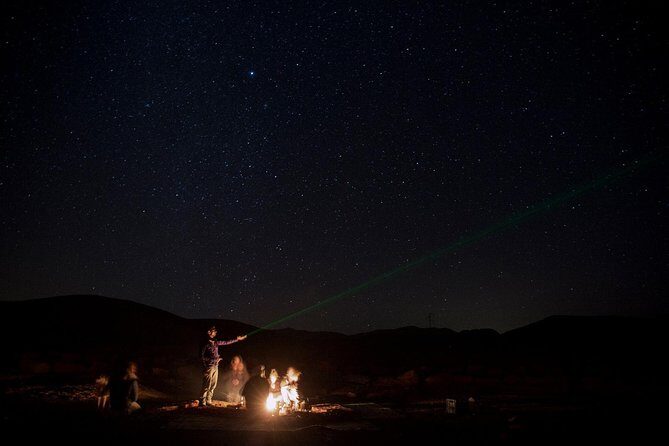
The desert turns the stars into something real. This Stargazing Mitzpe Ramon session takes you to the Ramon crater area for a dark-sky viewing with robotic, advanced telescopes, plus a guide who mixes sky science with myths and what to actually look for in real time.
I love how comfortable the setup is for a night out in the Negev. You get a mat and mattresses to lie back, and the experience includes a fire with tea/coffee and snacks, so you’re not just standing around freezing while you wait for the sky to do its thing.
One thing to keep in mind: it’s a remote desert location, and the activity depends on good weather. If clouds roll in, your plans can shift, and in general you should dress for desert cold.
In This Review
- Key Things That Make This Stargazing Experience Work
- Finding the Night-Sky Spot: Ramon Crater Meets the Desert Dark
- What the meeting flow feels like
- The Main Event: Lying Back in the Desert With Telescopes Ready
- Comfort is not a luxury here
- When extra telescopes kick in
- What You Learn While You Watch: Constellations, Zodiac Signs, and Myth Stories
- Why this matters for your night sky results
- Through the Telescopes: Planets, the Moon, and Deep-Sky Objects
- What you should expect to see (and what you might not)
- Robotic telescopes: the practical advantage
- The Desert Extras: Fire, Tea/Coffee, Snacks, and Cold Reality
- The timing comfort tradeoff
- Private Group Value: Up to 8 People, Up Close With the Guide
- Why a small group changes the quality
- Price and Value: What $460 Per Group Buys You in the Desert
- Best value for who?
- Who This Stargazing Experience Is For
- Should You Book Stargazing Mitzpe Ramon?
- FAQ
- Where does the stargazing experience start?
- How long is the experience?
- Is it private or shared with other groups?
- How many people are in a group?
- What do I get during the stargazing?
- What’s included in the price?
- What is not included?
- How will I know where to arrive?
- What if the weather is poor?
- Are mobile tickets used?
Key Things That Make This Stargazing Experience Work
- Remote, low-light setting: You’re aiming for a sky with serious visibility, away from city glow.
- Robotic telescopes, real viewing: Expect guided peeks at planets, the Moon, and “deep sky” targets.
- Comfort-first astronomy: Mats, mattresses, a fire, plus tea/coffee and snacks keep it relaxed.
- A guide-led sky story: Constellations, zodiac signs, asterisms, and myths all get tied to what you’re seeing.
- Private group energy: Up to 8 people, and only your group participates.
Finding the Night-Sky Spot: Ramon Crater Meets the Desert Dark
Most stargazing disappoints for one reason: light pollution. This experience tries to solve that by putting you out in the desert, close to the Makhtesh Ramon area. You meet at the Ramon crater, where your guide is waiting with the telescopes and everything set up. That matters because when it’s time to look up, you don’t want logistics eating your darkness-adapted eyes.
You don’t have a fixed “walk here from your hotel” plan. Instead, you’ll get the location to arrive at on the morning of the same day, and then you’re given an hour slot. That also means the operator can adjust the exact spot depending on conditions (which is important in desert stargazing where cloud cover and wind can make or break the view).
You can also read our reviews of more tours and experiences in Sde Boker.
What the meeting flow feels like
In practice, the vibe is: you arrive, you find the guide, then you go into full night-sky mode. The telescopes are already ready, and you’re not spending your limited time figuring out where to stand and when to start looking.
The Main Event: Lying Back in the Desert With Telescopes Ready
You’ll spend roughly 1 hour 45 minutes out in the desert (give or take, depending on the pace and observing conditions). The core setup is simple and smart. You’re in the middle of the desert with a mat and mattresses, so you can actually stay comfortable long enough to let your eyes adjust.
Then comes the telescopes. The experience is described as using robotic, advanced telescopes, and the guidance is hands-on: your guide helps you understand what you’re seeing rather than just letting you point your phone at the sky.
Comfort is not a luxury here
When you’re lying down, you see more. Your head is stable, your body isn’t fighting cramps, and you can follow the guide’s directions without constantly re-positioning. That’s especially useful if the plan includes both “easy targets” (like the Moon and brighter planets) and more delicate objects (like star clusters, nebulae, double stars, and galaxies).
When extra telescopes kick in
The description notes that for an extended activity, extra telescopes may be available. I take that to mean you’ll have more observing capacity if conditions are good and there’s time to broaden targets.
What You Learn While You Watch: Constellations, Zodiac Signs, and Myth Stories
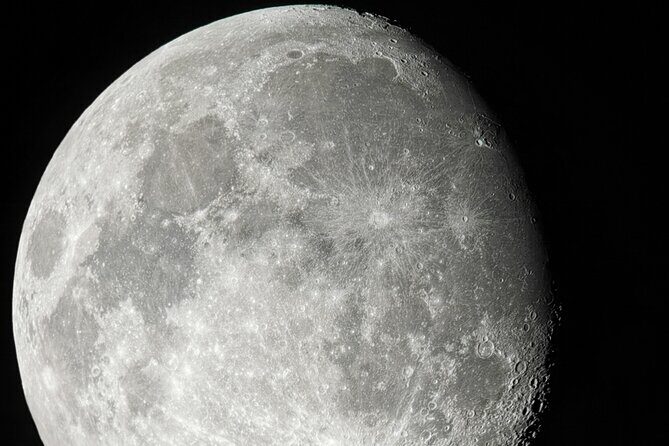
Stargazing can turn into a lecture. This one aims for the opposite: it’s story-driven, with science sprinkled in where it helps you understand what’s above you.
You’ll talk about the night sky with your guide and cover:
- Constellations and how to recognize them
- Zodiac signs and nearby “sky patterns”
- Asterisms (those recognizable “shape” groupings that aren’t always official constellations)
- Myths and legends tied to what people once thought they were seeing
- Astronomy history and how the way we interpret the sky evolved
- The science of the solar system and beyond
From the reviews, the guides here really lean into both clarity and warmth. People specifically highlight named guides such as Nadav and Moshe, and one review praises the “Ori Guide” experience with a guide identified as Uri (also referred to as Star Ori). That combination—friendly teaching plus confident direction—shows up repeatedly, which is exactly what you want if you’re not a hardcore astronomy person.
Why this matters for your night sky results
If the guide just says “look over there,” you’ll miss half the magic. If they tell you what features to look for (and how they connect to myths or the solar system), you’ll walk away with a mental map. Even if you forget details later, you’ll remember the patterns—and that’s what makes stargazing feel like more than a quick snapshot.
Through the Telescopes: Planets, the Moon, and Deep-Sky Objects
What’s especially appealing here is that you’re not limited to “bright stuff.” The plan includes observing:
- Planets in our solar system
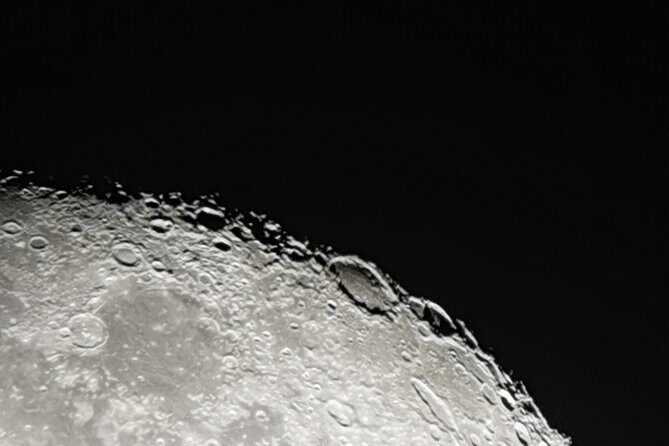
- Our Moon
- Deep sky objects such as star clusters, nebulas, double stars, and galaxies
What you should expect to see (and what you might not)
The sky changes nightly, and the operator specifically notes that the experience requires good weather. That means the quality of what you see through the telescopes depends on conditions like cloud cover and atmospheric clarity.
But in a genuinely dark desert sky, you should expect the basics to be impressive. One review explicitly talks about seeing the Milky Way plus planets and even hints of galaxies. That’s not guaranteed for every night, but it gives you a realistic idea of what “no light pollution” feels like when you combine it with guided viewing.
Robotic telescopes: the practical advantage
Robotic, advanced telescopes are a big deal for casual stargazers. You’re less likely to fight with alignment. Instead, you can focus on the guide’s explanation and the moment when an object comes into view.
The Desert Extras: Fire, Tea/Coffee, Snacks, and Cold Reality
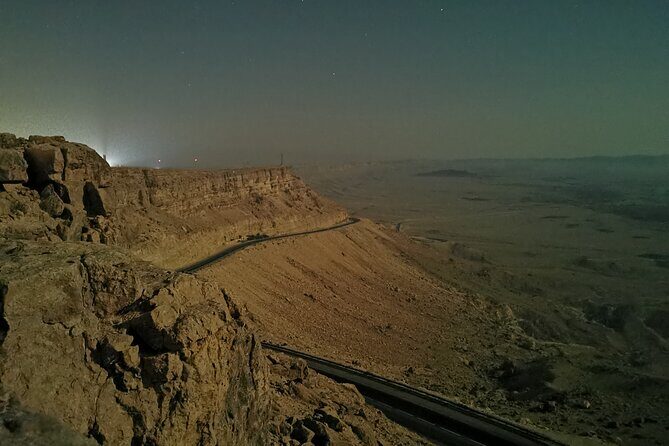
The experience isn’t just about astronomy. You get a fire along with tea/coffee and snacks, plus a place to lie back comfortably. This is more important than it sounds because desert observing means waiting. Even when the telescopes are doing their job, you’re still learning and tracking the sky.
One review flat-out mentions that it’s cold in the desert, even though they still had a great time. So I’d plan for cool-to-cold conditions. Bring layers. If you tend to get cold easily, add an extra layer so you can focus on the sky instead of your discomfort.
The timing comfort tradeoff
Because you’re in the desert and the experience lasts close to two hours, there’s no “I’ll just grab a snack and go” option mid-way. The fire and drinks are your buffer against the temperature, and they help keep the mood relaxed instead of rushed.
Private Group Value: Up to 8 People, Up Close With the Guide
This is a private tour/activity for your group only, with up to 8 people. That number is ideal for stargazing. You can move as the guide points things out, and it’s not so crowded that you’re constantly bumping into strangers or losing time to repositioning.
Why a small group changes the quality
A guide can answer questions when the group is small. Also, telescopes and observing usually take time, and small groups keep that time from stretching into awkward delays. If you care about learning rather than just looking, this format is a real advantage.
Price and Value: What $460 Per Group Buys You in the Desert
At $460 per group (up to 8), this isn’t the cheapest night out. The value comes from what you’re paying for: a private, remote, dark-sky viewing; a guide experience that blends sky storytelling with telescope viewing; and the comfort setup (mats, mattresses, fire, tea/coffee, snacks) that makes two hours of night observing actually enjoyable.
If you split the cost among a small group, the price per person becomes more reasonable—especially compared with typical “single activity” pricing when it’s just you wandering around. Also, the equipment and guide coaching reduce the usual stargazing friction. You’re not buying gear or guessing where to look. You’re getting a guided session designed around night-sky visibility.
Best value for who?
- Friends or couples who want a calmer, guided night
- People who want to understand the sky, not just photograph it
- Anyone who’d rather avoid the stress of self-guided stargazing in a remote area
Who This Stargazing Experience Is For
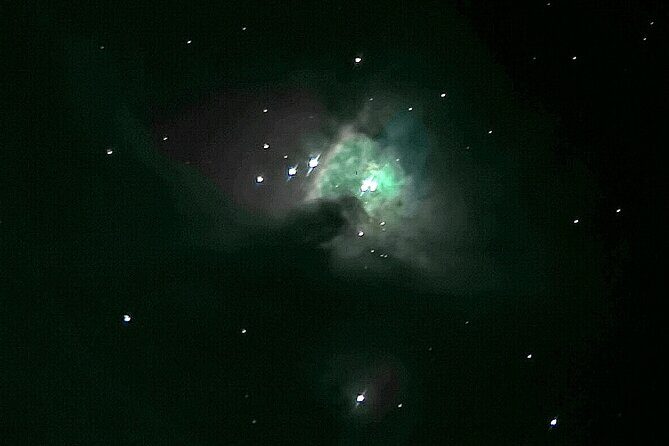
This tour is a strong match if you want:
- A dark desert sky experience without city light interference
- Telescope viewing paired with explanations
- A comfortable setup where you can actually enjoy the night
It should also work well for most people who can participate in a short desert outing. The experience allows service animals too.
It might be less ideal if you want a long, strenuous hike or you dislike lying still for extended periods. This is a “sit/lie and look” format. That’s the whole point.
Should You Book Stargazing Mitzpe Ramon?
I’d book it if you want a guided night sky experience that feels focused and comfortable, not chaotic. The pairing of dark desert viewing, robotic telescopes, and a guide who teaches you what you’re seeing is the winning mix. If you’re the type who loves knowing the story behind the stars—constellations, zodiac patterns, myths—this tour is built for you.
I’d think twice only if you hate cold weather or you’re traveling during a period when clouds are common and you’re not flexible with changes. Since the experience needs good weather, it’s worth bringing a backup day mindset.
FAQ
Where does the stargazing experience start?
You meet at the Ramon crater (Makhtesh Ramon).
How long is the experience?
It runs for about 1 hour 45 minutes.
Is it private or shared with other groups?
It’s private. Only your group participates.
How many people are in a group?
Up to 8 people per group.
What do I get during the stargazing?
You’ll have a telescope setup with a guide, and you’ll also have a mat and mattresses to lie on, plus a fire with tea/coffee and snacks.
What’s included in the price?
A local guide and a professional guide are included.
What is not included?
Hotel pickup and transportation to/from attractions are not included.
How will I know where to arrive?
You’ll be sent the location to arrive at on the morning of the same day, along with an hour.
What if the weather is poor?
This experience requires good weather. If it’s canceled due to poor weather, you’ll be offered a different date or a full refund.
Are mobile tickets used?
Yes, you get a mobile ticket. Confirmation is received within 48 hours of booking, subject to availability.
If you want, tell me your travel month and whether you’re going solo or as a small group, and I’ll suggest what time of year tends to work best for dark-sky viewing in this part of Israel.