REVIEW · TIBERIAS
Tour The Mystical City Of Safed
Book on Viator →Operated by Amichai Cohen · Bookable on Viator
Safed feels like a living textbook. This private walking tour in the Old City of Safed (Tzvat) uses a rabbi-cum-scholar guide to connect history with Torah and kabbalah in plain, talk-it-through style. You’ll also get to focus on specific synagogue landmarks—Abuhav, AriZal, and Averitch—rather than doing a quick sightseeing loop.
I like that it’s built for real questions. The tour is exclusive to your group, so you can ask as you go and pace it with your interests instead of racing a clock with strangers. The one thing to watch is the physical side: you’ll be walking around historic streets that can be uneven, and you’ll also need good weather for the plan to run smoothly.
In This Review
- Key things I’d watch for before you go
- Safed’s Old City is where stories start sounding real
- Your Rabbi guide: the value is in the back-and-forth
- The heart of the tour: Abuhav, AriZal, and Averitch
- Abuhav Synagogue
- AriZal Synagogue
- Averitch Synagogue
- Following the Safed teachers: Yosef Caro and Isaac Luria
- Artists’ colony galleries: Safed’s modern identity, explained
- 2 hours 30 minutes: how to pace yourself
- Price and value: $485 per group (up to 10) for a private rabbi-led walk
- Weather and walking comfort: the practical checklist
- Should you book the Mystical City of Safed tour?
- FAQ
- FAQ
- Where does the tour start?
- How long is the tour?
- Is this a private tour?
- How large can the group be?
- What kind of guide do you get?
- Which synagogues do you visit?
- Do you include admission tickets?
- How do you receive your ticket?
- Does the tour run in all weather?
- What’s the cancellation window?
- What if I have mobility concerns?
Key things I’d watch for before you go
- Private group experience (up to 10 people) so questions and conversation don’t get swallowed by a big crowd
- Rabbi guide approach that ties Safed’s stories directly to Torah and kabbalah
- Historic synagogue stops at Abuhav, AriZal, and Averitch, plus time in the Old City atmosphere
- Names you’ll actually remember like Yosef Caro, Isaac Abuhav, and Isaac Luria as you walk
- Artists’ colony galleries along the route so the modern creative Safed fits the story, not the way you expected
- Mobile ticket and an easy meeting point at HaAri St 2 in Safed
Safed’s Old City is where stories start sounding real
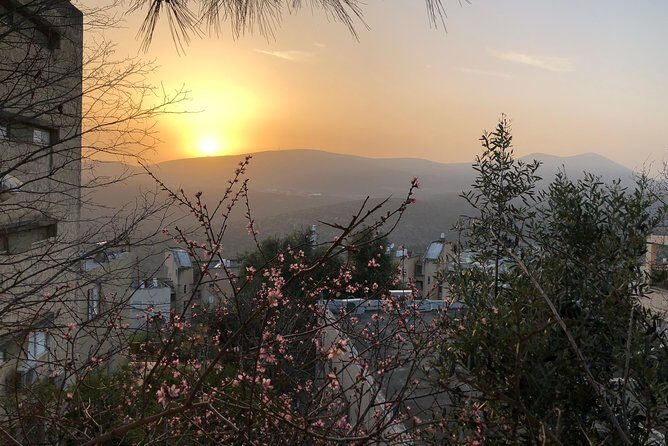
Safed sits up on a mountaintop, and that elevation matters. The Old City lanes feel made for slow walking, not checklists. As you move between corners, doorways, and prayer spaces, the tour’s big job is to help you understand why this place became a center for Jewish mystical learning.
What makes this experience stand out is the way it links place to ideas. The city isn’t treated as a museum. Instead, you’ll hear how Safed’s long timeline connects to major teachers and scholars associated with kabbalah, the Golden Age of Safed, and the kinds of conquerors who shaped the city over time. If you’ve ever read about these figures and wished someone put them on a map for you, this format does that.
And it’s not only sacred sites. The route also passes artists’ colony galleries and explains why Safed pulls in uniquely talented creators. That mix—study and art—helps you see Safed as a living culture rather than a stop on a religious itinerary.
You can also read our reviews of more tours and experiences in Tiberias.



Your Rabbi guide: the value is in the back-and-forth
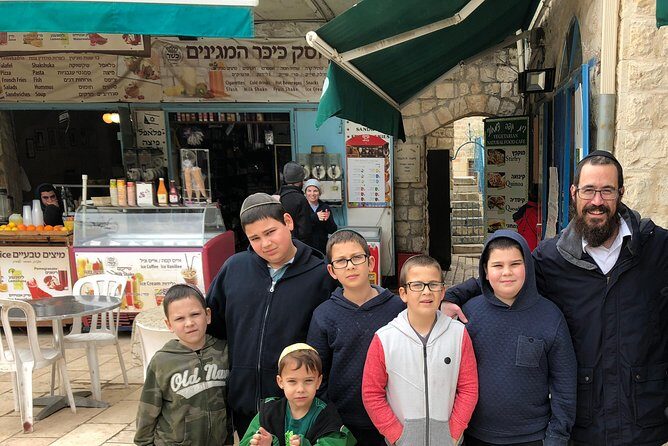
This is led by a rabbi-cum-scholar, and the practical point is simple: you’re not just getting facts, you’re getting interpretation. The guide’s job is to translate the spiritual language of the tradition into something you can follow while walking through real locations.
I especially like that the tour is designed for questions. That changes the whole experience. If something clicks—an unfamiliar term, a name like AriZal, or a story tied to Isaac Luria—you can pause and ask. If something doesn’t click, you can ask for a different explanation. On a private tour, that kind of back-and-forth doesn’t feel awkward or rushed.
One additional detail I’d call out: timing can be flexible. In real bookings, Rabbi Amichai was able to adjust for visitors coming up from Jerusalem for a day. That matters if you’re coordinating with other stops in the north and you don’t want your whole day bent around a fixed start time.
The heart of the tour: Abuhav, AriZal, and Averitch
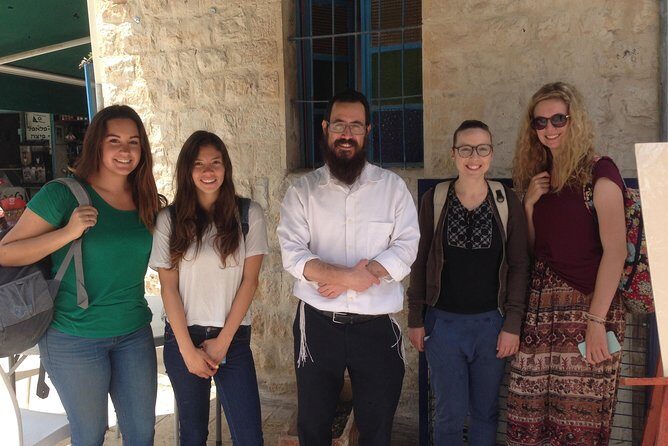
Your route is built around the Old City’s synagogue landmarks, and each stop helps you build a mental map of Safed’s identity.
Abuhav Synagogue
Abuhav is a name that carries weight in Safed’s story. On this tour, you don’t just stand and photograph—you learn how the synagogue fits into the city’s tradition and why it’s tied to prominent figures. Even if you’re new to this material, the guide’s Torah-and-kabbalah framing makes it easier to connect what you’re seeing to what you’re hearing.
A drawback to note: like many historic religious sites, your best experience will depend on how respectfully you move and how comfortable you are with active discussion. If you’re expecting a silent monument visit, you may find the conversation-style explanation more engaging than you planned.
AriZal Synagogue
AriZal is one of those names you hear again and again when people talk about kabbalah. Seeing the synagogue in the context of the tour’s explanation helps you understand why Safed became so strongly associated with this intellectual tradition. This is where the guide’s explanations can feel especially satisfying if you’ve done any reading beforehand and wanted to attach it to a physical place.
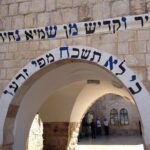

Averitch Synagogue
Averitch rounds out the synagogue sequence and helps you feel how Safed’s spiritual life is distributed across multiple landmarks, not concentrated in one single “main” location. It also gives the guide a chance to connect different strands of Safed’s tradition while you’re still walking, which keeps the story from turning into a lecture.
Across all three synagogue visits, what you’ll love most is that you’re not just absorbing dates and names. You’re being guided to understand why these places matter in the city’s long narrative—especially in the Golden Age of Safed.
Following the Safed teachers: Yosef Caro and Isaac Luria
One of the best parts of this tour is that it ties the route to famous Safed figures as you go. As you walk the Old City, you’ll hear the names of people like Yosef Caro, Isaac Abuhav, and Isaac Luria, along with other figures associated with the tradition.
Why this is valuable for you: it’s easy to memorize names from books without really understanding their relationship to place. Here, the names land inside a geography you can picture. That makes later reading much easier because you can mentally “place” the content.
Also, the guide’s approach connects Safed’s role as a center of kabbalah to the city’s history and its changing rulers. You’ll pick up a sense of how Safed’s spiritual reputation developed alongside political and historical pressure—without turning the tour into a pure warfare history lesson.
Artists’ colony galleries: Safed’s modern identity, explained
Safed isn’t only about ancient synagogues. As the tour continues through the Old City, you’ll pass artist-colony galleries and learn why the city draws so many uniquely talented artists.
I like including this part because it keeps the experience from becoming one-note. You’ll see how Safed’s creative side fits the same storytelling impulse that fuels study: people come here for meaning, reflection, and intellectual atmosphere. If you’re visiting with someone who thinks all “religious towns” are the same, this is a strong point of connection.
In a short 2 hours 30 minutes, the gallery pass isn’t meant to be an art tour with hours inside each space. It works as a bridge: sacred roots on one side, creative expression on the other.
2 hours 30 minutes: how to pace yourself
The duration is about 2 hours 30 minutes, including the walking time between stops. That’s a sweet spot. Long enough to get context and conversation going, short enough to keep the energy up.
Here’s how to make the most of it:
- Plan to arrive slightly early at HaAri St 2 so you start relaxed.
- Wear comfortable shoes. Even if you’re not covering huge distances, the Old City streets can be uneven.
- Come with one or two questions you’ve been carrying. Once the guide starts tying names to places, your follow-ups will feel more targeted.
If you have moderate physical fitness, you should be fine. The tour is a walking experience, and the historic setting can mean more steps than you’d get on a flat city tour.
Price and value: $485 per group (up to 10) for a private rabbi-led walk
This costs $485 per group for up to 10 people. On paper, that sounds like a group price rather than a solo ticket. In practice, it can be very good value if you’re traveling with friends, a family group, or you’re mixing ages and interests.
Here’s what you’re paying for:
- A private, rabbi-led experience (not a generic audio tour)
- A focused route through multiple key synagogue landmarks
- The chance to ask questions and steer the conversation
- Admission ticket included as part of the experience
If you’re traveling solo and paying for a full group, the price can feel steep. If you can split it with even a few people, it becomes more appealing fast—especially because the tour’s payoff is personal understanding, not just photo stops.
Also, you don’t have to worry about printing anything. It’s a mobile ticket, which is a small thing, but it reduces friction when you’re moving around a trip.
Weather and walking comfort: the practical checklist
The experience is weather-dependent. That usually means the walking plan works best when conditions are clear and comfortable. If you’re sensitive to cold, wind, or rain, consider bringing a light layer even in seasons that feel mild.
For the walking part, keep expectations realistic: historic Old City streets are not designed for modern sneakers and sprinting. Bring footwear you can trust, and if you’re prone to foot fatigue, plan an easy pace on the rest of your day.
Service animals are allowed, and the activity is near public transportation, which is helpful if you’re not renting a car for the whole region.
Should you book the Mystical City of Safed tour?
I’d book this if you want more than sightseeing. This tour is for people who enjoy explanations tied to real places—especially if you’re curious about how Safed became a center for kabbalah and want the story told in a way you can ask about.
Book it if:
- You like private guides and want time for questions
- You want to visit Abuhav, AriZal, and Averitch without it feeling random
- You’re traveling with friends or family and can split the group price
- You’re the type who enjoys connecting names like Yosef Caro and Isaac Luria to geography
Skip it (or at least rethink it) if:
- You dislike walking on uneven streets and need a mostly seated experience
- You only want quick photo stops and don’t care about discussion
- You’re going on a day that’s likely to be poor weather and you can’t adjust plans
FAQ
FAQ
Where does the tour start?
The tour starts at HaAri St 2, Safed, Israel.
How long is the tour?
It runs for approximately 2 hours 30 minutes.
Is this a private tour?
Yes. It’s private and only your group participates.
How large can the group be?
The tour is priced per group for up to 10 people.
What kind of guide do you get?
You’ll have a rabbi-cum-scholar guide.
Which synagogues do you visit?
The tour includes the Abuhav, AriZal, and Averitch historical synagogues, along with time exploring the Old City.
Do you include admission tickets?
An admission ticket is included as part of the tour.
How do you receive your ticket?
This experience uses a mobile ticket.
Does the tour run in all weather?
It requires good weather. If it’s canceled due to poor weather, you’ll be offered a different date or a full refund.
What’s the cancellation window?
You can cancel up to 24 hours in advance for a full refund. Changes within 24 hours of the start time aren’t accepted, and refunds aren’t available if you cancel less than 24 hours before the experience starts.
What if I have mobility concerns?
The tour is designed for travelers with moderate physical fitness, since it involves walking through the Old City.
If you tell me your travel dates and whether you’re coming from Tiberias, Jerusalem, or somewhere else, I can help you plan a smooth day around this 2.5-hour window.