REVIEW · TIBERIAS
Galilean Cooking Workshop 2-4 particpants
Book on Viator →Operated by Galileat · Bookable on Viator
A family kitchen is better than any restaurant demo. This Galilean Cooking Workshop near Haifa puts you in front of a real Druze household, where you cook a seasonal lunch and learn what shapes everyday life. I like that the focus stays practical: hands-on cooking for a small group, then lunch included around the family table.
I also like the human side built into the schedule. Your local guide, Paul, helps with translation and adds history context so you understand what you’re tasting, not just how to plate it. The coffee introduction and culture chat set a respectful tone before you lift a spoon.
One thing to consider: it’s a private experience with a minimum of 4 people per booking, so if you’re a couple or solo traveler, pricing and availability may feel less flexible than a public tour. Also, if you have dietary needs, you’ll want to flag them early so the menu can be planned around you.
In This Review
- Key highlights worth planning for
- Where the workshop fits in your day from Karmiel
- Meeting your Druze hosts: coffee, introductions, and cultural context
- The 1.5-hour hands-on cooking session in a real kitchen
- The seasonal menu: learning flavors by working with local ingredients
- Lunch around the family table: what you take away after cooking
- Paul and the guide’s role: translation plus meaning
- Price and value: what $410 per person really buys
- Dietary needs and vegetarian requests
- Who this workshop suits best in the real world
- Should you book Galileat’s Galilean Cooking Workshop near Haifa?
- FAQ
- What time does the workshop start?
- How long is the experience?
- Where do we meet?
- Is this a private tour?
- How many people are in the group?
- Is lunch included?
- Are dietary requirements accommodated?
- What does the workshop include besides cooking?
- How flexible is cancellation?
Key highlights worth planning for
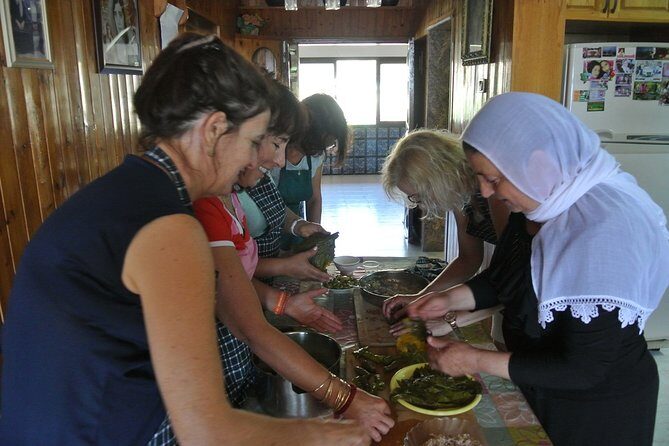
- Druze family welcome first: introductions, belief/culture explanations, then traditional coffee before cooking
- Hands-on for 1.5 hours: you’ll actively cook, not just watch and take pictures
- Galilee favorites in the menu: makluba, hubeza, and sinya, plus seasonal regional vegetables
- Local ingredients matter: wild greens and smoked green wheat show up in the flavors
- Small-group private setup: designed for 2–4 participants, guided by a friendly professional
- Lunch and equipment included: you cook with the tools you need, and then you eat what you made
Where the workshop fits in your day from Karmiel
This experience runs about 3 hours total and starts at 11:00 am in Karmiel, Israel. It ends back at the same meeting point, so you’re not stuck with an all-day plan or a long return trip. The timing is handy: you’re cooking late enough to sleep in, but still early enough to enjoy a full lunch instead of a snack-y food tour.
The activity is based in the wider Galilee region (the listing location is Tiberias, and the class is described as near Haifa). Practically, that means you’ll feel like you’re leaving the usual city rhythm and stepping into a village kitchen routine for a short window of time.
If you’re planning a day around Haifa or the Sea of Galilee area, this kind of workshop is a great “anchor” activity. It gives you one meaningful thing to do that isn’t just hopping between viewpoints.
You can also read our reviews of more tours and experiences in Tiberias.


Meeting your Druze hosts: coffee, introductions, and cultural context
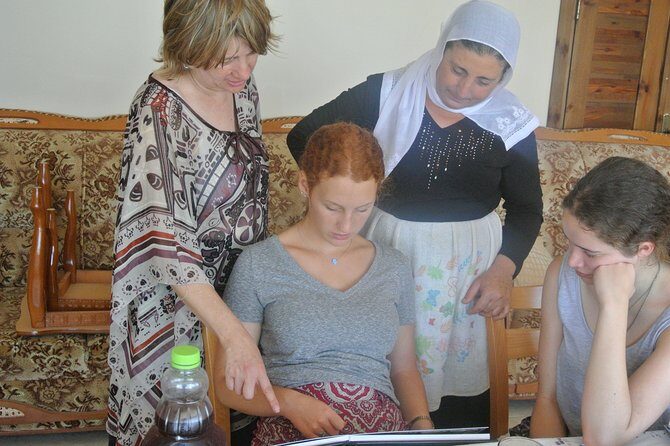
You’re hosted by a Druze family. The first part is a welcome and an introduction to the family, followed by explanations around Druze beliefs and culture. Then you move into coffee time, described as traditional, before you get cooking.
That sequence matters. Cooking classes often start with food and skip the human context. Here, you’re taught how to interpret what you’ll see next—who you’re cooking with, and why the household practices look the way they do. You’ll also have a natural moment to ask questions without feeling like you’re interrupting mid-recipe.
This is also where the guide helps you feel confident. From the experience feedback, Paul is praised for being useful not only for translation, but for providing that history lesson layer so the conversation doesn’t float past your head. If you like understanding the why behind daily life, this part is a big win.
The 1.5-hour hands-on cooking session in a real kitchen
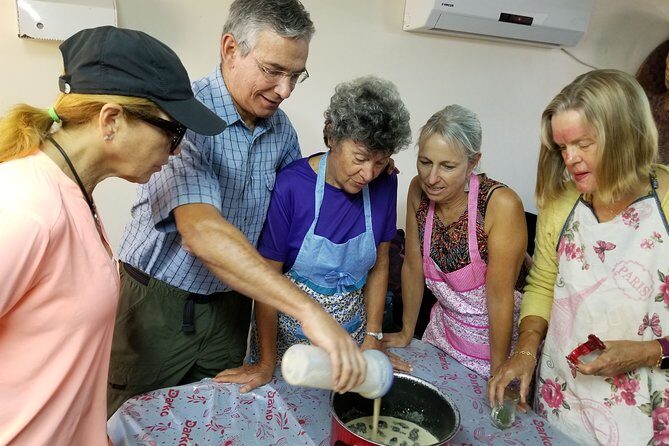
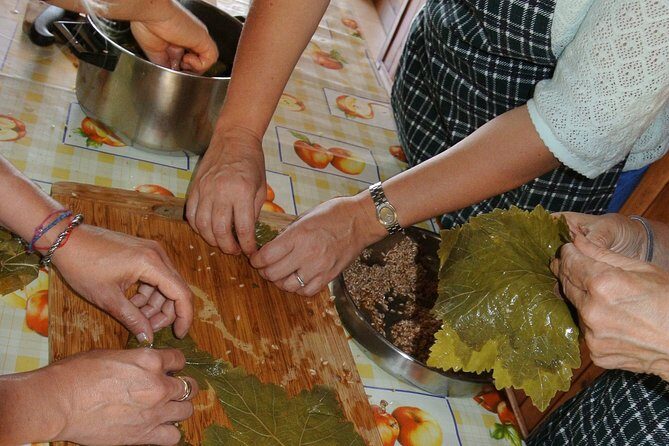
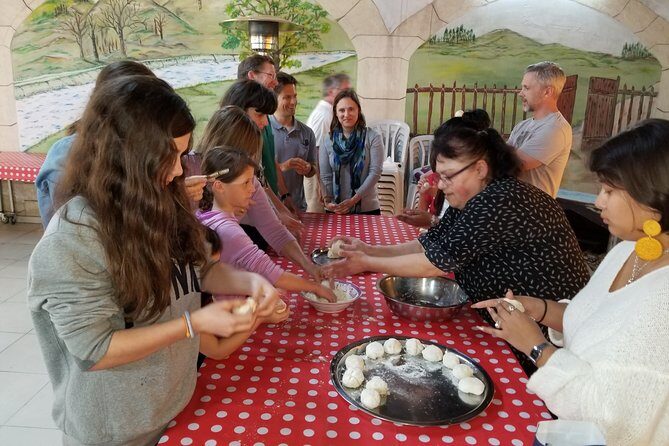
Once you’re in the kitchen, the workshop shifts into action. You get 1.5 hours hands-on cooking, and the class includes all necessary equipment, so you don’t need to bring anything beyond yourself. The meals are built around seasonal ingredients and local favorites.
What you’ll cook is described clearly. Expect a seasonal menu that includes local dishes such as makluba, hubeza, and sinya. You’ll also work with ingredients that feel unmistakably Galilean, including wild greens, smoked green wheat, and regional vegetables.
I like that the workshop doesn’t pretend every kitchen world is the same. These dishes and ingredients are specific to the region, and the menu is designed to show you the flavors that locals recognize as part of everyday comfort food. Even if you only take home a few techniques, the main takeaway is taste memory: you’ll know what “Galilee style” means because you handled the ingredients yourself.
Practical tip: wear clothes you can cook in. Even with equipment provided, you’re working in a home kitchen, with real food prep. Plan for a bit of kitchen chaos in the best way.
The seasonal menu: learning flavors by working with local ingredients
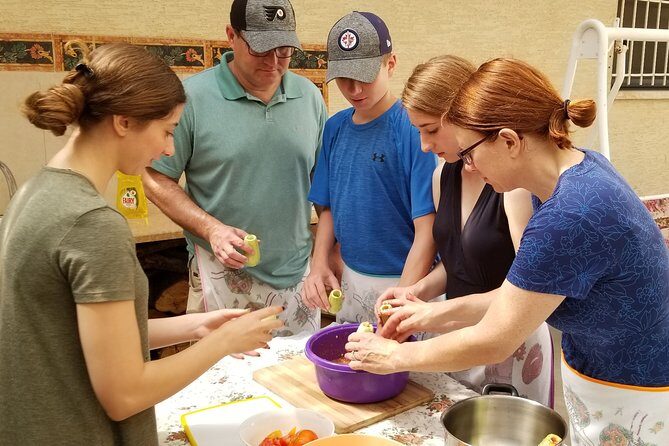
The workshop is built around a seasonal menu rather than a fixed script. That matters because it keeps the class tied to what’s actually available locally. When you cook with wild greens and smoked green wheat, you’re tasting ingredients that aren’t just “decorations” on the plate. They shape the whole character of the meal.
Also, the dishes named above aren’t interchangeable in a cookbook sense. They’re local favorites, and the menu approach is meant to help you understand a household’s idea of a satisfying lunch. If you enjoy regional food and want more than one or two simple plates, this menu selection gives you variety without overwhelming the class length.
And because you’re cooking in someone’s kitchen, you’ll likely pay attention to details you’d never notice in a restaurant. Things like texture, how ingredients combine, and how the household builds a meal that feeds people—not just impresses a camera.
Lunch around the family table: what you take away after cooking
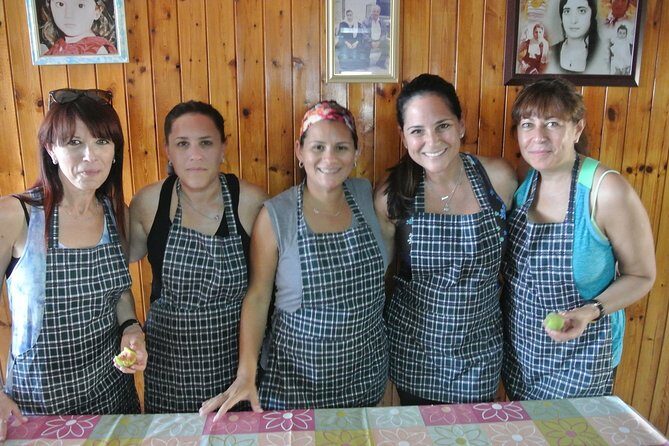
After the cooking session, you sit down to eat the meal you prepared. The experience describes sharing the feast around the family table, which is exactly where these workshops go from “fun activity” to “real travel memory.”
Lunch here isn’t a separate, perfunctory stop. It’s the payoff. You’ll finally taste what you’ve been working on, and you’ll do it in the same home setting where you learned it. That makes it easier to connect flavors with the steps you did earlier. It also gives the host family another chance to interact with you while you’re relaxed and eating together.
Because lunch is included, you don’t need to budget for an extra meal or hunt for a restaurant nearby. For many visitors, the biggest value of cooking workshops isn’t just the food—it’s the certainty of a full, satisfying meal at the end.
Paul and the guide’s role: translation plus meaning
A good guide turns a cooking class into a cultural exchange. In this case, the standout mentioned in the feedback is Paul, who’s described as helpful both for translation and for a history lesson alongside the food.
That combination is practical. Translation gets you through the words. The extra background helps you understand why you’re hearing certain stories or cultural explanations. When you can connect food to daily life context, the experience feels more grounded and less like a performance.
The workshop is also described as having a guide who is informative, friendly, and professional. In a home setting, that professionalism matters. It helps keep the tone respectful and makes sure everyone—your group and the hosts—stays comfortable.
Price and value: what $410 per person really buys
At $410.00 per person, this is not a budget activity. The value comes from the combination of what’s included and the access you’re paying for.
Here’s what you’re getting that tends to drive the cost:
- A private setup for your group only (not a mixed crowd)
- A local guide plus translation support
- All taxes, fuel surcharges, and service fees included
- Lunch included
- All necessary cooking equipment included
- A home-hosted experience with a Druze family, not just a studio kitchen
You can think of the price as paying for access and inclusion. You’re spending time with people, cooking their seasonal meal, and eating it with them. If you’re the type who likes hands-on learning and doesn’t mind paying more to avoid generic, one-size-fits-all tours, this can feel fair.
If you’re mainly looking for a quick snack and don’t care about cultural context, you might find it expensive for a simple meal. But if you want a Galilee cooking workshop experience that’s structured around real hospitality and a shared lunch, the “included” parts reduce the hidden costs.
Also note: there are group discounts and the workshop is described for 2–4 participants, but there’s also a minimum of 4 people per booking. If your group size is smaller, it’s worth checking how the provider handles that in your case.
Dietary needs and vegetarian requests
The workshop notes two key things for planning:
- You should advise any specific dietary requirements at time of booking
- A vegetarian option is available if you request it when booking
That’s important because the menu includes specific dishes and local ingredients. Even if you choose vegetarian, you’ll want the provider to plan with your preferences and any restrictions in mind.
My advice: send your dietary needs clearly, not just “vegetarian.” If you have allergies or avoid specific ingredients, mention them when you book so the host family and guide can prepare appropriately.
Who this workshop suits best in the real world
This experience is described as an ideal choice for families, and the small-group feel supports that. It’s also a strong match for:
- Couples or small groups who want a hands-on activity with a clear end goal: a full lunch
- Food lovers who care about regional dishes and local ingredients like wild greens and smoked green wheat
- Travelers who like meeting people beyond a quick handshake and want a structured cultural conversation
- Anyone who prefers a private experience where you can ask questions without feeling rushed
If you’re very short on time, the 3-hour duration is manageable. If you’re extremely picky about unfamiliar foods, you should plan ahead with dietary notes—since the menu is seasonal and region-specific.
Should you book Galileat’s Galilean Cooking Workshop near Haifa?
I’d book this if you want a Druze family-hosted cooking class that includes coffee, a guided cultural intro, hands-on cooking, and lunch all in one tight package. The fact that equipment, taxes/fees, and lunch are included makes it easier to justify the cost. And if you value meaning as much as flavor, the guide support—especially with Paul and the translation/history layer—sounds like a real quality boost.
I’d skip or reconsider if you’re coming with very limited dietary flexibility, you’re traveling solo and hoping for a smaller group setup, or you’re looking for a low-cost “just feed me” food experience. This is about learning and sharing as much as it is about eating.
Bottom line: if your idea of a great day includes cooking with local ingredients and sitting down to eat with the people who prepared it, this workshop is an excellent fit.
FAQ
What time does the workshop start?
It starts at 11:00 am.
How long is the experience?
The duration is about 3 hours.
Where do we meet?
The start (meeting point) is Karmiel, Israel.
Is this a private tour?
Yes. It’s described as a private activity, and only your group will participate.
How many people are in the group?
It’s described as 2–4 participants, and there is also a minimum of 4 people per booking.
Is lunch included?
Yes. Lunch is included.
Are dietary requirements accommodated?
Yes. You should advise dietary requirements at booking. A vegetarian option is available if you request it at the time of booking.
What does the workshop include besides cooking?
It includes a local guide and a traditional coffee introduction with the Druze family, plus all necessary cooking equipment.
How flexible is cancellation?
You can cancel for free up to 24 hours in advance for a full refund. If you cancel less than 24 hours before the start time, the amount paid will not be refunded.