REVIEW · ISRAEL
8-Night Israel Tour from Tel Aviv: Jerusalem, Dead Sea, Bethlehem, Nazareth, Northern Israel and Petra
Book on Viator →Operated by CTO Israel · Bookable on Viator
Petra and the Dead Sea in one tight circuit.
This 8-night Israel-plus-Petra trip links Tel Aviv, Jerusalem, the Galilee, and Haifa with a Red Sea finish in Eilat and Aqaba, then ends back in Tel Aviv. I like the way it stacks headline sites with real context, from the Shrine of the Book at the Israel Museum to the hard-carved rock city of Petra. Two big reasons it appeals are the Masada cable-car climb followed by the Dead Sea swim-and-mud time.
I also like the Jerusalem flow: you get both spiritual landmarks and modern interpretation, including the Western Wall area, the Church of the Holy Sepulchre area, plus visits tied to the Second Temple story and the Holocaust remembrance at Yad Vashem. The main drawback to consider is the pace. This is a “see a lot” route, with many stops timed to about an hour or two each, so you’ll want to plan for quick photo breaks, not long wandering.
In This Review
- Key things to know before you go
- The big-picture plan: Israel highlights plus Petra, without the dead days
- Tel Aviv arrival day: get settled, then reset for a long run
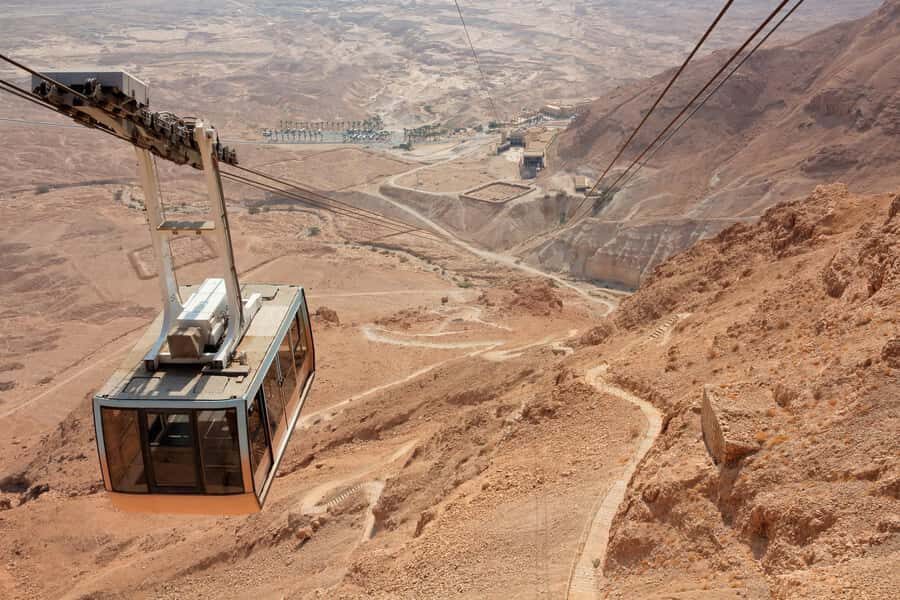
- Day 2: Masada by cable car, then the Dead Sea’s weird magic
- Day 3: Israel Museum, Yad Vashem, Ein Kerem, and Bethlehem’s Nativity area
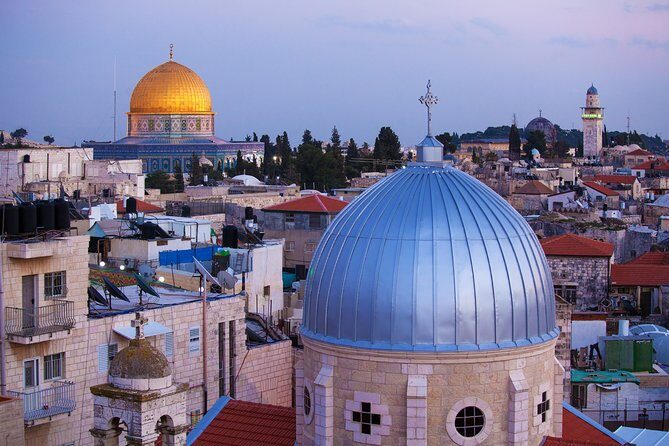
- Day 4: Western Wall, Via Dolorosa, Holy Sepulchre, Mount Zion, Mount of Olives, Gethsemane, and Mahane Yehuda
- Day 5: Beit She’an Roman ruins, Golan wine country, and Tiberias on the Sea of Galilee
- Day 6: Capernaum and Tabgha for the Galilee story, then Nazareth
- Day 7: Akko (Acre) Crusader walls, Haifa views, Caesarea’s Roman theater, then flight to Eilat
- Day 8: Petra from Eilat via the Arava border, through the Siq to the Treasury and amphitheater
- Day 9: Departure transfer back to Ben Gurion Airport
- What you’re really paying for: value beyond the ticket price
- Pace and group size: how the schedule will feel in real life
- Who this tour fits best (and who should think twice)
- Should you book this Israel and Petra tour?
- FAQ
- How long is the tour, and how many nights?
- Where does the tour start and end?
- What’s included in the price?
- Are flights included beyond the Tel Aviv to Eilat segment?
- Do I need a visa for Petra?
- How big is the group?
- Are meals included?
- Is there a luggage restriction?
Key things to know before you go
- Cable car day to Masada: you go up by cable and visit excavations, palaces, synagogue, bathhouse, and cisterns.
- Dead Sea time is real: includes descent and two hours for the mineral-rich mud and floating.
- Jerusalem is split into two full days: museums plus Bethlehem one day, then Old City sights plus Mount of Olives and Gethsemane the next.
- Northern Israel covers multiple regions: Roman Beit She’an, Golan Heights, Sea of Galilee villages, Nazareth, and the Crusader coast.
- Petra is a full production: Siq, Treasury, tombs, and the amphitheater, plus lunch in Wadi Musa.
- Group size tops out at 40: big enough for energy, small enough that a good guide can keep things moving.
The big-picture plan: Israel highlights plus Petra, without the dead days
This tour is built like a highlight reel with transportation stitched in. You start in Tel Aviv, then head south to the Dead Sea and Jerusalem, work north through Galilee and the coast, and finally fly from Tel Aviv to Eilat before crossing into Jordan for Petra. It’s not slow travel. It’s a serious route that trades free time for coverage.
Why that can be good: if you’re on a first visit, it saves you from the hardest part of Israel planning—where to prioritize and how to connect distant regions efficiently. The downside is personal: if you hate tight schedules or want to linger, you may find yourself wishing you had more margin.
One practical note: you carry a passport and flight details into the booking because the tour needs passport information for participants. Petra day also involves a border crossing, and the border & visa fee is not included.
You can also read our reviews of more tours and experiences in Israel.

Tel Aviv arrival day: get settled, then reset for a long run
Day 1 is arrival with an airport meet-and-transfer to your hotel. After that, you have evening free time in Tel Aviv. That’s useful, because tomorrow is when the tour really starts stacking major sites.
Tel Aviv also acts as a buffer. You’ll likely land with jet lag or a travel-weariness hangover. Having a low-pressure night means you can still enjoy dinner and a walk without worrying about an early morning “meet right now” scramble.
Included: your arrival transfer is included only on the designated tour arrival day. If your flight timing doesn’t match those windows, you’ll need to handle your own transport.
Day 2: Masada by cable car, then the Dead Sea’s weird magic
Masada is the first big statement. Instead of hiking the whole way up, you take the cable car for a focused visit. That matters because it lets you spend more time at the sites than on the climb and descent.
On top, you visit excavations and key structures tied to the final Jewish revolt against Rome. You’ll also see the elements Herod’s story is famous for—palaces—and you get a sense of how people lived in a fortress built for survival. The view across the Roman camps and toward the Dead Sea is one of those “photos don’t do it justice” moments.
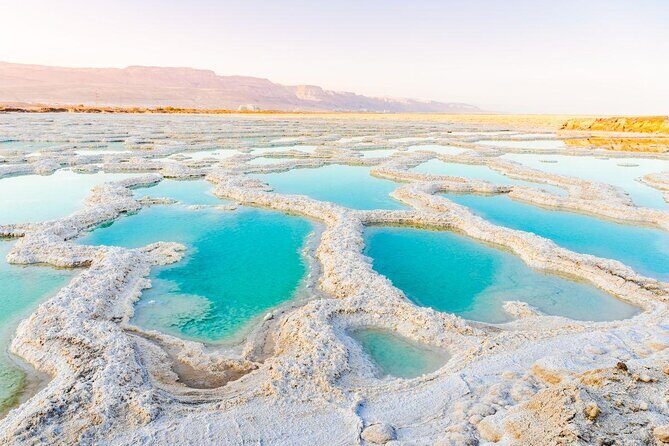
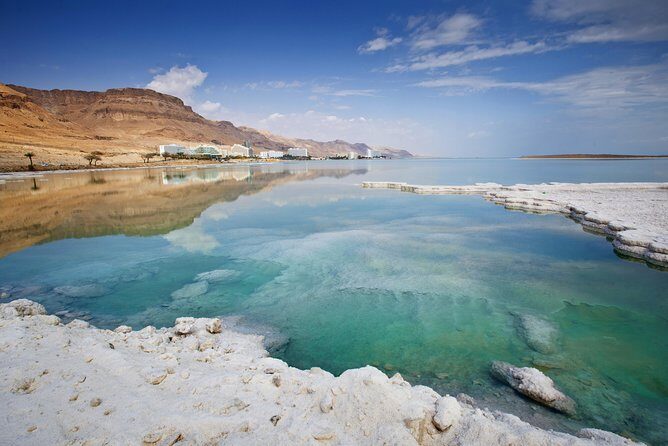
Then you go down to the Dead Sea. You get two hours for mineral-rich black mud and floating. This is the part most people remember years later, not just because it’s fun, but because it’s so physically unusual. Your skin feels the difference, and you’ll quickly learn the basic rule: don’t fight the buoyancy.
Tip: expect to rinse off and take your time with towels. The mud part can be messy, and you’ll want to feel comfortable with your timing inside the two-hour block.
Day 3: Israel Museum, Yad Vashem, Ein Kerem, and Bethlehem’s Nativity area
This day mixes three very different lenses: archaeology and interpretation, remembrance, and Christian holy sites.
You start at the Shrine of the Book in the Israel Museum for the Dead Sea Scrolls, then move to a renovated scale model of the Herodian city of Jerusalem from the Second Temple period. That model is one of the best tools for visitors who want spatial clarity. When you later walk Jerusalem streets, the city can make more sense.
Next is Yad Vashem, the World Holocaust Remembrance Center. It’s official, structured, and emotionally heavy, so go in prepared. Even if you’re not into museums, this stop anchors the modern story of Jewish life and loss.
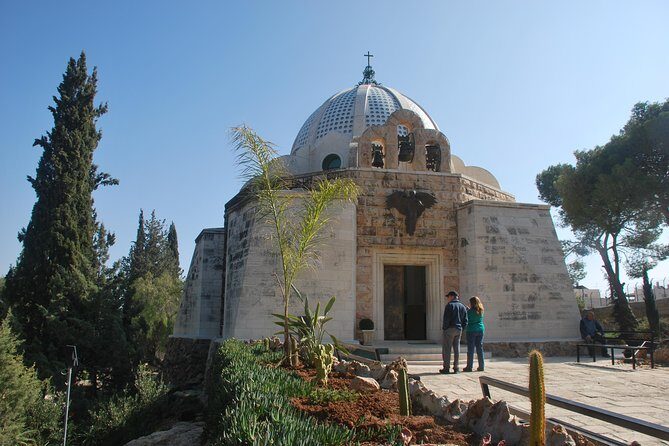
Then the pace lightens a bit with Ein Kerem, a picturesque village associated with John the Baptist traditions. After that, you head to Bethlehem for the Church of the Nativity and Manger Square.
A consideration: Bethlehem and Jerusalem holy sites are popular and can feel crowded. The tour time blocks are set, so if you want space to pray, reflect, or sit for longer, you’ll need to manage your expectations for how much time you’ll actually have in each location.
Day 4: Western Wall, Via Dolorosa, Holy Sepulchre, Mount Zion, Mount of Olives, Gethsemane, and Mahane Yehuda
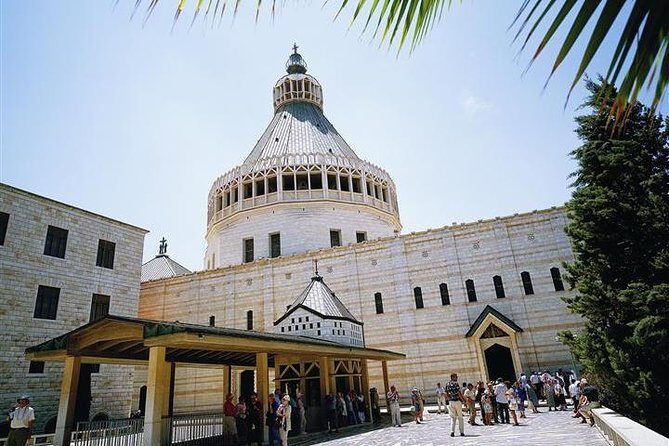
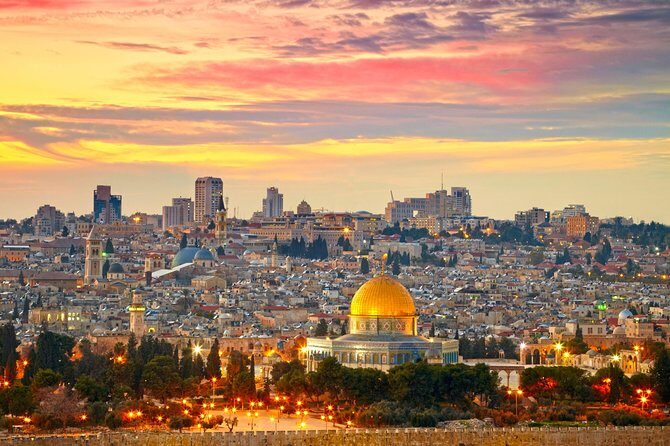
Day 4 is a Jerusalem marathon in the best possible sense. You enter the Old City area and start with the Western Wall and the Temple Mount area from the accessible viewpoints described. Then you walk the Via Dolorosa route toward Calvary and the Church of the Holy Sepulchre, covering both the traditional Crucifixion site and the Tomb of the Resurrection area.
After the Old City core, you move to Mount Zion for the traditional tomb of King David and the Room of the Last Supper. Then it’s panoramic time from the Mount of Olives, with sweeping city views.
Next is Gethsemane for time in the Garden of Gethsemane area. Finally, you end with Mahane Yehuda Market, Jerusalem’s big open-air food and street-life hub.
Why this day works: you go from stone-and-scripture sites to a modern, local market that shows daily life. It’s a smart balance. It also helps you recharge mentally. Food smells, loud stalls, and people-watching are a reset button after churches and religious sites.
Practical takeaway: bring patience for crowds and lines. This is a day where timing matters, and good footwear matters even more.
Day 5: Beit She’an Roman ruins, Golan wine country, and Tiberias on the Sea of Galilee
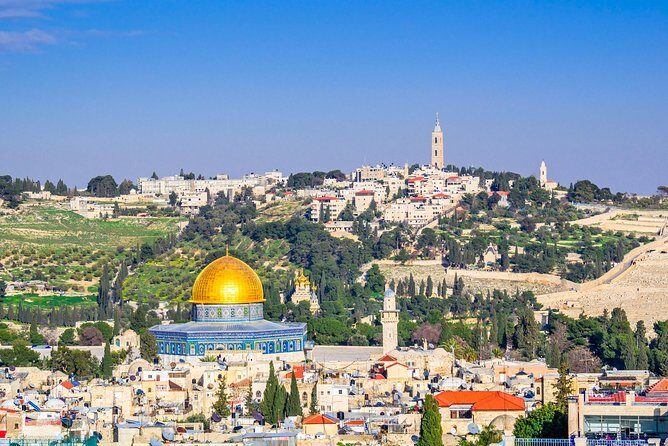
You leave Jerusalem and head north through the Jordan Valley. The first major stop is Bet She’an National Park, with excavations of a well-preserved Roman city. The size and layout of Roman cities can be easier to understand when you walk them with an organized route, because otherwise you’re just looking at stones and guessing.
Then you shift to the Golan Heights. The tour includes a wine country experience—tour and wine tasting—and you also get panoramic views toward Mount Hermon and into the surrounding regions. There’s also a cultural layer via the mention of Druze villages and former Syrian fortifications.
Finally, you land in Tiberias on the shores of the Sea of Galilee. The tour touches the Jewish tradition of the Talmud and notes the city’s role as one of the four holy cities in Judaism, plus the presence of rabbinic tombs.
Two things to think about here:
First, this day has a “drive and look” rhythm, so you’ll want to stay hydrated. Second, Golan day can be a long day in daylight. If you’re sensitive to heat, plan for sun protection.
Day 6: Capernaum and Tabgha for the Galilee story, then Nazareth
This is one of the most “place-based” days, where geography helps explain the religious narratives.
You start at Kfar Nahum National Park (Capernaum area) at the Sea of Galilee, including time at ruins of an ancient synagogue. Then you head to Tabgha in the Mount of Beatitudes area for the traditional sites connected with the Sermon on the Mount and the miracle of the loaves and the fish. The tour also includes the Mount of Beatitudes area itself.
Then you go to Nazareth for the Church of the Annunciation and Christian holy sites. Nazareth feels different from Jerusalem. It’s more residential, less towering. That makes it easier to imagine everyday life in the past.
Good to know: the tour time blocks are short enough that you won’t feel trapped, but you also won’t have hours for independent exploring. If you like structured sight plans, you’ll do fine. If you crave open time, this day may feel tight.
Day 7: Akko (Acre) Crusader walls, Haifa views, Caesarea’s Roman theater, then flight to Eilat
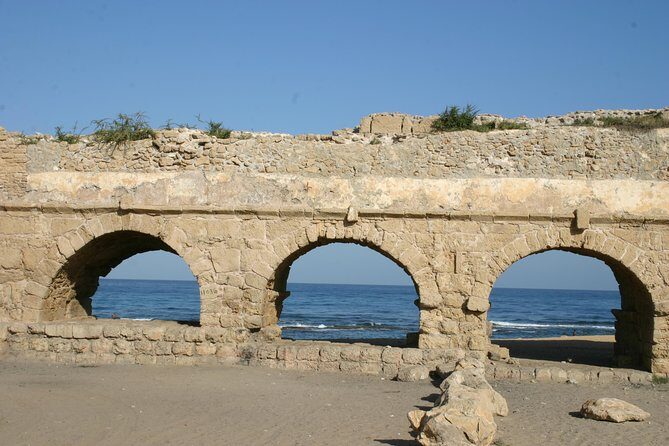
Day 7 moves you along the Mediterranean coast and up into views.
First is Akko (Acre) Old Town, including Crusader stronghold features and medieval fortifications. That stop is great if you enjoy layers—different empires, different building styles, and the same coastline being fought over again and again.
Next, Haifa and Mount Carmel for a panoramic look at the city, including the Baha’i Shrine and Persian Garden, plus views out toward Haifa Bay.
Then you travel to Caesarea National Park, visiting the Roman Theater and the Crusader fortress associated with Herod the Great’s legacy.
Finally: you reach Ben Gurion Airport and fly to Ramon Airport in Eilat, then transfer to Eilat. The tour switches gears quickly, from ancient sites to a resort-style Red Sea base.
A consideration: flying adds a bit of stress on a day already packed with walking. Keep your essentials easy to access, and assume you’ll be moving through airports with limited time buffers.
Day 8: Petra from Eilat via the Arava border, through the Siq to the Treasury and amphitheater
This is the day most people picture when they hear Petra.
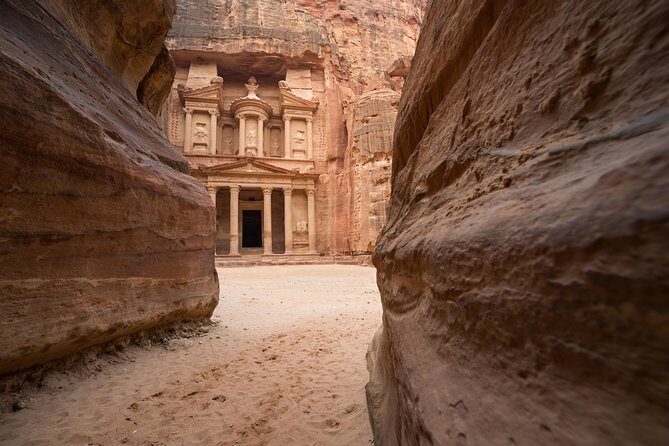
You leave Eilat after breakfast and cross into Jordan through the Arava border. The drive heads through scenic desert routes and notes the Wadi Rum area. Then comes the Petra entry through the Siq, the narrow mountain gorge that acts like a funnel for the big reveal.
You go up to the Treasury, the moment when it appears at the end of the gorge. After that, you keep moving through the heart of Petra: tombs and monuments carved into rock, and then the amphitheater area that once held around 3,000 spectators.
After you exit Petra, there’s a sit-down lunch in Wadi Musa and a visit to Moses Spring, then you drive to Aqaba for a short city tour.
Two practical notes you shouldn’t ignore:
- Petra day usually involves lots of walking with heat and uneven ground. Comfortable shoes matter more than anything you pack besides water.
- Jordan border and visa costs are not included. Make sure your documents are ready early in the booking process, since passport details are required.
Also, the tour description mentions dipping into the Red Sea at Aqaba. Even if you only get a short window, it’s a nice contrast day after Petra’s stone-and-dust visuals.
Day 9: Departure transfer back to Ben Gurion Airport
Day 9 is a departure transfer only. There’s no sightseeing block—just transport from your hotel to Ben Gurion Airport based on your flight time.
That makes the day easy to handle but also means you should plan for normal airport timing. If your flight is early or late, your day will flex around it.
What you’re really paying for: value beyond the ticket price
At $2,462 per person, this tour isn’t cheap, but it’s also not “just transportation.” You’re paying for:
- A professional guide for the full run
- Air-conditioned coach travel
- Eight nights accommodation
- Return flights between Tel Aviv and Eilat
- Airport transfers on the designated days
- Multiple included admissions, including major sites like Masada, the Dead Sea, and key museum and park stops
- Meals: breakfasts (8) and two dinners
Value is really about how much you’d spend trying to do the same route yourself. If you’re flying segments, hiring guides for major days, and paying admissions along the way, the price starts to look more reasonable. You also gain the “make it work” planning that can be tricky when you’re connecting Jerusalem with the Galilee, then doing Petra with a border crossing.
One thing to watch: accommodation standards can vary since the tour offers options to match different budgets. If hotel quality is a priority, confirm what category you’re booking so you know what you’re trading for your money.
Pace and group size: how the schedule will feel in real life
The tour limits groups to 40 travelers. That’s big enough for variety in the group, but small enough that a guide can still herd the timing.
Still, you should expect a “sprint with breaks” rhythm. Many stops list set time blocks—around one hour often, with shorter moments like 30 minutes at some sites. That means you’ll see the highlights, but you won’t live inside them.
If you’re the kind of person who enjoys structure and wants to cover a lot on a limited vacation window, this will feel efficient. If you want long museum time, slow walks, and frequent rest stops, you might feel rushed.
Who this tour fits best (and who should think twice)
This tour fits best if you:
- Are visiting Israel for the first time and want a curated greatest-hits plan
- Like the idea of organized days with a guide guiding the story
- Want Petra without doing the logistics solo
- Don’t mind moving hotels and shifting regions every few days
You might think twice if you:
- Hate tight schedules or need lots of downtime
- Want deep time at one religious site or one museum
- Prefer to travel by your own pace rather than guided timing
Should you book this Israel and Petra tour?
If your goal is to see Jerusalem, the Dead Sea, the Galilee, the coast, and Petra in one connected trip, this is a strong candidate. The included admissions, guide, and flight to Eilat save you serious planning time, and the itinerary hits big visuals with helpful interpretation.
Book it if you’re okay with a brisk pace and you want a checklist-style trip that still covers meaningful stops. Don’t book it if your idea of a great day is wandering with hours of slack. This tour is built to go, not to linger.
FAQ
How long is the tour, and how many nights?
The trip is listed as 8 nights and about 9 days.
Where does the tour start and end?
It starts with a meeting at Ben Gurion Airport (start time 8:00 am). It ends back at the meeting point on the departure day via transfer.
What’s included in the price?
Included items are a professional guide, air-conditioned coach travel, airport transfers in Tel Aviv, 8 nights accommodation, return flights between Tel Aviv and Eilat, and meals (breakfasts and two dinners).
Are flights included beyond the Tel Aviv to Eilat segment?
The tour includes return flights between Tel Aviv and Eilat. No other flights are listed as included.
Do I need a visa for Petra?
Petra requires a Jordan border crossing, and the border & visa fee is not included. Make sure your passport and visa needs are sorted before travel.
How big is the group?
The group maximum is 40 travelers.
Are meals included?
Yes. There are 8 breakfasts included and 2 dinners included.
Is there a luggage restriction?
No luggage restriction is listed for this tour.