REVIEW · MAHANE YEHUDA
Jerusalem: Best of Jerusalem Day Tour
Book on GetYourGuide →Operated by Tourist Israel Tours · Bookable on GetYourGuide
One day, three Jerusalems worth sorting. This Old City route moves fast but smart, starting at Jaffa Gate and weaving through key quarters before you hit Mahane Yehuda Market for a very local finish. I also like how the guide focuses on the city’s layered meaning across faiths, so landmarks don’t feel like random postcard stops.
Two things I particularly enjoyed: the attention to practical orientation (which gate you use, what you’re looking at, where your feet should go next) and the way the tour blends sacred sites with everyday streets. One consideration: it’s a lot of walking, lots of stairs, and the pacing may feel rushed if your plan is slow prayer, long lines, or deep contemplation.
If you’re nursing sore knees or low stamina, take the warning seriously. The route climbs and drops repeatedly in the Old City and is not set up for wheelchair users, so you’ll want to go in with strong shoes and realistic expectations.
In This Review
- Key things to know before you go
- Meeting at David Citadel and gearing up for a walking day
- Entering through Jaffa Gate: where orientation turns into understanding
- Western Wall stops and the practical power of a guide
- Via Dolorosa and the Church of the Holy Sepulchre: iconic, crowded, and time-aware
- After the Old City: a smart shift into modern Jerusalem
- Machane Yehuda Market: the best kind of finish, with schedule wiggle-room
- Price and what $69 buys you in real terms
- Who should book, and who should choose a different style
- The bottom line: should you book Jerusalem Best of Jerusalem Day Tour?
- FAQ
- Where is the meeting point?
- What time length is the tour?
- What language is the tour guide speaking?
- What is included in the price?
- Are meals and drinks included?
- Is modest dress required?
- Does this tour involve a lot of walking and stairs?
- Is it suitable for wheelchair users?
- What happens on Saturdays when Mahane Yehuda is closed?
- What if Mahane Yehuda Market is closed on Shabbat or holidays?
- Should you book this tour?
Key things to know before you go
- Old City orientation from Jaffa Gate so you don’t feel lost in the lanes
- Western Wall area context that helps you understand what you’re seeing
- Stops that cover both sacred and modern Jerusalem in one day
- Machane Yehuda Market time for shopping and local food atmosphere
- Saturday plan changes since the market is closed
- A pace that prioritizes seeing a lot over lingering
Meeting at David Citadel and gearing up for a walking day
Your day starts at the David Citadel Hotel in Jerusalem. The meeting point is simple: stand in front of the hotel, and look for an orange sign marked Tourist Israel. This matters more than it sounds—Jerusalem is busy, and you’ll want to spot your group quickly so you can move on without delays.
Then comes the big reality check: you’re committing to a long, active day. The tour runs for about 10 hours, and in practice that means you’ll be on your feet for hours, with several sets of stairs in the Old City. If you’re the type who likes to stop every few minutes to read every wall and watch every scene, you can still enjoy it—but you’ll need to accept that this is a “see it all” format, not a slow pilgrimage.
Before you go, plan your outfit. Modest dress is obligatory for Old City holy sites, with clothing that covers knees and shoulders. I treat this as a convenience issue, not a rule anxiety issue: if you dress correctly up front, you avoid awkward fixes and last-minute stress at the entrances.
Entering through Jaffa Gate: where orientation turns into understanding
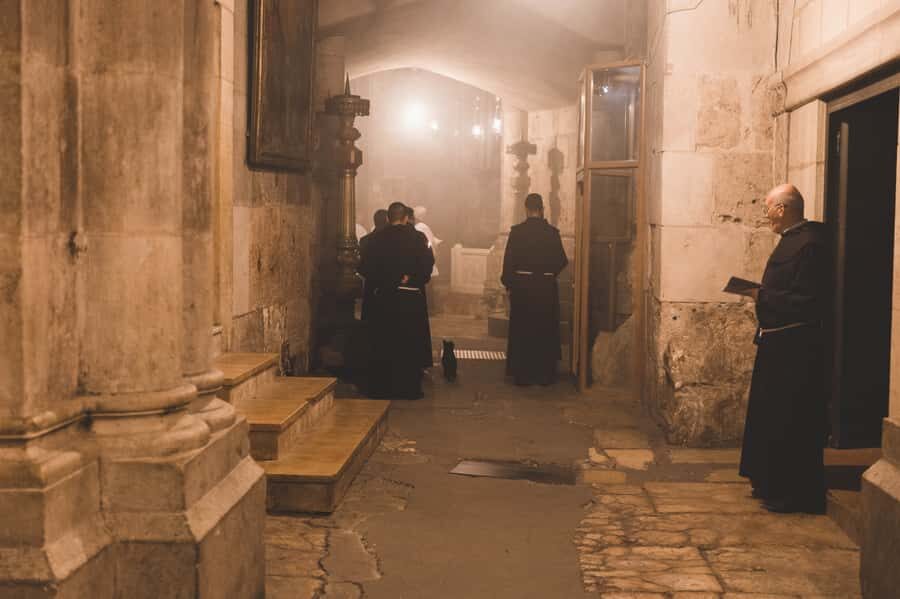
The tour’s Old City portion begins right after you enter through Jaffa Gate. This is a smart choice because it sets your bearings early. Once you’re inside, the streets twist, the scenery layers, and it’s easy to lose the “why” behind each turn. A guide helps you connect the geography to the stories.
You’ll spend about three hours focused on the Old City landmarks and quarters. Expect the guide to explain how the different gates work as entry points and how that shapes movement inside the walls. You’ll also get practical navigation cues—where to stand, what direction you’re facing, and what to look for as you move between areas.
If you love history that you can actually point to, this is the value. You’re not just being told dates. You’re learning how the city’s design influences what you notice, where you feel the scale, and why certain spots matter to multiple faiths.
Western Wall stops and the practical power of a guide
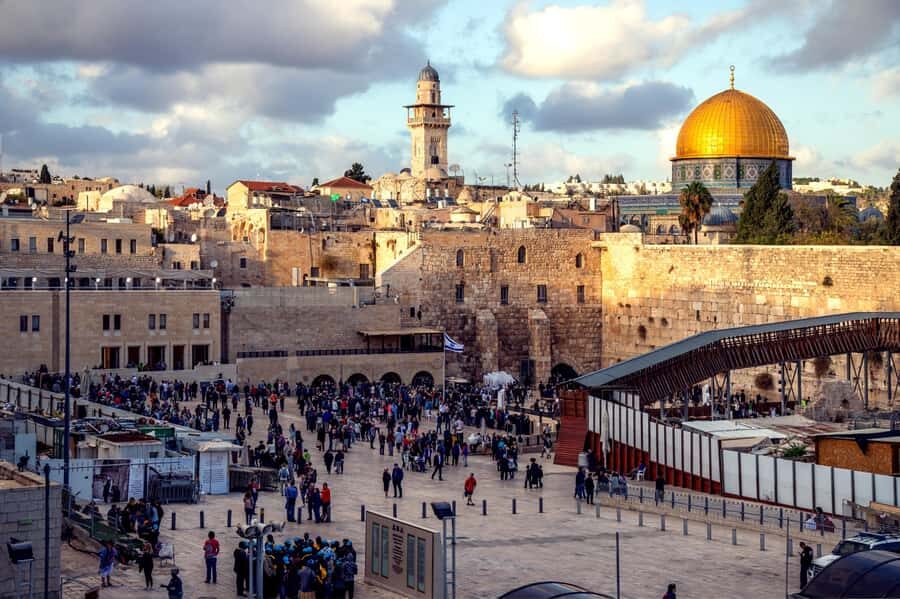
One of the most meaningful portions of the day is your time near the Western Wall. The guide’s job isn’t to turn you into a scholar in one afternoon. It’s to help you understand the significance of what you’re seeing and to know what to do with that meaning once you arrive.
A key detail I’d highlight: the guide includes specific guidance like placing written notes at the Western Wall. That kind of instruction turns a potentially confusing moment into something you can handle calmly. You also get answers to questions as you go, which helps the area feel less like a stop you rushed through and more like a place you understood.
Also, don’t underestimate the emotional contrast built into the Old City. You’re moving through tight spaces where people gather with very different intentions—prayer, reflection, photography, and simple curiosity. With the right guidance, you can keep your head clear and your behavior respectful without feeling like you’re missing everything.
Via Dolorosa and the Church of the Holy Sepulchre: iconic, crowded, and time-aware
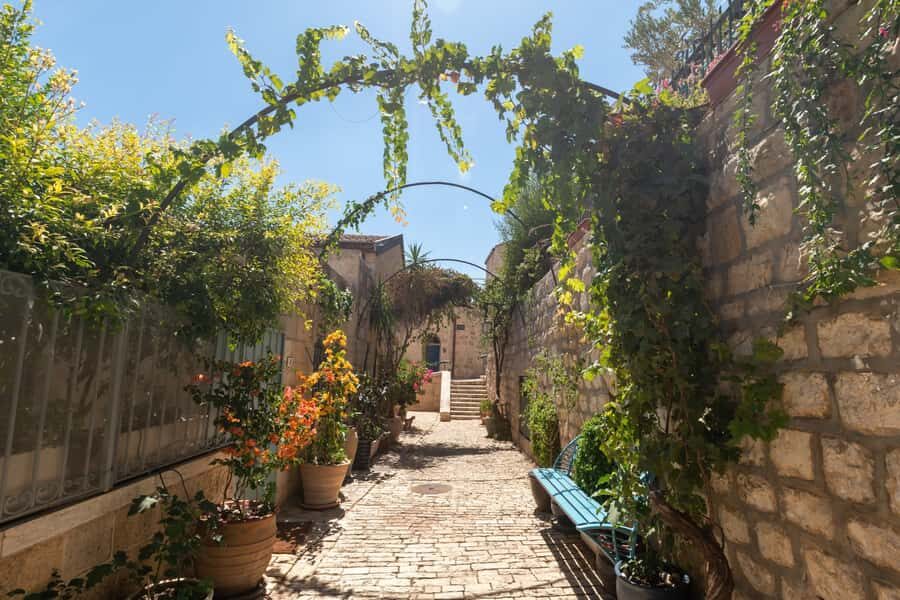
From there, the tour continues toward the Via Dolorosa and the Church of the Holy Sepulchre. These are famous stops for a reason, but they also come with two practical realities: crowds and time. The Church of the Holy Sepulchre area can be packed, and managing your expectations matters.
Here’s the balanced take: this tour focuses on sightseeing and key access points more than extended time inside every area. If you’re on a pilgrimage and your goal is to slow down for long prayer time or wait in line to enter specific spaces, you might find the schedule tight. The tour approach is more about getting you there, orienting you, and keeping the day moving.
For most people, that’s still worthwhile because the guide helps you connect what you see—facades, corridors, and key points—to the larger story of the site. You leave with a clearer picture even if you didn’t spend hours in every room.
If you hate crowds, plan to be patient. If you love crowds, plan to be respectful. Either way, you’ll want sturdy shoes because this part of the day is both emotionally intense and physically demanding.
After the Old City: a smart shift into modern Jerusalem
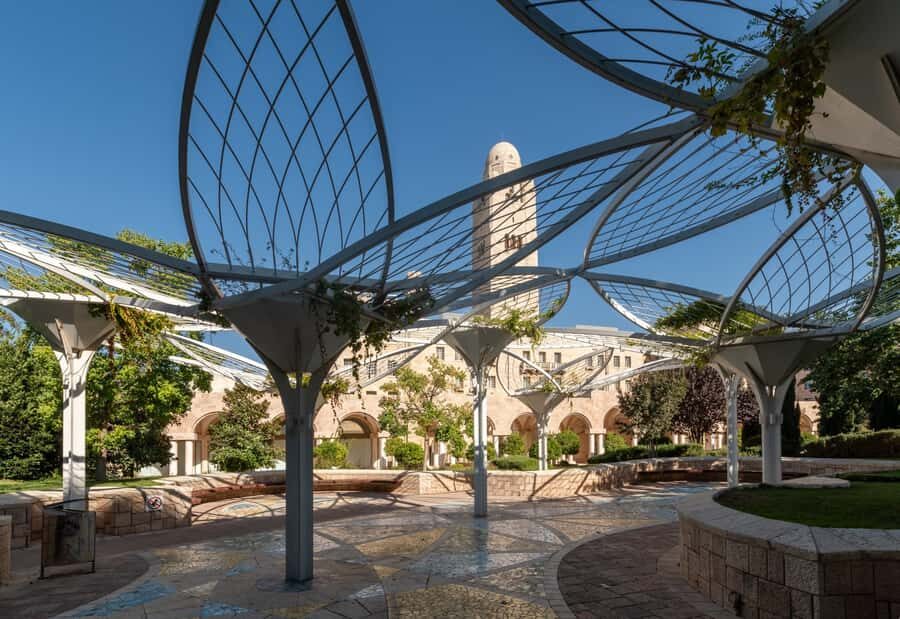
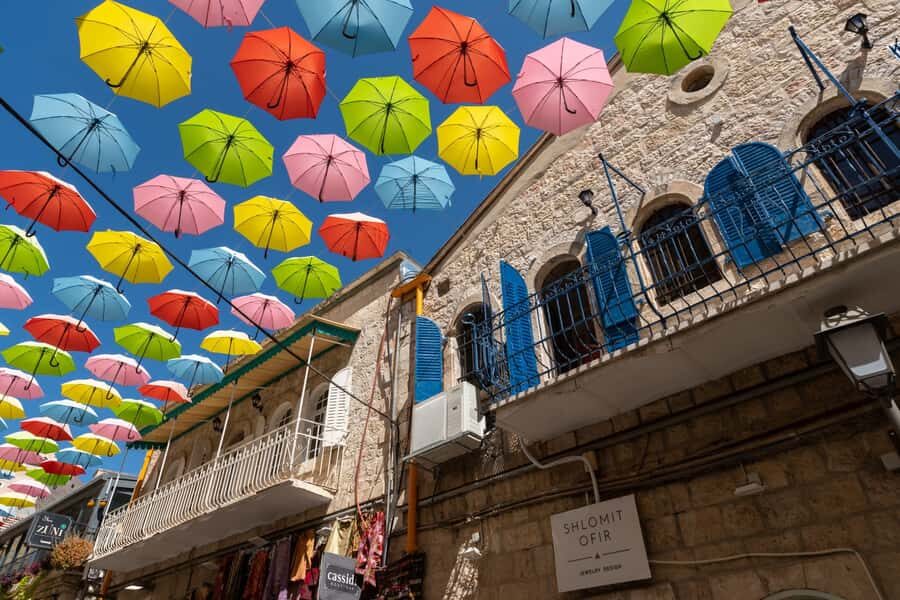
About four hours are set aside for the rest of your Jerusalem walk, which is where you start seeing the contrast. You’ll move from Tzahal Square toward the Municipality Complex area, then stroll through Jaffa Street, with a pause in the neighborhood area of Nahlaot.
This is one of my favorite parts of the design: it stops the day from becoming only sacred-site tourism. Jerusalem is a living city, and the modern streets change your pace and mood. On this stretch, the guide typically frames what you’re seeing as part of everyday Jerusalem, not only the Old City’s symbolism.
Jaffa Street is especially useful for getting your footing in the city’s rhythm. You can see where locals actually shop, wander, and talk. That gives you a more grounded feel for the city after spending the morning in stone-and-spirituality mode.
The Nahlaot pause also helps. It’s a breather point where the day shifts from “grand landmarks” into human scale, and it can be the moment where the tour stops feeling like a checklist and starts feeling like a place you could return to on your own.
Machane Yehuda Market: the best kind of finish, with schedule wiggle-room
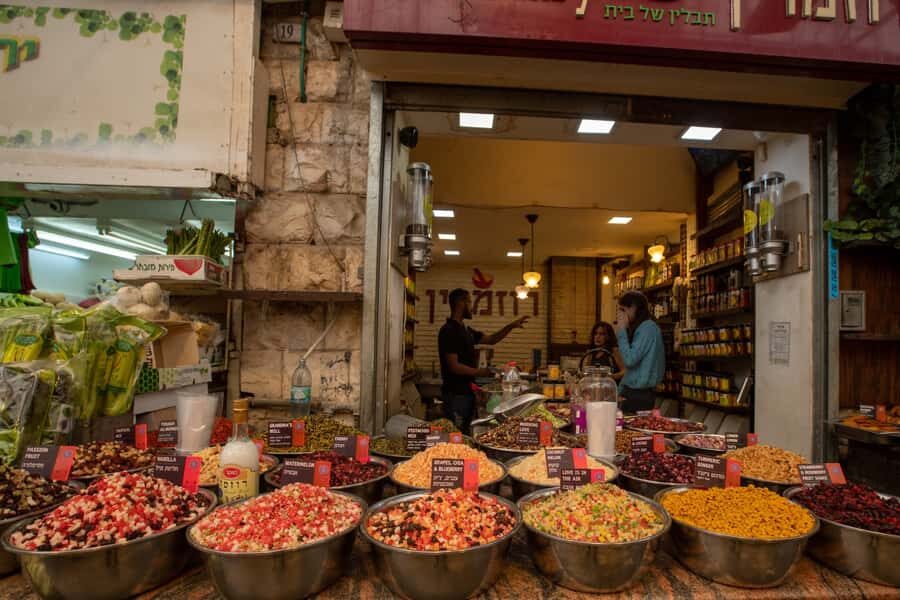
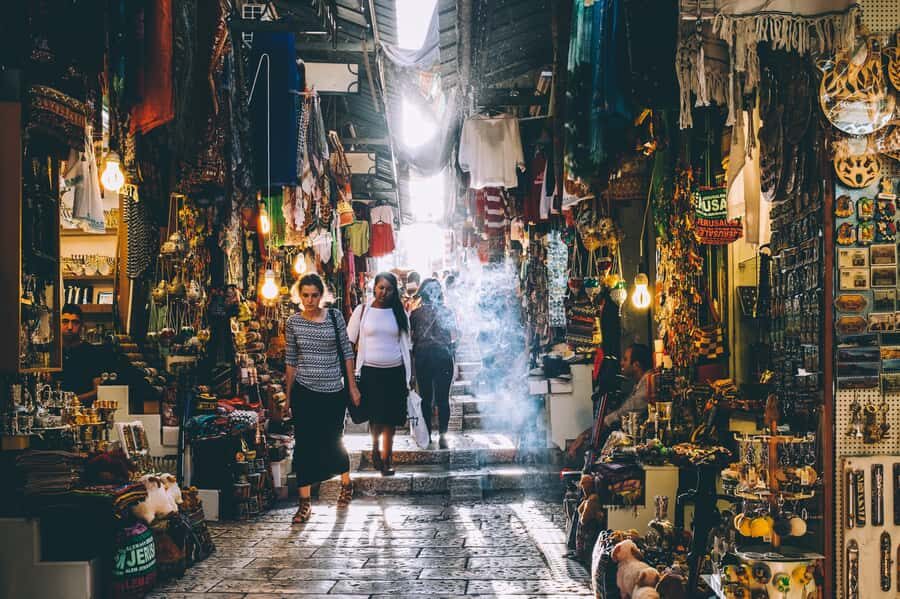
The day ends with a two-hour visit to Mahane Yehuda Market. This is a strong value add because it turns your last stretch into something sensory and practical. You’re not just looking; you’re eating the vibe, browsing stalls, and potentially doing light shopping if that’s your style.
Two important schedule notes help you plan smart. First, on Saturdays, Machane Yehuda is closed, so the tour uses a different route: Sultan Pool, Mishkenot Sha’ananim, the Old Windmill, the YMCA, and the Russian Compound. Second, on Shabbat or holidays, if the market is closed, your route adjusts to nearby stops.
That matters because a lot of Jerusalem tours treat the market as optional. Here, they treat it as part of the day’s structure, even when it’s not open. So you still get a final “Jerusalem in real life” section, not just a rushed substitute.
If you’re hoping to snack your way through the stalls, remember meals are not included on the tour. Bring your budget mindset, and don’t count on the guide covering everything food-related. The market stop is time for you to experience it on your terms.
Price and what $69 buys you in real terms
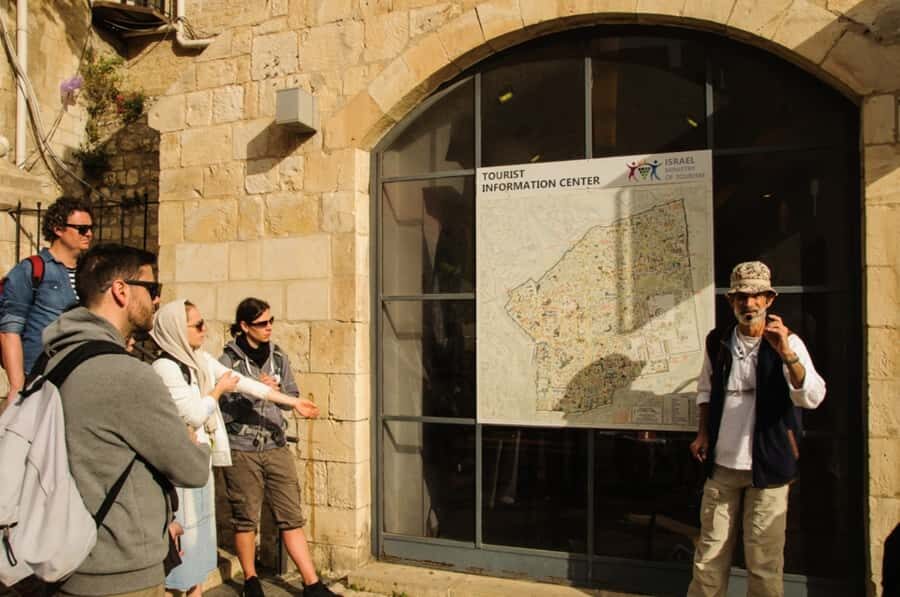
At $69 per person, you’re paying for a full-day guided route (about 10 hours) plus an English-speaking expert guide. Meals and drinks are not included, so the cost mainly covers direction, interpretation, and timing.
Is it good value? For me, yes—if you want to see a lot without spending your energy researching each stop. The guide’s role is where the money goes: helping you understand the Western Wall area, connecting Via Dolorosa and the Church of the Holy Sepulchre to what you’re actually seeing, and giving you the context to make the city’s layers feel coherent.
If you’re the type who already knows the Old City well and prefers unstructured wandering, you might feel the pace more than the value. But if you want an organized day with a local perspective, this price is in the range where the guide can genuinely save you time and confusion.
Who should book, and who should choose a different style
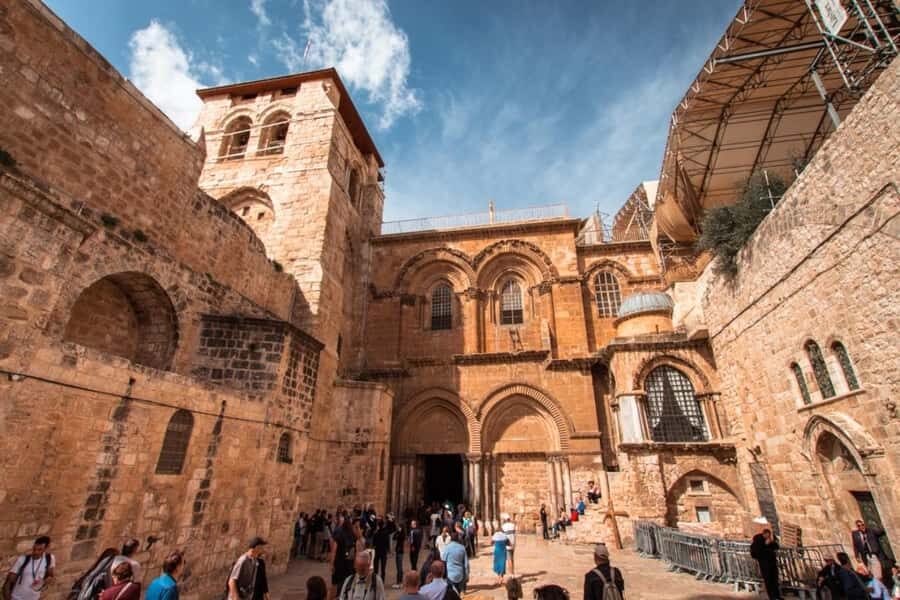
This tour works best for you if you want a single-day overview that mixes sacred icons with modern streets and ends at a lively market. It’s also a good fit if you like asking questions and getting clear guidance at key stops.
Choose a different option if you:
- have limited mobility or struggle with stairs (the tour includes several stair sets in the Old City)
- need a wheelchair-friendly itinerary (this one is not suitable for wheelchair users)
- plan to treat the Church of the Holy Sepulchre as a slow, pilgrimage-style experience where waiting and extended time are essential
And yes, if you simply hate rushing, keep this in mind. The format prioritizes covering ground, so your best strategy is to decide in advance what “enough time” means for you at each stop.
The bottom line: should you book Jerusalem Best of Jerusalem Day Tour?
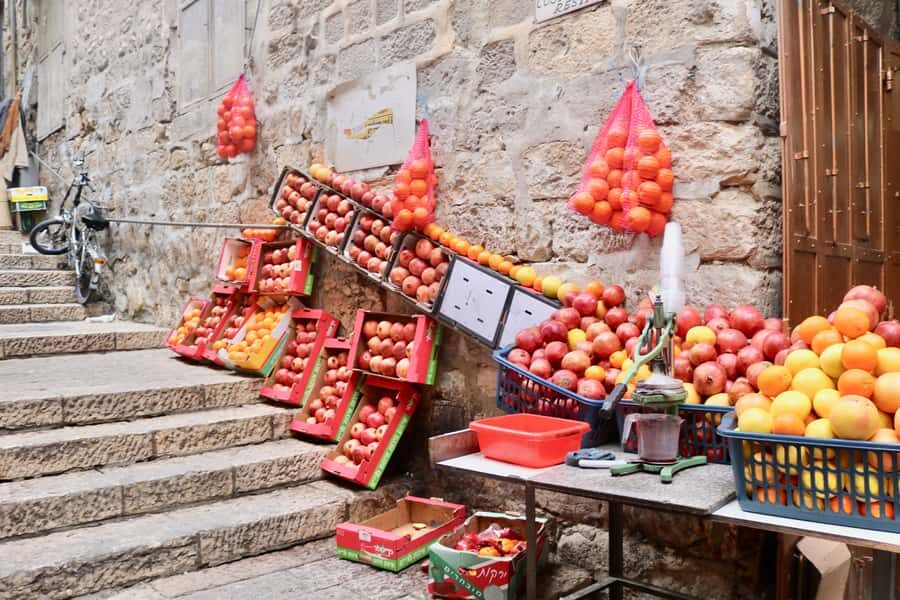
Book it if you want one organized day that gives you a clear sense of Jerusalem’s sacred and everyday sides: the Old City landmarks from Jaffa Gate, meaningful time near the Western Wall, major sights around Via Dolorosa and the Church of the Holy Sepulchre, then a transition into modern streets before a market visit.
Skip or look for a slower alternative if you’re physically limited by stairs or if your main goal is extended time in holy spaces and waiting in lines. This tour is designed for “see and understand,” not “stand and stay as long as you want.”
FAQ
Where is the meeting point?
You meet in front of the David Citadel Hotel. The guide will have an orange sign that says Tourist Israel.
What time length is the tour?
The tour lasts 10 hours.
What language is the tour guide speaking?
The tour is in English.
What is included in the price?
The included item is a hand-picked expert guide.
Are meals and drinks included?
No. Meals and drinks are not included.
Is modest dress required?
Yes. Modest dress is obligatory for Old City holy sites, and clothing should cover knees and shoulders.
Does this tour involve a lot of walking and stairs?
Yes. It includes lots of walking and several sets of stairs, especially in the Old City.
Is it suitable for wheelchair users?
No. It is not suitable for wheelchair users.
What happens on Saturdays when Mahane Yehuda is closed?
On Saturdays, since Machane Yehuda is closed, the tour follows an alternative route including Sultan Pool, Mishkenot Sha’ananim, the Old Windmill, the YMCA, and the Russian Compound.
What if Mahane Yehuda Market is closed on Shabbat or holidays?
If the market is closed due to Shabbat or holidays, the tour follows a slightly adjusted route with nearby stops.
Should you book this tour?
Reserve it if you want a guided full-day overview of Jerusalem’s major Old City sites plus modern streets and a market visit. If you need long, slow time at sacred sites or you struggle with stairs, consider a different, less active option.